
Polyester cotton fabric, commonly known as polycotton, is a hybrid textile that merges the natural breathability of cotton with the synthetic strength of polyester. This combination creates a versatile, low-maintenance material that resists wrinkling and shrinking far better than pure cotton, while remaining softer and more comfortable against the skin than pure polyester. For home sewists, crafters, and dressmakers, understanding how these two fibers interact is the key to selecting the right fabric weight, preparing the material correctly, and achieving professional results on the sewing machine.
Because polycotton is manufactured in a wide variety of weights and fiber ratios, its performance can vary significantly from one bolt to another. Before purchasing fabric for your next project, taking the time to analyze the blend composition and physical characteristics will help you avoid common sewing pitfalls like puckered seams, fabric melting, or poor garment drape. By learning how to evaluate and handle this popular blend, you can confidently select the ideal material for apparel, home decor, or utility crafts.
What Is Polyester Cotton Blend and How Ratios Matter
Polyester cotton fabric is created by weaving or knitting a combination of natural cotton staple fibers and synthetic polyester filament fibers. This structural pairing is designed to offset the inherent weaknesses of each individual fiber. Cotton is highly breathable and soft but prone to creasing and shrinking, whereas polyester is incredibly durable and wrinkle-resistant but can feel stiff and trap heat. By blending them, manufacturers produce a textile that offers a balanced performance profile suitable for everyday wear and household use.
Products mentioned in this guide
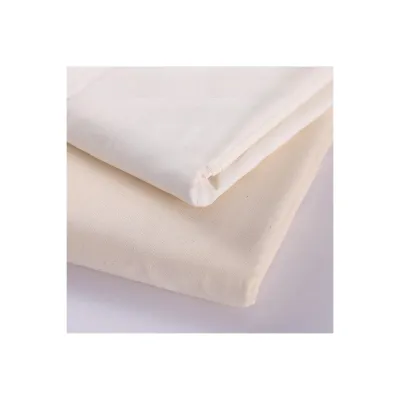
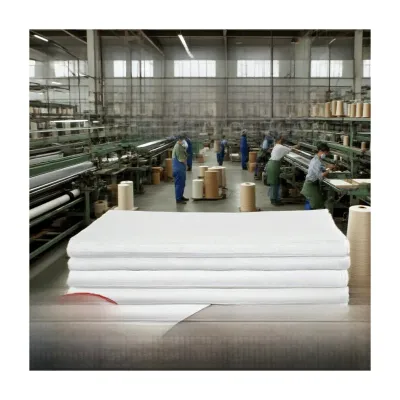
Prices are valid at publication and may change. Please refer to the product page for the latest price.
The specific ratio of polyester to cotton in a blend directly dictates how the fabric behaves under the needle and during daily wear. A 65/35 blend (65% polyester and 35% cotton) is highly durable, exceptionally wrinkle-resistant, and quick to dry, making it a standard choice for utility items and heavy-duty workwear. A 50/50 blend offers an even compromise, balancing synthetic resilience with natural softness. Conversely, a cotton-rich blend like 60/40 or 35/65 leans into the breathability and moisture absorption of cotton, making it much gentler on the skin.
When sourcing polycotton for a project, never rely on touch alone to guess the fiber content. Always verify the exact composition percentage, fabric weight measured in grams per square meter (GSM), and the usable width on the manufacturer’s label or product specification sheet. In warm or humid climates, a lighter fabric weight (around 90 to 120 GSM) with a higher cotton percentage is essential to ensure comfort, while heavier weights (150 GSM and above) are better suited for structured items like aprons, table linens, or lightweight jackets.
Evaluating Durability, Breathability, and Sewing Handling
One of the primary advantages of polyester cotton fabric is its resistance to abrasion and creasing. The long, synthetic polyester fibers reinforce the shorter cotton fibers, preventing the fabric from wearing thin at high-friction areas like elbows, knees, or pocket openings. However, because polyester fibers do not stretch or yield in the same manner as natural fibers, you must carefully monitor seam stress points during garment fitting. High tension or tight seams can cause the fabric to pucker permanently along the stitch line, as the synthetic threads cannot relax into the weave.

To evaluate the breathability and drape of a specific polycotton blend before cutting into it, you can perform two simple, observable checks. First, conduct a light-transmission test by holding a single layer of the fabric up to a natural light source or window. A tight, dense weave with high polyester content will block most of the light and is likely to trap body heat, whereas a looser, more open weave will let light pass through, indicating better air circulation. Second, perform a drape test by folding the fabric over your hand; if it falls in stiff, rigid folds, it may lack the fluid movement required for soft garments like summer dresses.
Sewing machine compatibility is another critical factor when working with synthetic-natural blends. Because polyester is a tough, dense plastic fiber, a dull or incorrect needle can easily snag the fabric, skip stitches, or create unsightly runs. For lightweight to medium-weight polycotton, use a sharp universal needle or a microtex needle in size 70/10 or 80/12. Pair this with a high-quality all-purpose polyester thread or a cotton-wrapped polyester thread, which provides the necessary strength and slight elasticity to match the fabric’s natural resilience.
Essential Pre-Washing and Ironing Steps Before Cutting
Although polyester fibers are highly stable and do not shrink, the cotton fibers in a polycotton blend remain susceptible to shrinkage when exposed to water and heat. If you skip the pre-washing step, the cotton portion of the blend may contract during the first laundry cycle of the finished item, causing the seams to warp, pucker, and distort permanently. To prevent this, always wash and dry your fabric using the exact temperature, cycle settings, and detergent you plan to use for the finished project before you lay out your pattern pieces.
Ironing requires strict temperature control because polyester is a thermoplastic material that will melt, scorch, or glaze under high heat. When pressing your fabric during preparation or flattening seams during construction, set your household iron to a low-to-medium synthetic setting. Never apply a hot iron directly to the face of the fabric; instead, use a clean, dry pressing cloth as a protective barrier. Always test your iron’s heat level on a small scrap piece of the fabric first to ensure it can handle the temperature without warping or developing a shiny residue.
Routine care of polycotton items should also be managed carefully to preserve the integrity of both fiber types. Avoid high-heat tumble drying, which can weaken the synthetic fibers over time and cause the fabric to feel stiff or scratchy. Additionally, minimize the use of harsh chemical bleaches; chlorine bleach can degrade and yellow the natural cotton fibers while leaving the synthetic polyester intact, resulting in an uneven, weakened fabric structure and patchy discoloration.
Matching the Fabric Blend to Your Specific Sewing Project
Selecting the right polycotton blend depends heavily on the functional demands of your finished item. For apparel such as everyday shirts, casual dresses, and children’s clothing, prioritize skin comfort and breathability by choosing cotton-rich blends, such as 60% cotton and 40% polyester. These blends offer the soft, cool feel of natural cotton against the skin while retaining enough polyester to significantly reduce the time spent ironing after laundering.
For home textiles, utility items, and crafts that undergo frequent washing and heavy wear, a polyester-heavy blend is highly advantageous. Items like kitchen aprons, pillowcases, table runners, and tote bags benefit greatly from a 65/35 or 80/20 polyester-to-cotton ratio. The high synthetic content provides excellent stain resistance, structural integrity, and quick-drying properties, ensuring that household items maintain their shape and color through repeated wash cycles.
If you plan to use polycotton for quilting or patchwork, proceed with caution and verify the fabric’s grain stability. Mixing polycotton with 100% cotton fabrics in a single quilt top can lead to uneven wear and puckering because the two fabrics shrink and age at different rates. If you choose to mix them, ensure that the polycotton has a tight thread count and stable grain, and pre-wash all fabrics thoroughly to minimize post-wash tension differences across your patchwork seams.
Frequently Asked Questions (FAQ)
Is polyester cotton blend suitable for hot weather?
Polyester cotton fabric can be suitable for warm weather, but its comfort depends heavily on the blend ratio and weave density. Because polyester fibers tend to trap heat and repel moisture rather than absorbing it, a high-polyester blend can feel sticky and humid in warm climates. For hot weather, choose a lightweight, cotton-rich blend (such as 60% cotton or more) with an open, breathable weave, and test a small swatch against your skin to evaluate its airflow before committing to a full garment project.
How can I minimize pilling on polycotton garments?
Pilling occurs when the shorter, weaker cotton fibers break and tangle with the stronger, continuous polyester fibers on the fabric’s surface, creating small, unsightly fuzzballs. To minimize this friction-induced wear, wash your finished polycotton garments inside out on a gentle cycle, avoid overloading the washing machine, and line dry the items whenever possible. If pilling does occur over time, you can safely restore the fabric’s smooth surface by using a handheld fabric shaver or a specialized lint comb.
Community discussion
Share your experience or ask a question. Comments are reviewed before publication.