
Cotton linen yarn is a popular blend of natural plant fibers that combines the softness and breathability of cotton with the strength, drape, and crisp texture of linen. This versatile blend is highly suited for warm-weather garments, lightweight accessories, and durable home goods. Because both cotton and linen are cellulose fibers, they lack the natural elasticity and bounce of animal fibers like wool. This makes the yarn exceptionally breathable and cool to the skin, but it also means the yarn behaves differently on the needles or hooks. Understanding how these two fibers interact helps crafters select the right patterns and tools to create beautiful, long-lasting projects that hold their shape and soften beautifully over time.
Understanding the Characteristics of Cotton Linen Blends
To appreciate cotton linen yarn, it helps to understand how its two component fibers work together. Cotton is harvested from the seed bolls of the cotton plant, yielding short, fluffy fibers that are spun into soft, absorbent yarn. Linen is made from the bast fibers found in the stem of the flax plant. Flax fibers are much longer, stronger, and more lustrous than cotton, but they are also stiffer and less pliable. When these two fibers are blended, they create a yarn that balances the best of both worlds. The cotton provides a soft, cushioning matrix that makes the yarn more comfortable to hold and work with, while also adding loft and reducing the overall weight of the fabric. The linen contributes exceptional tensile strength, a subtle natural sheen, and a beautiful, rustic texture characterized by occasional slubs.
The ratio of the blend plays a critical role in the final fabric’s behavior. A common blend is 70% cotton and 30% linen, which leans heavily toward the softness and ease of cotton while still enjoying the enhanced drape and cooling properties of linen. Blends with a higher linen content, such as 50/50 or even 30% cotton and 70% linen, will feel noticeably crisper and stiffer initially, but they will develop an incredibly elegant, fluid drape after a few washes.
Products mentioned in this guide
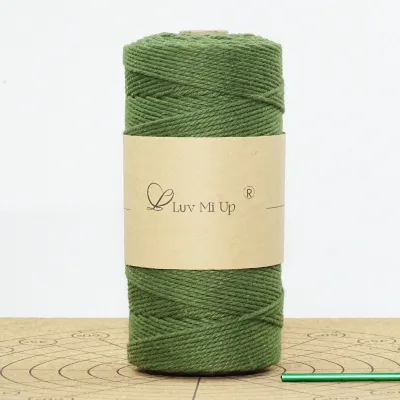
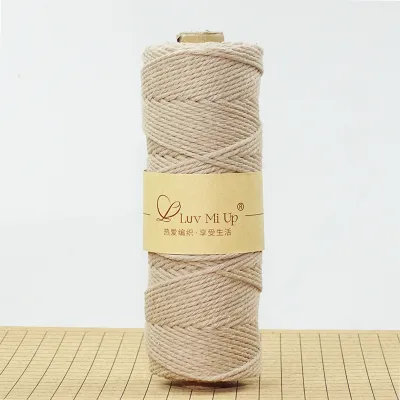
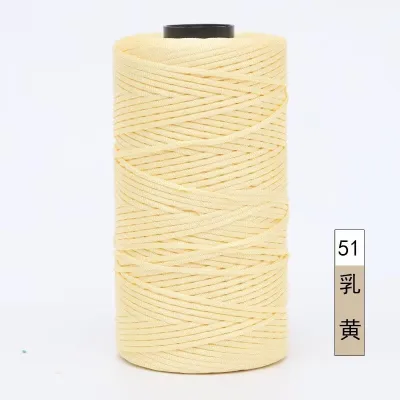
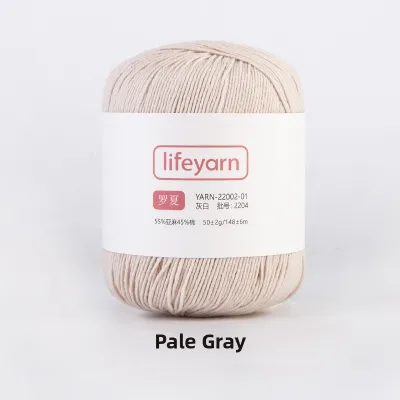
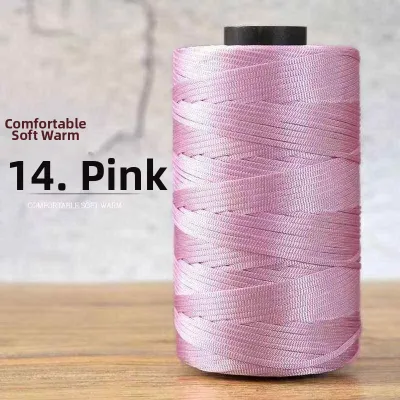
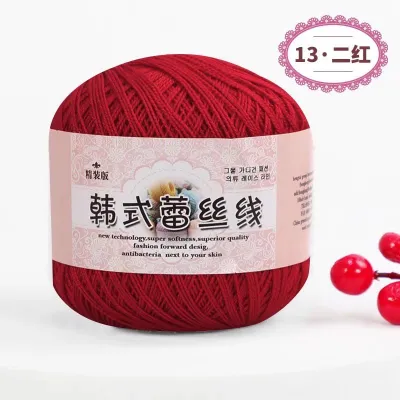
Prices are valid at publication and may change. Please refer to the product page for the latest price.
The lack of elasticity is a defining physical characteristic of both fibers. Animal fibers like wool contain keratin, which has a coiled molecular structure that acts like a spring. Cellulose fibers like cotton and linen consist of straight, crystalline chains of glucose molecules. When tension is applied, these chains slide slightly but do not stretch or bounce back. This means that any tension variations during knitting or crocheting will be highly visible in the final fabric, and the fabric will not hug the body the way a ribbed wool sweater does. Instead, it hangs away from the body, which is precisely why it feels so cool and airy in warm climates.
Best Projects to Make with Cotton Linen Yarn
Selecting the right project is key to getting the most out of cotton linen yarn. Because of its unique physical properties, this blend excels in specific applications while being less suited for others.

Warm-weather garments are perhaps the most popular use for cotton linen yarn. In tropical or warm climates, heavy woolens are impractical. Cotton-linen yarn is the perfect alternative for creating handmade wardrobes that can be worn year-round. Lightweight tees, sleeveless tops, camisoles, and open-front cardigans knitted or crocheted in this blend offer unparalleled comfort. The linen fibers are highly conductive, meaning they quickly transfer heat away from the body, while the cotton absorbs moisture, keeping you dry and comfortable.
Structured accessories and home goods also benefit greatly from this blend. The strength of linen makes this blend highly durable and resistant to wear and tear. Market bags, beach totes, and everyday handbags are excellent projects. Unlike pure cotton bags, which can stretch out excessively when loaded with items, a cotton-linen bag retains its structural integrity much better due to the high tensile strength of the flax fibers. For the home, this blend is ideal for functional items that undergo frequent washing. Table runners, placemats, coasters, and dishcloths benefit from the absorbency of cotton and the quick-drying, antibacterial properties of linen.
However, there are projects you should avoid with this yarn. Avoid patterns that require a snug, elastic fit. For example, ribbed neckbands, cuffs, and waistbands on sweaters will stretch out and remain loose, leading to a sloppy appearance. Classic winter accessories like thick beanies, cowls, and insulated mittens are also poor choices, as the flat cellulose fibers do not create the dead air pockets necessary to trap body heat.
Practical Tips for Knitting and Crocheting with Cotton Linen
Working with cotton linen yarn requires a few adjustments to your technique to accommodate its lack of stretch and slippery texture. By choosing the right tools and stitch patterns, you can ensure a comfortable crafting experience and a beautiful finished product.
First, consider your tool selection. Because cotton-linen yarn has no natural give, working with it on slick metal needles or hooks can be frustrating. The stitches may slide around too quickly, making it difficult to maintain a consistent gauge. Wooden, bamboo, or matte-finished plastic tools are highly recommended. These materials have a higher coefficient of friction, which gently grips the yarn and gives you more control over your stitches. Additionally, the slight flexibility of wood or bamboo can reduce the strain on your wrists and fingers, preventing the hand fatigue that often accompanies working with inelastic fibers.
Managing your tension is another crucial skill when working with plant fibers. Since the yarn does not stretch, any unevenness in how you wrap the yarn around your fingers or pull it through the loops will be reflected in the finished fabric. To achieve a smooth, professional finish, try to keep your hands relaxed and avoid pulling the yarn too tightly. If you tend to be a tight knitter or crocheter, you may want to go up a needle or hook size to prevent the fabric from becoming too dense and stiff.
Stitch pattern selection also plays a major role in the success of your project. To make the most of the yarn’s unique drape, choose stitch patterns that work with its natural tendencies. Simple stockinette stitch, garter stitch, and basic crochet stitches like single or double crochet allow the natural texture of the blend to shine. If you want to incorporate lace, choose patterns with structured borders or solid sections to prevent the lace from stretching out of shape. Avoid heavy cables or twisted stitches, as they require a level of elasticity that cotton-linen yarn cannot provide, resulting in flat, lifeless motifs.
Washing, Blocking, and Caring for Finished Items
Proper aftercare is essential to preserve the shape and improve the texture of your completed cotton linen projects. By following a few simple steps, you can ensure your handmade items look beautiful and last for years.
Always start by checking the manufacturer’s care label on the yarn band. While cotton and linen are generally robust fibers, the specific blend ratio, dye methods, and spinning techniques can affect how the yarn responds to water temperature and detergents. Some blends may be machine washable on a gentle cycle, while others require hand washing to prevent excessive fuzzing or shrinkage.
Wet blocking is an essential step for any cotton-linen project. It involves soaking the finished item in lukewarm water with a mild, rinse-free wash or delicate detergent, gently squeezing out the excess water without wringing, and laying it flat to dry. Wet blocking relaxes the fibers, allows the stitches to settle and even out, and initiates the softening process of the linen. It also reveals the true drape and dimensions of the finished fabric, which is especially important for garments.
Because cotton-linen items can be heavy when wet, hanging them to dry will cause them to stretch out of shape permanently. Always dry your items flat on blocking mats or a clean towel, shaping them to the correct measurements. Once dry, store these items folded in a drawer or on a shelf rather than hanging them on hangers, as the weight of the fabric can cause the shoulders and neckline of garments to sag and distort over time. Keep them in a cool, dry place away from direct sunlight to prevent color fading.
Frequently Asked Questions (FAQ)
Does cotton linen yarn soften after washing?
Yes, cotton linen yarn undergoes a remarkable transformation and softens significantly after washing and wearing. In its raw state, linen contains a natural plant binder called pectin, which gives the fibers their initial stiffness and crisp hand. When the finished item is washed, the water and gentle agitation help break down this pectin, relaxing the flax fibers. With each subsequent wash and wear, the fibers continue to flex and soften, turning a once-stiff fabric into a beautifully supple, soft, and comfortable garment that feels wonderful against the skin. Always follow the specific care instructions on your yarn label to ensure safe washing.
Is cotton linen yarn suitable for beginners?
While cotton linen yarn is a beautiful material, it can be somewhat challenging for absolute beginners. Because it lacks the natural elasticity of wool or acrylic, it does not forgive tension mistakes, making uneven stitches more prominent. Additionally, the slippery nature of the linen fibers can make it harder to control on the needles or hook. For those brand new to knitting or crochet, it is often best to start with a more forgiving, elastic fiber to build muscle memory and tension control. Once you have a few basic projects under your belt, cotton linen is an excellent next step, especially when paired with wooden or bamboo tools that offer a bit of extra grip.

Community discussion
Share your experience or ask a question. Comments are reviewed before publication.