
When searching for “carp yarn” in knitting and crochet circles, crafters often find themselves at a confusing crossroads of terminology. The term “carp yarn” is rarely a standard, universally recognized fiber category on its own. Instead, it typically points to a specific brand name, a localized product line, or more commonly, a typographical error or translation variant of “carpet yarn” or “crepe yarn.”
Understanding exactly what you are working with is essential before investing your time and money into a new project. This is especially true when crafting in a tropical climate, where fiber choice dictates the ultimate wearability of any handmade item. By learning how to decode yarn labels, analyze fiber content, and match material properties to your specific project goals, you can confidently navigate any craft store or online marketplace.
Identifying "Carp Yarn" in Knitting Supplies
If you encounter the term “carp yarn” while browsing craft shops or online marketplaces, your first step should be to investigate the physical packaging or digital product listing details. Often, what appears to be a mysterious new fiber type is simply a translation anomaly or a brand-specific product name. For instance, some manufacturers use thematic names inspired by nature, marine life, or traditional motifs, resulting in labels like “carp yarn” to evoke a specific colorway or aesthetic.
Products mentioned in this guide
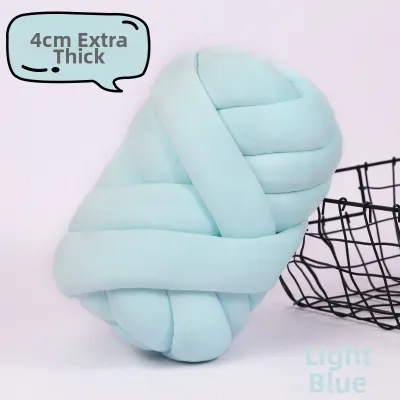
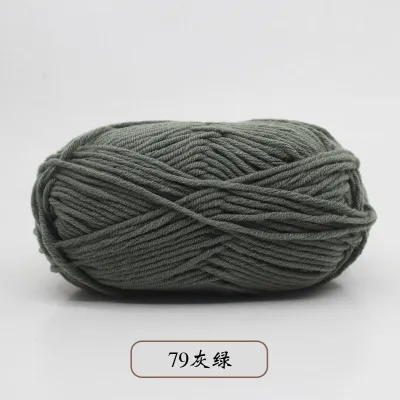
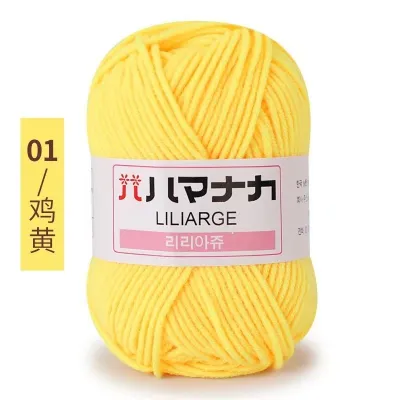
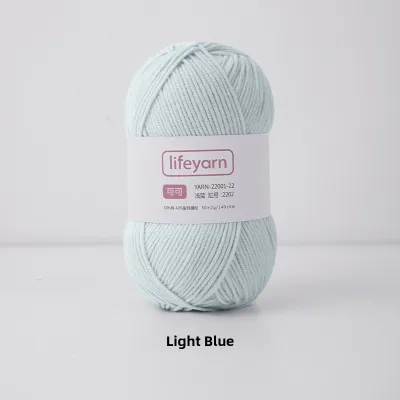
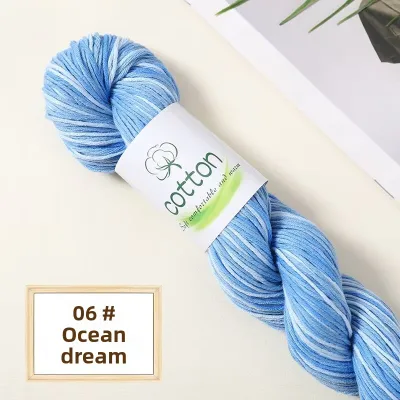
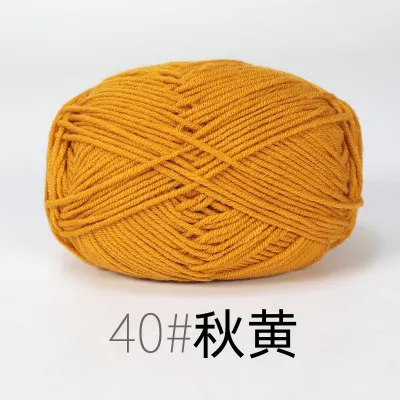
Prices are valid at publication and may change. Please refer to the product page for the latest price.
To determine what you are actually holding, look closely at the registered trademarks, manufacturer details, and official brand logos on the skein’s band. If the term is indeed a brand name, searching the manufacturer’s official catalog will reveal the intended use and fiber specifications. This step prevents you from misidentifying a standard acrylic or wool blend as a completely new material class.
Alternatively, “carp yarn” may be a typographical variation of two common industry terms: carpet yarn or crepe yarn. Carpet yarn is a heavy-duty, coarse material designed for rugs, tapestries, and structural home decor. It is built to withstand high friction and is rarely suitable for next-to-skin wear. Crepe yarn, on the other hand, refers to a highly twisted yarn construction that creates a pebbled, textured surface with excellent drape, often used for lightweight summer garments.
Rather than making assumptions based on a potentially ambiguous product name, always rely on the explicit fiber content listed on the label. The fiber breakdown—whether it is wool, cotton, acrylic, or a blend—will tell you far more about how the yarn behaves than any marketing title.
Evaluating Yarn Material and Texture Characteristics
Once you have identified the true nature of your yarn, you must evaluate its material composition and texture to determine how it will perform. The fiber composition is the foundation of any yarn’s behavior. For crafters in warm, humid climates, fiber choice is particularly critical. Natural plant fibers such as cotton, bamboo, and linen are highly breathable, moisture-wicking, and comfortable to wear in tropical heat.

Synthetic fibers like acrylic and polyester are highly durable and easy to care for, though they can trap heat if spun into a dense fabric. Animal fibers like wool, alpaca, and cashmere offer unmatched warmth and elasticity, making them ideal for cozy winter wear, travel garments, or items intended for heavily air-conditioned indoor spaces.
Beyond fiber content, the ply and twist structure of the yarn play a massive role in its strength and appearance. Ply refers to the number of individual strands twisted together to form the yarn. A single-ply yarn (often called roving) is incredibly soft and fluffy, but it lacks structural integrity and is highly prone to pilling and splitting.
Multi-ply yarns, where several strands are twisted together, are much stronger and offer excellent stitch definition. The tightness of the twist also matters; a high-twist yarn creates a dense, durable fabric with a crisp finish, while a low-twist yarn remains soft and airy but requires gentler handling.
Finally, pay close attention to the yarn’s texture. Smooth, mercerized cotton yarns glide easily on your needles and showcase intricate stitch patterns beautifully. Textured yarns, such as boucle (which features tiny loops), halo-heavy mohair, or slub yarns (which vary in thickness), add built-in visual interest to simple stitches. However, highly textured yarns can be challenging to work with, as they tend to snag and obscure complex stitch patterns.
Matching Yarn Properties to Knitting and Crochet Projects
Selecting the right yarn is not just about finding an appealing color or texture; it is about matching the physical properties of the fiber to the functional demands of your project. A beautiful yarn can easily become a frustrating project if used for the wrong application.
For high-wear items like socks, market bags, or baby garments, durability and washability are paramount. Socks require a blend of wool and nylon to withstand constant friction and stretching. Market bags benefit from sturdy, non-stretching fibers like mercerized cotton or linen, which can carry heavy loads without sagging. Baby items must be incredibly soft and machine-washable, making superwash merino wool or premium acrylic blends the preferred choices.
If your project features complex stitch patterns like cables, lace, or colorwork, you need a yarn that highlights your hard work. Opt for smooth, tightly plied yarns in solid or semi-solid colors. High stitch definition ensures that every twist of a cable or yarn-over of a lace pattern stands out clearly. Variegated or highly textured yarns tend to compete with complex patterns, making the final fabric look cluttered and chaotic.
Conversely, if you are planning a quick, simple project like a chunky scarf, a cozy throw blanket, or a decorative cushion, bulky and novelty yarns are excellent candidates. These yarns work up rapidly on large needles or hooks, and their inherent texture provides all the visual interest you need. Because these items do not require precise drape or intricate stitch work, you can experiment with loftier, less structured fibers without worrying about losing pattern details.
Verifying Specifications and Care Requirements Before Purchase
Before heading to the register or finalizing your online cart, take a few minutes to run through a practical verification checklist. This step ensures you buy the correct amount of yarn and that the finished item fits your lifestyle.
First, check the recommended needle or hook size and the standard gauge printed on the yarn label. While you can always adjust your tool size to achieve a specific tension, staying close to the manufacturer’s recommendation ensures the fabric retains its intended structure. If you are following a specific pattern, compare its gauge requirements with the yarn’s specifications to avoid a garment that turns out far too large or too small.
Next, review the care instructions carefully. If you are knitting a gift for someone who prefers low-maintenance laundry, avoid hand-wash-only fibers like untreated wool or delicate silk. In humid environments, consider how easily the finished item can be washed and dried; heavy, non-machine-washable items may require specialized care to prevent mildew or musty odors over time.
Finally, calculate your required yardage and verify the dye lot numbers. Yarn is dyed in batches, and even a slight variation in water temperature or dye concentration can create noticeable color differences between batches. Always check that the dye lot number printed on every skein matches. If you must use different dye lots, plan to alternate skeins every few rows to blend the colors seamlessly.
When budgeting for your project, remember that high-quality specialty yarns in local boutiques may range from S$10 to S$40 per skein, so purchasing the correct amount upfront prevents costly reordering fees or the disappointment of a discontinued colorway.
Frequently Asked Questions (FAQ)
Can I use heavy-duty carpet yarn for standard garment knitting?
Heavy-duty carpet yarn is generally unsuitable for standard garment knitting due to its coarse texture and rigid structure. Designed to withstand heavy foot traffic on rugs and tapestries, carpet yarn lacks the softness, elasticity, and drape required for comfortable clothing. Wearing a garment made from carpet yarn can cause significant skin irritation and feel excessively heavy. If you wish to substitute yarn in a garment pattern, always prioritize fibers that match the pattern’s recommended gauge and offer a soft, pliable hand feel.
How do I substitute a discontinued or hard-to-find yarn?
To substitute a discontinued or hard-to-find yarn successfully, focus on matching the core specifications rather than searching for the same brand name. Start by identifying the original yarn’s fiber content, weight category (such as sport, DK, or worsted), and recommended gauge. Look for a replacement yarn with a similar fiber blend to ensure the finished project has the same drape and elasticity. Once you find a candidate, always knit or crochet a test swatch to verify that your personal tension matches the pattern’s requirements.
What is the best way to test a new yarn's texture and drape?
The most reliable way to test a new yarn’s texture, drape, and real-world performance is to create a standard gauge swatch. Knit or crochet a square of at least 10 by 10 centimeters using your pattern’s recommended stitch. Before measuring, wash and block the swatch exactly as you plan to care for the finished item. This process allows the fibers to relax, revealing the true drape, softness, stitch definition, and any potential shrinkage or color bleeding before you commit to the full project.

Community discussion
Share your experience or ask a question. Comments are reviewed before publication.