
Choosing the right yarn weight and fiber is one of the most critical decisions for any knitting or crochet project. Among the vast array of options, 8 ply cotton yarn stands out as a highly versatile, durable, and breathable choice. Known for its exceptional stitch definition and comfortable feel, this yarn weight is a favorite for crafters looking to create items that are both practical and long-lasting. In warm climates like Singapore, where heavy wools are impractical, cotton yarn of this thickness offers a perfect alternative for lightweight garments and everyday household items.
What "8 Ply" Means in Yarn Weight Systems
To understand 8 ply cotton yarn, it is helpful to look at how yarn weights are classified globally. Historically, the term “ply” referred directly to the number of individual strands twisted together to form a single strand of yarn. However, in modern yarn manufacturing, spinning techniques have evolved. Today, a single strand of yarn can be made of many tiny, micro-fine plies, or conversely, a thick single-ply strand.
Because of this, regions like Australia, New Zealand, and the United Kingdom use “8 ply” as a standardized term for a specific yarn thickness rather than a literal count of physical strands. In the United States and under the international Craft Yarn Council (CYC) standards, 8 ply yarn is classified as a Category 3 weight, which is widely referred to as DK (Double Knitting) or Light Worsted yarn.
Products mentioned in this guide
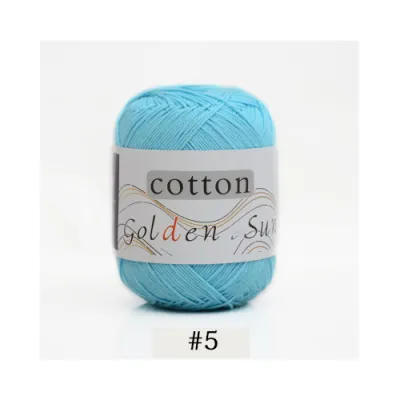
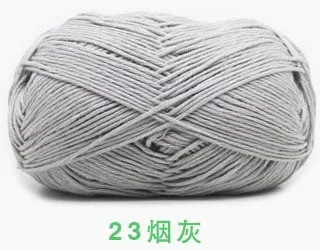
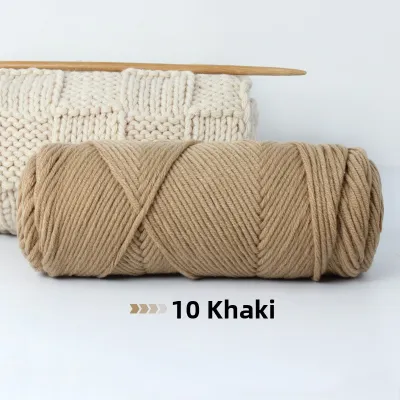
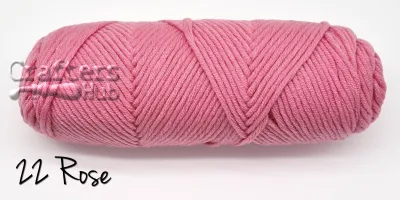
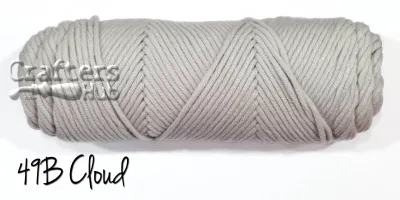
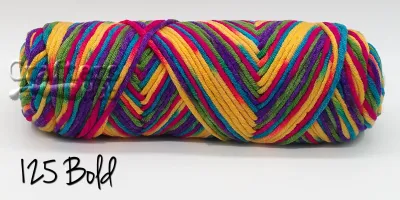
Prices are valid at publication and may change. Please refer to the product page for the latest price.
When working with this yarn, selecting the correct tools is essential to achieving the desired fabric density. For most standard projects, recommended knitting needle sizes range from 3.5mm to 4.5mm (US 4 to 7). Similarly, crochet hook sizes between 3.5mm and 4.5mm (E-4 to 7) are typically ideal. A standard knitting gauge for 8 ply yarn is approximately 22 stitches and 30 rows over a 10cm by 10cm (4-inch by 4-inch) square when worked in stocking stitch. However, because individual crafting tension varies, always work a test gauge swatch before starting your main project to verify that your stitches align with the pattern specifications.
How Cotton Fiber Behaves in Your Projects
Cotton is a natural, plant-based fiber composed primarily of cellulose, which gives it distinct physical characteristics that set it apart from animal fibers like wool or synthetic fibers like acrylic. Understanding these properties will help you anticipate how your finished project will handle, drape, and wear over time.

One of the most notable characteristics of cotton is its high breathability and superior moisture absorption. Cotton fibers naturally draw moisture away from the skin and allow air to circulate freely. This makes the material incredibly comfortable to wear in warm, humid weather, as it helps regulate body temperature rather than trapping heat.
Additionally, cotton yarn provides exceptional stitch definition. Because the fiber is smooth and lacks the fuzzy surface “halo” common in wool, every stitch you make is highly visible. This makes 8 ply cotton an excellent choice for showing off intricate stitch work, such as cables, lace, textured ribbing, and seed stitches.
However, cotton has unique structural limitations, most notably its lack of elasticity or “memory.” Unlike wool fibers, which have a natural wave-like crimp that allows them to stretch and spring back into shape, cotton fibers are relatively straight and rigid. Once cotton yarn is stretched out, it does not easily bounce back. This lack of elasticity means that cotton fabric can sag or stretch out of shape if it is subjected to heavy physical pulling or the weight of a large garment.
Furthermore, cotton is a dense, heavy fiber. This density translates into a beautiful, fluid drape that hangs close to the body, but it also means that long garments can become heavy. Crafters should also note that because cotton lacks stretch, it does not “give” as you work. This lack of elasticity can feel less forgiving on your hands and wrists during long crafting sessions, potentially leading to hand fatigue if you maintain a tight grip on your yarn and tools.
Best Knitting and Crochet Projects for 8 Ply Cotton
The medium thickness of 8 ply cotton yarn makes it incredibly versatile, serving as a sweet spot between fine lace weights and bulky yarns. It is thick enough to build fabric relatively quickly while remaining light enough for detailed designs.
Summer Wearables and Accessories
In tropical climates, lightweight wearables are a year-round necessity. 8 ply cotton yarn is highly suited for knitting or crocheting summer garments such as sleeveless tank tops, breezy short-sleeved tees, and lightweight cardigans. The breathability of the cotton fiber ensures that these garments remain cool and comfortable against the skin, while the 8 ply weight provides enough structure to maintain a clean, neat silhouette without clinging too tightly.
Beyond clothing, this yarn is ideal for crafting durable summer accessories. Reusable market bags, tote bags, and sun hats benefit greatly from the strength of cotton. A market bag crocheted with 8 ply cotton is sturdy enough to carry heavy items like groceries or books without tearing, though you should expect a mesh-patterned bag to stretch downward when fully loaded.
Home Decor and Practical Items
Cotton’s natural absorbency and durability make it the premier choice for household items that must endure frequent use and washing. 8 ply cotton is perfect for making kitchen dishcloths, hand towels, coasters, placemats, and table runners.
Unlike synthetic fibers, cotton has high heat resistance, meaning it will not melt or degrade when exposed to warm plates or hot mugs. The 8 ply thickness creates a substantial, hard-wearing fabric that can handle repeated scrubbing and machine washing. Additionally, the excellent stitch definition of cotton allows you to create beautiful textured patterns, turning simple utility items like dishcloths into elegant decorative accents for your home.
Amigurumi and Toys
For crochet enthusiasts, amigurumi (stuffed toys and dolls) is one of the most popular applications for 8 ply cotton yarn. The smooth texture of cotton ensures that the toy’s features and stitch patterns are crisp and clearly defined.
Because cotton lacks elasticity, it holds its shape exceptionally well when stuffed. When you pack toy stuffing into a cotton shell, the fabric resists stretching out of proportion, preventing the stuffing from showing through the gaps between stitches. Furthermore, cotton toys are durable, hypoallergenic, and easy to clean, making them highly practical and safe for young children who may put toys in their mouths.
When to Avoid Using 8 Ply Cotton Yarn
While 8 ply cotton yarn is incredibly versatile, its physical properties make it unsuitable for certain types of projects. Recognizing these limitations beforehand will save you time and prevent frustration.
First, avoid using 100% cotton yarn for winter garments that are intended to keep you warm. Cotton is a poor insulator; instead of trapping warm air close to your body, it allows heat to escape. Furthermore, if cotton gets wet from rain or sweat, it absorbs and retains that moisture, which can make you feel cold and damp. For cold-weather sweaters, scarves, and mittens, wool or acrylic blends are far superior choices.
Second, cotton is not suitable for highly fitted garments that require “negative ease”—meaning items that must stretch to fit tightly and then snap back into shape. Examples include fitted beanies, athletic wear, and tight socks. A pair of socks knitted from 100% cotton will quickly stretch out around the heel and ankle during a walk, leaving you with saggy, uncomfortable footwear that slips down.
Finally, avoid using cotton for very large, heavy garments, such as floor-length cardigans, heavy duster coats, or massive blankets. Because cotton is a heavy fiber that lacks elasticity, the sheer weight of a large finished piece will pull the stitches downward. Over time, the garment will grow significantly longer while becoming narrower, losing its original shape and fit under its own weight.
Tips for Crafting and Caring for Cotton Yarn
Working with cotton yarn requires a few adjustments to your technique and care routine to ensure your projects turn out beautifully and last for years.
To minimize hand strain and fatigue caused by cotton’s lack of stretch, consider your tool choices carefully. Using ergonomic crochet hooks with padded, wider handles can significantly reduce tension in your hands. For knitters, smooth wooden or bamboo needles are often preferred over metal ones; they offer a slight natural grip that helps control the slippery cotton stitches while being gentler on the joints.
You can also manipulate your fabric’s characteristics by adjusting your tool sizes:
- For amigurumi and structured toys: Go down a tool size (such as using a 3.0mm or 2.5mm hook) to create a very tight, dense fabric. This ensures that the toy remains firm and no stuffing can escape.
- For garments and shawls: Go up a tool size (such as a 4.5mm or 5.0mm needle or hook) to introduce more space between the stitches. This relaxes the dense cotton fiber, giving the finished fabric a softer, more fluid drape.
When it comes to maintenance, always check the care instructions on the yarn manufacturer’s label first, as some cotton yarns are treated differently. Generally, 100% cotton is prone to shrinkage when exposed to high heat. To preserve the size and shape of your project, wash finished items in cool or lukewarm water on a gentle cycle.
After washing, never wring or twist the wet fabric, as this can permanently distort the inelastic cotton stitches. Instead, gently press out excess water by rolling the item inside a clean towel. Wet blocking is highly recommended: lay the damp project flat on foam blocking mats, gently shape it to the correct dimensions, pin it in place, and allow it to air dry completely away from direct heat and sunlight.
Frequently Asked Questions (FAQ)
Is 8 ply yarn the same as DK weight?
Yes, in modern yarn classification systems, 8 ply is the regional equivalent to DK (Double Knitting) or Light Worsted weight yarn. You can confidently substitute 8 ply cotton yarn in any pattern that calls for DK weight yarn, provided you match the gauge specified in the pattern.
Does 8 ply cotton yarn shrink in the wash?
Yes, 100% cotton fibers are natural and can shrink when exposed to high temperatures. To prevent shrinkage, always wash your finished cotton items in cool water and lay them flat to dry. Avoid high-heat tumble drying unless the yarn label explicitly states it has been pre-shrunk or treated for machine drying.
Community discussion
Share your experience or ask a question. Comments are reviewed before publication.