
Choosing the right fiber is one of the most critical decisions you will make for your knitting projects. While wool and acrylic are often the default choices for many crafters, 100% cotton yarn offers a distinct set of physical properties that completely transform both the knitting process and the behavior of the finished item. Understanding these characteristics—such as inelasticity, weight, drape, and stitch definition—allows you to select the best projects, adjust your technique, and care for your finished handknits properly.
At its core, pure cotton is a natural cellulose fiber derived from the cotton plant, making it structurally different from animal-based protein fibers like wool. This structural difference means cotton lacks natural elasticity and warmth but excels in breathability, durability, and crispness. Whether you are planning a lightweight summer top, a structured home accessory, or a detailed toy, mastering the unique traits of this versatile fiber is key to achieving professional-looking results.
The Knitting Experience: Working with 100% Cotton
Knitting with 100% cotton yarn feels vastly different from working with animal fibers. The most immediate difference you will notice is the yarn’s complete lack of elasticity. Wool fibers have a natural crimp that acts like a tiny spring, stretching easily as you wrap the yarn around your needles and bouncing back into place afterward. Cotton fibers are straight and rigid, offering no stretch or “give” when pulled.
Products mentioned in this guide
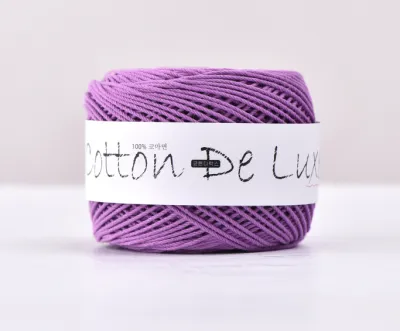
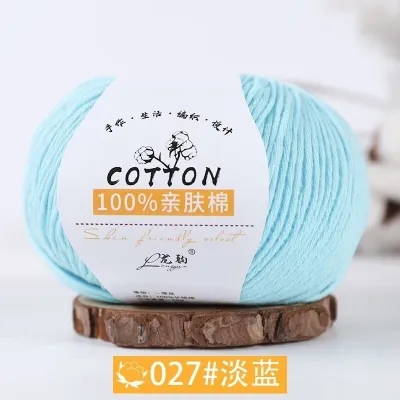
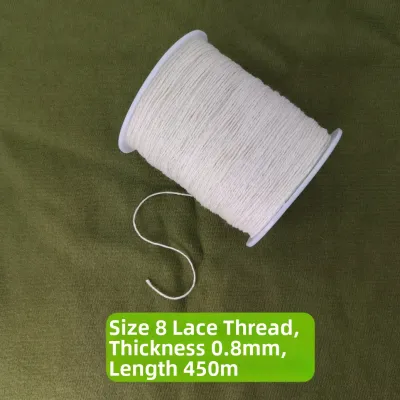
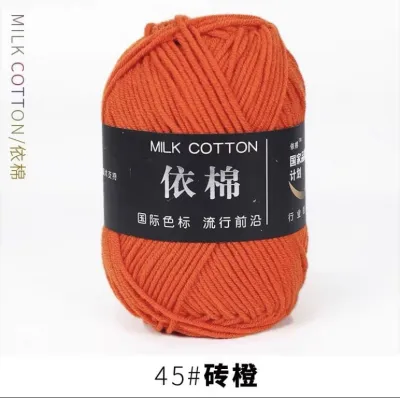
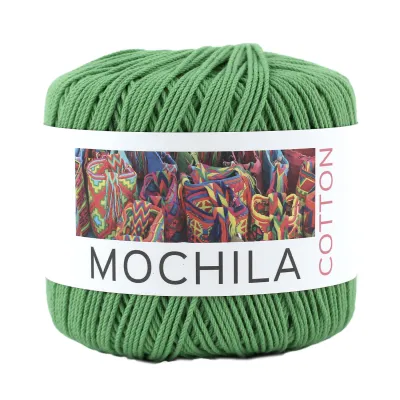
Prices are valid at publication and may change. Please refer to the product page for the latest price.
This inelasticity requires you to maintain deliberate, conscious control over your tension. Because the yarn does not stretch to absorb variations in your hand movements, any inconsistency in how tightly you hold the yarn will be immediately reflected in your stitches. Furthermore, the lack of springiness means your hands and wrists must absorb all the physical tension of the knitting motion. During long crafting sessions, this can lead to hand fatigue or joint strain. To prevent discomfort, it is wise to take regular breaks, stretch your hands, and maintain a relaxed, loose grip on your yarn.
Another factor that influences the knitting experience is the texture of the yarn itself. Cotton yarn generally falls into two categories: mercerized and unmercerized. Mercerized cotton has been treated with a sodium hydroxide solution to swell the fibers, increasing their luster, strength, and dye affinity. This process results in an incredibly smooth, shiny, and slippery yarn. If you use slick metal needles, such as polished aluminum or brass, these slippery stitches can easily slide off, leading to frustrating dropped stitches. To counter this, using wood or bamboo needles is highly recommended. The natural grain of wooden needles provides just enough friction to grip the yarn, giving you far better control.
Unmercerized cotton, on the other hand, retains its natural matte finish and can sometimes feel slightly dry or “grabby” on your needles. Regardless of the finish, cotton lacks “fiber memory.” In wool knitting, minor tension mistakes often disappear during the washing and blocking process because the elastic fibers naturally spring back and even themselves out. Cotton does not have this forgiving nature. Any uneven stitches, split plies, or tension variances will remain visible in the finished fabric, making a consistent, steady knitting rhythm essential.
Key Characteristics of Finished Cotton Projects
Once your project is off the needles, the physical properties of cotton continue to dictate how the finished item looks, feels, and behaves over time. Knowing what to expect from the final fabric helps you design and knit garments that maintain their beauty and functionality.

Drape, Weight, and Structure
Cotton is a dense, relatively heavy fiber compared to wool or acrylic. This high density gives finished cotton fabric a fluid, elegant, and substantial drape. Garments made from cotton flow beautifully around the body, making them exceptionally flattering for loose-fitting tops, shawls, and summer dresses. However, this weight is a double-edged sword. Because cotton lacks elasticity and structural memory, finished garments are highly prone to “growing” or stretching downward under their own weight over time.
This tendency to stretch means that a cotton sweater that fits perfectly immediately after blocking may become several centimeters longer and narrower after a few hours of wear. To prevent this, it is crucial to knit a generous swatch, wash and dry it according to your project plans, and then hang the swatch with a small weight attached to measure how much it will stretch before you calculate your final pattern measurements.
Additionally, cotton’s lack of structural memory makes it poorly suited for traditional ribbed details. Ribbed cuffs, necklines, and waistbands rely on the fiber’s ability to snap back into shape to grip the body. In a 100% cotton garment, these ribbed sections will quickly flare out, sag, and lose their shape. If your pattern requires snug ribbing, you will need to reinforce the edges by carrying a thin, matching elastic thread along with your yarn, or choose a cotton-blend yarn that incorporates elastic fibers.
Stitch Definition and Texture
One of the most celebrated properties of 100% cotton yarn is its exceptional stitch definition. Unlike wool, mohair, or alpaca, which feature a fuzzy surface halo that softens the edges of your stitches, cotton fibers lie flat and smooth. This lack of fuzz results in incredibly crisp, clean, and graphic stitch lines. Every single loop, twist, and texture stands out in sharp relief against the surrounding fabric.
This property makes cotton the ultimate choice for showcasing intricate stitch patterns. Cable knits, delicate lace, mock crochet, and textured knit-and-purl designs like seed stitch or waffle stitch look remarkably defined and polished when worked in cotton. Colorwork patterns, such as intarsia or mosaic knitting, also benefit from this clarity, as the boundaries between different colored yarns remain perfectly sharp without bleeding into one another. However, this extreme clarity is a double-edged sword; because there is no fuzzy halo to blur the lines, any uneven tension, split yarns, or minor mistakes will be highly visible to the naked eye.
Absorbency, Breathability, and Comfort
Cotton is highly prized for its exceptional breathability and cooling properties. The physical structure of cotton fibers allows air to circulate freely through the fabric, preventing body heat from becoming trapped against your skin. This makes 100% cotton garments incredibly comfortable to wear in warm, humid tropical climates like Singapore, where heavy animal fibers are completely impractical.
However, it is important to distinguish between absorbency and moisture-wicking. Cotton is highly hydrophilic, meaning it readily absorbs water and perspiration. In fact, cotton can absorb up to 27 times its weight in water. But unlike wool or synthetic performance fibers, cotton does not wick moisture away from the skin to evaporate quickly. Instead, it holds onto the moisture. If you sweat heavily or get caught in a rain shower, a 100% cotton garment will become heavy, saggy, and damp, drying very slowly and feeling cold and clammy against your skin. For high-intensity activities or wet conditions, this slow-drying nature is a critical trade-off to keep in mind.
Choosing the Right Project: Where Cotton Shines and Falls Short
To ensure you are happy with your finished project, you must match the physical properties of 100% cotton yarn to the appropriate type of pattern. Some projects are perfectly suited to cotton’s strengths, while others will highlight its limitations.
- Ideal Projects: Cotton is the premier choice for warm-weather garments, such as lightweight summer tees, tank tops, camisoles, and open-work lace cardigans. Its durability, heat resistance, and high absorbency also make it perfect for functional home accessories like dishcloths, hand towels, pot holders, and coasters, which must withstand frequent washing and exposure to heat. Tightly knit cotton is excellent for reusable market bags, as its low stretch under tension ensures the bag holds its shape when loaded with groceries. Additionally, cotton is highly favored for baby blankets, clothing, and toys because it is soft, hypoallergenic, and easy to sanitize. For amigurumi (crocheted or tightly knitted toys), 100% cotton is the gold standard; its firm, inelastic structure holds stuffing securely without stretching out and showing the fiberfill inside, while its stitch clarity makes facial details pop.
- Projects to Avoid or Modify: You should generally avoid using 100% cotton yarn for heavy winter outerwear, such as thick sweaters, cardigans, or long coats. The sheer weight of a large cotton garment will cause it to sag dramatically, ruining the fit. Furthermore, cotton lacks the insulating air pockets found in wool, meaning it provides very little warmth in cold weather. Snug, form-fitting accessories like winter hats, beanies, mittens, and socks should also not be made from pure cotton. Without natural elasticity, a cotton sock will quickly stretch out, slip down, and bunch up uncomfortably inside your shoe.
- Alternatives: If you love the softness and breathability of cotton but your project requires more elasticity, warmth, or structural integrity, consider using a cotton blend. A cotton-wool blend combines the cool comfort of cotton with the elastic memory and insulating warmth of wool, making it excellent for transitional autumn garments. A cotton-acrylic blend significantly reduces the overall weight of the yarn, making large sweaters far less prone to sagging while adding a soft bounce and making the garment easier to machine-wash.
Care, Washing, and Maintaining Cotton Knits
Proper aftercare is essential to preserve the shape, color, and longevity of your hand-knitted cotton items. Because cotton is a natural plant fiber, it behaves differently under heat and moisture than synthetic or animal fibers. Before washing any finished item, always check the care instructions provided on your specific yarn’s label, as manufacturing processes and dyes can vary.
When washing 100% cotton knits, keep in mind that cotton is prone to shrinkage, especially when exposed to hot water and high-friction agitation. To keep your items looking their best, wash them in cool or lukewarm water. You can use a gentle cycle on your washing machine, but hand washing in a clean basin is the safest method to prevent friction damage. Use a mild, pH-neutral detergent, and avoid harsh bleaches or fabric softeners, which can coat and weaken the natural cellulose fibers over time. If you are working with vibrant or highly contrasting colors, always perform a small swatch test beforehand to check for color bleeding.
How you dry your cotton knits is just as important as how you wash them. Never hang a wet cotton garment on a clothesline or a hanger. Because cotton absorbs a massive amount of water, a wet garment is incredibly heavy. Hanging it will allow gravity to pull the water downward, permanently stretching the stitches and distorting the entire shape of the garment. Instead, gently press out excess water by rolling the item in a clean, dry towel (never wring or twist the fabric). Once the excess moisture is removed, lay the garment completely flat on a mesh drying rack or a dry towel, reshaping it gently to its original dimensions, and let it air dry away from direct, intense sunlight.
Finally, proper storage will prevent your cotton garments from losing their shape over time. Never store cotton sweaters, cardigans, or tops on hangers, as this will cause unsightly “shoulder bumps” and cause the garment to stretch lengthwise in your wardrobe. Instead, fold your cotton knits neatly and store them flat in a drawer or on a shelf. To protect your natural fibers from dust and pests, store them in breathable cotton bags or clean containers.
Frequently Asked Questions (FAQ)
Is 100% cotton yarn good for beginners?
While 100% cotton yarn is highly appealing due to its affordability, wide availability, and vibrant color selection, it presents unique challenges that can make it frustrating for absolute beginners. The primary hurdle is its complete lack of elasticity. Novice knitters often struggle to maintain consistent tension, and elastic fibers like wool or acrylic are highly forgiving—they stretch slightly to absorb tension variations and bounce back to hide uneven stitches. Cotton offers no such cushion, meaning every tight or loose stitch is immediately visible in the finished fabric.
Additionally, the inelasticity of cotton can make it harder to slide stitches along your needles, which can lead to hand and wrist strain if you tend to hold your yarn too tightly. For those just starting out, it is often more rewarding to begin with a highly forgiving, slightly elastic yarn, such as a wool-acrylic blend or a medium-weight acrylic yarn. Once you have developed muscle memory, a comfortable grip, and a consistent tension rhythm, transitioning to 100% cotton will be a much smoother and more enjoyable experience.

Community discussion
Share your experience or ask a question. Comments are reviewed before publication.