
Hemming tape is a highly efficient, threadless alternative for finishing raw edges, but its success depends entirely on matching the tape’s material composition to the fabric’s weight and heat tolerance. The three primary types—fusible web (iron-on), sew-in, and double-sided pressure-sensitive adhesive—each interact differently with textile fibers. Matching them correctly prevents issues like fabric scorching, adhesive bleed-through, or premature bond failure during washing.
To choose the right tape, you must evaluate the fabric’s fiber content, its reaction to heat, and whether the hem needs to be permanent or temporary. This guide details how these materials behave and provides a practical framework for selecting the ideal match for your sewing or repair project.
Fusible Web (Iron-On) Hemming Tape: Best for Heat-Tolerant Fabrics
Fusible web hemming tape is made of polyamide, polyester, or copolyester hot-melt adhesives. These materials are manufactured as a light, web-like mesh or backed with a protective paper strip. When heat and steam are applied with an iron, the polymer melts, flows into the fabric fibers, and solidifies as it cools to form a strong, permanent bond.
Products mentioned in this guide
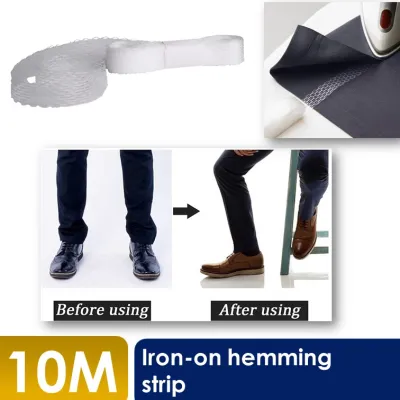
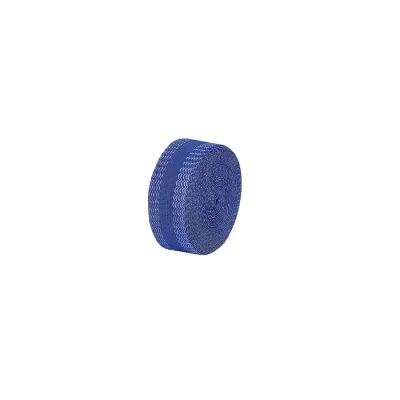
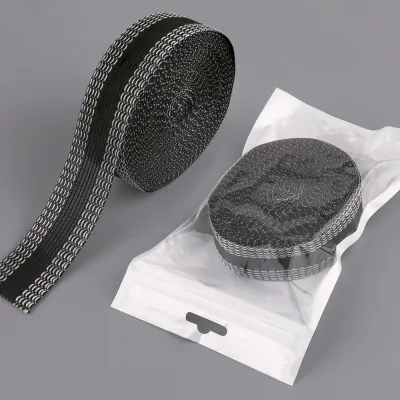
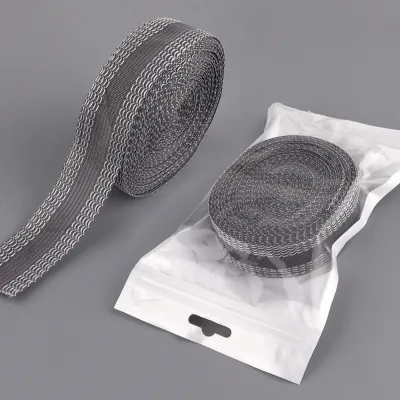
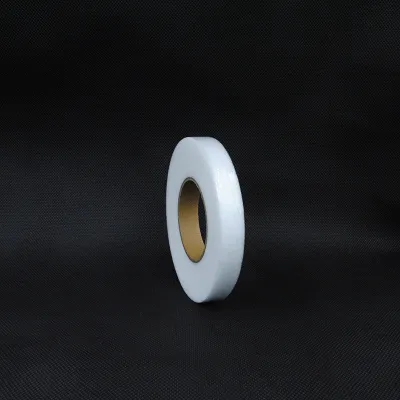
Prices are valid at publication and may change. Please refer to the product page for the latest price.
This tape is excellent for sturdy, heat-tolerant natural and synthetic fibers. Ideal matches include medium-to-heavyweight cotton, denim, linen, canvas, wool, and robust polyester blends. These fabrics can easily withstand the high temperatures and pressure required to fully activate the adhesive without scorching or melting.
Avoid using fusible web on highly heat-sensitive synthetics like acrylic, delicate sheers like chiffon, or fabrics with water-repellent, stain-resistant, or wax coatings. The heat required can melt synthetic fibers, while specialized coatings can block the adhesive from penetrating the weave, leading to immediate peeling.
Always check the garment’s care label to confirm the maximum safe ironing temperature before application. Cut a small strip of tape and test it on a hidden seam allowance or a fabric scrap first. Check for adhesive bleed-through on the right side of the fabric and verify that the bond remains secure once the fabric has cooled completely.
Sew-In Hemming Tape: Best for Delicate and Heat-Sensitive Fabrics
Sew-in hemming tape consists of non-adhesive, woven or non-woven strips made from lightweight cotton, polyester, or nylon. These tapes do not rely on chemical adhesives or heat to bond. Instead, they are stitched directly onto the raw edge of the fabric to stabilize the hem, prevent fraying, and provide a clean edge for hand or machine stitching.

This type is perfect for delicate, sheer, or highly heat-sensitive fabrics such as chiffon, silk, rayon, satin, organza, and fine synthetics. Because these fabrics are prone to scorching, melting, or showing adhesive stains, a sew-in tape provides structure without the risks associated with heat-activated glues.
Using a sew-in tape preserves the natural drape, fluidity, and softness of lightweight fabrics. It avoids the stiffening effect that often occurs with fusible webs, ensuring the hem moves naturally with the body. Additionally, it eliminates the risk of adhesive bleeding through thin weaves, which can ruin the appearance of sheer garments.
Verify that the width of the sew-in tape fits comfortably within your planned seam allowance without extending past the hemline. It is also critical to check that the tape material has similar shrinkage properties to the main fabric. Pre-washing both the fabric and the tape prevents puckering along the hemline after future wash cycles.
Double-Sided Adhesive Hemming Tape: Best for Quick Fixes and Specialty Materials
Double-sided adhesive hemming tape features a thin carrier strip coated on both sides with pressure-sensitive acrylic or rubber-based adhesives. Unlike fusible webs, these tapes do not require heat, steam, or moisture to bond. They rely entirely on firm physical pressure to adhere to the surface of the fibers.
This tape is best suited for specialty materials that cannot tolerate heat or needle punctures, such as genuine leather, vinyl, faux fur, suede, and highly structured synthetic materials. It is also highly effective for temporary adjustments on standard garments, such as quickly shortening trousers or securing a slipping neckline before an event.
These pressure-sensitive adhesives are generally not designed for permanent wear or frequent laundering. Exposure to high-heat drying, warm water, or heavy friction will cause the adhesive to degrade, slip, or leave a sticky residue. They are best reserved for dry-clean-only garments, costumes, or emergency repairs.
Discontinue use and remove the tape immediately if you observe the adhesive leaving a dark residue, causing the fabric to stiffen unnaturally, or failing to hold under normal movement. For delicate or light-colored fabrics, test a small piece first to ensure the adhesive does not stain or pull away the surface fibers when removed.
How to Match Hemming Tape to Your Fabric: A Decision Checklist
Before purchasing or applying any hemming tape, cross-reference the garment’s care label with the tape manufacturer’s specifications. Ensure the fabric’s maximum ironing temperature matches the activation temperature of the fusible tape, and verify that the tape’s washing limits align with how you plan to clean the finished item.
Evaluate the longevity requirements of your project. For everyday garments that undergo regular machine washing, prioritize permanent fusible webs or sew-in tapes. For temporary alterations, theatrical costumes, or delicate dry-clean-only items, pressure-sensitive double-sided adhesive tapes offer a safer, reversible solution.
Always perform a physical test on a scrap piece of fabric. Fold the hem with the tape inside and observe how it hangs. If the hem feels excessively stiff, creates visible ridges on the right side, or alters the natural flow of the garment, switch to a lighter weight tape or a sew-in alternative.
| Hemming Tape Type | Material Composition | Best Fabric Matches | Project Longevity | Care Method |
|---|---|---|---|---|
| Fusible Web (Iron-On) | Polyamide / Polyester hot-melt | Cotton, denim, wool, heavy synthetics | Permanent | Machine wash (cool/warm), air dry preferred |
| Sew-In Tape | Cotton, polyester, or nylon weave | Chiffon, silk, rayon, delicate sheers | Permanent | Follow main fabric care instructions |
| Double-Sided Adhesive | Pressure-sensitive acrylic/rubber | Leather, vinyl, suede, temporary fixes | Temporary / Short-term | Dry clean or spot clean only; remove before washing |
Frequently Asked Questions (FAQ)
Can garments with fusible hemming tape be machine washed?
Yes, many garments hemmed with high-quality fusible tape can be machine washed, but this depends heavily on the tape manufacturer’s specific instructions. Generally, you should use cool or warm water cycles and avoid high-heat dryer settings, as excessive heat can reactivate the hot-melt adhesive and cause the hem to separate. To ensure durability, always wash the garment inside out and inspect the bond line after the first few cycles to verify that the edges remain securely fused.
How do I remove hemming tape residue from fabric?
Removing residue requires identifying the type of tape used. For fusible web residue, place a scrap piece of clean cotton fabric over the affected area and apply a warm iron; the heat should reactivate the adhesive, allowing it to transfer onto the scrap fabric. For pressure-sensitive double-sided tape, test a mild adhesive remover or rubbing alcohol on a hidden seam first to ensure it does not discolor the fabric, then gently blot the residue with a clean cloth. Always check the fabric’s care label before applying heat or solvents to prevent permanent fiber damage.
Community discussion
Share your experience or ask a question. Comments are reviewed before publication.