
Choosing the right fabric for sewing requires a clear understanding of how fiber origin dictates a material’s behavior under the needle and its final appearance on the body. Fabric is broadly categorized into natural fibers, which are harvested from plant or animal sources, and synthetic or semi-synthetic fibers, which are manufactured through chemical processes. Each category possesses distinct structural characteristics that directly influence how easily the material can be cut, stitched, pressed, and worn.
Natural fibers are inherently porous, offering excellent breathability and comfort against the skin, though they are often prone to wrinkling and shrinkage. Synthetic fibers are engineered for high durability, structural stability, and wrinkle resistance, but they can be challenging to press and may trap heat. Semi-synthetic fibers bridge these categories, combining the fluid drape of manufactured materials with the breathability of natural plant cellulose. Understanding these fundamental differences allows you to select the ideal material for your specific project, sewing machine setup, and wear requirements.
Before purchasing any material, checking the fabric composition and manufacturer care label is a mandatory first step. The fiber content dictates not only the appropriate sewing machine needle size and thread type but also the necessary laundering and pressing temperatures. Ignoring these specifications can lead to ruined materials, broken needles, or garments that shrink drastically after the first wash.
Products mentioned in this guide
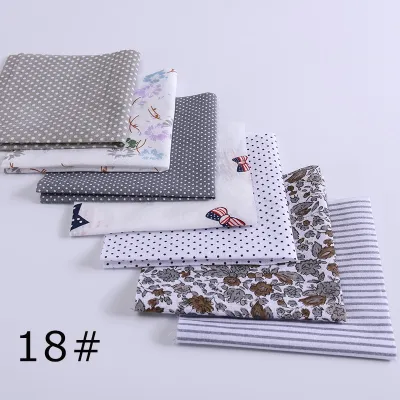
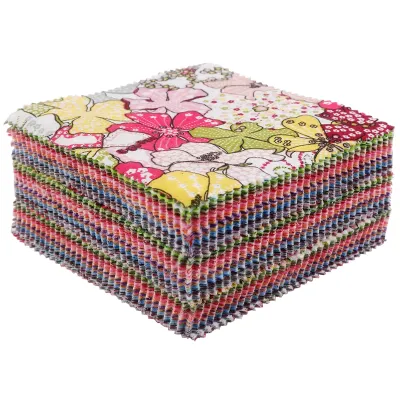
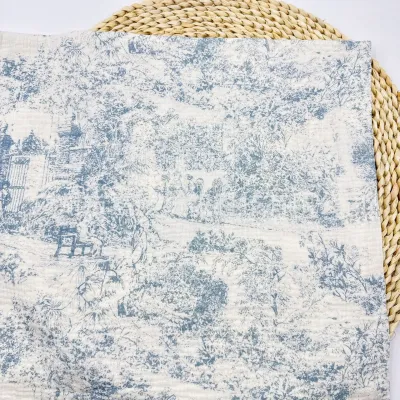
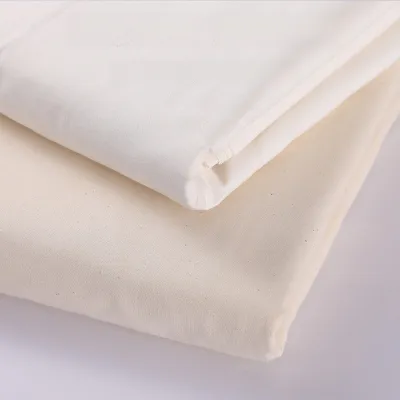
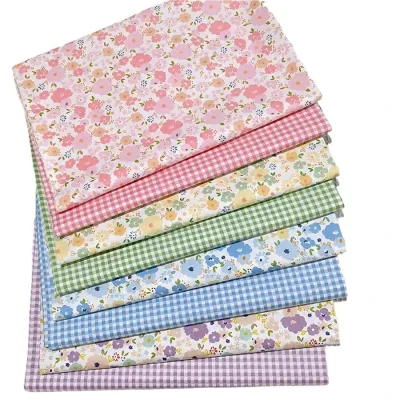
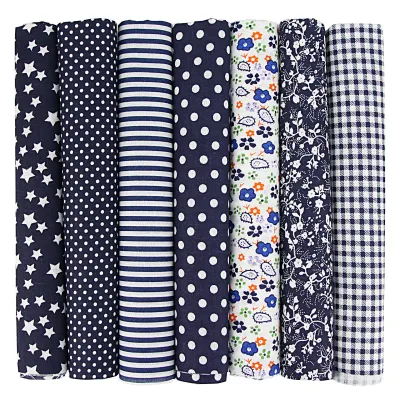
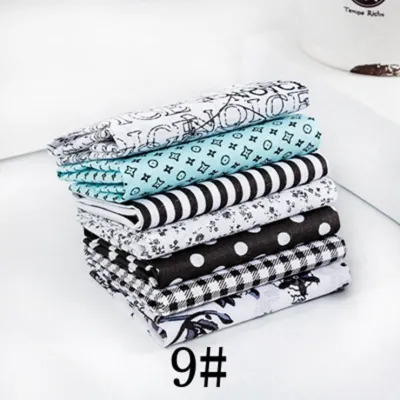
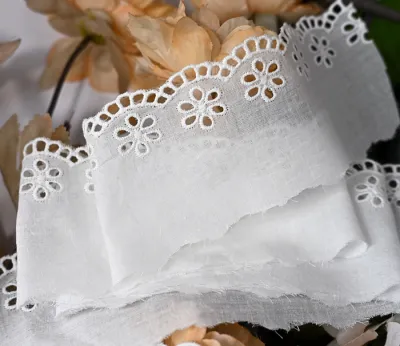
Prices are valid at publication and may change. Please refer to the product page for the latest price.
Natural Fabrics: Handling Traits and Final Finish
Natural fabrics are celebrated for their organic textures, breathability, and classic aesthetic finishes. Because these fibers are grown rather than chemically extruded, they possess natural irregularities that give them character, but they also require specific handling techniques during construction. Working with natural fibers requires attention to grainlines, shrinkage potential, and appropriate pressing techniques to preserve their structure.
Plant-Based Fibers (Cotton, Linen)
Plant-based cellulose fibers like cotton and linen are highly stable, making them the most forgiving materials for sewing. Cotton fabric is generally slip-resistant, lies flat on the cutting table, and holds a crease exceptionally well when pressed. This structural stability makes it easy to maintain accurate seam allowances and prevents the fabric from shifting under the sewing machine presser foot. The final finish of cotton is typically matte and structured, though lightweight variations like cotton lawn or voile offer a softer, more delicate drape.
Linen presents a slightly different set of handling characteristics due to its looser, more textured weave. While it is highly stable during cutting and stitching, linen has a strong tendency to fray along raw edges almost immediately after cutting. It delivers a crisp, architectural drape initially, but wrinkles easily during wear, eventually softening and becoming more pliable with successive washes.
When preparing plant-based fabrics, verifying dimensions and accounting for shrinkage is critical. Cellulose fibers can shrink by up to ten percent upon their first exposure to water and heat. Always check the manufacturer’s care instructions and pre-wash the fabric using the same temperature settings you plan to use for the finished item. To ensure precise pattern layout, verify that the fabric width—typically standard bolts of 110 centimeters or 140 centimeters—accommodates your pattern pieces after pre-washing has occurred.
Animal-Based Fibers (Silk, Wool)
Animal-based protein fibers like silk and wool offer luxurious finishes but demand specialized handling and tool adjustments. Silk is renowned for its highly lustrous finish, lightweight feel, and fluid drape, but its slippery nature makes it challenging to control. During cutting, silk easily slides off the grainline, requiring the use of fine pattern weights and sharp shears or a rotary cutter to maintain accuracy.
To prevent permanent damage when sewing silk, you must adjust your machine’s needle tip and pinning methods. Standard universal needles can snag or pull the delicate threads of silk, leaving visible runs in the weave. Instead, use ultra-fine microtex or sharp needles (typically size 60/8 or 70/10) and fine silk pins, placing pins strictly within the seam allowance to avoid leaving permanent puncture holes in the finished garment.
Wool offers a contrasting experience, featuring a highly forgiving, resilient structure that is exceptionally easy to press and shape. Wool fibers possess natural elasticity, allowing the fabric to ease into curved seams, sleeves, and collars with minimal puckering. The final finish of wool ranges from structured, dense coatings to soft, lightweight tropical worsteds that drape elegantly.
Because of their delicate protein structures, animal-based fabrics require strict adherence to product tag instructions. Many wools and silks are dry-clean-only or require careful hand-washing and flat-blocking to prevent felting or fiber distortion. Always verify these care requirements before purchasing, as improper laundering can permanently ruin the texture and shape of the material.
Synthetic and Semi-Synthetic Fabrics: Handling Traits and Final Finish
Man-made fibers offer unique performance advantages, such as exceptional strength, wrinkle resistance, and moisture control. However, their chemical formulations introduce distinct handling quirks, particularly regarding heat sensitivity, slipperiness, and needle deflection. Success with these fabrics depends on matching your sewing tools to the specific properties of the synthetic weave.

Fully Synthetic (Polyester, Nylon)
Fully synthetic fibers like polyester and nylon are created from petrochemicals, resulting in highly durable, resilient threads that resist wrinkling and retain their shape over time. Polyester fabrics are highly stable in terms of shrinkage and colorfastness, making them incredibly long-lasting. The final finish can range from high-shine synthetic satins to sheer, delicate chiffons, providing diverse aesthetic options for formalwear and activewear.
Despite their durability, slippery synthetic weaves like polyester chiffon or satin can be notoriously difficult to handle. They tend to shift constantly during cutting and can easily slip out of alignment under the presser foot, leading to uneven seams. Additionally, because synthetic fibers are essentially plastic, they are highly sensitive to heat. Pressing these fabrics with a hot iron can glaze, scorch, or completely melt the fibers; always use a low heat setting and a protective pressing cloth to safeguard the material.
To prevent skipped stitches and puckered seams when sewing synthetics, you must match your needle and thread to the fabric type. Synthetic fibers can quickly dull standard needles, leading to fabric damage. Use a brand-new ballpoint needle for synthetic knits or a sharp microtex needle for tightly woven synthetics, paired with high-quality polyester thread. Polyester thread is essential here because it possesses the necessary elasticity and strength to match the synthetic fibers without snapping under tension.
Semi-Synthetic (Rayon, Viscose)
Semi-synthetic fabrics like rayon, viscose, modal, and lyocell occupy a unique space in the textile world. They are manufactured by chemically processing natural wood pulp, resulting in a material that combines the high breathability and moisture absorption of natural plant fibers with the ultra-smooth, fluid drape of synthetics. Rayon delivers an exceptionally soft, silky finish that feels cool against the skin, making it highly desirable for lightweight garments.
However, rayon’s fluid drape makes it one of the most challenging fabrics to handle on the cutting table. It is highly shifty, prone to stretching out of shape along bias cuts, and frays easily along raw edges. When cutting rayon, it is best to pin the fabric to tissue paper or use a rotary cutter on a cutting mat to prevent the grainline from distorting.
Rayon also exhibits unpredictable shrinkage behavior and loses a significant amount of its structural strength when wet. It can shrink dramatically—sometimes up to fifteen percent—if washed in hot water or dried in a machine. To prevent your finished garment from warping or shrinking out of fit, you must pre-wash rayon strictly according to the manufacturer’s specifications, using gentle cycles and air-drying methods.
Matching Fabric Types to Your Sewing Project and Skill Level
Selecting the right fabric requires balancing your personal sewing experience with the technical demands of your pattern and the environment in which the finished item will be used. Aligning these factors ensures a satisfying construction process and a highly functional finished product.
For beginners, stable, medium-weight woven fabrics are highly recommended. Cotton poplin, quilting cotton, and stable linen blends are ideal because they do not slip, are easy to mark, and hold their shape under the needle. These materials allow you to focus on mastering fundamental skills, such as maintaining consistent seam allowances, sewing straight lines, and executing clean corners, without the added frustration of managing a shifting fabric.
As your skills progress, you can confidently transition to more challenging materials. Intermediate sewists might explore stable knits, lightweight cotton lawn, or structured wools, while advanced sewists can tackle highly fluid synthetics, delicate silks, and heavy, multi-layered outerwear fabrics. Choosing a fabric that is too advanced for your current skill level can lead to uneven seams, stretched necklines, and overall project frustration.
Your geographic climate should also play a decisive role in your fabric selection, especially for wearable garments. In hot, humid climates like Singapore, where humidity levels frequently exceed 80 percent, breathability and moisture management are paramount. Lightweight natural fibers such as cotton lawn, linen, and breathable semi-synthetics like rayon or viscose are ideal for daily wear because they allow body heat to escape and absorb moisture effectively. Conversely, tightly woven, fully synthetic polyester fabrics can trap heat and sweat, making them uncomfortable for outdoor wear unless they are specifically engineered as lightweight, moisture-wicking athletic knits.
Before purchasing, always verify the fabric’s technical specifications against your sewing pattern’s requirements. Pay close attention to the fabric weight, usually measured in grams per square meter (GSM), to ensure the material has the appropriate substance for the design. Additionally, check the required stretch percentage for knit patterns; using a fabric with insufficient stretch will result in a garment that is impossible to put on or highly uncomfortable to wear.
Essential Preparation and Handling Steps Before You Cut
Proper fabric preparation is the foundation of successful sewing, preventing frustrating errors such as warped seams, uneven hems, or post-wash shrinkage. Taking the time to prepare your material before bringing shears or blades to the fabric ensures that your pattern pieces are cut accurately on the grain.
First, always pre-wash or steam-press your fabric according to the care label instructions to pre-shrink the fibers. Skip this step, and your finished garment may warp or shrink unevenly after its first laundering. Once washed, press the fabric thoroughly to remove all wrinkles and creases, as cutting wrinkled fabric will result in inaccurate pattern pieces.
When working with slippery, delicate, or highly fraying fabrics, traditional sewing shears can lift the material off the table, causing the layers to shift and distort. Instead, lay the fabric flat on a self-healing cutting mat and use pattern weights paired with a sharp rotary cutter. This method keeps the fabric completely flat, ensuring that your cut lines precisely match the pattern pieces.
Because sewing tools interact differently with various fiber structures, always perform an observable trial on a fabric scrap before sewing your final project. Use this scrap to test the smoothness of your machine’s feed, check for needle deflection, and adjust your stitch length and tension. If you are using marking pens or tailor’s chalk, test them on the scrap first to verify their smoothness, check for ink bleeding, and ensure the marks can be completely erased or washed away without leaving stains.
Finally, prioritize safety and material care throughout the preparation and construction process. When using rotary cutters, always cut away from your body, keep your free hand clear of the blade’s path, and engage the safety guard immediately after every cut. For garments that involve prolonged body contact, washing the fabric beforehand is also essential to remove any manufacturing chemicals, sizing agents, or excess dyes that could cause skin irritation.
Frequently Asked Questions (FAQ)
Does synthetic fabric fray more than natural fabric?
Fraying is primarily determined by the fabric’s weave structure rather than its fiber content. Loose weaves, whether made of natural linen or synthetic polyester, will fray significantly more than tightly woven or knit structures. Some fully synthetic fabrics can be carefully heat-sealed along the edges using a hot tool to prevent fraying, but this technique must only be performed if the manufacturer’s material composition allows it, and it should always be conducted in a well-ventilated area to avoid inhaling synthetic fumes.
How do I test a fabric's drape and handling before buying?
When shopping in a physical retail store, you can evaluate a fabric’s drape by unrolling a meter of the material from the bolt and letting it fall over your hand or arm. Observe whether it hangs in soft, fluid folds (indicating a supple drape suitable for dresses) or holds a rigid, crisp shape (indicating a structured drape ideal for jackets). For online purchases, carefully review the fabric’s weight in grams per square meter (GSM) and its exact fiber composition. Many online retailers also provide video demonstrations of the fabric in motion or detailed descriptions of its drape to help you gauge its handling characteristics before making a purchase.
Community discussion
Share your experience or ask a question. Comments are reviewed before publication.