
Embroidery is a deeply satisfying craft that transforms plain fabric into textured, colorful art. However, walking into a craft shop or browsing an online marketplace can quickly become overwhelming when faced with rows of different threads. Choosing the wrong thread for your project can lead to tangling, fabric puckering, or uneven stitches, which can frustrate anyone trying to learn.
Quick Answer: Why Stranded Cotton Is Best for Beginners
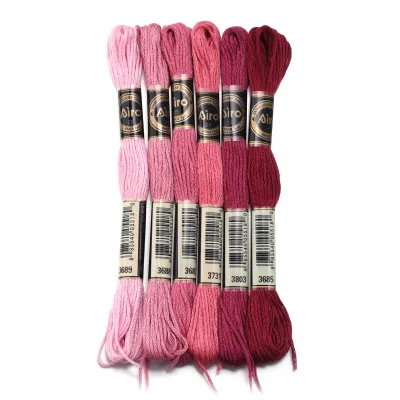
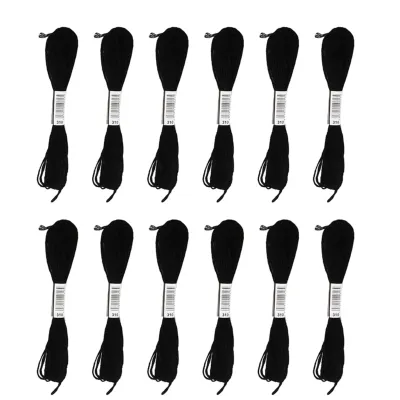
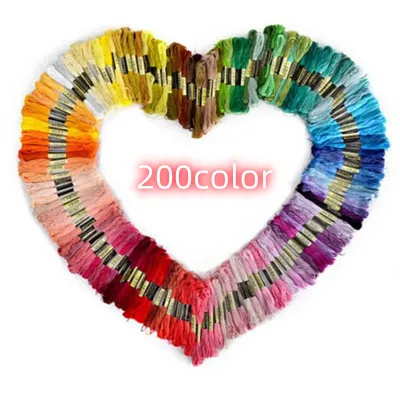
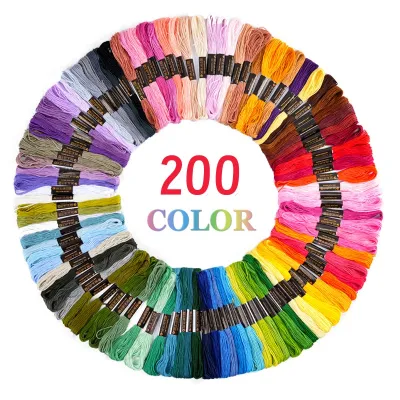
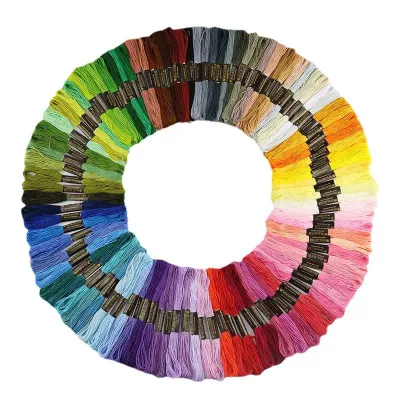
If you are just starting your embroidery journey, the absolute best choice is six-strand stranded cotton, commonly known as embroidery floss. This thread is the undisputed standard for hand embroidery across the globe, and for good reason. It is highly versatile, budget-friendly (typically costing around S$1.20 to S$2.00 per skein in Singapore), and widely available in almost every craft store.
The matte finish of stranded cotton is incredibly forgiving. Unlike shiny synthetic threads, it absorbs light in a way that naturally hides minor inconsistencies in stitch length and tension—two very common challenges for beginners.
Products mentioned in this guide
Prices are valid at publication and may change. Please refer to the product page for the latest price.
The most significant advantage of stranded cotton is its divisible nature. Although it looks like a single thread, it is actually composed of six separate, lightly twisted strands. This allows you to easily customize the thickness of your stitches. You can pull apart the strands to use a single thread for delicate, hair-like details, or use all six strands together for bold, chunky outlines. This structural flexibility means you can practice a wide variety of stitch techniques and textures without needing to purchase multiple different thread weights.
A Guide to the Main Types of Embroidery Thread
While stranded cotton is the beginner favorite, understanding the wider landscape of embroidery threads will help you make informed decisions as your skills grow. Threads vary significantly in their fiber composition, twisting methods, and visual finishes, all of which affect how they behave on fabric.

Stranded Cotton (Embroidery Floss)
Stranded cotton is typically made from 100% long-staple cotton fibers. The long fibers ensure that the thread remains smooth and resistant to pilling or fraying as it is pulled through fabric. During manufacturing, most high-quality commercial brands undergo a process called mercerization. This involves treating the cotton thread with a mild chemical solution to swell the fibers, which increases their strength, gives them a soft luster, and allows them to absorb dyes more deeply for vibrant, long-lasting color.
When using stranded cotton, you will notice its soft, pliable texture. It lies flat against the fabric, making it the perfect choice for filling techniques like satin stitch or long-and-short stitch, as well as classic cross-stitch and counted thread work. Always check the manufacturer’s label for care instructions before washing your finished work. While premium brands are generally colorfast, some deep red or blue dyes can still bleed when wet, so verifying the care guidelines is essential.
Pearl Cotton (Perle Cotton)
Unlike stranded cotton, pearl cotton is a non-divisible thread. It consists of two tightly twisted strands that are spun together to create a single, solid thread with a distinct rope-like appearance. It gets its name from its beautiful, pearl-like sheen, which is achieved through a heavy mercerization process. Because you cannot separate the strands, you must purchase pearl cotton in the specific thickness required for your project.
Pearl cotton is categorized by numerical sizes, which can be confusing at first because the numbering system is inverted: the larger the number, the thinner the thread. For example, size 3 is very thick and resembles thin yarn, size 5 is medium-thick and highly popular for visible mending, size 8 is standard for decorative borders, and size 12 is very fine.
Because pearl cotton does not split or fray easily, it is incredibly easy to handle. It is ideal for creating highly defined, raised textures, such as French knots, bullion knots, and decorative borders. It is also the traditional choice for sashiko, Hardanger, and Brazilian embroidery, where a clean, sculptural line is desired.
Rayon and Polyester Threads
Synthetic threads, primarily made of rayon or polyester, are known for their intense, high-gloss finish and vibrant color reflection. They catch the light beautifully, making them popular for adding dramatic highlights to a piece.
However, these synthetic fibers present unique challenges for hand embroidery. Rayon and polyester threads are incredibly smooth and slippery. They have a natural “springiness” that causes them to untwist and slip out of the needle eye easily. Maintaining consistent stitch tension with these threads requires a practiced hand, as they tend to loop or bunch up on the back of the fabric.
While these threads are the industry standard for machine embroidery due to their high tensile strength, beginners should approach them with caution for hand stitching. If you want to use them for a specific high-shine effect, keep your thread lengths short and consider running the thread through a dedicated thread conditioner to tame the slippery fibers and reduce static.
Specialty Threads (Metallic, Wool, Silk)
As you browse embroidery supplies, you will inevitably encounter specialty threads that promise unique visual effects:
- Wool Threads: Often referred to as crewel or tapestry wool, these threads are thick, fuzzy, and completely matte. They are excellent for creating warm, dense textures in crewel embroidery and canvas work, but they require heavy, open-weave fabrics to prevent the wool from shredding.
- Silk Threads: Made from natural silk fibers, these threads offer an unmatched, elegant luster and are incredibly strong. They are highly prized for fine needle painting and heirloom pieces, but they are expensive and can easily snag on rough skin or dry hands.
- Metallic Threads: These consist of a synthetic core wrapped in a thin, glittering metallic foil. They add brilliant sparkle to holiday designs and celestial patterns.
For beginners, it is highly recommended to temporarily avoid these specialty materials. Metallic threads are notoriously stiff, abrasive, and prone to splitting, fraying, and tangling. Wool requires specialized needles and heavy fabrics, while silk requires delicate handling and a higher budget. Master your basic stitch tension, needle threading, and thread control with standard cotton first before moving on to these advanced materials.
How to Match Embroidery Thread to Your Fabric and Project
A successful embroidery project relies on a harmonious match between your thread and your background fabric. The fundamental rule of thread-to-fabric matching is straightforward: the thread should not distort the fabric weave, and the fabric should not shred the thread.
If you use a thread that is too thick for a tightly woven fabric, you will struggle to pull the needle through, which can distort the fabric fibers and leave unsightly, permanent holes. Conversely, if you use a thread that is too thin on a heavy, open-weave fabric, the stitches will look sparse, loose, and lost in the weave.
For lightweight, tightly woven fabrics like quilting cotton, calico, or fine linen, stick to finer threads. This means using one to three strands of stranded cotton, or a fine size 12 pearl cotton. For medium to heavyweight fabrics like denim, canvas, or Aida cloth, you can confidently use four to six strands of stranded cotton, or thicker pearl cotton sizes like size 5 or 3.
Before starting any project, always check the manufacturer’s label or product packaging for care instructions. If your finished piece will be washed (such as on a piece of clothing), ensure that both the fabric and the thread are machine-washable and colorfast. If the instructions conflict—for example, if your thread is dry-clean only but your fabric is machine-washable—you should select a different combination to avoid ruining your hard work.
The following table summarizes the key characteristics of the main thread types to help you choose the right one for your next project:
| Thread Type | Best Use Case | Texture/Finish | Beginner Friendliness |
|---|---|---|---|
| Stranded Cotton | Cross-stitch, general hand embroidery, needle painting | Matte to soft sheen, smooth | Excellent (Highly recommended) |
| Pearl Cotton | Textured borders, sashiko, line work, French knots | Rope-like, pearlescent sheen | Very Good (Easy to handle) |
| Rayon / Polyester | High-shine highlights, machine embroidery | High gloss, very slippery | Challenging (Prone to tangling) |
| Metallic | Holiday accents, sparkle details | Glittering, stiff, abrasive | Difficult (Frays and snags easily) |
| Wool | Crewelwork, heavy canvas work, warm textures | Fuzzy, matte, thick | Moderate (Requires specific fabric) |
| Silk | Heirloom embroidery, fine needle painting, luxury pieces | Natural high sheen, soft | Moderate (Expensive, snags easily) |
Practical Tips for Handling and Storing Your Thread
To prevent common beginner frustrations like knotting, fraying, and tangling, adopting proper thread handling and storage habits is essential.
When working with stranded cotton, separating the strands correctly is key to a frustration-free experience. Do not grab the desired number of strands and pull them apart in opposite directions, as this will immediately create a tangled bird’s nest. Instead, cut your thread to the desired length first. Hold the cut piece gently in one hand, pinch a single strand at the top, and pull it straight up and out. The remaining strands will bunch up slightly but will easily slide back into place once the single strand is free. Repeat this process for each individual strand you need, then recombine them before threading your needle.
Keep your working thread length manageable. The optimal length for hand embroidery thread is roughly the distance from your fingertips to your elbow (approximately 45 to 50 centimeters). While it might be tempting to cut a very long thread to avoid re-threading your needle frequently, long threads suffer excessive friction as they pass through the fabric hundreds of times. This constant friction thins the thread, causes it to lose its luster, and significantly increases the likelihood of knots and fraying.
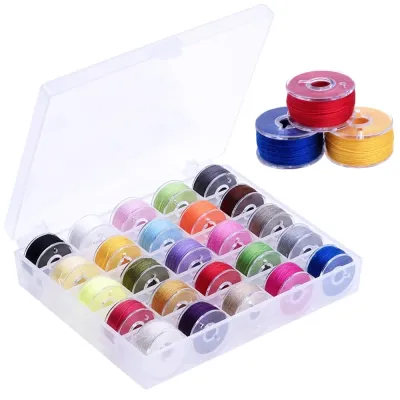
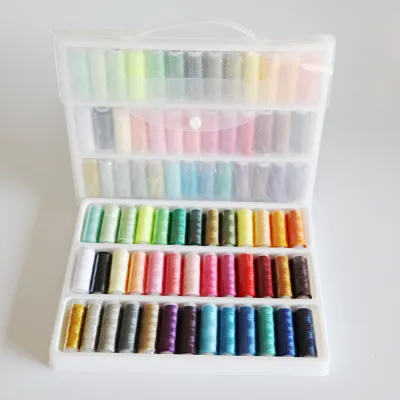
Proper storage protects your thread investment. Store your threads in a cool, dry place away from direct sunlight, as UV rays will fade the vibrant colors over time. In Singapore’s humid climate, high moisture levels can cause cotton threads to develop mold or a musty odor. To prevent this, store your threads in airtight plastic organizer boxes and toss in a couple of food-safe silica gel packets to absorb excess moisture. Keep them organized on plastic or cardboard bobbins labeled with their color identification numbers so you can easily match them for future projects.
Finally, always perform a simple “scrap test” before committing to a major project. Take a small scrap of your background fabric and stitch a few lines with your chosen thread. Dampen the stitched area with water and press it with a warm iron (following the fabric’s care instructions) or let it air dry on a white paper towel. This allows you to observe how the thread behaves, check if the needle size is correct, and verify that the colors do not bleed.
Frequently Asked Questions (FAQ)
Can I use regular sewing thread for embroidery?
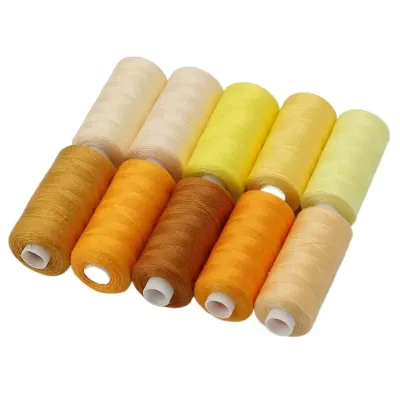
While you can technically use regular sewing thread for extremely fine details or temporary basting, it is not recommended for standard hand embroidery. Sewing thread is engineered specifically for seam strength and machine tension, meaning it is very thin, tightly spun, and lacks the decorative loft, sheen, and coverage of dedicated embroidery thread. If you try to fill a design with sewing thread, the stitches will look sparse and flat, and the high tension required can cause the thin thread to cut through delicate embroidery fabrics.
How many strands of floss should I use?
The number of strands you should use depends entirely on the level of detail and texture you want to achieve. As a general guideline, use one to two strands for highly detailed work, delicate lettering, and realistic needle painting where you want seamless color blending. Use three to four strands for standard surface embroidery, outlines, and general filling stitches. Use five to six strands for bold, graphic outlines, chunky textures, or quick filling on heavy fabrics. Always test your chosen strand count on a scrap piece of fabric to ensure you like the visual weight before starting.
Does embroidery thread expire or go bad?
Embroidery thread does not have a strict expiration date, but cotton is a natural organic fiber that will degrade over time if exposed to poor environmental conditions. Prolonged exposure to high humidity, dust, and direct sunlight will make the fibers brittle, cause colors to fade, and weaken the thread’s tensile strength. To check if older or inherited thread is still usable, perform a simple strength test: cut a short length of thread and pull it gently but firmly between your hands. If it snaps easily with minimal effort, or if it feels dry, dusty, and stiff, it should be retired from your active projects to prevent it from breaking mid-stitch.
Community discussion
Share your experience or ask a question. Comments are reviewed before publication.