
Quick Answer: What Makes a Face Paint Safe for Sensitive Skin?
When selecting a face painting set for children, especially those with sensitive skin, it is critical to understand that no formulation is entirely guaranteed to be allergy-proof. Children’s skin is structurally thinner, more permeable, and more reactive than adult skin. Consequently, the term “trusted” must be defined by verifiable cosmetic-grade compliance and formulation transparency rather than appealing brand marketing or generic packaging claims.
The baseline requirement for any safe face paint is that it must be classified as a cosmetic product designed specifically for prolonged skin contact. Many products marketed to children are classified merely as toys or craft supplies, which bypass the strict safety assessments required for cosmetics. For children with sensitive skin, water-activated, cosmetic-grade face painting sets from established professional brands are generally the safest starting point. These formulations utilize skin-safe binders, dry to a flexible finish, and dissolve easily with water, minimizing the friction and harsh cleansers required for removal.
Regardless of safety certifications, a proper patch test is mandatory before any full-face application. Even high-quality, dermatologically tested ingredients can trigger localized contact dermatitis in highly sensitive or eczema-prone individuals. By prioritizing professional cosmetic standards over toy-grade alternatives, you significantly reduce the risk of adverse skin reactions.
Products mentioned in this guide
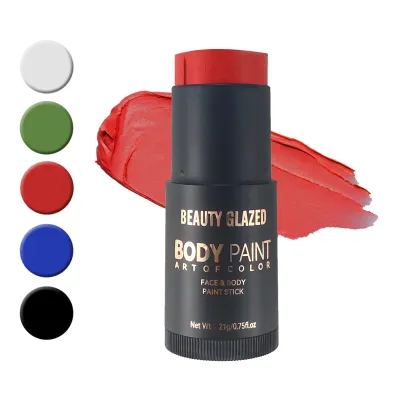
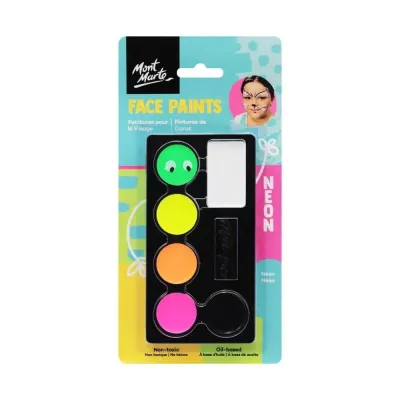

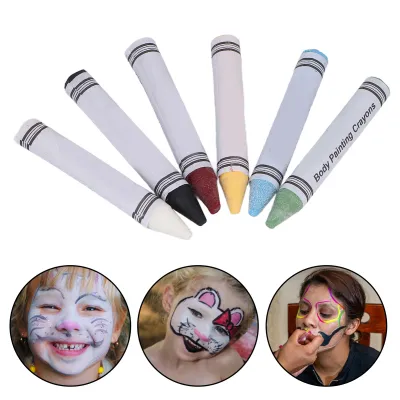
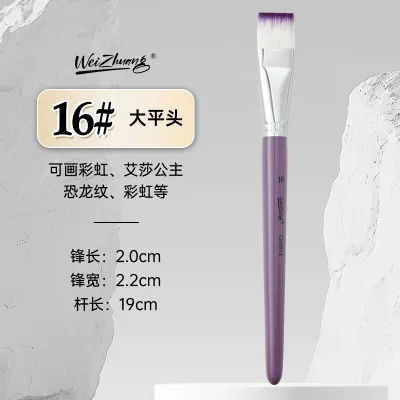
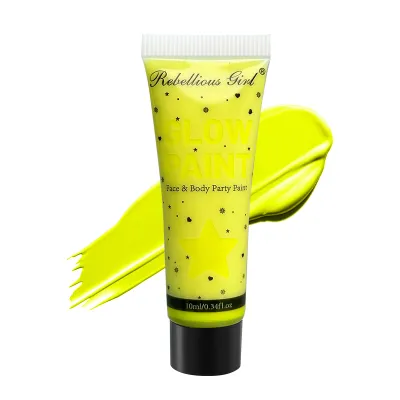
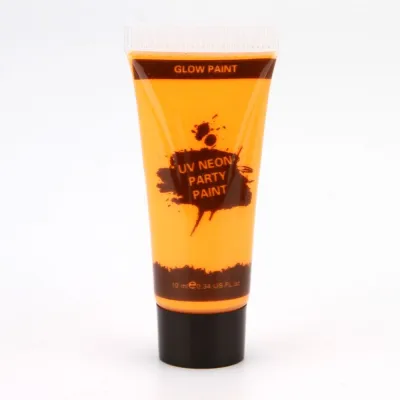
Prices are valid at publication and may change. Please refer to the product page for the latest price.
Professional vs. Toy-Grade Face Painting Set Formulations: Key Differences
To safeguard children’s skin, it is essential to distinguish between professional cosmetic-grade products and toy-grade or craft paints. While they may look similar in their packaging, their chemical compositions, pigment sources, and regulatory standards differ fundamentally.

Professional Cosmetic-Grade Sets
Professional face paints are formulated under the same regulatory standards as high-quality makeup. They utilize cosmetic-grade pigments that have been purified to remove heavy metals and other industrial impurities. The binders in these paints typically consist of cosmetic waxes (such as paraffin or synthetic beeswax), glycerin, or natural gums (like acacia senegal gum). These ingredients allow the paint to sit comfortably on top of the skin, flexing with natural facial movements without cracking, flaking, or drawing moisture out of the epidermis. Furthermore, they are engineered to wash off easily with mild soap and water, protecting the skin’s delicate moisture barrier.
Toy-Grade and Craft Paints
Toy-grade face paints, often sold in budget toy aisles or seasonal holiday sections, are frequently manufactured with lower-cost ingredients to keep retail prices down. These sets may contain cheaper synthetic dyes, heavy fillers, and strong preservatives designed to maximize shelf life rather than protect skin health. Even more hazardous are general craft paints, acrylics, and tempera paints. These are formulated for porous mediums like paper, wood, or fabric. They contain industrial binders and pigments that can cause severe chemical irritation, allergic sensitization, and physical abrasion when applied to human skin.
The "Non-Toxic" Label Trap
Many parents mistakenly assume that a “non-toxic” label—such as the Art and Creative Materials Institute (ACMI) AP seal or ASTM D-4236 compliance—means a product is safe for a child’s face. In reality, these certifications only verify that a product is non-toxic if accidentally ingested in small quantities, such as a child licking a paint-covered finger. They do not certify that the product is dermatologically safe, hypoallergenic, or approved for prolonged skin contact. A craft paint can carry a “non-toxic” label while still being highly alkaline or containing preservatives that cause severe contact dermatitis on a child’s face.
| Dimension | Professional Cosmetic-Grade Sets | Toy-Grade / Craft Paints |
|---|---|---|
| Primary Regulation | Cosmetic standards (FDA, EU Cosmetics Regulation) | Toy safety standards (EN71) or general art safety |
| Pigment Quality | Purified, cosmetic-grade pigments | Technical-grade or industrial pigments |
| Skin Adherence | Flexes with movement, breathable | Rigid, cracks easily, traps sweat |
| Removal Process | Dissolves easily with mild soap and water | Requires heavy scrubbing or harsh solvents |
| Irritation Risk | Low; formulated for reactive skin | High; risk of contact dermatitis and sensitization |
Crucial Safety Labels and Ingredients to Verify Before Buying
When evaluating a face painting set, you must look past the front cover of the packaging and carefully inspect the ingredient list and safety certifications. A reputable brand will always provide complete transparency regarding its formulation.
Key Certifications to Look For
Always verify that the product complies with major international cosmetic regulations. Look for explicit statements indicating compliance with the US Food and Drug Administration (FDA) cosmetic regulations or the European Union’s Cosmetic Regulation (EC No 1223/2009). The EU cosmetic standards are particularly rigorous, banning or severely restricting over 1,300 chemicals that are potentially harmful or irritating, compared to a much smaller list of restricted substances in other jurisdictions. Labels indicating “hypoallergenic,” “dermatologically tested,” and “paraben-free” are helpful indicators, but they must always be backed by these formal regulatory compliances.
Red-Flag Ingredients to Avoid
Avoid any product that lists “acrylic,” “polymer emulsion,” or “tempera” in its ingredients. Additionally, look out for strong synthetic fragrances (often listed as “parfum” or “fragrance”), which are among the leading triggers for contact allergies in children. Preservatives like methylisothiazolinone (MIT) and formaldehyde-releasing agents should also be avoided, as they are known sensitizers that can provoke severe skin reactions on delicate faces.
The Reality of Neon and UV Pigments
Many vibrant neon, glow-in-the-dark, or ultraviolet (UV) face paints contain pigments that are not officially approved for cosmetic use by the FDA or EU, particularly around the eyes and mouth. These pigments are often classified as “special effects” materials. If you are purchasing a set that includes neon shades, check the manufacturer’s specific instructions. If the label states “for hair and special effects only” or warns against use around the eye area, do not apply those specific colors to a child’s face, especially if they have sensitive skin.
Verifying Information Sources
When purchasing a face painting set from online marketplaces, be aware that product listings frequently feature copied, inaccurate, or incomplete ingredient lists. Always cross-reference the product details with the official manufacturer’s website or check the physical packaging upon delivery. If a brand does not publish its full ingredient list online, it should not be trusted for use on sensitive skin.
Comparing Reputable Face Paint Formulations for Sensitive Skin
Understanding the physical properties of different face paint formulations allows you to choose the best option for your child’s skin type and the environmental conditions of your event.
Water-Activated Face Paints (Wax- or Glycerin-Based)
Water-activated paints are the industry standard for professional face painters and are highly recommended for children with sensitive skin. These products come in solid cakes or pans and require a damp brush or sponge to activate the pigment.
- Pros: They are highly breathable, lightweight, and dry quickly to a touch-safe finish. Because they are water-soluble, they can be removed effortlessly with mild soap and lukewarm water. This ease of removal is incredibly beneficial for sensitive skin, as it eliminates the need for vigorous rubbing or harsh makeup removers.
- Cons: They are vulnerable to moisture. If a child sweats heavily, cries, or plays in high-humidity environments—such as outdoor venues in Singapore—the paint can smudge, run, or transfer onto clothing.
Cream and Grease-Based Paints
Cream and grease paints are oil- or wax-based formulations that do not require water for activation. They are commonly used in theatrical productions and professional special effects.
- Pros: They deliver exceptionally rich, opaque color coverage and are highly resistant to sweat, water, and humidity. This makes them ideal for long-duration outdoor events where water-activated paints would quickly degrade.
- Cons: These formulations do not dry down on their own and must be set with a cosmetic powder to prevent smudging. More importantly, they are highly occlusive, meaning they trap sweat and sebum underneath the paint, which can irritate sensitive skin. Because they are water-resistant, they require oil-based makeup removers, baby oil, or specialized cleansing balms to break down. The combined physical action of applying oil and wiping it away can cause friction-induced redness and irritation on delicate skin.
Hypoallergenic and Organic-Focused Formulations
Some specialized brands offer face paints formulated with natural, plant-based waxes (such as carnauba or organic beeswax), plant oils, and natural mineral pigments (like iron oxides), completely avoiding synthetic dyes and artificial preservatives.
- Pros: These sets minimize exposure to synthetic chemicals, making them excellent choices for children with known allergies to specific synthetic dyes or chemical preservatives.
- Cons: Natural formulations often compromise on performance. They may lack the vibrant color payoff of synthetic cosmetic pigments, take significantly longer to dry, and smudge more easily. Additionally, because they use mild, natural preservation systems, they have a much shorter shelf life and are highly susceptible to bacterial growth if stored in damp conditions.
Safe Application, Patch Testing, and Gentle Removal
Even when using the highest-quality, cosmetic-grade face painting set, proper application and removal techniques are vital to preventing skin irritation.
How to Conduct a Proper Patch Test
Never skip a patch test, especially when painting a child’s face for the first time. Follow these steps to ensure safety:
- Clean a small patch of skin on the child's inner forearm or the crook of their elbow.
- Mix a small amount of the face paint with clean water and apply a small dab (about the size of a five-cent coin) to the area.
- Allow the paint to dry completely and leave it on the skin for 15 to 20 minutes.
- Gently wash the paint off with lukewarm water.
- Monitor the test site over the next 24 hours. Look for any signs of redness, swelling, itching, hives, or small bumps. If any reaction occurs, do not proceed with using that product.
Application Hygiene and Safety
Maintaining strict hygiene prevents the transmission of bacteria and skin irritants. Always use clean, high-quality synthetic brushes and sponges; synthetic fibers are non-porous, making them much easier to sanitize than natural hair brushes. Use clean water for activation, and avoid double-dipping dirty sponges back into the paint cakes.
When applying the paint, strictly avoid the immediate eye area, eyelids, and lips. The skin on the eyelids is incredibly thin and vulnerable to chemical absorption, while the lips are mucous membranes that can easily ingest the paint. Never apply face paint over active eczema flare-ups, open scratches, sunburns, or broken skin, as this can introduce bacteria directly into the dermis and cause painful infections.
Gentle Removal Methods
To remove water-activated face paints safely, do not start by rubbing the face with wet wipes or wet cloths, which can grind the pigment deeper into the pores. Instead, apply a gentle, fragrance-free liquid baby wash or sensitive-skin facial cleanser directly to the dry, painted skin using clean, damp fingertips. Massage the cleanser gently in circular motions to break down the paint binders. Once the paint has fully liquefied, rinse the face thoroughly with lukewarm water. Use a soft, clean microfiber cloth to pat the skin dry—never rub.
For cream- or grease-based paints, apply a small amount of pure mineral oil, baby oil, or a fragrance-free cosmetic cleansing balm to the painted areas. Let it sit for one minute to dissolve the wax-oil base, then gently sweep the paint away using a soft cotton pad. Follow up with a mild foaming cleanser to remove any oily residue, rinse with lukewarm water, and pat dry.
Avoid using alcohol-based wet wipes, highly fragranced makeup remover wipes, or abrasive exfoliating mitts. These products strip away the skin’s natural lipid barrier, leaving it raw, red, and highly susceptible to chemical irritation.
Decision Framework: Which Face Paint Type Should You Choose?
To make the final decision for your child, evaluate your specific environment, the child’s skin history, and how the paint will be removed.
- Choose Water-Activated Cosmetic Brands if: You are hosting an indoor party, a short playdate, or a school event where easy cleanup is your top priority. This formulation offers the lowest risk of skin irritation because it requires minimal friction and no harsh oil solvents to wash off.
- Choose Cream-Based Cosmetic Brands if: Your child is participating in an outdoor performance, a sports day, or a carnival in a hot, humid climate like Singapore, where heavy sweating is guaranteed. Only choose this if you have verified that the child's skin can tolerate a gentle oil-based cleansing routine afterward.
- Avoid Face Painting Entirely if: The child has active eczema, open wounds, sunburn, or a history of severe contact dermatitis. In these scenarios, opt for skin-safe alternatives such as temporary water-transfer tattoos (avoiding the face) or decorated party hats, or consult a pediatric dermatologist for personalized advice.
- Verify First if: You are purchasing your face painting set online. Always cross-reference the seller with the manufacturer's official authorized distributor list. Counterfeit face paints are common on online marketplaces and frequently contain dangerous levels of heavy metals and industrial chemicals that can cause severe chemical burns on a child's skin.
Community discussion
Share your experience or ask a question. Comments are reviewed before publication.