
To determine if a Travel Planet notebook is the right choice for your daily writing, journaling, or sketching, you must first look at your writing tools and tactile preferences. There is no single, universally perfect paper because paper performance is highly dependent on the specific medium you use. A smooth, absorbent sheet that is excellent for a fast-drying gel pen might feather or bleed heavily when paired with a wet fountain pen. Conversely, a heavily coated paper designed to showcase ink sheen might cause standard rollerball inks to pool and smudge, particularly in humid environments.
Because stationery brands do not use a standardized, industry-wide testing system to rate paper quality, evaluating a notebook requires looking closely at its technical specifications rather than relying on brand names alone. Travel Planet offers various notebook lines, and the paper quality, weight, and texture can vary significantly between their standard journals, travel inserts, and specialty sketchbooks. Before making a purchase, you should always check the product listing or physical packaging for specific paper details, such as Grams per Square Meter (GSM), surface finish, and binding style. This ensures that the notebook you choose will perform reliably under the specific demands of your favorite pens and inks.
Core Dimensions for Evaluating Notebook Paper Quality
When comparing notebook brands, it is easy to get distracted by cover designs, brand heritage, or aesthetic appeal. However, the actual writing experience is governed by a few objective, physical properties of the paper. Understanding these core dimensions allows you to look past marketing claims and evaluate any notebook, including Travel Planet, based on verifiable specifications.
Products mentioned in this guide
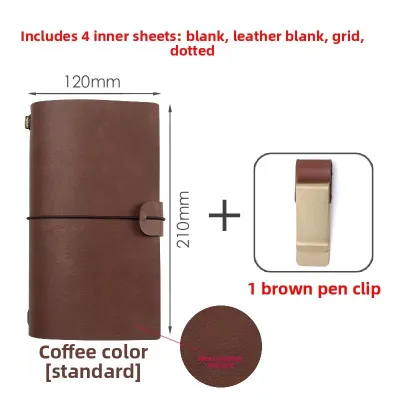
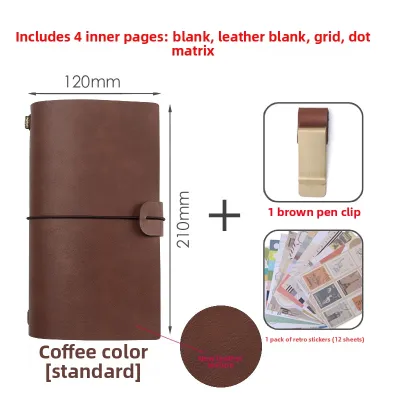
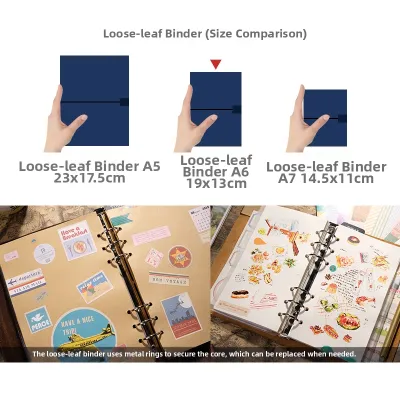
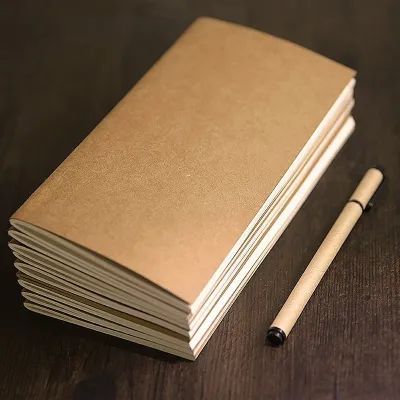
Prices are valid at publication and may change. Please refer to the product page for the latest price.
Paper Weight and Thickness (GSM)
Grams per Square Meter, commonly abbreviated as GSM, is the standard metric used to measure paper weight and density. As a general rule, higher GSM values indicate thicker, heavier paper that offers greater opacity and better resistance to ink bleed-through. Standard office printer paper typically ranges from 70 to 80 GSM, which is suitable for basic ballpoint writing but prone to ghosting (where writing is visible on the reverse side of the page) and bleeding when used with wet inks. Premium journaling notebooks usually feature paper weights between 80 GSM and 120 GSM, while mixed-media and watercolor journals can exceed 160 GSM. When evaluating Travel Planet notebooks, checking the GSM is your first line of defense against ink bleed. If you plan to write on both sides of a page with dark gel pens or fine liners, look for a minimum of 80 to 100 GSM to minimize distracting show-through.
Surface Texture and Tooth
The tactile feedback you feel as your pen glides across the page is determined by the paper’s surface texture, often referred to as its “tooth.” Papers with a very smooth, coated finish allow pens to glide effortlessly, making them ideal for fast-paced note-taking, fine-tip gel pens, and delicate brush markers that might otherwise fray on rougher surfaces. However, highly smooth papers can feel slippery and may not provide enough friction for precise pencil work. On the other hand, papers with more tooth have a slightly rough, textured surface that grips the writing instrument. This texture is highly desirable for graphite, colored pencils, and charcoal, as it shaved off particles of the medium to create rich, expressive lines. The choice between smooth and toothy paper is entirely subjective, but it directly affects how much control you have over your writing instrument.
Ink Compatibility and Dry Time
How paper reacts to liquid ink depends largely on its “sizing”—the chemical treatment applied during manufacturing to control absorbency. Highly absorbent papers draw ink deep into the fibers quickly, resulting in fast dry times but increasing the risk of feathering, where the ink spreads outward and creates fuzzy, indistinct lines. Less absorbent, coated papers keep the ink on the surface, preserving sharp line edges and vibrant colors, but at the expense of drying speed. This balance is particularly critical in Singapore’s tropical climate. High relative humidity naturally slows down the evaporation of water-based inks. If you pair a heavily coated, non-absorbent notebook paper with a wet gel or fountain pen in a humid environment, you may find that the ink remains wet for several minutes, leading to accidental smudges and messy pages.
Binding and Lay-Flat Ability
The overall quality of a notebook sheet cannot be separated from how the notebook is constructed. Even the finest paper becomes frustrating to use if the binding prevents the pages from opening fully. A notebook that resists laying flat forces you to write on a curved surface or constantly hold the pages down with your hand, which can lead to hand fatigue and make it difficult to write near the inner margin (the gutter). Thread-bound (or Smyth-sewn) notebooks are generally the gold standard for lay-flat performance, as the individual paper signatures are sewn together in a way that allows the spine to flex completely. Spiral or wire-bound notebooks also lay perfectly flat but introduce a physical barrier in the middle of the spread. When choosing a notebook for extensive writing sessions, always consider how the binding method interacts with the paper to create a comfortable, usable writing surface.
Travel Planet vs. Competing Brands: A Scenario-Based Comparison
To understand how Travel Planet fits into the wider stationery landscape, it is helpful to compare its potential performance against alternative brands across different writing scenarios. Because paper characteristics vary across product lines, these comparisons focus on what to look for and verify based on your specific writing habits.

For Fountain Pen and Wet Ink Enthusiasts
Fountain pens present the ultimate test for notebook paper. Because fountain pen inks are water-based and delivered through a metal nib that physically scratches the surface, they require paper with high-quality sizing and sufficient density to prevent feathering, bleeding, and ghosting. If paper fibers are too loose or lack proper sizing, the ink will spread rapidly along the grain, ruining fine line work.
When considering a Travel Planet notebook for fountain pen use, you must verify if the specific model is explicitly designated as “fountain pen friendly” or features a paper weight of at least 100 GSM. Many general-purpose notebooks use paper that is optimized for standard ballpoints, which can perform poorly under the heavy flow of a wet medium or broad nib. In contrast, legacy brands renowned for fountain pen compatibility—such as Midori, Rhodia, or notebooks featuring Tomoe River paper—use specialized coatings and manufacturing processes designed specifically to handle wet inks without bleeding. If the Travel Planet model you are eyeing does not clearly state its compatibility with fountain pens or specify a high-density paper, it is wise to proceed with caution. Testing a single page with your preferred ink and nib size before committing to a full journal is the best way to avoid ruined pages.
For Everyday Ballpoint, Gel, and Rollerball Users
For daily note-taking, office tasks, or student lectures, most writers rely on standard ballpoint pens, gel pens, or liquid ink rollerballs. These writing instruments are far less demanding than fountain pens, but they still require a reliable surface that supports smooth writing and prevents distracting show-through.
In this everyday category, Travel Planet’s standard paper offerings often compete very well with mainstream commercial brands. Because ballpoint and gel inks dry relatively quickly and do not saturate the paper fibers as deeply as fountain pens, standard paper weights around 80 GSM are usually more than adequate. The key factor to verify here is surface smoothness. A paper that is too rough can cause ballpoint pens to skip, as the ball mechanism requires a consistent, smooth surface to roll smoothly and deposit ink. Conversely, if you frequently use dark gel pens (such as 0.5mm or 0.7mm black ink), you should check user reviews and product details for any mentions of “ghosting.” While ghosting does not ruin the paper like bleed-through does, it can make reading your notes difficult if the writing from the previous page is highly visible through the sheet.
For Journaling, Scrapbooking, and Mixed Media
Journaling has evolved beyond simple writing; many enthusiasts now incorporate scrapbooking elements, such as decorative washi tapes, heavy adhesives, brush pens, and even light watercolor washes. This mixed-media approach subjects the paper to intense physical stress, including moisture, chemical solvents, and physical pulling.
Standard notebook paper is rarely designed to withstand the moisture of watercolors or the weight of heavy adhesives. If you attempt to use these media on typical 80 GSM or 100 GSM notebook paper, the sheets will likely buckle, warp, or wrinkle as they dry. Furthermore, low-durability papers can experience “pilling”—where the surface fibers rub off and form small paper balls—when subjected to heavy erasing or when repositioning adhesive tapes. If your journaling style involves mixed media, you must check whether Travel Planet offers dedicated sketchbook or heavy-duty mixed-media lines with paper weights exceeding 120 to 150 GSM. For serious art journaling, specialized brands that focus on watercolor paper or heavy-weight mixed-media sheets remain the safest choice, as standard travel or office notebooks are optimized for dry writing instruments rather than wet artistic media.
Practical Tests to Verify Paper Performance Before Committing
If you have purchased a Travel Planet notebook—or any competing brand—and want to verify its paper quality before dedicating it to an important project, you can perform a series of simple, low-risk tests. Conducting these evaluations on the very last page or an inconspicuous index page will save you from the frustration of discovering compatibility issues mid-journal.
The Ink Swatch and Bleed Test
To test how the paper handles your specific pen collection, create a small ink swatch test on the back page. Draw several solid blocks or thick lines using your most heavily saturated pens, including dark gel pens, rollerballs, and fountain pens. Let the ink dry completely, then turn the page over and examine the reverse side under a bright light source.
- What to look for: Check for "bleed-through," where the ink has physically penetrated the paper and marked the other side, and "ghosting," where the ink shadow is visible but the paper surface remains dry. If you see significant bleed-through, that specific pen-and-paper combination is not suitable for double-sided writing.
The Dry Time and Smudge Check
In Singapore’s humid climate, ink drying times can be significantly longer than expected. To test this, draw a continuous horizontal line with your favorite wet gel or liquid ink pen. Use a stopwatch or count slowly, and at intervals of 5, 10, 20, and 30 seconds, lightly drag a clean finger or a cotton swab across the line.
- What to look for: Note the exact point at which the ink no longer smudges or smears. If the ink takes longer than 15 to 20 seconds to dry completely, you may need to adjust your writing habits, use a blotting sheet, or switch to a faster-drying ink to prevent accidental smudges during rapid note-taking.
The Eraser and Surface Durability Test
For those who write in pencil or use erasable gel pens, paper durability is crucial. Use a medium-grade graphite pencil to write a few words, then use a standard vinyl or rubber eraser to vigorously erase the markings.
- What to look for: Inspect the paper surface closely under a light. If the paper begins to pill, tear, or thin out, the surface fibers are relatively weak. A high-quality paper should withstand standard erasing without any noticeable degradation of the surface texture or leaving deep, permanent indentations.
The Binding Stress Test
A notebook’s usability is heavily reliant on its structural integrity. Open the notebook to the exact middle pages and gently press down on the center spine to flatten the book.
- What to look for: Listen for any cracking sounds and observe the binding closely. If the binding glue begins to separate, if threads snap, or if the individual pages start to pull away from the spine, the binding is fragile. A well-constructed notebook should allow you to lay it flat without compromising the security of the pages or reducing the usable writing area near the gutter.
Final Verdict: How to Choose the Best Notebook for You
Ultimately, choosing between a Travel Planet notebook and alternative brands comes down to matching the notebook’s specific technical properties with your personal writing workflow. No single brand is the absolute best for every user, but you can make an informed decision by analyzing your daily requirements.
Choose Travel Planet if:
- The specific model's listed specifications—such as a suitable GSM weight, smooth surface texture, and durable binding—align perfectly with your primary writing instruments.
- You prefer a versatile, accessible notebook format that fits comfortably into your daily carry, travel bag, or work routine without requiring highly specialized, expensive paper.
- The price point, typically ranging within reasonable, competitive bands in Singapore (S$), offers a good balance of physical build quality and everyday utility.
Choose Alternative Specialty Brands if:
- You have highly specific, non-negotiable requirements for wet ink performance, such as using broad-nib fountain pens with shimmering or sheening inks, which demand specialized, heavily sized papers like Tomoe River or Midori MD.
- Your journaling style relies heavily on mixed media, heavy adhesives, or watercolor washes, which require thick, high-GSM sketchbook paper designed to resist warping and pilling.
- You require specialized archival-grade certifications or specific paper rulings (such as precise dot grids or engineered layouts) that are not available in Travel Planet's current product lineup.
Verify First if:
- You are purchasing your notebook from an online marketplace or ecommerce platform where the product description is vague or lacks clear details regarding paper weight (GSM), coating, or binding construction.
- You are planning to purchase notebooks in bulk for school, office, or professional archiving. In these scenarios, buying a single unit to perform the physical tests outlined above is the safest way to ensure long-term compatibility before making a larger financial commitment.
By focusing on the physical specifications of the paper and understanding how your writing tools interact with different surfaces, you can confidently select a notebook that will protect your thoughts, notes, and creative work for years to come.
Community discussion
Share your experience or ask a question. Comments are reviewed before publication.