
Quick Answer: Is Touch 'n Go NFC Right for Your Reward Program?
Choosing the right corporate gift card depends heavily on the geographic distribution and daily habits of your workforce. The Touch ‘n Go (TNG) NFC card is a highly specialized payment tool rather than a universal local reward for employees based in Singapore. It is the premier incentive choice if a significant portion of your workforce consists of cross-border commuters who travel between Singapore and Malaysia, or if your team frequently travels regionally for business. The card provides unparalleled convenience for toll payments, parking, and transit across the border.
Conversely, for employees whose daily lives, commutes, and shopping are strictly contained within Singapore, local alternatives are far superior. Standard local transit cards, digital lifestyle vouchers, or open-loop prepaid cards offer immediate daily utility where your employees live and work. Rather than searching for a single absolute winner, corporate procurement teams must evaluate their employee demographics to match the reward’s functionality with the team’s lifestyle.
Core Criteria for Evaluating Bulk Employee Rewards
When managing corporate incentive programs, procurement and HR departments must look beyond the face value of a gift card. A successful bulk reward program balances employee satisfaction with administrative efficiency. To select the most effective option, evaluate potential corporate gift cards against four primary operational pillars.
Products mentioned in this guide
![[SG] Enhanced Touch n Go Card with NFC Technology](https://img.lazcdn.com/g/p/20878b945a29892409d035b3499d10fb.jpg_400x400q80.jpg_.webp)
Prices are valid at publication and may change. Please refer to the product page for the latest price.

Acceptance Network
The utility of a reward card is defined entirely by where it can be spent. Closed-loop cards restrict spending to a single merchant brand, which can frustrate employees if they do not frequent that business. Semi-closed loop cards, such as transit cards, expand this utility to public transportation networks, convenience stores, and select retail outlets. Open-loop prepaid cards, backed by major payment processors, offer the highest utility by allowing employees to spend their rewards anywhere that accepts standard debit cards, both online and in-store.
Distribution and Fulfillment Logistics
The administrative effort required to get rewards into employees’ hands can vary dramatically. Physical cards demand secure shipping, inventory storage, and manual distribution workflows, which introduces the risk of loss or theft before activation. Digital vouchers and virtual cards, by contrast, offer instant fulfillment via email or integrated HR portals. This zero-logistics approach eliminates shipping fees and simplifies distribution for remote, hybrid, or geographically dispersed teams.
Fund Validity and Expiry Rules
Unused corporate rewards can represent wasted capital or lead to employee disappointment if funds disappear unexpectedly. Physical transit cards typically have long hardware lifespans, often lasting five to ten years, though the loaded balances may have different dormancy rules. Digital lifestyle vouchers and e-gift cards usually carry stricter expiration windows, often ranging from six to twelve months. HR teams must carefully review these timelines to ensure employees have ample opportunity to redeem their rewards.
Administrative Overhead and Corporate Controls
Bulk procurement requires robust backend support. Before partnering with a vendor, verify their bulk ordering minimums, corporate discount structures, and the availability of a dedicated management portal. A high-quality corporate portal allows administrators to track orders, download tax-compliant invoices, and, in some cases, freeze or replace lost physical cards. High administrative overhead can quickly erode the cost savings of a bulk discount.
Touch 'n Go NFC: Strengths, Limitations, and Ideal Use Cases
To understand how the Touch ‘n Go NFC card fits into a Singapore-based corporate reward program, it is necessary to examine its unique technical design and cross-border operational realities.
Strengths of Touch 'n Go NFC
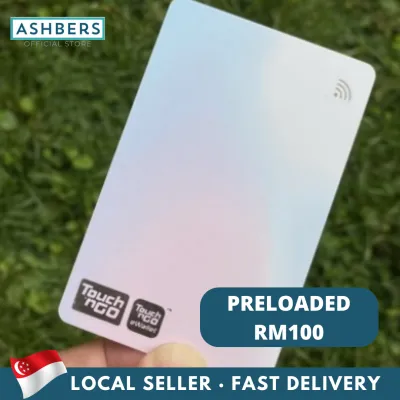
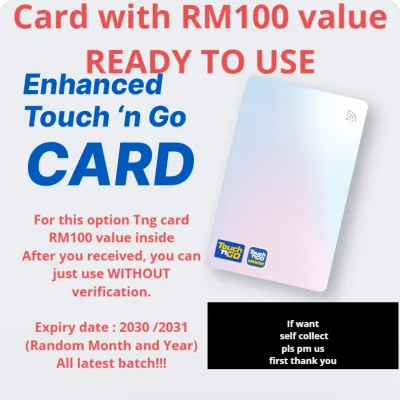
The primary strength of the Enhanced Touch ‘n Go NFC card lies in its seamless integration with the TNG eWallet app. Unlike legacy transit cards that require physical top-up kiosks, users can reload the NFC card directly using an NFC-enabled smartphone. This makes it an invaluable asset for employees who drive or commute across the Johor-Singapore Causeway or the Tuas Second Link. It is widely used to pay for Malaysian highway tolls, parking fees, and public transit systems like the LRT and MRT in Kuala Lumpur, making it a highly practical and appreciated perk for cross-border teams.
Limitations in the Singapore Market
Outside of cross-border travel, the standard Touch ‘n Go NFC card has virtually no purchasing power within Singapore. It cannot be used to pay for local SBS Transit or SMRT buses, Singapore MRT rides, or daily groceries at local supermarkets. While there are joint initiatives, such as the EZ-Link x Touch ‘n Go Motoring Card, these dual-currency cards operate on two separate chips. The SGD balance on the CEPAS chip does not interact with the MYR balance on the TNG chip. HR teams must advise employees to verify current cross-border transit compatibility and dual-chip requirements with local transport authorities, as standard TNG NFC cards cannot be used directly on Singapore’s domestic public transport network.
Corporate Procurement and Sourcing Realities
Sourcing physical Touch ‘n Go NFC cards in bulk for a Singapore-registered business involves distinct logistical hurdles. Because the cards are primarily issued and managed by a Malaysian entity, corporate buyers must navigate international shipping, potential import delays, and currency conversion fluctuations when loading initial MYR balances using SGD corporate accounts. There is also no centralized corporate portal that allows a Singaporean HR team to remotely reload the physical NFC chips once the cards are distributed. Because of these variables, procurement teams should contact authorized corporate distributors directly to request a custom quote and clarify bulk delivery terms.
Leading Alternative Gift Card Options in Singapore
For organizations seeking rewards with broader local utility or simpler administrative workflows, several established alternatives serve the Singapore market.
Local Transit and Lifestyle Cards (e.g., EZ-Link)
Physical transit cards operating on Singapore’s CEPAS standard, such as EZ-Link, are a staple of daily life. These cards are universally accepted across all local buses, MRT trains, and taxis. Beyond transit, they are accepted at thousands of retail touchpoints, including convenience stores, hawker centres, vending machines, and public libraries. Providing a customized, corporate-branded EZ-Link card offers employees a tangible, daily-use token that directly offsets their commuting and convenience expenses. This option is highly valued by on-site teams and employees who rely on public transportation.
Digital Lifestyle and Ride-Hailing Vouchers
Digital vouchers from dominant regional platforms, such as Grab or foodpanda, have become highly popular corporate incentives. These rewards are distributed as digital codes that employees add directly to their personal apps. They can be redeemed for ride-hailing services, food delivery, or grocery couriers. The primary benefit for HR is the complete elimination of physical logistics. Vouchers can be purchased in bulk, customized with corporate messaging, and emailed to hundreds of employees instantly, making them ideal for remote or hybrid workforces.
Open-Loop Prepaid Network Cards
Corporate prepaid cards issued by major networks like Visa or Mastercard offer the highest level of employee spending autonomy. These cards can be issued as physical plastic or virtual cards for digital wallets. Because they operate on global payment networks, employees can use them to purchase anything from online courses to international flights, or simply use them at local restaurants. This cash-like flexibility ensures that every employee, regardless of lifestyle or location, finds value in the reward, while the corporate sponsor retains control over the initial load value.
Supermarket and E-Commerce Vouchers
For a highly practical reward that supports daily household needs, corporate vouchers for major local supermarket chains (such as NTUC FairPrice or Cold Storage) or leading online marketplaces are excellent choices. These vouchers directly offset the rising cost of living by covering essential groceries, household goods, and personal care items. They are available in both physical paper booklets and digital e-vouchers, allowing procurement teams to choose the format that best matches their distribution capabilities and employee preferences.
Comparison Matrix: Usability and Administrative Effort
The table below outlines the operational profiles of the primary corporate reward options available to Singapore-based employers.
| Card/Voucher Type | Primary Use Case | Acceptance Scope | Distribution Method | Reloadability |
|---|---|---|---|---|
| Touch 'n Go NFC | Cross-border commuting and Malaysian travel | Restricted to Malaysia transit, tolls, and select retail | Physical card only | User-reloaded via TNG eWallet app |
| Local Transit Cards (e.g., EZ-Link) | Daily Singapore transit and local convenience retail | Widespread across Singapore transit and convenience stores | Physical card only | User-reloaded at local transit stations or via app |
| Digital Lifestyle Vouchers | Food delivery, ride-hailing, and daily services | Restricted to the specific platform's ecosystem | Digital (Email, SMS, or HR portal) | Non-reloadable (Single-use credit) |
| Open-Loop Prepaid Cards | Maximum spending flexibility and online shopping | Universal (Anywhere Visa/Mastercard is accepted) | Physical or Virtual | Reloadable via corporate portal (if supported) |
Decision Framework: Which Option Should You Choose?
To finalize your corporate gift card purchase, align your organization’s operational capabilities and employee needs with the specific scenarios detailed below.
Choose Touch 'n Go NFC if:
- A significant portion of your workforce regularly commutes across the Causeway or travels to Malaysia for business.
- You want to provide a highly targeted perk that directly reduces the cost of cross-border tolls, parking, and transit.
- Your HR team is comfortable managing physical card distribution and coordinating with regional suppliers for bulk procurement.
Choose Local Transit/Lifestyle Cards if:
- Your employees are primarily based on-site in Singapore and rely heavily on public transportation for their daily commute.
- You want a physical, tangible reward that can be co-branded with your company logo to reinforce brand identity.
- You prefer a highly stable, long-lasting reward with a low risk of fund expiration.
Choose Digital Vouchers if:
- You manage a hybrid, remote, or geographically dispersed workforce and want to avoid physical shipping costs.
- You need to distribute rewards quickly for a specific event, holiday, or immediate recognition program.
- Your priority is zero inventory management and simplified digital tracking through an online admin dashboard.
Choose Open-Loop Prepaid Cards if:
- You want to give employees total freedom to choose how, where, and when they spend their incentive capital.
- You are rewarding high-performing employees or executing milestone programs where a premium, cash-equivalent reward is appropriate.
- You require advanced security features, such as the ability to instantly freeze lost cards via a corporate portal.
Before executing any bulk purchase agreement, procurement teams must verify the specific corporate terms, minimum order quantities, and potential tax implications. In Singapore, non-cash gifts and employee benefits may be subject to specific tax treatment under the Inland Revenue Authority of Singapore (IRAS) guidelines. Always consult your corporate tax advisor or review current IRAS regulations to understand how these rewards impact your company’s tax filings and your employees’ taxable income.
Frequently Asked Questions (FAQ)
Can employers bulk-reload Touch 'n Go NFC cards after the initial distribution?
No, standard Touch ‘n Go NFC cards do not support remote, centralized bulk reloading by an employer. Because of the physical security architecture of NFC chips, the card must be physically tapped against an NFC-enabled smartphone running the user’s personal TNG eWallet app to transfer funds from the digital wallet to the card chip. While corporate accounts can manage bulk purchasing of physical cards, ongoing card top-ups remain the responsibility of the individual employee using their personal eWallet account.
What happens to unused funds on corporate gift cards?
The treatment of unused funds depends entirely on the card type and the vendor’s terms. Physical transit cards like EZ-Link and Touch ‘n Go have long hardware lifespans, but the loaded balances can become dormant if the card is inactive for several years. Digital lifestyle vouchers and e-gift cards usually have strict, non-negotiable expiration dates, typically between six and twelve months, after which any remaining balance is forfeited to the issuer. Open-loop prepaid cards may charge monthly maintenance or dormancy fees if the card remains unused after a specific period. HR teams must thoroughly review these terms with their chosen vendor to prevent employee rewards from expiring unused.
Community discussion
Share your experience or ask a question. Comments are reviewed before publication.