
To find the perfect wedding card in Singapore, you must align your chosen supplier’s technical capabilities with your wedding’s aesthetic, cultural demands, and budget. The stationery you send is the very first physical touchpoint your guests will experience, setting the tone for your celebration. Whether you are hosting an intimate minimalist solemnization at a modern restaurant or a grand traditional banquet at a heritage hotel, the right supplier ensures your invitations are both visually stunning and structurally sound.
Navigating the local stationery market requires understanding the distinct categories of suppliers available, from high-end boutique letterpress studios to flexible online design portals and specialized cultural printers. Each supplier type excels in different areas, such as premium tactile finishes, rapid digital turnaround times, or complex bilingual layouts. By evaluating your options based on paper quality, print techniques, and production timelines, you can secure beautiful stationery that fits your timeline and budget.
How to Choose the Right Wedding Card Supplier
Selecting a wedding card supplier involves evaluating several critical technical dimensions that directly influence the final product’s appearance, texture, and durability. The foundation of any high-quality invitation is the paper stock itself. Paper weight is measured in grams per square meter (gsm), and for wedding stationery, you should generally look for options starting at 300gsm for standard digital prints, and up to 600gsm or higher for deep impressions like letterpress. The texture of the paper—whether it is a soft, fibrous 100% cotton cardstock, a heavily textured linen, or an ultra-smooth satin finish—dramatically alters how inks are absorbed and how the card feels in hand.
Products mentioned in this guide
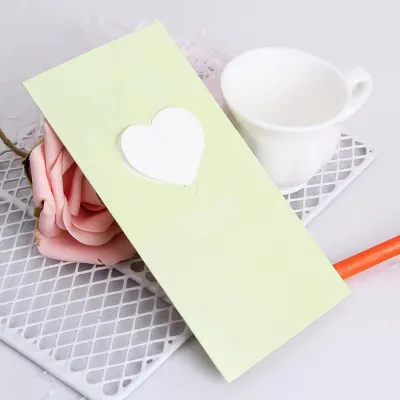
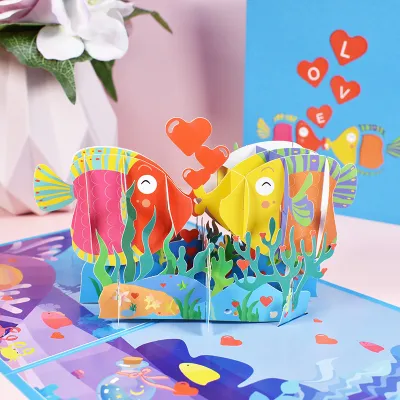
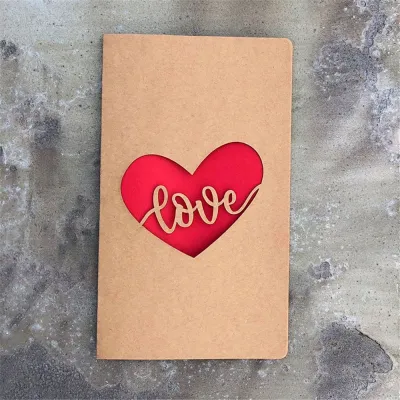
![[SG SELLER] 3D Pop Up Greeting Cards Valentine Cards Wedding Cards Anniversary Engagement Thank you Cards Festive Season Cards Happy Anniverary](https://img.lazcdn.com/g/p/a2c75e45055ac80534988f63eb56718a.jpg_400x400q80.jpg_.webp)
Prices are valid at publication and may change. Please refer to the product page for the latest price.
The printing technique is the next major decision point, as it dictates the visual depth of your cards. Digital printing is the most common and cost-effective method, offering flat, smooth ink application suitable for colorful illustrations and complex gradients. For a more tactile, luxurious feel, letterpress printing physically presses the design into thick, soft paper, creating a deep debossed effect. Foil stamping uses heat and pressure to apply metallic foil (such as gold, rose gold, or silver) to the paper, providing a brilliant shine that digital metallic inks cannot replicate. Finishing options, such as edge gilding, hand-torn deckled edges, custom wax seals, and vellum wraps, add the final layers of personalization to your suite.
Before committing to a large order, it is highly recommended to request or purchase physical sample packs from your prospective suppliers. Digital screens often distort colors, and they cannot convey the tactile differences between paper weights and textures. A physical sample allows you to test how different inks look on colored paper, feel the weight of the cardstock, and observe the crispness of the foil stamping or letterpress work. It also provides an opportunity to conduct simple tests, such as checking ink transfer or observing how the paper reacts to handling, ensuring your guests receive pristine invitations.
Understanding a supplier’s customization limits, proofing processes, and revision policies is essential to avoid unexpected costs and timeline delays. Most suppliers offer a set number of digital proofing rounds—typically two or three—within their base package, during which you can request adjustments to typography, layout, and wording. Any revisions beyond this limit usually incur additional design fees. You must carefully review the supplier’s policy regarding typographical errors; while the supplier is responsible for printing errors that differ from the final approved digital proof, the client is almost always liable for any spelling or grammatical mistakes that were approved during the proofing stage.
Best Supplier Types for Traditional and Classic Styles
For couples planning a formal, timeless celebration, the ideal supplier profile is a boutique stationery studio or a specialized letterpress workshop. These local artisans focus on heritage printing techniques and offer a high level of hands-on customization. They typically work with premium materials and maintain strict quality control standards, making them perfect for executing intricate, high-end designs that exude elegance and sophistication.

The hallmark features of classic and traditional wedding cards center around rich textures and deep physical impressions. Heavy cotton paper, often in shades of off-white, cream, or soft ivory, serves as the perfect canvas for letterpress printing and hot foil stamping. Traditional typography relies on elegant serif fonts paired with flowing, sophisticated calligraphy scripts. The layouts are typically symmetrical, balanced, and clean, prioritizing legibility and formal spacing over experimental design elements.
When evaluating a boutique supplier’s portfolio for classic styles, pay close attention to their handling of formal wedding wording etiquette, monogram integration, and layout alignment. A reputable traditional supplier should be well-versed in the nuances of formal invitation wording, including how to properly list hosts, parents, and honorifics. Examine their previous work to ensure that custom monograms are seamlessly integrated into the design without cluttering the text, and verify that the margins and line spacing are visually balanced and consistent across the entire stationery suite.
Furthermore, you should verify the supplier’s experience with premium assembly and embellishments, as classic invitations often feature multiple components. Ask to see examples of their custom wax seals, silk or satin ribbon wraps, and envelope liners. A high-quality supplier will ensure that wax seals are consistently shaped and securely adhered using high-grade, flexible wax that will not crack during transit. They should also offer advice on the best assembly methods and envelope weights to ensure that the entire suite feels cohesive and substantial when held.
Top Choices for Modern and Minimalist Designs
Couples seeking a clean, contemporary aesthetic will find their ideal match in online design platforms, modern independent designers, and specialty printers who work with non-traditional materials. These suppliers excel at translating modern graphic design trends into tangible stationery, offering streamlined ordering processes, digital-first workflows, and a wide array of unique materials like acrylic, vellum, and matte cardstocks.
The hallmark features of modern wedding cards include sleek matte finishes, acrylic or vellum materials, geometric layouts, generous use of negative space, and minimalist sans-serif typography. Rather than relying on ornate illustrations or traditional metallic foils, modern designs often use bold color blocks, asymmetrical text placement, and unconventional materials to make a statement. Frosted or clear acrylic cards, semi-translucent vellum overlays, and deep matte cardstocks in earthy or moody tones are highly popular choices for contemporary celebrations.
Evaluating digital proofing accuracy is particularly crucial when working with modern, non-traditional materials. Printing on clear acrylic or dark-colored cardstock requires specialized white ink underlays to ensure that the text remains legible and that colors do not appear muddy or translucent. When reviewing digital proofs for these materials, ask the supplier to explain how they handle color calibration and opacity. It is also wise to ask for physical photos of past projects using the exact same material and ink combination to verify how the colors translate from the screen to the physical product.
Another key consideration for modern couples is the availability of eco-friendly and sustainable material options. Many modern suppliers offer FSC-certified recycled papers, bamboo paper, or even plantable seed papers that guests can bury to grow wildflowers. When opting for these sustainable materials, you must balance the convenience of using pre-designed DIY templates against the benefit of hiring the platform’s in-house designers for a final polish. While templates are budget-friendly, an in-house designer can adjust the layout to ensure that your text fits perfectly without compromising the minimalist aesthetic or the structural integrity of eco-friendly paper.
Sourcing Cards for Cultural and Bilingual Wedding Themes
In Singapore’s multicultural landscape, many couples require wedding cards that honor specific cultural traditions, color palettes, and bilingual text. The ideal supplier profile for these needs is an established local traditional printer or a specialized cultural stationery brand. These printers possess deep knowledge of cultural customs, traditional motifs, and the specific wording requirements for Chinese, Malay, Indian, and bilingual wedding invitations.
Cultural wedding invitations often demand precise color matching and intricate production techniques. For Chinese weddings, achieving the correct shade of auspicious red—paired with vibrant, non-tarnishing gold foil—is paramount. Intricate laser-cut sleeves, double happiness symbols, and dragon and phoenix motifs require precise cutting machinery to avoid charred edges or fragile tears. For Malay weddings, elegant floral borders, Islamic geometric patterns, and traditional Jawi script are common, while Indian weddings often feature rich jewel tones, intricate mandala patterns, and representations of deities like Lord Ganesha, requiring highly detailed multi-color printing.
Verifying bilingual font support and cultural accuracy is a critical step when selecting a supplier for bilingual cards. The supplier must use high-quality, professional font libraries that render non-English characters (such as Chinese Hanzi or Tamil script) cleanly and without formatting errors. The layout must be carefully balanced so that both languages receive appropriate hierarchy and space, preventing the card from looking cluttered. A knowledgeable supplier will also guide you through the traditional wording structures for both sides of the family, ensuring that cultural protocols are respected.
Additionally, cultural weddings in Singapore often involve larger guest lists and multiple events, making bulk pricing and minimum order quantities (MOQs) important factors. You may need different card variants—for example, one set for the formal church solemnization, another for the traditional tea ceremony, and a larger batch for the Chinese wedding banquet or Malay wedding reception. Discuss these requirements with your supplier early to see if they offer package deals for multiple variants, and verify how their MOQs apply to different card designs within the same order to optimize your budget.
Comparing Supplier Types: Customization, Pricing, and Timelines
To help you make an informed decision, it is valuable to compare the three primary categories of wedding card suppliers across key operational dimensions. Each supplier type represents a trade-off between design flexibility, cost, and production speed, which must be aligned with your wedding budget and timeline.
The following table outlines the typical characteristics of each supplier type in Singapore:
| Supplier Type | Customization Depth | Relative Price Range | Minimum Order Quantity (MOQ) | Typical Lead Time |
|---|---|---|---|---|
| Boutique Stationery Studios | Fully bespoke; unlimited material and finish choices | Premium (S$8.00 to S$25.00+ per suite) | Low (typically 30 to 50 units) | 6 to 12 weeks |
| Online Design Platforms | Template-based with semi-custom text and colors | Budget-friendly to Mid-range (S$3.00 to S$8.00 per suite) | Low to None (often 10 to 20 units) | 2 to 4 weeks |
| Traditional Cultural Printers | Standard cultural templates with bilingual customization | Budget-friendly (S$1.50 to S$5.00 per card) | High (typically 100 units or more) | 3 to 6 weeks |
When planning your stationery budget, you must factor in local delivery times, buffer periods for potential reprints, and hidden costs that are often excluded from initial quotes. If you are sourcing cards from overseas online platforms, shipping to Singapore can take anywhere from a few days to several weeks, and may incur additional import taxes or GST. Always build in a buffer period of at least two to three weeks to account for any shipping delays, material shortages, or the need to reprint cards due to guest list changes or spelling corrections.
Hidden costs can quickly inflate your stationery budget if not identified early. Many suppliers quote prices for the invitation card alone, leaving you to pay extra for matching envelopes, envelope liners, custom wax seals, assembly labor, and postage stamps. Furthermore, heavy or non-standard card sizes (such as square or thick acrylic cards) require additional postage when mailing through SingPost. To maintain control over your budget, ask your supplier for a fully itemized quote that includes all desired embellishments, envelopes, and assembly services before signing the contract.
Frequently Asked Questions (FAQ)
How far in advance should I order wedding cards in Singapore?
You should generally begin the process of sourcing and ordering your wedding cards four to six months before your wedding date. This timeline is divided into several key phases: one to two months for design, proofing, and revisions; one month for printing, curing, and assembly; and another month for addressing, packaging, and mailing. If you are opting for highly customized techniques like letterpress or sourcing specialty materials from overseas, add an extra four weeks to the timeline. For guests residing outside of Singapore, invitations should ideally be sent out eight to twelve weeks in advance, whereas local guests should receive theirs six to eight weeks before the event.
Do local suppliers offer eco-friendly or seed paper options?
Yes, many stationery suppliers in Singapore now offer sustainable and eco-friendly options, including FSC-certified recycled papers, cotton paper made from textile waste, and plantable seed paper. Plantable seed paper is embedded with wildflower or herb seeds, allowing guests to plant the card in soil after the wedding. When selecting these eco-friendly materials, it is important to verify their compatibility with your desired printing techniques. For instance, highly textured seed paper is excellent for digital printing with soy-based or vegetable-based inks, but it may not yield clean, crisp results with deep letterpress or fine foil stamping due to the irregular surface and embedded seeds. Always consult your supplier to ensure your design matches the physical properties of the sustainable paper.
Community discussion
Share your experience or ask a question. Comments are reviewed before publication.