
Finding the perfect greeting card in Singapore requires balancing aesthetic appeal with tactile quality. For birthdays and casual milestones, local independent illustrators like Wheniwasfour and mainstream lifestyle brands like The Paper Bunny lead the market with creative, culturally resonant designs. For weddings and formal events, luxury heritage stationers like Bynd Artisan and premium global lines such as Papyrus or Hallmark Signature offer the exquisite tactile finishes required for major life achievements. For professional thank-you notes, minimalist boxed sets from Moleskine or Leuchtturm1917 provide clean, heavy cardstock that resists fountain pen ink feathering. Understanding how to evaluate paper weight, printing techniques, and envelope quality will ensure your chosen card leaves a lasting, positive impression.
How to Evaluate Greeting Card Quality Before You Buy
Paper weight is the most fundamental indicator of greeting card quality, directly affecting how the card feels in the hand and how well it stands on a mantelpiece. Cardstock quality is measured in GSM (grams per square meter). A premium card typically starts at 300 GSM, giving it a stiff, satisfying weight that does not warp or bend under its own weight. Standard mass-market cards often use 200 to 250 GSM paper, which can feel flimsy and cheap. Texture plays an equally critical role in the sensory experience. Matte finishes offer a clean, modern look that is easy to write on, while linen finishes feature a subtle, cross-hatched texture that exudes classic elegance. Cotton paper, often used in high-end letterpress printing, is incredibly soft and thick, absorbing ink deeply without feathering. To verify bleed resistance, perform a quick spot test on a hidden corner of the card or use a scrap piece of the same paper; premium cotton and high-GSM wood-pulp papers prevent wet inks from spreading or showing through the reverse side.
Printing and embellishment techniques further distinguish premium cards from standard digital prints. Letterpress printing uses physical plates to press ink deep into thick, soft paper, creating a beautiful tactile debossed effect that you can feel with your fingertips. Foil stamping applies metallic foil to the paper using heat and pressure, which should result in razor-sharp edges without any peeling or flaking. Embossing raises the design above the paper’s surface; you can easily verify genuine embossing by feeling the corresponding indentation on the reverse side of the card. Inferior cards often use cheap raised thermography ink that can crack or flake off over time, whereas genuine embossing maintains its structural integrity indefinitely.
Products mentioned in this guide
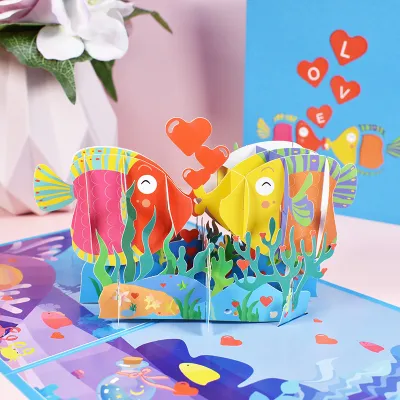
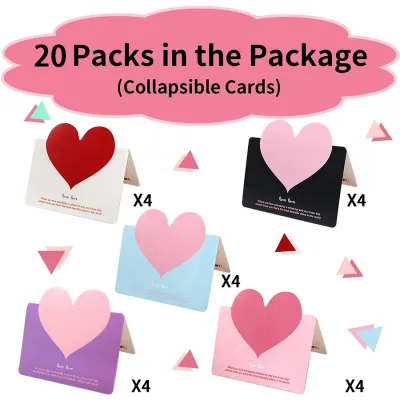
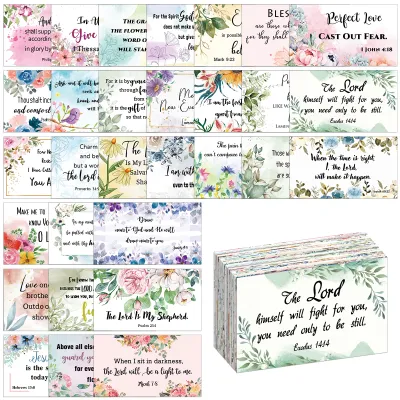
Prices are valid at publication and may change. Please refer to the product page for the latest price.
Envelopes are the first point of contact for the recipient and should never feel like an afterthought. Look for envelopes crafted from at least 120 GSM paper to ensure they protect the card and maintain a premium feel. High-quality envelopes often feature inner linings made of tissue, patterned paper, or metallic foil, which add structural rigidity and ensure complete privacy for your message. The seal is also important: while traditional gummed seals require moisture to activate, peel-and-seal strips are highly practical in Singapore’s humid climate, as they prevent the adhesive from prematurely degrading or sticking due to ambient moisture.
Matching the card’s visual and textual tone to your relationship with the recipient is essential for a meaningful exchange. A formal wedding demands elegant serif typography and minimal, respectful text, leaving ample blank space for personal messages. A casual birthday card can leverage playful hand-lettering, bold colors, and humorous or colloquial sentiments. Assess whether the card’s layout leaves enough physical space for your handwriting style, ensuring your personal message remains the focal point rather than being crowded by pre-printed text.
Top Greeting Card Brands for Birthdays and Casual Milestones
Mainstream Lifestyle and Stationery Retailers
Mainstream lifestyle and stationery chains in Singapore offer excellent accessibility and trendy designs for casual celebrations. Brands like Typo, a staple in major shopping malls such as Plaza Singapura, Bugis Junction, and VivoCity, specialize in humorous, irreverent, and pop-culture-themed cards. These retailers rotate their designs frequently, ensuring you can always find a card that reflects current humor, internet memes, or popular television shows. Another prominent local player is The Paper Bunny, which balances modern, aesthetic, and uplifting design languages with high-quality, thick paper. Their cards often feature motivational quotes, elegant pastel palettes, and clean illustrations that appeal to a wide demographic.

Shopping at these mainstream brick-and-mortar stores allows you to physically inspect the cardstock and envelope quality before making a purchase. This is particularly convenient for last-minute buyers who need a card immediately and want to avoid the wait times associated with online shipping. You can easily test the rigidity of the card and ensure the envelope matches perfectly in terms of size and color alignment under natural store lighting.
However, mass-produced cards have inherent limitations. Because these designs are distributed widely across Singapore, there is a higher chance that your recipient has seen or received the exact same card before. Additionally, these cards rarely feature premium embellishments like hand-painted details or letterpress printing, as they are optimized for high-volume digital printing on standard 250 to 300 GSM cardstock.
Local Independent Illustrators and Boutiques
For those seeking unique, culturally resonant, or highly personalized birthday cards, supporting local Singaporean independent illustrators and boutique studios is an exceptional choice. Brands like Wheniwasfour and The Little Drom Store are famous for incorporating local Singaporean culture, nostalgic motifs, and Singlish humor into their stationery. Their designs feature beloved local food icons like iced gem biscuits, ang ku kueh, and traditional coffee shop cups, alongside witty phrases like “Happy Birthday, Steady Lah!” or “Hope your day is double-confirm awesome.” This hyper-local context adds a layer of warmth and personal connection that global brands simply cannot replicate.
These independent brands are typically found in curated boutique lifestyle stores, local craft markets like Public Garden, or through their dedicated online storefronts. Shopping directly from these creators often allows for minor customizations, such as requesting a specific hand-written name or a custom color tweak, especially if you contact the illustrator directly through their social channels or website. This level of service transforms a simple greeting card into a bespoke piece of art.
When purchasing from independent creators, it is important to plan ahead and check lead times. Because these artists print in small batches, popular designs can sell out quickly, and restocking can take several weeks. Furthermore, if you are ordering online, you must account for local shipping times to ensure the card arrives well before the scheduled celebration.
Premium Card Brands for Weddings and Formal Events
Heritage and Luxury Stationers
When celebrating high-stakes life events like weddings, significant anniversaries, or formal corporate achievements, heritage and luxury stationers provide the necessary sophistication and craftsmanship. Bynd Artisan is a premier Singaporean brand renowned for its exquisite leather crafting and bespoke paper goods. They offer ultra-premium greeting cards and stationery sets that feature heavy cotton paper, hand-stitched leather accents, and custom calligraphy options. Their attention to detail ensures that the card itself serves as a treasured keepsake, often kept by the recipient for years alongside their most valued mementos.
These luxury brands prioritize the finest materials, utilizing heavy 300+ GSM cotton paper that possesses a soft, pillowy texture ideal for absorbing rich inks. Many of their premium cards incorporate genuine leather details, hand-painted gold gilded edges, and hand-bound presentation folders instead of standard envelopes. This level of craftsmanship is immediately apparent to the touch, conveying a deep sense of respect and honor to the recipient.
The premium materials and intensive labor involved are reflected in the higher price positioning, with individual cards often costing between S$15 and S$30 or more. To fully appreciate the tactile quality and weight of these luxury offerings, visiting their physical ateliers at locations like ION Orchard or Holland Village is highly recommended. This also provides an opportunity to consult with their staff regarding custom embossing or engraving services.
Premium Commercial and Specialty Brands
For formal occasions where a highly personalized or colloquial card might feel inappropriate, premium commercial brands offer a safe, elegant, and reliable choice. Global giants like Papyrus and Hallmark Signature, which are widely imported and sold at high-end bookstores like Books Kinokuniya at Ngee Ann City, represent the pinnacle of commercial card engineering. These premium lines feature complex, multi-layered paper designs, intricate laser-cut patterns, metallic foil accents, gems, ribbons, and sophisticated typography.
These brands excel at providing formal, universally respectful messaging suitable for colleagues, business partners, or distant relatives. The visual complexity of a laser-cut or heavily foiled card conveys effort and thoughtfulness, making it an excellent accompaniment to a formal wedding gift or a corporate congratulatory gesture. The pre-printed sentiments are carefully crafted to be elegant and appropriate, saving you the pressure of drafting long, formal messages yourself.
In Singapore’s multicultural society, it is crucial to verify that the imagery and pre-printed text of these global brands align with local cultural wedding customs. For example, gold and red accents are highly auspicious for Chinese weddings, while avoiding certain symbols or colors might be necessary for other traditional ceremonies. Ensure the card’s design complements the presentation of monetary gifts, such as red packets (ang baos) or green packets, if they are being given together.
Minimalist and Professional Brands for Thank-You Notes
Professional thank-you notes require an understated elegance that emphasizes the written message rather than distracting graphics. A high-quality professional card should feature heavy, neutral cardstock in shades of white, cream, or charcoal, paired with minimalist sans-serif or classic serif typography. Overly emotional sentiments, cartoon illustrations, or bright, neon colors should be avoided in favor of a clean, sophisticated aesthetic that commands respect in a corporate or academic setting.
Brands like Moleskine and Leuchtturm1917 offer exceptional boxed correspondence sets that are perfect for professionals who regularly send notes of appreciation. These sets typically include 10 to 20 identical cards with matching, high-GSM envelopes, ensuring you always have a polished note ready after an important client meeting, job interview, or professional favor. Local minimalist design studios also offer beautiful, unadorned thank-you cards that prioritize paper texture and clean layout over busy visuals.
Because heavy cardstock—particularly cotton-based or textured paper—is highly absorbent, pairing it with the correct writing instrument is essential to prevent smudging and feathering. Feathering occurs when wet ink spreads along the paper fibers, making your handwriting look blurry and unprofessional. To ensure clean, sharp lines, write with pigment-based gel pens, such as the Uni-ball Signo, or fine-line pigment pens like the Sakura Pigma Micron, which dry quickly and resist water.
If you prefer the classic feel of a fountain pen, you must verify that the cardstock is fountain-pen-friendly. Many premium matte and cotton papers absorb fountain pen ink beautifully without bleeding through, but highly coated or glossy papers will cause the ink to pool and smear. Always test your pen and ink combination on a small, inconspicuous area of the card or an included test sheet before writing your final message.
Where to Buy and Inspect Greeting Cards in Singapore
Singapore offers a diverse retail landscape for purchasing greeting cards, ranging from major commercial bookstores to boutique lifestyle malls. For the widest selection of both imported global brands and local independent designs, Books Kinokuniya, particularly their flagship store at Ngee Ann City, is unmatched. Popular Bookstore locations across the island are excellent for budget-friendly, traditional, and mass-market cards. For trendy, modern, and boutique options, lifestyle malls like Funan, Millenia Walk, and Jewel Changi Airport house specialized stationery shops and local design boutiques.
Shopping in-store is highly advantageous because paper quality, texture, and weight cannot be accurately judged through a digital screen. Physically handling the card allows you to feel the stiffness of the cardstock, test the smoothness of the writing surface, and ensure the envelope fits snugly without bending the card’s corners. Furthermore, you can verify the true color of metallic foils and ink shades under natural or store lighting, which can often look different from online product photos.
When purchasing greeting cards online through brand websites or local e-commerce platforms, several logistical factors must be considered. Always check the estimated shipping times within Singapore, especially if you have a tight deadline for an upcoming event. Ensure the retailer explicitly states that they ship cards in rigid, bend-proof cardboard mailers, as standard plastic polymailers offer no protection against creasing or corner damage during transit in a delivery rider’s bag. Additionally, review the return policy for paper goods, which are frequently non-refundable once opened.
If you require a specific quantity of cards for a large event, such as corporate holiday mailings, wedding favors, or bulk thank-you notes, it is wise to call physical retail stores ahead of time or check online stock indicators. Many boutique stationery shops carry limited shelf stock—often only three to five copies of a single design—and will need several weeks of advance notice to fulfill bulk orders from their central warehouses or independent creators.
Frequently Asked Questions (FAQ)
Can I get custom names or messages printed on cards in Singapore?
While mainstream lifestyle retailers and major bookstores only sell pre-printed or blank cards, local independent boutiques, luxury stationers like Bynd Artisan, and freelance calligraphers frequently offer custom printing and personalization services. Depending on the provider, you can have custom names, specific wedding dates, or entire personalized messages printed or hand-written on your cards. When ordering custom stationery, always inquire about lead times, which typically range from one to three weeks, as well as minimum order quantities (MOQs) and the required digital file formats if you are providing your own design artwork.
What are the standard postage rates and size limits for greeting cards in Singapore?
Singapore Post (SingPost) categorizes mail by size, weight, and thickness, which directly affects the required postage. Standard Regular mail must fit within specific dimensions—typically up to 240mm x 162mm x 6mm—and weigh under 20g or 40g, which accommodates most standard-sized greeting cards and envelopes. However, heavily embellished cards featuring thick ribbons, wooden elements, gems, or multi-layered paper engineering often exceed the 6mm thickness limit and must be sent as Standard Large or Non-Standard mail, which requires higher postage rates. To avoid delivery delays or returned mail, always check the latest SingPost guidelines and weigh your card on a postal scale, or visit a post office branch if your card is oversized or unusually heavy.
How can I find eco-friendly or recycled greeting cards?
To ensure your greeting cards are environmentally friendly, look for internationally recognized certifications printed on the back of the card or its packaging, such as the Forest Stewardship Council (FSC) or the Programme for the Endorsement of Forest Certification (PEFC) logos. These certifications guarantee that the paper was sourced from responsibly managed forests. Additionally, many local independent Singaporean brands actively prioritize sustainability by printing on 100% post-consumer recycled paper, using non-toxic soy-based inks, and offering biodegradable packaging. Some innovative local brands even offer seed paper cards, which can be planted in soil after use to grow wildflowers or herbs, completely eliminating waste.

Community discussion
Share your experience or ask a question. Comments are reviewed before publication.