
Selecting the right greeting card for a teacher in Singapore requires balancing professional respect with genuine gratitude. A thoughtful card serves as the centerpiece of appreciation, whether presented on Teachers’ Day, at graduation, or at the end of an academic term. The ideal card brand delivers a combination of tactile quality, refined design, and a writing surface that preserves your handwritten message without smudging or bleeding.
To make a lasting impression, the card must feel intentional. Rather than a last-minute purchase, choosing a card from a reputable stationery brand demonstrates that you have put thought into every detail of the gift. By focusing on material standards, design aesthetics, and local gifting etiquette, you can find a card that honors the teacher’s dedication while remaining entirely appropriate for the school environment.
What Makes a Greeting Card Appropriate for Teachers
When selecting a greeting card for an educator, the tone of both the visual design and the written message must align with professional boundaries. While humor is welcome, it should remain lighthearted and school-appropriate, avoiding overly familiar jokes or sensitive topics. A safe approach is to focus on themes of growth, guidance, patience, and inspiration. The design should reflect the teacher’s role, utilizing classic illustrations, elegant typography, or clean minimalist layouts that convey respect.
Products mentioned in this guide
![[MIN 3 CARDS] 🇸🇬SG Punny Teacher Appreciation Card Special Editions for Graduation Greeting Thank You Heartfelt Support Message Card](https://img.lazcdn.com/g/ff/kf/S46b8562713de4564b8cea4c9945a655fF.jpg_400x400q80.jpg_.webp)
Prices are valid at publication and may change. Please refer to the product page for the latest price.
Paper quality is the most immediate indicator of a card’s value. A premium card should feel substantial when held, which is determined by its paper weight, measured in grams per square meter (GSM). Standard greeting cards often use paper between 200 and 250 GSM, but premium brands typically opt for 300 GSM or higher. This thickness ensures the card stands upright on a desk without bending or warping under Singapore’s humid conditions. Textured finishes, such as linen, felt-marked, or cotton paper, add a tactile dimension that immediately elevates the gifting experience.
Beyond weight, the paper’s finish directly impacts how well it accepts handwritten messages. Uncoated or matte papers are highly recommended for teacher gifts because they absorb ink efficiently. If you or your child plan to write with a gel pen, rollerball, or fountain pen, uncoated paper allows the ink to dry quickly, minimizing the risk of smudging. Conversely, highly coated or glossy papers, while vibrant in color, resist ink absorption and require extended drying times, which often leads to accidental smears during a hurried signing session.
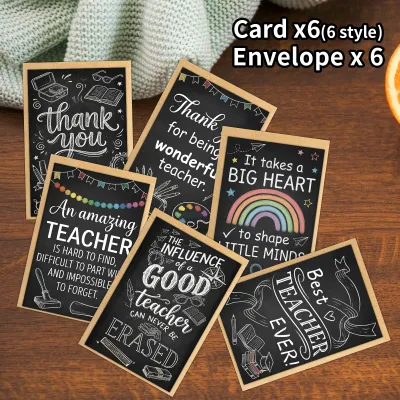
Design aesthetics should be matched to the teacher’s unique personality or subject area. A minimalist design with clean lines and subtle gold foil accents suits a secondary school or junior college tutor who appreciates modern simplicity. Floral and botanical illustrations offer a timeless, warm aesthetic suitable for primary school teachers. Typographic cards, which feature bold, beautifully styled quotes about education or gratitude, serve as standalone pieces of art that teachers often display on their classroom notice boards for years.
Types of Greeting Card Brands to Explore
Premium Stationery and Paper Goods Brands
Premium international stationery brands are celebrated for their uncompromising material standards and classic design sensibilities. These brands often employ traditional printing techniques such as letterpress, where the design is physically pressed into thick, pillowy cotton paper, or hot foil stamping, which leaves a metallic gleam. The envelopes paired with these cards are equally high in quality, often featuring heavy paper weights, elegant square flaps, or contrasting paper liners that make opening the card feel like an event.

When evaluating premium brands, look for hallmarks of authentic craftsmanship. Inspect the edges of any foil stamping; they should be sharp and clean, without any flaking or misalignment. Letterpress designs should have a consistent depth of impression that you can feel clearly with your fingertips. These brands also prioritize environmental responsibility, frequently using Forest Stewardship Council (FSC) certified paper and soy-based inks, which you can verify by checking the back of the card for certification symbols.
In Singapore, premium imported cards generally range from S$8 to S$15 each. While this is higher than mass-market alternatives, the investment is visible in the card’s structural integrity and refined presentation. To verify that you are paying for genuine premium quality rather than a basic print, check the card’s specifications on the packaging or brand website, ensuring the paper weight is explicitly stated as 300 GSM or above and that the card is printed on specialty archival paper.
Local Independent Illustrators and Design Studios
Choosing a card from a local Singaporean illustrator or independent design studio adds a deeply personal and culturally resonant touch to your gift. Local artists frequently incorporate familiar Singaporean motifs, landmarks, local flora, or gentle school-themed humor that resonates with educators working in the local school system. These designs offer a refreshing alternative to generic, mass-produced cards, showing that you have sought out something unique and supportive of the local creative community.
To verify the authenticity and production ethics of local independent brands, look for transparency regarding where and how the cards are printed. Reputable local studios often collaborate with small-batch printing presses in Singapore, ensuring close quality control. Many independent creators share their production processes on their official websites or social media channels, highlighting their commitment to sustainable sourcing, small print runs, and plastic-free packaging.
When purchasing from independent runs, it is important to inspect the paper and print quality closely. Because these cards are produced in smaller quantities, paper stocks can vary. Check that the card uses a sturdy cardstock of at least 270 GSM so it does not feel flimsy. Examine the print resolution; colors should be saturated and lines should be crisp, without any visible pixelation or banding. A quick test write with your preferred pen on a scrap piece of similar paper can help you verify that the ink will not bleed through the card’s fibers.
Customizable and Personalized Card Platforms
Customizable card platforms allow you to design a bespoke card tailored specifically to your teacher. This option is particularly valuable for class gifts, where you can upload a group photo of the students, incorporate the school’s colors, or leave dedicated spaces for multiple student signatures. Online design interfaces typically offer a variety of pre-designed templates, allowing you to drag and drop elements, adjust typography, and preview the final product before it goes to print.
When using these platforms, evaluate the usability of their design tools and the flexibility of their templates. Ensure the platform allows you to upload high-resolution images (at least 300 DPI) to prevent the printed photo from appearing blurry or pixelated. Look for material options that allow you to upgrade the paper stock; choosing a premium matte or fine art paper finish is essential if you plan to have students sign the card, as standard glossy photo paper will cause most pens to smudge.
Managing delivery timelines is critical when ordering customized cards. Because these items are printed to order, you must factor in both production lead times and shipping durations. In Singapore, local custom printing services typically require 3 to 5 business days for production, with an additional 2 to 3 days for local courier delivery. Always request a digital proof to check for spelling errors, layout alignment, and image clarity before finalizing your order, ensuring the card arrives well ahead of your presentation date.
How to Pair Greeting Cards with Other Teacher Gifts
A beautifully written greeting card is often the most cherished part of a teacher’s gift, but pairing it with a small, practical item can create a cohesive and thoughtful presentation. When selecting a companion gift, prioritize utility and quality over extravagance. Excellent options include premium writing instruments, such as a smooth-writing gel pen or a classic rollerball pen, which the teacher can use daily for grading. Other appropriate pairings include tins of artisanal tea, specialty coffee drip bags, or high-quality chocolates.
To present the card and gift cohesively, pay attention to the packaging and wrapping. Avoid excessive plastic packaging; instead, opt for reusable or recyclable materials. You can tie the greeting card to the gift box using a simple piece of natural twine or a fabric ribbon that matches one of the accent colors on the card. If you are presenting a gift bag, place the card in its envelope resting neatly on top of the tissue paper, ensuring it is the first thing the teacher sees and opens.
It is crucial to remain mindful of school policies and ethical guidelines regarding teacher gifts in Singapore. The Ministry of Education (MOE) has clear guidelines stating that teachers should not accept expensive gifts to avoid any perception of obligation or conflict of interest. Keep your gifts modest, practical, and focused on appreciation. A high-quality card paired with a small token valued under S$20 to S$30 is generally considered appropriate, respectful, and compliant with school protocols, ensuring the teacher can accept your gesture of thanks without any discomfort.
Where to Buy Greeting Cards in Singapore
For those who prefer a tactile shopping experience, specialty stationery stores and independent bookstores located in central shopping districts offer an excellent selection of curated greeting cards. Visiting a physical store allows you to feel the texture of the paper, assess the weight of the cardstock, and view the true colors of the designs under natural light. Many of these boutiques stock both premium international brands and exclusive collections from local illustrators, making it easy to compare different styles side by side.
Another excellent source for unique, artistic cards is the gift shops of local museums, art galleries, and botanical gardens. These shops often carry exclusive stationery lines featuring botanical illustrations, historical prints, or contemporary artworks that you will not find in standard retail chains. A card featuring a beautiful botanical print of local orchids or a minimalist architectural sketch of a Singapore landmark makes for a highly sophisticated and memorable teacher gift.
If you prefer shopping online, reputable e-commerce platforms and official brand websites offer convenience and a wider variety of designs. When purchasing online, always verify the seller’s ratings, read customer reviews regarding packaging quality, and check the shipping origin. To ensure your cards arrive in pristine condition without bent corners or water damage from transit, look for sellers who ship their cards in rigid, cardboard-backed mailers or protective sleeves, and place your order early to account for any shipping delays.
Frequently Asked Questions (FAQ)
Is it appropriate to give a digital greeting card to a teacher?
Digital greeting cards can be appropriate and highly practical, particularly for class-wide gifts where students are studying remotely or are spread across different locations. They allow multiple contributors to add their personal messages, photos, and even short video clips to a single link, creating a collaborative digital keepsake. This format is also highly sustainable and eliminates the risk of physical damage or loss.
However, digital cards often lack the tactile warmth and sentimental value of a physical card. To make a digital card feel personal, ensure that the messages are detailed and specific rather than generic templates. If school policies permit, you can send the digital card link via a dedicated email, or print a high-quality QR code on a small, beautifully designed physical cardholder, allowing the teacher to scan and access the collaborative digital board easily.
How much should I spend on a greeting card for a teacher?
In Singapore, standard mass-market greeting cards typically cost between S$3 and S$5. For a special occasion like a teacher’s gift, investing in a premium, hand-illustrated, or letterpress card priced between S$6 and S$12 is highly appropriate. This price range reflects superior paper quality, ethical production, and unique artistic designs that stand out and feel genuinely celebratory.
When planning your budget, remember that the card’s value lies in the sincerity of the written message rather than its price tag. A premium card does not need to be accompanied by an expensive gift; in fact, a beautifully crafted S$10 card with a heartfelt, handwritten note is often far more meaningful to a teacher than an expensive commercial item. Keep your total expenditure modest to ensure compliance with local school gift policies and to keep the focus entirely on genuine appreciation.

Community discussion
Share your experience or ask a question. Comments are reviewed before publication.