
Choosing the right label maker for your kitchen organization or professional food business requires looking beyond the device’s exterior design. The core printing technology dictates how well your labels survive the harsh, variable environments of a kitchen. If you are deciding between thermal transfer and direct thermal label makers for food label stickers, the optimal choice depends entirely on your storage conditions and how long the food needs to be tracked.
For long-term storage, frozen goods, and containers exposed to heat, moisture, or frequent washing, thermal transfer technology is the superior option. It produces highly durable, fade-resistant labels that withstand extreme temperatures and chemical exposure. Conversely, direct thermal printing is ideal for short-term meal prep, rapid inventory rotation, and dry pantry organization where labels only need to remain legible for a few days or weeks. Direct thermal machines offer a simpler, ribbon-free setup that is highly convenient for quick labeling tasks, provided the stickers are kept away from direct heat and excessive moisture.
How the Printing Technologies Differ in the Kitchen
To understand why one technology might fail where the other excels, it is necessary to examine how they apply markings to a label. Direct thermal printing utilizes a thermal printhead to apply heat directly to a specially treated, heat-sensitive paper or synthetic medium. This medium contains a chemical coating that turns dark when heated, forming your text or graphics without the need for ink, toner, or ribbons. Because the label material itself remains chemically active after printing, it remains highly sensitive to environmental factors. If a direct thermal label is exposed to ambient heat, warm steam, or prolonged sunlight, the unprinted areas can slowly darken, eventually making the entire sticker unreadable.
Products mentioned in this guide
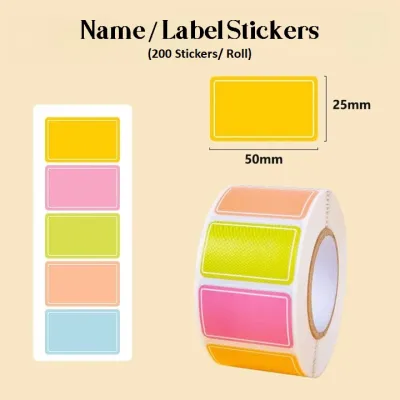
Prices are valid at publication and may change. Please refer to the product page for the latest price.
In contrast, thermal transfer printing relies on a dual-component system consisting of a thermal printhead and an inked ribbon. The printhead applies heat to the ribbon, melting a wax- or resin-based ink directly onto the surface of the label material. This process creates a permanent, physical bond between the ink and the substrate. Because the label material does not rely on a heat-sensitive chemical coating, the printed image is highly stable and inert once cooled. The ink becomes locked onto the surface, offering exceptional resistance to the environmental stressors common in culinary spaces.
In a typical kitchen context, these mechanical differences manifest in noticeable ways. If you place a direct thermal label on a container of freshly cooked, steaming soup, the radiant heat from the container can trigger the chemical coating, causing the label to turn grey or black. Similarly, leaving direct thermal labels on spice jars positioned near a stove or on a shelf exposed to afternoon sunlight will cause the text to fade prematurely. Thermal transfer labels, however, remain completely unaffected by these moderate temperature changes, ensuring your ingredients remain clearly identified regardless of where they are stored.
Durability: Heat, Moisture, and Smudge Resistance
The kitchen is one of the most demanding environments for any adhesive label. Between boiling pots, freezing temperatures, high humidity, and constant handling, a label must possess specific resistances to remain useful. Comparing direct thermal and thermal transfer technologies across these physical stressors highlights the stark differences in their longevity.

Heat exposure is the primary weakness of direct thermal labels. Because the printing process relies on heat-sensitive chemistry, any subsequent exposure to elevated temperatures will degrade the print quality. If a labeled container is placed in a microwave for reheating, or if it is washed in a high-temperature commercial dishwasher, a direct thermal label will likely turn completely black or fade into obscurity. Thermal transfer labels, particularly those printed using a resin or wax-resin ribbon on synthetic media, are designed to withstand high heat. They remain perfectly legible and intact when subjected to microwave reheating or the intense heat cycles of household and commercial dishwashers.
Moisture and condensation present another major hurdle, especially in tropical climates like Singapore’s, where ambient humidity is consistently high. When a cold container is removed from a refrigerator or freezer, moisture immediately condenses on its surface. Standard direct thermal paper labels absorb this water, causing the paper fibers to swell, the adhesive to weaken, and the printed text to smudge or bleed. While direct thermal synthetic labels exist, they still face limitations in wet environments. Thermal transfer printing allows you to use highly durable synthetic materials such as polypropylene (BOPP), polyester, or vinyl. These materials are inherently waterproof, ensuring that the label remains firmly attached and the print remains crisp, even when submerged in ice baths or stored in deep freezers for months.
Smudge, scratch, and chemical resistance are also critical when handling food. Kitchens are filled with potential solvents, including cooking oils, animal fats, vinegar, and chemical cleaning sprays. Direct thermal prints are highly susceptible to physical scratching; even a fingernail or a metal utensil scraping against the label can leave a dark mark due to friction-induced heat. Furthermore, exposure to oils or the plasticizers found in common PVC cling films can chemically dissolve the direct thermal image, leaving a blank sticker. Thermal transfer prints, especially those utilizing resin ribbons, are highly resistant to mechanical abrasion and chemical exposure. They will not smudge when wiped with greasy fingers or sprayed with kitchen disinfectants, making them ideal for reusable storage containers.
To ensure your chosen label combination can handle your specific kitchen workflow, you should perform a simple verification test before printing a large batch. Print a sample label and apply it to a test container. Subject the container to a simulated kitchen cycle: rub the label vigorously with a damp cloth, apply a drop of cooking oil to the surface, and place it in your typical storage environment (such as a freezer or near a heat source) for 24 hours. Observe whether the text smudges, the material warps, or the adhesive peels. This trial will help you confirm if your label material and printing technology are fully compatible with your operational demands.
Consumables, Setup, and Ongoing Costs
Beyond durability, the practicalities of daily operation—such as loading supplies, maintaining the hardware, and managing ongoing expenses—play a significant role in determining which label maker is right for your kitchen.
When it comes to setup and daily convenience, direct thermal systems are the clear winner. Because they do not require an ink ribbon, the loading process is incredibly straightforward: you simply open the compartment, drop in a roll of heat-sensitive label paper, feed it through the guide, and close the lid. This simplicity makes direct thermal printers highly compact, lightweight, and portable. They are easy to move around a kitchen counter or store in a drawer when not in use, and there is no risk of ribbon wrinkling or alignment issues during a busy food prep session.
Thermal transfer printers require a more involved setup. Users must load both the label roll and a matching ink ribbon. The ribbon must be threaded correctly through the printhead mechanism, ensuring proper tension to prevent wrinkles, which can cause blank streaks on the printed labels. Furthermore, you must carefully match the ribbon width and material type to your label rolls. For instance, printing on synthetic polyester labels requires a full resin ribbon, while printing on standard paper labels typically uses a wax ribbon. If the ribbon and label materials are mismatched, the print may not adhere properly, resulting in immediate smudging or faint text.
This difference in consumables directly impacts material compatibility. Thermal transfer technology offers immense versatility, allowing you to print on a vast array of materials, including paper, polypropylene, polyester, vinyl, and specialized tamper-evident films. This enables you to select the exact material properties required for your specific containers, whether you need highly flexible vinyl for curved squeeze bottles or ultra-durable polyester for freezer bins. Direct thermal printing is largely restricted to chemically treated paper or a limited selection of thermal synthetic materials, restricting your ability to customize the label’s physical characteristics.
The cost structure of these two technologies involves a trade-off between initial convenience and long-term utility. Direct thermal printing has a lower per-label consumable cost because you only need to purchase the label rolls themselves. There are no ribbons to buy, stock, or replace, which simplifies inventory management and keeps ongoing operational costs low. Thermal transfer printing carries a higher ongoing cost per label because you must purchase both the label rolls and the matching ribbons. Additionally, thermal transfer ribbons are a single-use consumable; once the ink is transferred, that portion of the ribbon cannot be reused. However, in a kitchen environment where labels are exposed to harsh conditions, the higher initial cost of thermal transfer consumables often translates to better long-term value. If a cheap direct thermal label fades or falls off in the freezer, you must spend time and resources reprinting and reapplying it. Investing in durable thermal transfer labels prevents these failures, saving labor and material costs over time.
Decision Framework: Which Label Maker Should You Choose?
Selecting the ideal label maker requires analyzing your specific kitchen workflows, storage conditions, and budget. By applying a conditional framework, you can easily identify which technology aligns with your primary labeling goals.
You should choose a direct thermal label maker if your primary application involves short-term labeling and high-turnover items. If you are labeling daily meal prep containers that will be consumed within one to three days, direct thermal is highly efficient. It is also excellent for temporary pantry organization, labeling dry goods in stable pantry cabinets, or creating dating stickers for items that are rotated quickly. If you value a highly portable, low-maintenance device that does not require managing ribbon inventory, direct thermal provides the most streamlined user experience.
You should choose a thermal transfer label maker if your labeling needs demand maximum durability and longevity. If you regularly label frozen meals, bulk ingredients stored in deep freezers, or items that will remain on shelves for months or years, thermal transfer is essential. It is the correct choice for containers that will undergo frequent washing in hot water, exposure to steam, or reheating in microwaves. Additionally, if you need to print on specialized synthetic materials like vinyl or polyester to ensure chemical and oil resistance, thermal transfer is the only technology capable of delivering those results.
Before making your final purchase, always verify the technical specifications of the specific label maker model you are considering. Check the manufacturer’s documentation to confirm the maximum supported label width and the exact types of label materials the machine can accept. Ensure that the printer is compatible with the specific waterproof, chemical-resistant, or food-safe label rolls you intend to use in your kitchen. Additionally, verify whether the label maker requires proprietary label cartridges or if it can accept universal third-party rolls, as this will significantly impact your long-term consumable flexibility and overall operational costs.
Frequently Asked Questions (FAQ)
Can I put direct thermal food labels in the microwave?
No, you should avoid placing direct thermal food labels in the microwave. Because direct thermal technology relies on heat-sensitive paper, the high temperatures generated during microwaving will activate the chemical coating across the entire label. This causes the entire sticker to turn completely black, rendering your printed text or barcodes entirely unreadable. Additionally, the heat can cause the paper to degrade or release chemical vapors. For containers that require microwave reheating, it is highly recommended to use thermal transfer labels printed on microwave-safe synthetic materials like polyester, which remain chemically stable under heat.
Are thermal label stickers food-safe?
Whether a thermal label sticker is food-safe depends primarily on the physical label material and the adhesive used, rather than the printing technology itself. Most standard label adhesives are designed for indirect food contact, meaning they are safe to apply to the outside of food packaging, jars, or plastic containers. However, if you plan to apply labels directly to unwrapped food items, such as fresh produce, fruits, or baked goods, you must verify that both the label material and the adhesive comply with food-safety standards for direct food contact. Always consult the manufacturer’s specifications to ensure the materials are certified food-safe before applying them directly to consumable items.
Why did my direct thermal label turn completely black?
Direct thermal labels turn black because their chemical coating reacts to environmental heat, friction, or chemical exposure. Common culprits in a kitchen environment include placing the labeled container near a hot stove, exposing it to direct sunlight, or running it through a hot dishwasher cycle. Additionally, physical friction—such as rubbing against other containers during transport—can generate enough localized heat to mark the paper. Finally, contact with certain chemicals, such as the plasticizers found in some PVC cling films or grease from cooking oils, can trigger a chemical reaction that darkens the thermal coating prematurely.
Community discussion
Share your experience or ask a question. Comments are reviewed before publication.