
Finding a truly meaningful souvenir in a hyper-modern metropolis can be a challenge. While mass-produced trinkets and novelty keychains are abundant, they rarely capture the deep historical narrative or the cultural soul of the place you are visiting. For those seeking a gift with lasting value, choosing singapore old coins as physical tokens of history offers an elegant and deeply personal alternative.
These historical currencies are not merely obsolete pieces of metal; they are tangible survivors of daily commerce, touched by the generations of merchants, immigrants, and pioneers who built a global hub from a humble trading post. Gifting a piece of Singapore’s numismatic history allows you to share a story of resilience, cultural fusion, and rapid economic transformation that few other souvenirs can match.
Why Old Singapore Coins Make Meaningful Souvenirs
Unlike standard souvenirs that are manufactured solely for the tourist market, historical coins carry genuine historical weight. A coin that circulated decades ago was a direct participant in the daily lives of Singaporeans during critical eras of development. Holding a coin from the early days of independence or the late colonial period provides an immediate, tactile connection to the past, making history feel personal and accessible rather than abstract.
Products mentioned in this guide
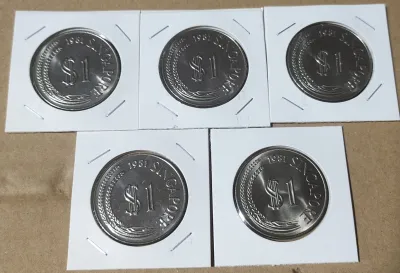
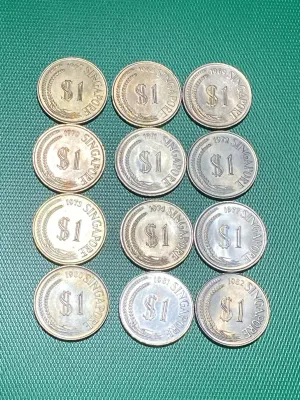
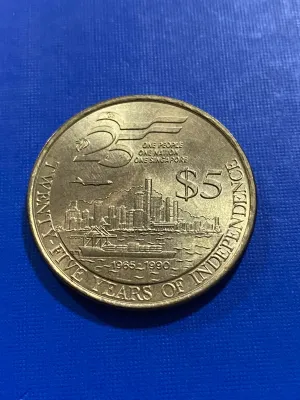
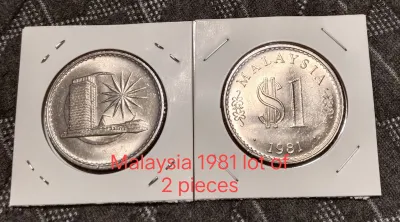
Prices are valid at publication and may change. Please refer to the product page for the latest price.
The craftsmanship of older minting processes also sets these items apart. Before the era of high-speed, fully automated modern mints, coin dies were hand-engraved with intricate artistic details that reflected national pride and cultural identity. The weight of the metal, the distinct ring of silver or bronze, and the unique wear patterns—known as patina—give each coin an individual character. This physical beauty ensures that the coin functions not just as a historical artifact, but also as a miniature piece of sculptural art.
Furthermore, giving a historical coin is an act of thoughtful curation. It shows that you have taken the time to understand the recipient’s interests, whether they appreciate art, economics, maritime history, or botanical design. Because these coins are no longer in production, they possess an inherent scarcity that increases their emotional and collectible value over time, ensuring your gift remains a cherished heirloom rather than a disposable keepsake.
Recommended Singapore Old Coins for Gifting
When exploring the world of Singaporean numismatics, you will find several distinct eras of currency, each reflecting a different chapter in the nation’s journey. Selecting the right series depends on the specific story you wish to tell and the aesthetic preferences of your recipient.

Straits Settlements and Malaya Coins (Pre-1965)
For those drawn to colonial history and the deep roots of Southeast Asian trade, coins from the Straits Settlements and the subsequent Malaya periods are highly compelling. The Straits Settlements—comprising Singapore, Penang, and Malacca—used a dedicated currency system from the mid-19th century until World War II. These coins feature the portraits of British monarchs, including Queen Victoria, King Edward VII, King George V, and King George VI, surrounded by elegant bilingual or trilingual inscriptions.
Among the most popular choices from this era are the silver 5-cent, 10-cent, and 20-cent pieces, which contain actual precious metal and showcase beautiful, classic designs. Another highly unusual and visually striking option is the square 1-cent coin issued under the Board of Commissioners of Currency, Malaya, during the mid-20th century. The distinct square shape was designed to help illiterate populations easily distinguish denominations by touch alone.
These pre-independence coins are ideal for dedicated history buffs, older generations who may remember using them, or collectors fascinated by the complex colonial tapestry of British Malaya. They represent an era when Singapore was a bustling, free-port crown colony attracting traders from every corner of the globe.
The Orchid Series (1967–1976)
Following Singapore’s independence in 1965 and the subsequent separation of its currency union with Malaysia and Brunei, the nation issued its very first independent coinage on June 12, 1967. Known as the Orchid Series, this collection is deeply symbolic of a young, sovereign nation finding its footing on the global stage. The choice of orchids as the primary motif was highly deliberate, representing beauty, resilience, and the rapid blossoming of the newly independent republic.
Each denomination in this series features a different species of orchid on the obverse side. For example, the iconic 1-dollar coin features the Vanda Miss Joaquim, which would later be officially named Singapore’s national flower. The reverse side of these coins displays the state coat of arms, flanked by the name “Singapore” written in the four official languages: English, Malay, Mandarin, and Tamil.
This series is an exceptional gift for foreign visitors or friends celebrating personal milestones, such as a new beginning or a major achievement. The botanical themes are universally appealing, and the historical significance of being Singapore’s very first national coinage adds an undeniable layer of prestige and meaning to the gift.
The Ship Series (1976–1985)
In 1976, Singapore introduced its second national coin series, shifting its visual narrative from local flora to its identity as a maritime powerhouse. The Ship Series celebrates the maritime heritage that has defined the island since its days as a maritime trading post under Stamford Raffles, highlighting the vessels that powered its economic rise.
The designs trace a chronological evolution of shipping technology across the different denominations. The 1-cent coin depicts a traditional fishing kolek, the 20-cent coin features a regional trading perahu, the 50-cent coin showcases a classic Chinese cargo tongkang, and the 1-dollar coin proudly displays a massive modern container ship. This progression beautifully mirrors Singapore’s rapid transformation from a regional trading port into one of the busiest maritime hubs in the world.
The Ship Series is highly recommended for business partners, corporate associates, or individuals working in maritime, logistics, trade, or finance industries. The underlying message of navigating open waters, trade prosperity, and constant progress makes it an empowering and professional gift.
Thematic Commemorative Coins
For special occasions that demand an extra touch of luxury or specific cultural alignment, the thematic commemorative coins issued by the Monetary Authority of Singapore (MAS) are excellent choices. Over the decades, MAS has released limited-edition coins to mark major national milestones, such as National Day anniversaries, the annual Lunar Zodiac calendar, and the preservation of local historic landmarks.
These coins are often minted in proof condition using sterling silver or fine gold, featuring exquisite proof-finish contrast with frosted designs against a mirror-like background. For instance, the annual Lunar Zodiac silver coins, featuring beautifully stylized animals of the Chinese zodiac, make highly personalized gifts for birthdays, weddings, or Lunar New Year celebrations.
Because these commemorative issues were originally sold to collectors, they almost always come in their original official presentation packaging, complete with velvet-lined boxes and certificates of authenticity. This makes them incredibly convenient for immediate, high-end gifting without the need to source external display cases.
How to Choose the Right Coin for Your Recipient
Selecting the perfect coin requires balancing the recipient’s personality with the historical story you wish to convey. To help guide your decision, consider the following framework matching common recipient profiles to specific coin series and presentation styles:
| Recipient Profile | Recommended Coin Series | Core Symbolic Message | Ideal Presentation Style |
|---|---|---|---|
| History Buff & Collector | Straits Settlements Silver Coins (Pre-1946) | Heritage, preservation of history, and regional legacy | Professional grading slab (NGC/PCGS) or an archival-quality paper flip |
| Business Associate / Partner | Ship Series 1-Dollar Coin (1976–1985) | Prosperity, smooth sailing, global trade, and strategic progress | Floating 3D suspension frame or a premium velvet display box |
| Foreign Tourist / Visitor | Orchid Series 1-Dollar Coin (1967–1976) | Sovereign identity, natural beauty, and the spirit of Singapore | Custom-designed cardstock folder with historical context |
| Family Member (Milestones) | Thematic Lunar Zodiac or National Day Silver Proofs | Personal connection, celebration of birth years, and shared heritage | Original mint presentation box with its certificate of authenticity |
| Art & Design Enthusiast | Malaya Square 1-Cent Coin (1943–1950) | Geometric innovation, tactile design, and everyday vintage charm | Minimalist acrylic capsule mounted on a small wooden easel |
By matching the coin to the recipient’s background, you transform a simple numismatic item into a highly personalized gesture. The story and context you provide alongside the coin are just as important as the physical piece itself, turning the act of gifting into an educational and emotional exchange.
Where to Source Authentic Old Singapore Coins
Because historical coins carry collectible value, sourcing them requires caution to avoid counterfeits, cleaned pieces, or heavily overpriced tourist traps. To ensure you are purchasing genuine pieces at fair market rates, it is best to buy from established, reputable sources.
- Established Numismatic Dealers: Singapore has a dedicated community of professional coin dealers, many of whom are members of the Singapore Numismatic Association. Visiting physical shops in historic areas like Chinatown (specifically within People's Park Centre or Fu Lu Shou Complex) allows you to speak directly with experts, handle the coins in person, and view a wide variety of inventory.
- Certified Auction Houses: For high-value or rare coins, reputable local and international numismatic auction houses offer vetted platforms where items are authenticated by specialists before going under the hammer.
- Third-Party Graded Coins: If you are purchasing a high-value coin, look for pieces that have been professionally graded and certified by independent third-party services such as NGC (Numismatic Guaranty Company) or PCGS (Professional Coin Grading Service). These coins are sealed in tamper-proof plastic "slabs" with a unique serial number, guaranteeing their authenticity and physical grade.
Avoid purchasing historical coins from unverified online marketplaces, street vendors, or generic souvenir shops that cannot provide clear details on the coin’s provenance or condition. When inspecting a coin visually before purchase, look closely at the following details:
- Edge Reeding: On genuine coins, the ridges along the edge (reeding) should be sharp, even, and consistent. Counterfeits often exhibit mushy, uneven, or completely smooth edges where the casting process failed.
- Weight and Dimensions: Every historical coin has official specifications for weight, diameter, and thickness. Reputable dealers will gladly weigh the coin on a digital scale in front of you to verify it matches official numismatic databases.
- Surface Details: Be wary of coins that look unusually shiny but lack fine details. This is often a sign of harsh chemical cleaning or a poorly cast counterfeit. Genuine old coins should exhibit natural wear patterns consistent with their age.
Presenting and Packaging Your Coin Gift
Once you have selected an authentic coin, the final step is ensuring it is presented beautifully and protected from environmental damage. Singapore’s tropical climate, characterized by high relative humidity that frequently exceeds 80%, poses a significant threat to historical metals. Moisture and atmospheric pollutants can accelerate oxidation, causing copper coins to develop destructive green corrosion (verdigris) and silver coins to turn black.
To prevent this, never package a historical coin in cheap, soft plastic sleeves made of PVC (polyvinyl chloride). Over time, PVC degrades and releases acidic gases that coat the coin in a sticky, green chemical film, permanently damaging the metal surface. Instead, use archival-quality storage solutions:
- Acrylic Coin Capsules: These inert, hard-plastic capsules seal the coin in an airtight environment, protecting it from both humidity and the damaging oils on human hands.
- Mylar-Lined Paper Flips: These cardboard holders feature a safe, acid-free Mylar window, allowing the recipient to view both sides of the coin safely while leaving space on the cardboard border to write historical notes.
- Floating 3D Display Frames: These modern frames suspend the coin between two sheets of flexible, transparent membrane, creating the illusion that the coin is floating in mid-air. This is an exceptional option for office or home display.
To elevate the gifting experience, always include a high-quality, customized information card. Utilizing elegant cardstock, write a brief description detailing the coin’s year of issue, its historical era, the meaning behind its design motifs, and the personal reason you chose it for the recipient. By combining archival protection with a beautifully written narrative, you elevate the coin from a simple collectible to a curated museum-quality display that the recipient will proudly showcase.
Frequently Asked Questions (FAQ)
Are old Singapore coins still legal tender?
While first-series (Orchid) and second-series (Ship) coins technically retain their legal tender status at face value under the Monetary Authority of Singapore (MAS), they are no longer actively circulated or accepted by modern automated payment systems. Older colonial-era coins, such as those from the Straits Settlements or the British Malaya period, are no longer legal tender. Because the historical and collectible value of these coins far exceeds their original face value, they should be treated strictly as historical artifacts, family heirlooms, and artistic gifts rather than currency to be spent.
How should I clean an old coin before gifting it?
You should never clean, polish, or chemically dip an old coin before gifting it. To coin collectors and historians, the natural aging process—including the dark toning on silver or the deep brown patina on bronze—is a highly desirable mark of authenticity and history. Harsh cleaning strips away the coin’s original mint luster and leaves microscopic scratches on the metal surface, which can instantly destroy up to 90% of its numismatic and historical value. If a coin has loose dust, gently brush it away with a dry, soft-bristled microfiber brush, and always handle the coin by its outer edges to avoid transferring skin oils to the face of the metal.

Community discussion
Share your experience or ask a question. Comments are reviewed before publication.