
Finding the perfect way to show appreciation to educators in Singapore often comes down to a simple, heartfelt gesture. While students and parents frequently search for appropriate gifts for teachers, a well-chosen greeting card remains the most meaningful, personal, and compliant token of gratitude you can offer. It provides a dedicated space to express sincere thanks for a teacher’s guidance, patience, and dedication throughout the academic year.
In Singapore’s school system, where academic and character development are highly valued, a written note carries immense weight. Unlike commercial items, a card focuses entirely on the relationship between the student and the educator. Whether you choose to craft a personalized card from scratch, select a beautiful premium design, or send a modern digital message, understanding how to navigate local customs and stationery specifications will ensure your gesture is warmly received.
Understanding Gifting Etiquette: Why Cards are the Best Gifts for Teachers in Singapore
Teachers’ Day in Singapore is an official school holiday, typically celebrated on the Friday immediately before the September week-long school holidays. On the day before the holiday, schools usually hold concerts, games, and classroom celebrations where students present tokens of appreciation. This timing makes the end of August the peak period for preparing your messages and selecting your materials.
Products mentioned in this guide
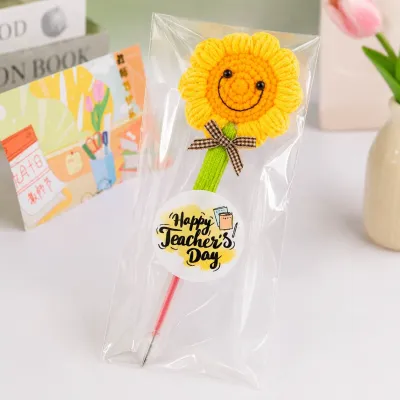
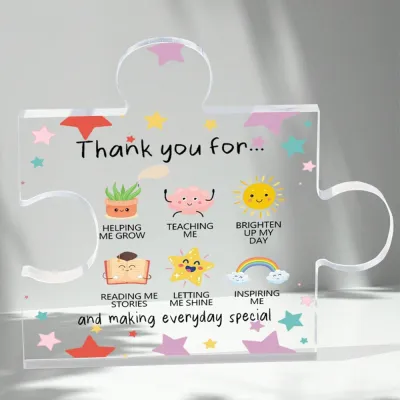
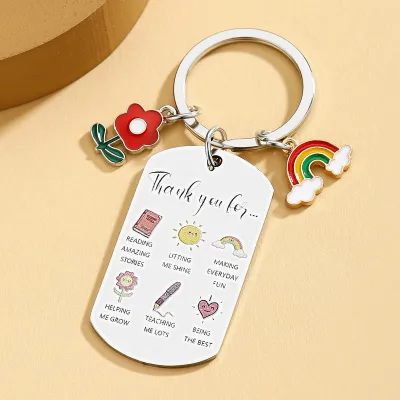
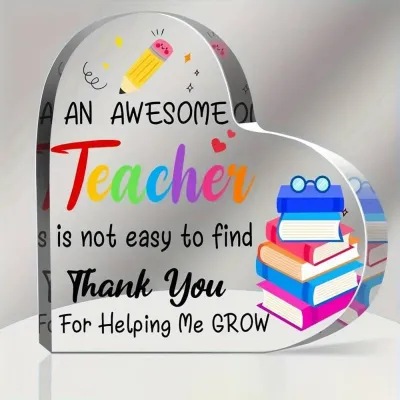
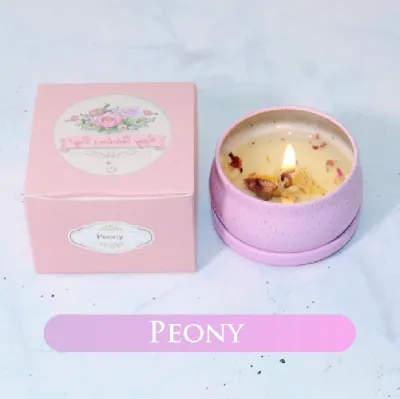
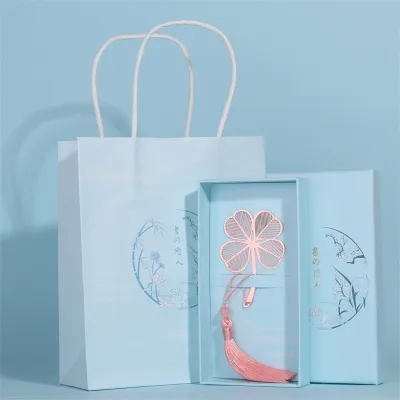
Prices are valid at publication and may change. Please refer to the product page for the latest price.
When planning your gestures, it is essential to keep the Ministry of Education (MOE) guidelines in mind. Teachers in Singapore’s government and government-aided schools are public servants and are bound by strict civil service conduct rules regarding gifts. They are generally discouraged from accepting expensive physical gifts, high-value vouchers, or cash-equivalent items to maintain professional integrity and prevent any perception of bias.
Because of these regulatory boundaries, greeting cards are widely considered the ideal gifts for teachers. A card carries no commercial pressure, complies fully with school policies, and focuses entirely on emotional value. Teachers frequently keep these cards for years, storing them in classrooms or study rooms as reminders of the positive impact they have made on their students’ lives.
Types of Greeting Cards to Consider
Selecting the right card format depends on your budget, the time you have available, and how involved your child wants to be in the creation process. Different card types offer distinct advantages, ranging from high sentimental value to polished visual appeal.

Handmade and DIY Cards
Handmade cards are highly prized by educators because they demonstrate a direct investment of time and creative effort. When a student designs a card from scratch, it reflects a level of care that cannot be replicated by a store-bought item. These cards allow children to express their artistic talents and tailor the design specifically to their teacher’s personality.
To ensure a handmade card looks presentable and lasts for years, pay close attention to the stationery specifications. Avoid standard 80 gsm (grams per square meter) copy paper, which easily warps, wrinkles, or tears when exposed to wet glue, watercolors, or heavy ink markers. Instead, opt for cardstock paper with a weight of at least 220 gsm to 300 gsm, which provides a sturdy, professional-feeling base.
When selecting coloring mediums, verify the ink compatibility with your chosen paper. If your child plans to use brush pens, fountain pens, or heavy gel pens, choose a highly opaque, bleed-resistant cardstock to prevent the ink from feathering or showing through on the reverse side. For younger children, ensure all craft supplies, including PVA glues, glitter glues, and markers, are labeled as non-toxic and acid-free to prevent yellowing over time.
Premium and Pop-Up Cards
If you prefer a polished, sophisticated presentation, premium store-bought cards are an excellent choice. These often feature intricate design elements such as 3D laser-cut pop-up structures, elegant letterpress textures, delicate foil stamping, or embossed patterns. A pop-up card depicting a classroom scene, a bouquet of flowers, or a stack of classic books makes for a memorable keepsake that a teacher can proudly display on their desk.
When purchasing premium cards, always check the physical dimensions and weight, especially if you plan to send them via postal mail. SingPost has strict size and thickness limits for standard mail; envelopes must not exceed 240mm x 162mm x 6mm to qualify for standard postage rates. Heavy 3D pop-up cards or those with bulky embellishments like wooden buttons or thick ribbons often exceed the 6mm thickness threshold, classifying them as non-standard mail which requires additional postage.
Additionally, examine the paper finish inside the card. Many premium cards feature a glossy or coated interior surface. While visually appealing, glossy paper is highly non-porous, meaning standard water-based gel pens and fountain pen inks will pool, smear, and smudge easily. For glossy interiors, it is best to write your message using a quick-drying pigment ink pen or a reliable oil-based ballpoint pen, allowing it to dry completely before folding the card.
Digital and E-Cards
Digital cards serve as an eco-friendly, modern alternative that is particularly useful for older students, remote learning environments, or last-minute preparations. They allow for creative layouts, animated elements, and even embedded audio or video messages from the student. E-cards are also highly practical for secondary school or junior college students who may want to send collective greetings from an entire class.
Before opting for a digital card, it is important to verify individual school communication policies. Some schools restrict direct digital communication between students and teachers outside of official learning management platforms. Ensure you have an appropriate, school-approved channel to send the e-card, such as the teacher’s official school email address, rather than attempting to contact them on personal social media accounts or private messaging applications.
Matching the Card to the Student's Age and School Level
The design, tone, and complexity of a Teachers’ Day card should reflect the educational stage of the student. Tailoring the card to the specific age group ensures the message feels authentic and age-appropriate.
Preschool and Kindergarten
For early childhood educators, cards should focus on bright colors, high texture, and active participation from the young child. Teachers in preschools cherish developmental milestones, so incorporating the child’s physical growth into the card design is highly effective. Consider using non-toxic tempera paint to create handprint or footprint art, turning the prints into flowers, trees, or animals on a sturdy cardstock base.
Keep the written message short, sweet, and focused on the child’s daily experiences. At this stage, parents can help by writing down the child’s exact words, capturing their innocent and genuine perspective. Simple phrases like “Thank you for helping me grow” or “I love storytime with you” paired with a colorful crayon drawing are incredibly touching for early childhood teachers.
Primary and Secondary School
As students progress into primary and secondary school, the design of the cards should transition toward more mature, thoughtful themes. Older students can take full ownership of the process, drafting their own messages and designing the layout. This is an excellent opportunity to align the card’s theme with the teacher’s specific subject area, such as featuring mathematical equations for a math teacher, historical timelines for a history teacher, or scientific diagrams for a science teacher.
For students using fountain pens or fine-liner drawing pens for detailed calligraphy, selecting the right paper is crucial. Coated, high-density woodfree paper prevents the ink from spreading too quickly, ensuring sharp, clean lines. Encourage your child to draft their message on a scrap piece of paper first to map out the spacing and avoid spelling errors on the final card.
Tutors and Enrichment Centre Teachers
Private tutors, music instructors, sports coaches, and enrichment centre teachers play a significant role in a student’s development outside the mainstream school system. When showing appreciation to these educators, opt for professional yet warm designs that acknowledge the specific skill or subject they teach, such as a card decorated with musical notes for a piano teacher.
In private tuition and enrichment settings, gifting boundaries are often slightly more flexible than in MOE schools, but modesty remains the best practice. Pairing a beautifully written card with a small, highly functional stationery item is a classic, well-received gesture. Consider attaching the card to a high-quality gel pen, a set of pastel highlighters, or a compact pocket notebook that the tutor can use during their daily lessons.
Where to Buy Cards and Craft Supplies in Singapore
Singapore offers a variety of excellent brick-and-mortar stores and online channels where you can source high-quality ready-made cards or premium DIY craft supplies. Shopping locally allows you to inspect the paper quality firsthand and avoid shipping delays.
- Popular Bookstore: As Singapore's most widespread bookstore chain, Popular is highly convenient for finding standard Teachers' Day cards, multi-colored cardstock packs, decorative stickers, and child-safe adhesives. Most branches dedicate a seasonal section to Teachers' Day stationery in August.
- Typo: Located in major shopping malls across the island, Typo is ideal for secondary school and tertiary students looking for quirky, humorous, or contemporary card designs. Their products often feature bold typography and trendy illustrations.
- Books Kinokuniya: For premium, imported stationery, visit Kinokuniya's main store at Ngee Ann City. They stock an exquisite selection of Japanese and Western greeting cards, featuring high-end paper brands, delicate pop-up engineering, and elegant foil designs.
- Spotlight: If you are planning a comprehensive DIY project, Spotlight (located at Plaza Singapura and Westgate) offers an extensive range of heavy-duty craft cardstock, cutting tools, decorative stamps, ribbons, and calligraphy ink.
If you prefer shopping online through local independent stationery boutiques or artisanal marketplaces, always check the delivery lead times and shipping origins. Because Teachers’ Day is celebrated early in September, place your online orders by mid-August to ensure the items arrive in your mailbox well before the school celebrations begin.
How to Write a Meaningful Teachers' Day Message
The most valuable part of any greeting card is the handwritten message inside. While a beautiful card design catches the eye, it is the sincerity of the words that leaves a lasting impression on an educator. Avoid generic, cliché phrases and instead focus on personal details.
To write an impactful message, follow a simple three-part structure:
- A Warm, Respectful Greeting: Address the teacher formally using their preferred title (e.g., "Dear Mr. Lim" or "Dear Ms. Seah").
- A Specific Expression of Gratitude: Mention a precise moment, lesson, or action that made a difference. For example, recall a time they spent extra time explaining a difficult concept, encouraged you when you felt discouraged, or made a particular classroom activity exciting.
- Sincere Well Wishes: Conclude with a warm wish for their well-being, such as wishing them a restful and happy Teachers' Day, followed by a respectful sign-off.
Using the student’s natural, authentic voice is far better than copying a polished poem from the internet. Teachers easily recognize and deeply appreciate the honest, unpolished expressions of gratitude written directly by their students.
Frequently Asked Questions (FAQ)
Is it appropriate to give a gift card along with the greeting card?
Under Ministry of Education (MOE) guidelines, public school teachers are generally discouraged from accepting cash-equivalent items, including department store vouchers, digital gift cards, or prepaid monetary cards. To prevent placing the teacher in an uncomfortable position where they may have to declare or return the gift, it is best to avoid gift cards entirely. A heartfelt, physical greeting card remains the safest, most compliant, and most appreciated token of appreciation.
Should the card be written by the parent or the child?
Whenever possible, the card should be written or drawn directly by the child, as teachers highly value the student’s personal effort and perspective. For very young children in preschool, the child can draw a picture or color the card, while the parent writes down the child’s spoken words of thanks. If parents wish to express their own professional appreciation to the educator, they can write a brief, separate note of thanks at the bottom of the card or on the envelope.
Community discussion
Share your experience or ask a question. Comments are reviewed before publication.