
Beginners only need a few fundamental tools to start sewing—specifically, a reliable pair of fabric shears, hand-sewing needles, pins, a flexible tape measure, a temporary marking tool, and a seam ripper. Starting with a minimal, high-quality kit prevents overwhelm and saves money, allowing you to build your collection as your skills and projects evolve.
Building a sewing kit does not require a massive financial investment. By focusing on versatile items that match your immediate project goals, you can avoid the common trap of buying specialized gadgets that end up sitting unused in a drawer.
Identify Your Starting Projects to Define Your Tool Needs
Before purchasing any sewing tool, clarify what you want to make. A beginner focusing on basic garment repairs, such as hemming trousers or replacing buttons, requires a vastly different setup than someone aiming to sew structured clothing or simple home decor like cushion covers. Matching your tools to your immediate goals prevents you from buying specialized equipment that might sit unused in a drawer.
Products mentioned in this guide
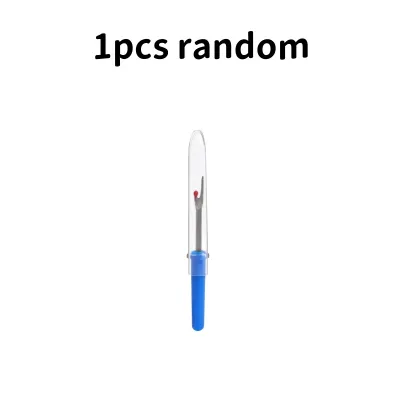
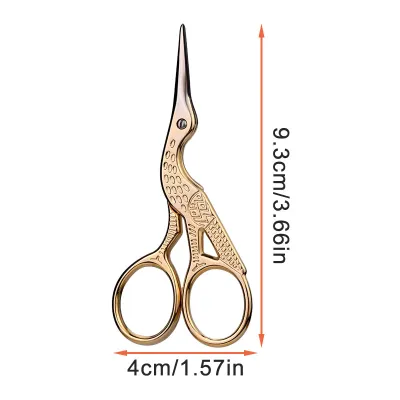
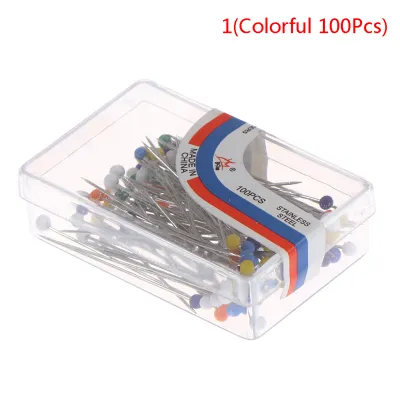
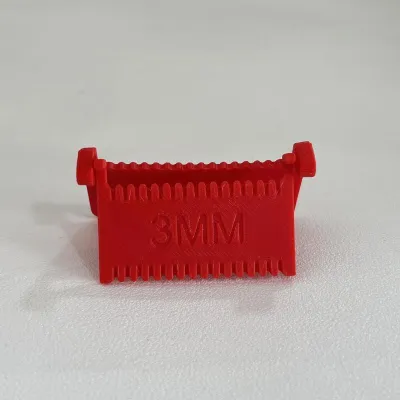
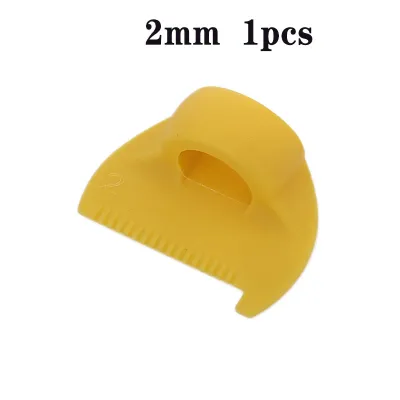
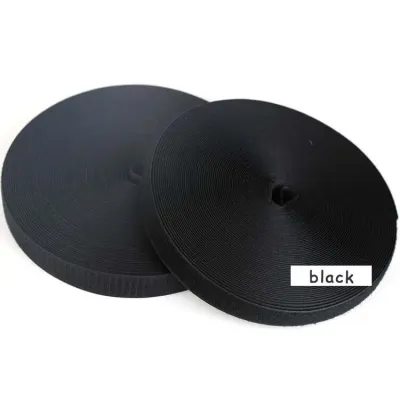
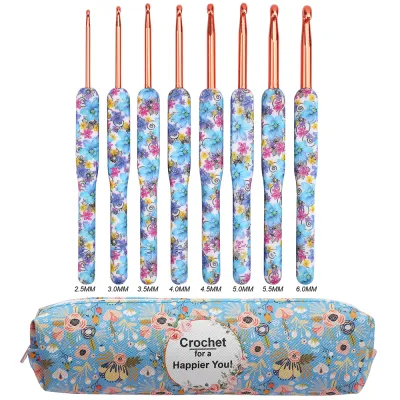
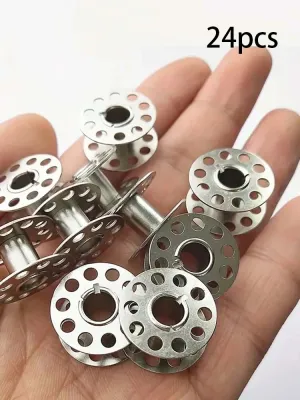
Prices are valid at publication and may change. Please refer to the product page for the latest price.
Different projects demand different fabric weights, which in turn dictate your tool tolerances. Lightweight cottons and linens used for simple bags or summer tops are easy to cut and pin with standard tools. Conversely, heavy-duty materials like denim, canvas, or thick upholstery fabrics require sturdier needles and heavier shears to prevent bending or dulling. Attempting to use lightweight tools on heavy fabrics can damage both the tool and the textile.
Establish a strict “wait-to-buy” rule for your sewing journey. If a tool is not absolutely necessary to complete your current project, do not buy it yet. Wait until a specific pattern or fabric choice definitively demands a specialized item. This step-by-step acquisition ensures that every tool you own has a clear, immediate purpose and matches your growing skill level.
The Essential Sewing Tools Every Beginner Actually Needs
When assembling your first sewing kit, prioritize versatile, multi-purpose items over single-use gadgets. A well-chosen set of basic tools can handle a wide variety of tasks, from adjusting a hem to constructing a simple garment. Cluttering your workspace with highly specific tools early on only distracts from mastering the core mechanics of stitching, tension, and fabric handling.

Ergonomics and safety are critical when selecting hand tools, even for short sewing sessions. Look for tools with comfortable grips that fit your hand size to prevent hand fatigue and strain. Scissors with soft-grip handles and pins with highly visible heads make the process smoother and safer, reducing the risk of accidental slips or lost pins in your workspace.
Always verify material compatibility before using any tool on your fabric. For instance, textile fibers behave differently than paper or plastic, requiring blades specifically ground and tensioned for fabric. Using the wrong tool can pull threads, distort the weave, or ruin your material before you even begin stitching.
Measuring and Marking Essentials
Accurate measurements are the foundation of successful sewing, making the choice of measuring tools highly important. A flexible tape measure is indispensable for taking body measurements and checking curved pattern lines, as it easily conforms to three-dimensional shapes. For straight lines, drafting patterns, or checking grainlines, a rigid acrylic ruler provides the stability and straight edge that a flexible tape cannot offer.
Marking your fabric accurately ensures precise cutting and sewing lines, but the marks must be temporary. Safe fabric markers, such as tailor’s chalk or water-soluble pens, are designed to fade or wash out completely without leaving permanent stains. Because different fiber compositions and fabric dyes react uniquely to marking substances, always perform an observable trial on a scrap piece of your project fabric first to verify that the mark disappears cleanly.
When selecting measuring and marking tools, look for clear, high-contrast, and easy-to-read measurement markings. Faint or confusing lines can lead to minor measuring errors that compound throughout a project, resulting in pieces that do not fit together. Clear markings in both metric and imperial units offer the greatest versatility for various patterns.
Cutting and Stitching Basics
Clean cuts and precise seam adjustments require distinct cutting tools, each designed for a specific action. Fabric shears feature long, sharp blades designed to glide through textiles without lifting the fabric off the table, ensuring straight cuts. Thread snips are small, spring-loaded cutters perfect for trimming thread tails close to the fabric, while a seam ripper is an essential tool for safely unpicking mistakes without tearing the surrounding fibers.
Selecting the right hand-sewing needle involves matching the needle’s eye and shaft to your thread thickness and fabric weave. A needle that is too thick will leave permanent holes in delicate fabrics, while a needle with an eye that is too small will shred thick thread. For general hand sewing on medium-weight woven fabrics, a pack of assorted sharps needles offers a reliable starting point.
Holding fabric layers securely in place before stitching is vital for maintaining alignment. Standard dressmaker’s pins with glass or plastic heads are excellent for most woven fabrics, as they are easy to see and handle. For thick layers, laminated fabrics, or delicate materials where pinholes might remain permanent, small spring-loaded sewing clips offer a secure, non-damaging alternative.
Common Sewing Tools Beginners Buy but Can Skip
The market is filled with specialized sewing gadgets that promise to make tasks easier but often overwhelm beginners. Rotary cutters, self-healing cutting mats, and acrylic quilting rulers are excellent for advanced projects but require specific techniques and safety precautions that can distract a novice. Similarly, advanced pressing hams and specialized decorative machine attachments are unnecessary for basic projects and can safely be left off your initial shopping list.
Many of these specialized items end up unused in beginner kits because of their steep learning curves or highly narrow applications. A rotary cutter, for example, requires confident blade control and a dedicated cutting mat to avoid damaging table surfaces, which can be intimidating for someone still learning how to guide fabric. Starting with simpler tools allows you to focus on the core mechanics of sewing before introducing complex equipment.
You can easily use common household items as temporary workarounds for non-essential sewing tools. Instead of buying a specialized pressing ham for curved seams, a tightly rolled cotton towel can support the fabric shape during ironing. A standard household iron and a flat, clean table covered with a thick cotton blanket can serve as an adequate pressing station, saving you money and storage space in your home.
Smart Strategies for Building Your First Sewing Kit
When starting out, you must decide whether to buy a pre-assembled beginner sewing kit or source individual tools over time. While pre-assembled kits offer convenience and a low initial cost, they often contain lower-quality tools that dull quickly or break under pressure. Sourcing individual, high-quality tools gradually allows you to invest in durable items that feel comfortable in your hand and last for years.
Before committing to any tool purchase, test the comfort, grip, and weight of the item in your hand whenever possible. A pair of shears that feels too heavy or has finger loops that are too small will quickly cause discomfort during a project. Choosing tools that match your physical comfort ensures a more enjoyable and sustainable sewing experience.
Proper maintenance is key to prolonging the life of your sewing tools and ensuring they perform reliably. Keep your fabric shears clean by wiping away lint after each use, and never use them on paper or plastic. In humid climates, store your hand-sewing needles and pins in a dry container with a small silica gel packet to prevent rust, which can snag and ruin delicate fabrics.
Frequently Asked Questions (FAQ)
Do I need a sewing machine to start learning how to sew?
You do not need a sewing machine to begin learning how to sew. Starting with hand sewing is an excellent way to understand fabric behavior, stitch tension, and basic garment construction without the complexity of operating a machine. Once you can comfortably execute consistent hand stitches and find yourself wanting to complete larger projects more quickly, you can confidently transition to a basic sewing machine.
Can I use regular paper scissors to cut fabric?
You should avoid using regular paper scissors to cut fabric. Paper contains abrasive fibers and clays that quickly dull scissor blades, making them incapable of cutting fabric cleanly. Dull blades will chew, fray, and damage textile edges, making it difficult to align seams and sew accurately. Always reserve a dedicated pair of sharp fabric shears exclusively for cutting textiles.
Community discussion
Share your experience or ask a question. Comments are reviewed before publication.