
Expressing gratitude with a physical thank you card carries a tactile sincerity that digital messages rarely replicate. In Singapore, finding the right balance between card quality and your budget requires understanding the local retail landscape, paper specifications, and the specific demands of your occasion. Whether you are preparing hundreds of appreciation notes for a wedding banquet, sending corporate tokens to business partners, or writing a single heartfelt message to a close friend, the choices you make regarding materials and sourcing channels will dictate both the cost and the final impression. By focusing on observable quality indicators and matching them to your specific needs, you can select cards that feel premium without overspending.
Setting Your Budget and Formality Requirements
Before browsing local stationery aisles or online catalogs, establishing a clear budget framework based on your volume and formality requirements is essential. Thank you cards generally fall into two distinct categories: high-volume bulk orders where cost-per-unit is the primary driver, and low-volume, high-impact individual gestures where the physical presentation takes precedence. For large-scale events like weddings, corporate seminars, or holiday campaigns, a high volume of cards is necessary, making bulk purchasing strategies vital to keeping costs manageable. Conversely, personal milestones, professional recommendations, or intimate gatherings demand a higher level of individual attention, where a single, beautifully crafted card makes a lasting statement.
To structure your budget effectively, it helps to look at cost-per-card thresholds. Bulk casual options, often sold in packs of 20 to 100, typically offer the lowest unit cost, sometimes averaging under S$1.00 to S$2.00 per card. These are ideal for situations where the volume is high and the message is brief. Mid-range options, which often feature better paper stock and simple embellishments, generally range from S$3.00 to S$6.00 per card. Premium, artisanal, or imported cards can exceed S$8.00 to S$12.00 per unit, reflecting specialized printing techniques, heavy cardstock, and hand-finished details. Understanding these tiers allows you to allocate your funds logically, ensuring you do not overspend on casual mailings or compromise on formal presentations.
Products mentioned in this guide
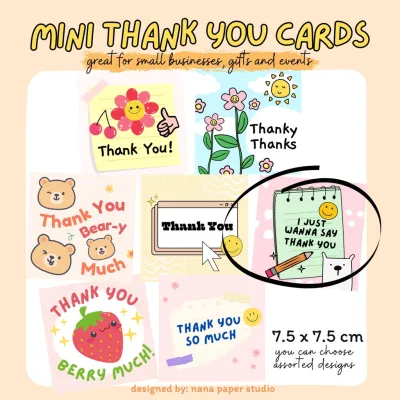
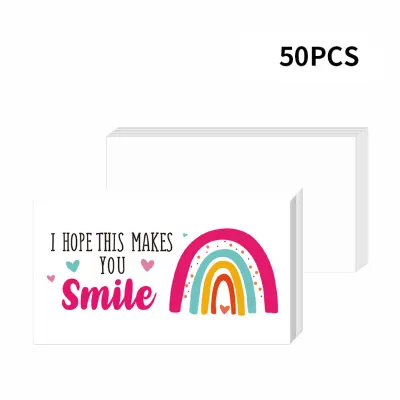
![Gift Cards Thank You Card Teachers Day [Series 6] Show Appreciation To Teacher All Occasions](https://img.lazcdn.com/g/p/4899c6f6e11b6abe7de1ee615e6b1cf8.jpg_400x400q80.jpg_.webp)
Prices are valid at publication and may change. Please refer to the product page for the latest price.
Matching the design tone and formality of the card to your recipient relationship is equally critical. A corporate thank you card sent to a key client requires a clean, professional aesthetic—often featuring minimalist designs, neutral color palettes, and high-quality matte paper that accepts fountain pen ink without smudging. For a wedding or a formal personal event, elegant typography, subtle foil accents, and textured paper help convey the significance of the occasion. Casual thank you cards for friends or family can embrace playful illustrations, vibrant colors, and unconventional layouts. Aligning the visual and physical tone of the card with the recipient’s expectations ensures your gesture of gratitude is received with the appropriate level of respect and appreciation.
How to Assess Card Quality and Materials
Evaluating card quality requires a keen eye for physical specifications, especially when shopping in-store or reading detailed product descriptions online. The foundation of any high-quality card is its paper weight, which is measured in grams per square meter (gsm). Standard printer paper is typically around 80 gsm, which is far too flimsy for a greeting card. For a respectable feel, look for cardstock that is at least 250 gsm, while premium cards often utilize weights of 300 gsm to 350 gsm or higher. Heavier paper resists bending, feels substantial in the hand, and stands upright easily when displayed on a desk or shelf.

Texture and material sustainability are also key indicators of quality. Uncoated, textured papers—such as felt-finished, laid, or linen cardstock—provide a classic, tactile experience that feels inherently luxurious. If environmental impact is a priority, look for cards made from recycled content or certified by the Forest Stewardship Council (FSC), which ensures the wood pulp is sourced from responsibly managed forests. When assessing these papers, keep in mind that ink behavior varies significantly by texture. Smooth, coated papers offer vibrant color reproduction but may cause slow drying times or ink smearing when using gel pens or fountain pens. Uncoated, textured papers absorb ink quickly, reducing smudging, but can sometimes cause feathering or bleed-through if the paper fibers are too loose. Testing a small sample with your preferred writing instrument is always recommended to verify compatibility.
Beyond the paper itself, the printing and finishing techniques dictate the card’s visual appeal. High-quality cards often feature specialized finishes like hot foil stamping, which applies a metallic foil to the paper using heat and pressure, creating a brilliant, reflective detail. Embossing and debossing add physical dimension by raising or depressing specific design elements, creating a tactile contrast that invites touch. Inspect the edges of the card; clean, sharp cuts without fraying or fiber separation indicate precise manufacturing. If the card features folded designs, the fold should be crisp and perfectly aligned, without cracking along the spine, which can occur when heavy cardstock is folded without proper scoring.
The envelope is often overlooked, yet it provides the recipient’s very first impression. A premium card should be paired with an envelope of matching quality, ideally made from paper weighing at least 100 gsm to 120 gsm. Look for envelopes with elegant design details, such as deep V-flaps, textured finishes, or contrasting inner linings that add a surprise pop of color or pattern when opened. The sealing mechanism is also important; traditional gummed seals require moisture to activate, while self-adhesive peel-and-seal strips offer convenience and a clean finish. Finally, consider the interior layout of the card. A completely blank interior offers maximum flexibility for long, personalized messages, whereas pre-printed sentiments are convenient but limit your space for customization. Ensure there is a clear, unvarnished writing surface inside so your handwritten note remains legible and free from smudges.
Where to Buy Thank You Cards in Singapore
Singapore offers a diverse retail landscape for sourcing thank you cards, catering to every budget and quality preference. For those seeking curated, premium, or imported selections, specialty stationery boutiques and major bookshops located in central shopping districts are excellent starting points. These retailers often stock international designer brands, artisanal paper goods, and unique Japanese or European stationery. Shopping in these physical locations allows you to touch and feel the paper texture, inspect the print finishes firsthand, and purchase individual cards or small, high-quality sets. While the cost-per-card is higher in these specialty venues, the distinct designs and superior materials make them ideal for formal or highly personal gestures.
If you are working within a tighter budget or require everyday options, local supermarkets, pharmacies, and lifestyle chains provide affordable and highly accessible choices. These outlets frequently stock multi-packs of thank you cards that are perfect for casual, high-volume needs. While the paper weight and finishing details in these budget-friendly packs may be more modest—often utilizing standard smooth cardstock with simple printed designs—they offer excellent value and convenience. These cards are highly practical for quick notes of appreciation, teacher’s day gifts, or casual neighborly gestures where a simple, heartfelt message is more important than elaborate physical presentation.
For unique, customizable, or bulk purchases, online marketplaces and independent local designers offer an expansive array of choices. Many Singapore-based illustrators and design studios sell their creations through independent webstores, offering distinctive local themes, modern typography, and eco-friendly materials. Online marketplaces also host numerous regional and international sellers, providing access to massive bulk packs at highly competitive prices. When ordering online, however, it is crucial to perform essential checks to avoid disappointment. Always verify the shipping lead times, especially if you have a tight deadline for an upcoming event, and review the seller’s return policy in case the physical product does not match the online images. For large batches, such as wedding stationery, contact the seller or designer to request a physical sample pack first; this allows you to verify the paper weight, color accuracy, and ink compatibility before committing to a major financial investment.
Exploring DIY and Custom Printing Alternatives
When standard retail options do not align with your specific design vision or budget constraints, exploring DIY and custom printing alternatives can yield highly personalized and cost-effective results. For small-to-medium bulk runs, utilizing printable templates and a high-quality home printer is an excellent way to maintain creative control while keeping costs low. Numerous online design platforms offer professional, customizable templates that you can download and print on your choice of paper. When printing at home, ensure your printer can handle heavier cardstock weights—many standard home inkjet or laser printers can feed paper up to 200 gsm or 220 gsm, but heavier sheets may cause paper jams or uneven ink distribution.
If you prefer a more tactile, handcrafted aesthetic, sourcing blank cardstock and adding personal artwork, custom stamps, or calligraphy can create a truly memorable thank you card. You can purchase high-quality blank cards and matching envelopes in bulk from local art supply stores or paper merchants. By investing in a custom-designed rubber stamp featuring your initials, a family crest, or a simple “Thank You” script, you can quickly hand-stamp each card with archival-quality ink. Adding hand-lettered calligraphy or small watercolor details further elevates the card, transforming a simple piece of paper into a keepsake that recipients will want to save. This approach is highly cost-effective for medium-sized batches and showcases a deep level of personal effort.
For large-scale events or when professional finishes are non-negotiable, engaging local print-on-demand services is the most reliable path. Professional print shops in Singapore can handle complex requirements like exact color matching, heavy 350 gsm cardstock, and specialized finishes like spot UV, foil stamping, or die-cutting. When working with a local printer, you can submit your own digital designs or collaborate with their in-house team to finalize the layout. This option ensures a flawless, commercial-grade finish and is highly efficient for large volumes, as the cost-per-unit drops significantly as the order quantity increases. It also eliminates the trial-and-error associated with home printing, giving you peace of mind for major milestones.
Frequently Asked Questions (FAQ)
How far in advance should I order custom thank you cards?
For custom-printed thank you cards, it is advisable to place your order at least four to six weeks before you plan to distribute them. This timeline allows approximately one to two weeks for design proofs and revisions, one to two weeks for professional production and quality checks, and an additional week for local delivery or shipping buffers. If you are sourcing materials from international designers or ordering during peak seasons like the year-end holidays, adding an extra two weeks to your timeline will help prevent unexpected delays and avoid expensive rush-order fees.
Is it acceptable to use digital thank you cards instead of physical ones?
Digital thank you cards are highly acceptable for casual, immediate, or high-volume situations, such as thanking colleagues after a collaborative project, acknowledging casual birthday wishes, or sending quick follow-ups after informal gatherings. They offer convenience, instant delivery, and zero environmental waste. However, for formal milestones—such as weddings, baby showers, funerals, significant corporate partnerships, or when someone has gone out of their way to provide substantial support—a physical, handwritten thank you card remains the gold standard. The physical effort of writing, stamping, and mailing a card conveys a level of respect, sincerity, and permanence that a digital message simply cannot match.
Community discussion
Share your experience or ask a question. Comments are reviewed before publication.