
To choose the most suitable Teachers’ Day stationery gift set, you must match the items to the specific grade level your child’s teacher instructs. Primary school teachers require high-volume, durable, and highly visible tools for classroom management and rapid grading. Secondary school teachers benefit from specialized, professional, and subject-specific instruments designed for complex lesson planning and long-term record keeping. By aligning your gift with these distinct classroom realities, you ensure your gesture of appreciation becomes a highly functional asset in their daily workflow.
Quick Guide: Matching Stationery to Grade Levels
When selecting Teachers’ Day gifts, the most successful choices are those that seamlessly integrate into a teacher’s daily routine. The core principle of stationery gifting is prioritizing classroom utility over decorative novelty. A beautifully packaged but poorly writing pen will quickly find its way to the back of a drawer.
Primary school educators typically manage high-volume grading, interactive classroom displays, and hands-on activities, making durable, high-visibility tools essential. In contrast, secondary school educators deal with specialized subjects, detailed lesson structures, and extensive administrative record-keeping, which demand professional-grade instruments. Understanding these distinct workflows allows you to quickly identify whether a teacher needs a robust set of high-volume marking tools or a refined collection of specialized writing instruments.
Products mentioned in this guide
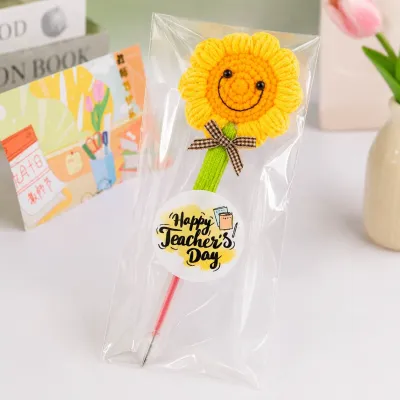
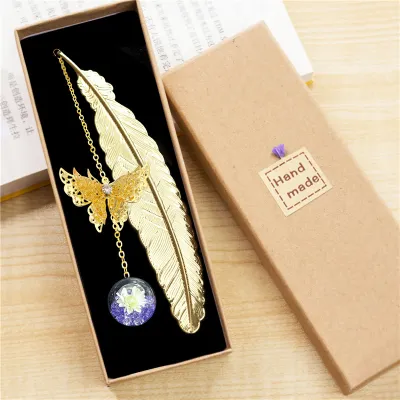


Prices are valid at publication and may change. Please refer to the product page for the latest price.
Understanding Classroom Realities by Grade Level
The daily life of an educator varies significantly depending on the age group they teach, directly influencing the stationery they consume. Primary school teachers often spend their days in a single classroom, managing young learners who require constant visual engagement and structured feedback. This environment demands stationery that can withstand frequent handling, accidental spills, and rapid transitions between subjects. The volume of physical worksheets and spelling books to grade is immense, requiring marking tools that dry instantly and do not cause hand fatigue.

Conversely, secondary school teachers frequently move between different classrooms, lecture theatres, and staff rooms throughout the school day. Their lesson preparation involves detailed subject matter, requiring precise note-taking, complex diagrams, and structured planning. Because they are constantly on the move, portability and compact organization become paramount. A bulky desk organizer is far less useful to a secondary school teacher than a slim, secure pen pouch or a durable notebook with a protective cover that fits easily into a laptop bag.
Primary School: High-Volume and Durability Needs
In a primary school classroom, stationery is a high-consumption resource that must withstand a demanding, fast-paced environment. Teachers at this level rely heavily on whiteboard markers for daily instruction, often going through multiple markers a month as they write out spelling lists, math equations, and daily schedules. Sticky notes are another staple, used constantly for quick behavior tracking, bookmarking student portfolios, and leaving brief reminders on desks. Quick-grading tools, such as self-inking feedback stamps with encouraging phrases, are highly valued because they significantly reduce the time spent marking dozens of spelling books or worksheets every afternoon.
Because primary school desks are often hubs of activity—and occasional spills from water bottles or art supplies—stationery items must be exceptionally durable. Gift sets for these educators should feature water-resistant, easy-to-clean materials like silicone or heavy-duty nylon for pencil cases and organizational pouches. Pens should have secure caps or reliable click mechanisms to prevent accidental ink stains when tossed hastily into a drawer. Ergonomic grips are also crucial; soft rubber or textured sleeves on pens and markers help prevent finger cramping during marathon grading sessions. For these teachers, practical, hard-working tools that simplify classroom management are far more valuable than delicate, premium aesthetics.
Secondary School: Specialization and Professional Tools
Secondary school educators operate in a highly specialized academic environment where precision and professional organization are key. A mathematics or science teacher, for example, has a constant need for precise geometry tools, fine-liner pens for drawing detailed diagrams, and mechanical pencils that allow for clean, erasable calculations. Language arts and humanities teachers, on the other hand, often require multi-colored highlighter sets with chisel tips to color-code essays, analyze texts, and provide detailed, structured feedback on student compositions.
For lesson planning and curriculum mapping, secondary school teachers appreciate premium notebooks that offer a superior writing experience. Look for notebooks featuring high-quality paper with a high basis weight (such as 80 GSM or above) to prevent ink bleed-through when using fountain pens or heavy gel inks. Reliable binding, such as thread-bound or sturdy double-wire spiral binding, ensures the notebook can lay completely flat on a desk and withstand a full academic year of constant opening and closing. Archival-quality, water-resistant inks are also highly desirable for secondary school teachers, as they ensure that grade books, official records, and lesson archives remain legible and smudge-free for years to come, even in humid tropical climates where standard inks might degrade or run.
Building a Practical Stationery Gift Set
Assembling a thoughtful stationery gift set does not require a massive budget, but it does require a strategic approach to ensure every item is useful. A reliable framework to follow is the “Rule of Three,” which balances a gift set by including one high-quality writing instrument, one functional paper product, and one organizational tool. For example, a well-rounded set costing around S$15 to S$30 might consist of a premium gel pen, a durable grid-lined notebook, and a compact, zippered mesh pouch to keep them together. This combination ensures the recipient has everything they need for a complete task workflow.
When selecting writing instruments, pay close attention to ink types and their specific performance characteristics. Gel pens are favored for their smooth, effortless glide and vibrant colors, making them excellent for grading and expressive writing. However, they require slightly longer to dry and can bleed through thin paper. Ballpoint pens use oil-based inks that dry almost instantly and work well on low-grade school worksheets, though they require more writing pressure. If you include gel pens, pair them with paper products specifically rated to resist bleed-through and feathering. You can verify this by checking the paper’s weight; paper under 70 GSM is highly prone to bleeding, whereas 80 GSM to 100 GSM paper handles most gel and rollerball inks beautifully.
To ensure the writing experience is truly smooth and reliable, perform a quick manual check if you are building a custom set. You can test ink smoothness and drying speed by drawing a quick series of loops on a sample sheet of paper and running your finger over the ink after three seconds; high-quality gel inks should dry within this window to prevent smudging. Observe if the ink feathers or spreads along the paper fibers, which indicates a poor match between the ink formula and the paper quality.
Finally, evaluate the physical construction of any organizational tools or bindings in the set. Inspect zippers on pencil cases to ensure they glide smoothly without catching, and look for reinforced stitching along seams to prevent fraying. For notebooks, check that the binding is secure; thread-bound books are highly durable and allow pages to lie flat, while cheap glued bindings tend to crack and lose pages over time. By carefully checking these technical specifications and material combinations, you can build a gift set that feels premium and performs reliably throughout the school year.
Common Stationery Gift Mistakes to Avoid
While the intention behind a gift is always appreciated, certain common stationery purchases can inadvertently create inconvenience for teachers. One frequent mistake is choosing overly personalized items, such as pens or notebooks engraved with the teacher’s name. While this seems thoughtful, it actually limits the item’s versatility; teachers often share supplies with colleagues or pass unused items to students in need, and highly personalized items can feel too formal or restrictive for casual classroom use.
Another major pitfall is prioritizing novelty over functionality. Novelty pens shaped like cartoon characters, animals, or giant keys may look charming on a store shelf, but they almost always write poorly, dry out quickly, and lack ergonomic support. Similarly, buying bulk packs of low-quality, unbranded stationery often frustrates the user, as cheap plastic casings break easily and inconsistent ink flow leads to skipped lines and smudged grading. It is always better to gift a single, high-quality pen from a reputable manufacturer than a basket filled with cheap, unreliable novelty items.
Additionally, consider the physical comfort and working environment of the teacher. If you know a teacher is left-handed, standard slow-drying gel pens will cause constant smudging as their hand moves across the page; instead, look for fast-drying ink formulas specifically designed to prevent this issue. Avoid buying overly bulky desk organizers or massive stationery sets that take up significant space. Staff room desks are notoriously small, and teachers often share workspace with others. A compact, portable, and highly efficient stationery set is much easier to store and integrate into a crowded workspace than a large, rigid desk caddy.
Sourcing and Verifying Quality Before Purchase
To ensure your Teachers’ Day gift meets professional standards, it is essential to source items from reliable channels and verify their quality before purchasing. When shopping, take the time to read product labels carefully. Look for specific technical details such as paper weight, which is measured in grams per square meter (GSM). For general writing and grading, a minimum of 80 GSM is recommended to prevent ink from showing through on the reverse side of the page. If the set includes markers or adhesives, check for non-toxic certifications to ensure they are safe for prolonged daily contact in a classroom environment.
Before finalizing your purchase, inspect the packaging and contents. If you are buying a pre-made set, verify that all components—such as pen refills, caps, and accessories—are present and undamaged. Check the retailer’s return and exchange policies, especially if you are purchasing mechanical items like high-quality pencil sharpeners or multi-pen systems that might require troubleshooting.
To guarantee authenticity and avoid counterfeit goods, purchase your stationery from reputable stationery retailers, official brand stores, or established local bookstores. While unverified online marketplaces and third-party ecommerce platforms might offer lower prices, they often carry counterfeit products that suffer from poor ink quality, dried-out markers, and fragile construction. Buying from authorized sellers ensures that you are getting genuine, high-performing stationery that will reliably support the teacher’s daily work.
Frequently Asked Questions (FAQ)
Is it better to buy a pre-made gift set or build one from scratch?
Choosing between a pre-made stationery gift set and a custom-built one depends on your available time and how well you know the teacher’s preferences. Pre-made sets are highly convenient, professionally packaged, and save significant time during busy school terms. They are an excellent choice when you want a polished, ready-to-gift presentation. However, building a set from scratch allows you to tailor every item to the teacher’s specific grade level and subject. Customizing a set ensures you do not pay for duplicate items the teacher may already have in abundance, and it allows you to select exact ink colors, paper formats, and organizational tools that match their daily classroom workflow.
Should I include a gift card with the stationery set?
Including a gift card can add excellent practical value to a stationery gift, especially when paired with a small physical item. Teachers frequently run out of specific consumables like red ink refills, whiteboard markers, or sticky notes mid-way through the term. A gift card to a reputable local bookstore or stationery supply shop allows them to replenish their exact preferred tools when needed. To present this thoughtfully, place the gift card inside a handwritten thank-you card from your child, and tuck it into the pocket of a gifted pencil pouch or notebook. This keeps the physical gift as the centerpiece while providing the teacher with the flexibility to purchase their own specialized supplies later.
What if I don't know the teacher's specific subject or grade level?
If you do not know the teacher’s specific grade level or subject, stick to universal, high-quality stationery items that every educator can use. Safe choices include a premium black or blue gel pen with a comfortable grip, a pack of high-quality sticky notes in neutral or pastel colors, and a minimalist, durable pen pouch. Avoid highly specialized tools like complex geometry sets, sheet music notebooks, or subject-specific grading stamps. Stick to classic, well-constructed items with clean designs and neutral colors, as these easily fit into any classroom environment and appeal to a wide range of personal styles.
Community discussion
Share your experience or ask a question. Comments are reviewed before publication.