
Finding the perfect balance between heartfelt gratitude and polished presentation is key when selecting Teachers’ Day cards. In Singapore, where Teachers’ Day is celebrated on the first Friday of September, the search for the ideal card begins weeks in advance. The right card serves as more than just a holder for a signature; it acts as a tangible keepsake that reflects the respect and appreciation a student holds for their educator. Whether you are looking for classic, formal elegance or humorous, locally inspired designs that capture the unique spirit of Singaporean school life, understanding what makes a card stand out will help you make an informed choice.
When exploring gift ideas for teachers day, the presentation of your message is just as important as any accompanying token. A well-designed card shows deliberate thought and effort, elevating the entire gifting experience. By focusing on material quality, design suitability, and local availability, you can select a greeting card that resonates deeply with the recipient and stands the test of time on a classroom display board.
How to Evaluate Teachers' Day Card Designs and Paper Quality
To choose a card that feels premium and durable, you must first evaluate its physical construction. The tactile experience of holding a card is determined primarily by its paper weight, measured in grams per square meter (GSM). High-quality greeting cards typically utilize cardstock ranging from 250 GSM to 350 GSM. Paper within this weight range feels substantial, stands upright without bending under its own weight, and resists warping when displayed on a desk or shelf.
Products mentioned in this guide
![[MIN 3 CARDS] 🇸🇬SG Punny Teacher Appreciation Card Special Editions for Graduation Greeting Thank You Heartfelt Support Message Card](https://img.lazcdn.com/g/ff/kf/S46b8562713de4564b8cea4c9945a655fF.jpg_400x400q80.jpg_.webp)
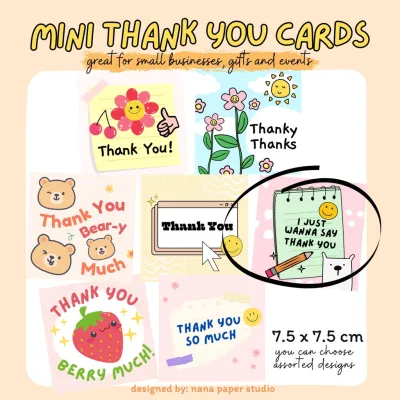
![[SG Seller] Cute Floral Aesthetic Thank You Cards Small Business Packaging Customer Appreciation Inserts Teachers](https://img.lazcdn.com/g/p/8c93e2fa1ebda49573d5c6607d86632e.jpg_400x400q80.jpg_.webp)
Prices are valid at publication and may change. Please refer to the product page for the latest price.
The texture and finish of the paper also play a significant role in both aesthetics and functionality. Common options include:
- Cotton Paper: Made from cotton fibers, this paper offers a soft, luxurious, and highly tactile feel. It is exceptionally durable and absorbs ink beautifully, making it an excellent choice for handwritten messages.
- Recycled Cardstock: Often featuring a slightly textured, matte surface with subtle, organic flecks, recycled paper conveys a warm, rustic, and environmentally conscious aesthetic.
- Uncoated Matte Paper: This classic finish provides a smooth, non-reflective surface that is highly receptive to all pen types, minimizing the risk of ink smudging.
- Satin or Semi-Gloss Paper: This finish enhances color vibrancy and detail in printed illustrations, though it requires a brief drying time when written on with certain inks.
Specialized printing techniques can elevate a simple design into a work of art. Look for features like hot foil stamping, which applies metallic foil (such as gold, silver, or rose gold) to specific design elements for a subtle gleam. Letterpress printing presses the design deep into thick cotton paper, creating a beautiful dimensional effect. Embossing raises specific patterns or lettering above the paper surface, while debossing indents them. To verify the quality of these techniques, run your finger gently across the card surface to feel the depth of the impression, and inspect the back of the card to ensure the printing process has not compromised the structural integrity of the paper.
When evaluating design themes, consider the teacher’s personality and your relationship with them. Classic designs featuring elegant floral illustrations, clean typography, or traditional symbols of learning (such as books or globes) are ideal for formal expressions of gratitude. Conversely, humorous cards featuring clever puns about grading, coffee consumption, or classroom patience are perfect for approachable teachers who appreciate a lighthearted touch. Locally inspired designs that incorporate Singaporean culture or school-day memories add a highly personalized, nostalgic element.
Finally, pay close attention to the interior layout and the accompanying envelope. A high-quality card should provide a generous, clean blank space or a very light, unobtrusive grid for your handwritten message. This ensures your writing remains the focal point without competing with pre-printed text. The envelope should be constructed from thick, opaque paper (at least 120 GSM) that matches or complements the card’s color palette, ensuring the contents remain private and protected during transit.
Where to Find the Best Greeting Card Brands in Singapore
Singapore offers a diverse retail landscape for stationery enthusiasts, ranging from global design powerhouses to independent local illustrators. Finding the best brand depends entirely on your specific aesthetic preferences, budget, and how much time you have before the occasion. Whether you prioritize timeless elegance, local cultural relevance, or the convenience of browsing multiple brands under one roof, knowing where to look streamlines your shopping process.

Different retail environments cater to distinct gifting needs. Understanding the strengths and limitations of international brands, local creative studios, and major retail chains allows you to target your search effectively and find a card that matches your vision.
International Stationery and Card Brands
International stationery brands are widely celebrated for their consistent print quality, refined typography, and classic design sensibilities. These brands often collaborate with renowned global artists to produce highly polished, elegant collections. Their designs lean toward timeless themes, sophisticated color palettes, and universal messages of appreciation, making them a safe and highly respectable choice for any educator.
In Singapore, these premium international brands are typically stocked in high-end department stores along Orchard Road, dedicated luxury stationery boutiques, and specialized design shops. Shopping at these venues allows you to experience the physical quality of the paper and the precision of the printing techniques firsthand.
However, international brands do come with specific trade-offs. They generally command a higher price point, with individual cards often ranging from S$8 to S$15. Additionally, because these designs are created for a global audience, they lack local cultural specificity, Singaporean humor, or references to the unique shared experiences of the local school system.
Local Independent Artists and Creative Studios
For those seeking a highly personalized and culturally resonant touch, Singapore’s local independent artists and creative studios offer an exceptional range of designs. These local creators frequently incorporate elements of Singaporean culture, local school-day memories, and lighthearted Singlish expressions (such as “Thank you, Cher!”) into their illustrations. These familiar references create an instant connection and bring a warm, nostalgic smile to local educators.
You can discover these unique brands by visiting independent bookstores in creative hubs like Tiong Bahru or Bras Basah, browsing local artisan craft markets, attending weekend design pop-ups, or visiting the artists’ official websites. Purchasing from these independent sources directly supports Singapore’s creative community and ensures you receive a distinctive, limited-run design that is unlikely to be duplicated by other students.
While local independent designs offer unmatched character, they are often produced in smaller quantities. This means popular designs can sell out quickly as Teachers’ Day approaches, requiring buyers to plan ahead and secure their cards early in the season.
Bookstore Chains and Lifestyle Gift Shops
If convenience and variety are your primary goals, major bookstore chains and lifestyle gift shops serve as excellent multi-brand aggregators. These large-scale retailers stock a wide, curated mix of both international stationery brands and popular local labels under one roof, making it incredibly easy to compare different styles, paper weights, and price points side-by-side.
When shopping at these retail chains, you can physically inspect the cards to verify that the paper is thick enough to resist ink bleeding and that the envelopes are sturdy. This hands-on evaluation eliminates the guesswork often associated with online shopping.
During the weeks leading up to late August, these stores typically set up dedicated, highly visible seasonal displays for Teachers’ Day. Be sure to check these curated aisles first, as they consolidate the best thematic designs and make it simple to find high-quality options quickly.
Thoughtful Gift Ideas for Teachers' Day: Pairing Cards with Presents
To create a truly memorable presentation, pair your chosen greeting card with a thoughtful, practical gift that complements its aesthetic and utility. When brainstormed together, these elements form cohesive gift ideas for teachers day that show genuine care and respect for the recipient’s daily routine.
Consider pairing a premium, elegantly designed card with high-quality, practical stationery items that teachers can use in their professional lives. Excellent options include:
- Archival-Quality Notebooks: Look for notebooks featuring thick, ink-resistant paper (100 GSM or higher) and lay-flat binding, which provide a smooth, comfortable writing experience for lesson planning or personal journaling.
- Smooth-Writing Pens: A refined gel pen or a classic, refillable fountain pen with an ergonomic grip makes a wonderful, functional keepsake that elevates the daily task of grading papers.
- Desk Organizers: High-quality wooden or brass desk trays and pen holders help keep a busy classroom desk tidy and organized.
Alternatively, you can pair your card with wellness or relaxation items to emphasize your care for the teacher’s well-being outside of the classroom. Consider combining a warm, heartfelt card with artisanal caffeine-free tea blends, nourishing hand creams (which are highly appreciated by teachers who handle chalk or wash their hands frequently), or low-maintenance small desk plants like succulents to bring a touch of calming greenery to the staffroom.
To ensure a polished presentation, match the design tone of your card with the style of the accompanying gift and wrapping paper. For example, if you select a minimalist, modern card, pair it with a sleek, contemporary pen wrapped in clean, solid-colored paper with simple twine. If you choose a vibrant, humorous card featuring playful illustrations, complement it with colorful wrapping paper and a bright, cheerful desk accessory. This visual harmony demonstrates that every element of the gift was chosen with care.
Ultimately, the most valuable part of any card is the personal message written inside. To write a deeply meaningful message that stands out from generic greetings, try structuring your note with these three steps:
- Recall a Specific Memory: Mention a particular lesson, a helpful piece of advice, or an encouraging moment during the school year that left a positive impression on you.
- Express the Impact: Clearly explain how that specific action or moment helped you grow, build confidence, or overcome a challenge in your studies.
- Offer Sincere Gratitude: Close with a warm, respectful expression of thanks for their dedication, patience, and hard work.
Before writing your final message inside the card, it is highly recommended to draft your words on a separate piece of paper first. This allows you to refine your phrasing, check your spelling, and plan the layout of your writing, ensuring the final presentation inside the card is neat, legible, and free of corrections.
Pre-Purchase Checklist: Delivery, Customization, and Stock
Before finalizing your purchase, review this practical checklist to ensure your Teachers’ Day card arrives on time, meets your quality standards, and complies with local delivery guidelines.
- Verify Delivery Timelines: If you are ordering cards from online marketplaces or an artist's official website, check the estimated shipping times carefully. Standard local delivery within Singapore typically takes 3 to 5 business days, but peak seasonal demand in August can cause shipping delays. To avoid disappointment, place your online orders at least two weeks before Teachers' Day.
- Check Customization Options: Many independent studios and online boutiques offer customization services. Check if you can have the teacher's name printed on the front, request a custom printed message inside, or add a personalized wax seal to the envelope for a highly sophisticated, bespoke finish.
- Confirm Physical Stock Availability: If you plan to buy your cards in-store, keep in mind that popular local designs and limited-edition runs sell out quickly as the holiday approaches. If you have a specific design in mind, check the retailer's online stock indicator or call the store ahead of time to confirm availability before making the trip.
- Verify Ink Compatibility: When planning to write your message, perform a quick ink-bleed test on a small, hidden corner of the card's paper (such as the inner spine or the back edge) using your preferred pen. This step is especially important if you plan to use a fountain pen or a heavy gel pen, as it allows you to verify that the ink dries quickly and does not smudge, feather, or bleed through to the other side of the paper.
- Check Envelope Dimensions and Postage: If you plan to mail the card directly to the school via local postal services, verify the envelope's dimensions and thickness. Square envelopes, oversized cards, or cards featuring thick embellishments (such as wax seals, ribbons, or wooden elements) do not fit standard automated sorting machines. These non-standard items require additional postage under local postal guidelines, so check the rates carefully before mailing.
Frequently Asked Questions (FAQ)
How early should I order custom Teachers' Day cards online?
For customized or personalized greeting cards, it is best to place your order at least two to three weeks before Teachers’ Day. This timeframe accounts for the artist’s production and printing processing times, which typically take 3 to 5 business days, as well as local courier delivery times in Singapore. Always review the specific processing and shipping times displayed on the retailer’s checkout page, as lead times can lengthen significantly during peak seasonal periods in August.
Are there eco-friendly greeting card options available in Singapore?
Yes, many local and international stationery brands in Singapore offer environmentally friendly options. When shopping, look for cards labeled with FSC (Forest Stewardship Council) certification, which guarantees the paper is sourced from responsibly managed forests. Additionally, look for cards made from 100% post-consumer recycled paper or plantable seed paper, which can be buried in soil after use to grow wildflowers. To ensure the card remains fully recyclable, choose designs printed with soy- or vegetable-based inks, and avoid cards featuring plastic-based glitter, synthetic laminates, or heavy non-recyclable metallic foils.

Community discussion
Share your experience or ask a question. Comments are reviewed before publication.