
Expressing gratitude to educators is a cherished tradition in Singapore, particularly as the school year progresses toward appreciation season. When searching for a thoughtful teachers day gifts idea, greeting cards stand out as the ultimate medium for personal expression. The best greeting card brands available in Singapore span classic heritage options like Hallmark, lifestyle-focused aesthetic labels like Typo, and independent local design studios that capture unique school culture. Choosing the right brand ensures your message of thanks is presented on high-quality paper that preserves your words for years to come.
While a physical gift is a kind gesture, a well-chosen card provides a dedicated space for a handwritten message. This personal touch often carries far more emotional weight than a generic store-bought item. By matching the card’s design and paper quality to your teacher’s personality, you transform a simple piece of stationery into a lasting keepsake.
Why Greeting Cards Make Meaningful Teachers' Day Gifts
Unlike consumable gifts that are quickly used up or generic items that may accumulate on a staffroom shelf, a greeting card is a tangible anchor of memory. Educators often keep a drawer or folder of letters from former students, pulling them out on challenging days to remind themselves of the impact they have made. A physical card serves as a permanent record of a student’s growth and gratitude, making it an incredibly durable and meaningful token.
Products mentioned in this guide

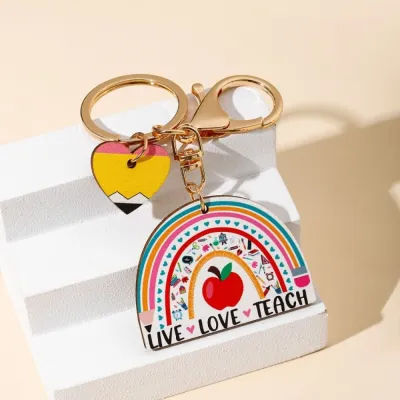
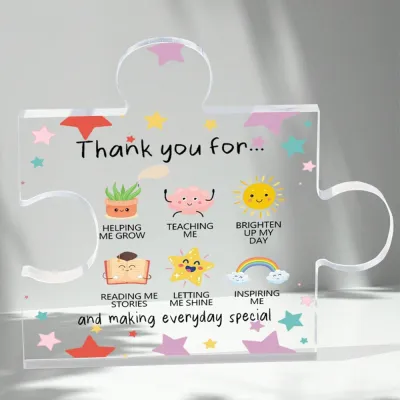
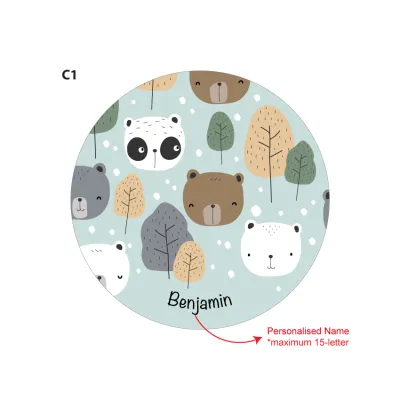

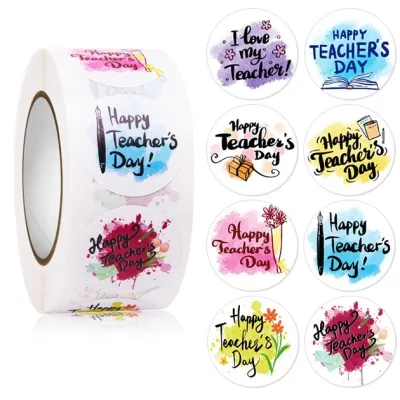
![[SG STOCK] Cute Hand Towel Gift Kids Goodie Bag Gift Children Day Gift Teachers Day Gift Wedding Gift Christmas Gift](https://img.lazcdn.com/g/p/eb14d5b858c10f2914a2c6f19316b53d.png_400x400q80.png_.webp)
Prices are valid at publication and may change. Please refer to the product page for the latest price.
Furthermore, a card offers complete flexibility in your gifting strategy. It can easily accompany a larger gift, serving as the emotional core that explains the gesture, or it can stand entirely on its own. When budget constraints make large gifts impractical, a beautifully crafted card ensures that the gesture remains deeply personal and respectful without requiring a significant financial outlay.
Selecting a high-quality card also demonstrates deliberate effort. Opting for a carefully selected brand rather than a last-minute, generic card from a convenience store shelf shows the recipient that you took the time to consider their tastes. This attention to detail elevates the entire experience of receiving the gift, setting a respectful and appreciative tone before the envelope is even opened.
How to Choose the Right Card Style for Your Teacher
Selecting the perfect card requires observing your teacher’s daily style and classroom environment. Pay attention to how they decorate their desk, the types of stationery they use, and their general communication style. A teacher who keeps a highly organised, minimalist classroom will likely appreciate a different aesthetic than one whose room is filled with colorful, creative student artwork.

Matching the card style to the teacher’s personality shows a high level of mindfulness. It indicates that you perceive them not just as an instructor, but as an individual with distinct tastes and preferences. Use the following categories to guide your selection process.
For the Traditional and Sentimental Teacher
For educators who appreciate classic gestures and elegant aesthetics, look for cards that feature traditional design elements. These typically include delicate floral motifs, classic botanical illustrations, or refined typography with gold or silver foil accents. The paper stock should feel substantial and premium, often featuring a slight texture like linen or cotton rag.
When browsing traditional brands, seek out designs that offer a balanced combination of a gentle, pre-printed sentiment and ample blank space inside. This structure allows the printed words to set a respectful tone while leaving you plenty of room to write a detailed, personal message of appreciation.
For the Modern and Minimalist Teacher
Contemporary educators often appreciate clean layouts, abstract geometric art, and modern typography. These cards rely on negative space, muted color palettes, and sophisticated graphic design rather than elaborate embellishments. The overall look is sleek and professional, making the card feel like a piece of modern graphic art.
Minimalist cards are highly versatile and often double as stylish desk accessories that teachers can display long after the holiday has passed. Look for brands that use heavy, uncoated matte paper, which complements the clean design and provides an exceptionally smooth surface for writing.
For the Creative and Artsy Teacher
If your teacher has a vibrant personality, teaches creative subjects, or encourages unconventional thinking, an artsy card is the ideal match. These designs feature bold, hand-drawn illustrations, playful color combinations, or interactive elements such as pop-ups and intricate die-cut shapes. Some creative cards even incorporate mixed media or textured paper collages.
An artsy card stands out immediately in a stack of mail. It reflects a sense of fun and energy, making it perfect for teachers who bring high enthusiasm to the classroom every day. Choose a design that matches their specific creative outlet, whether it is music, literature, science, or visual arts.
Classic and Traditional Greeting Card Brands
Classic heritage brands remain a highly reliable option for Teachers’ Day due to their extensive distribution and time-tested designs. Hallmark is the most prominent name in this category, alongside established house brands found in major Singaporean bookstore chains. These brands excel at creating structured, emotionally resonant cards that cater specifically to formal milestones and appreciation events.
One of the primary strengths of traditional brands is the sheer variety of pre-written messages they offer. If you find it difficult to express your feelings from scratch, these cards provide professionally drafted sentiments that articulate gratitude clearly and respectfully. Additionally, classic brands frequently utilize premium manufacturing techniques, such as deep embossing, intricate laser-cutting, and metallic foil stamping, which give the card a highly polished, formal appearance.
However, because these cards are produced on a global scale, some designs can feel somewhat generic or mass-produced. To counter this, it is essential to focus on the quality of your handwritten message inside to make the gesture feel personal. When shopping, look for the brand’s premium or seasonal collections, which often feature heavier paper stocks and more unique illustrations than their standard everyday lines.
When evaluating traditional cards, check the paper weight to ensure it feels sturdy. Premium classic cards typically use cardstock ranging from 280 to 350 grams per square meter (gsm). This thickness ensures the card stands upright easily on a desk without bowing or warping under its own weight over time.
Modern and Minimalist Lifestyle Brands
For a contemporary aesthetic, lifestyle stationery brands offer a fresh alternative to traditional greeting cards. Brands like Typo, along with various boutique design studios imported from Australia, Europe, and Japan, have gained significant popularity in Singapore. These brands focus heavily on current design trends, witty typography, and artistic collaborations.
Lifestyle brands excel at creating cards with a distinct personality. You will find clever puns, hand-lettered quotes, and trendy illustrations that resonate particularly well with younger teachers or those who appreciate a casual, friendly classroom dynamic. The paper used by these brands is often highly textured, such as recycled kraft paper or felt-finish cardstock, which adds a tactile, premium feel to the card.
Because these brands prioritize design, their cards often double as beautiful mini art prints that teachers can pin to a corkboard or frame for their home office. They feel less like a commercial greeting card and more like a curated piece of stationery, which enhances their value as a keepsake.
One consideration when shopping these brands is that they may not always carry a large, dedicated “Teachers’ Day” section. Instead, look through their broader “Thank You,” “Gratitude,” or “Mentorship” categories. A beautifully designed, general thank-you card from a design-forward brand often makes a much stronger visual impression than a generic card labeled specifically for teachers.
Local, Handcrafted, and Customisable Card Studios
Choosing a card from a local Singaporean illustrator or independent paper craft studio adds an incredibly thoughtful, culturally relevant layer to your gift. Singapore is home to a thriving community of independent designers who create cards featuring local school life references, colloquial humor, and beautiful illustrations of local flora or heritage landmarks. Supporting these creators ensures your card is truly unique.
Local studios often offer customisation options that are unavailable from mass-market brands. You might find cards that allow you to add the teacher’s name in custom calligraphy, or sets that come with bespoke wax seals and handmade linen envelopes. These artisanal details show that you went far beyond a simple retail purchase to source something genuinely special.
These cards are highly effective because they speak directly to the shared experience of school life in Singapore. A card featuring a witty nod to local school subjects, co-curricular activities, or familiar classroom phrases creates an instant connection and a shared smile. It shows a deep level of local relevance that international brands simply cannot replicate.
However, there are practical trade-offs to keep in mind when opting for handcrafted or custom cards. They generally command a higher price point, typically ranging from S$6 to S$12 or more per card, reflecting the small-batch production and premium materials. They also have much tighter stock limits and require longer lead times, especially if you are requesting custom lettering or personalized illustrations. Planning your purchase early is essential when working with independent makers.
Where to Buy Greeting Cards in Singapore
Finding the perfect card is highly convenient if you know where to look, as Singapore offers excellent retail and online options. For immediate needs and a wide physical selection, major bookstore chains and stationery shops are highly reliable. Retailers like Books Kinokuniya offer an extensive selection of imported Japanese and Western design cards, while Popular bookstores carry a vast array of classic brands and budget-friendly options across their island-wide branches.
If you are searching for modern, trendy, or aesthetic designs, visit lifestyle and gift shops located in major shopping malls. Stores like Typo provide a fun, casual shopping experience with plenty of design-forward options. Boutique lifestyle stores in areas like Millenia Walk, Orchard Road, or the Katong district often stock curated selections from independent international and local design studios.
For custom, handcrafted, or highly localized cards, shopping directly through official brand websites or local e-commerce platforms is highly recommended. Many independent Singaporean illustrators showcase their complete portfolios online, allowing you to browse unique designs from the comfort of home. This is also the best route for securing custom calligraphy or personalized details.
When buying online, always verify the estimated delivery times and shipping fees within Singapore. Because Teachers’ Day is a fixed holiday, you must ensure your card arrives with ample time for you to write your message. Ordering physical cards online at least one to two weeks in advance is a safe practice to avoid shipping delays.
How to Write a Heartfelt Teachers' Day Message
Once you have selected a high-quality card, the message you write inside is what truly completes the gift. A structured approach ensures your words are clear, respectful, and emotionally impactful. Avoid relying on generic, overused clichés and instead focus on your genuine experiences in the classroom.
To write a balanced and meaningful message, consider structuring your writing around these four simple steps:
- A Warm, Respectful Greeting: Address your teacher formally by their name (e.g., "Dear Mr. Tan" or "Dear Mrs. Lim") to set a polite and appreciative tone.
- A Specific Memory or Impact: Mention a specific lesson, project, or moment of guidance where the teacher truly helped you. This shows that you appreciate their individual effort rather than just their job title.
- A Clear Expression of Gratitude: State clearly how their dedication has made a difference in your academic journey or personal growth.
- A Professional yet Warm Sign-off: Close with a respectful closing phrase (e.g., "With warmest appreciation," or "Sincerely,") followed by your name.
It is also important to match the tone of your writing to the design of the card. If you chose a sleek, minimalist card, keep your message concise, elegant, and focused. If you selected a playful, artsy card with local humor, feel free to include a lighthearted classroom joke or a warmer, more casual expression of thanks.
Before writing on your premium card, always perform a quick ink test. Different paper stocks react differently to various pen types. Matte, uncoated papers are highly versatile and work beautifully with gel pens or fountain pens, though they require a few seconds of drying time to prevent smudging. Coated or glossy papers, on the other hand, are highly prone to smearing with slow-drying gel inks; for these surfaces, a reliable ballpoint pen or a quick-drying fine-liner is much safer. Test your pen on a hidden area, such as the inside flap of the envelope, to verify smoothness, drying speed, and bleed resistance before writing your final message.
Frequently Asked Questions (FAQ)
Is it appropriate to give a greeting card without a physical gift?
Yes, it is entirely appropriate and often preferred by many educators. Teachers highly value genuine, handwritten expressions of gratitude, and a thoughtful card containing specific personal reflections often carries far more meaning than a generic physical item. It stands perfectly well on its own as a complete and respectful gesture.
What paper quality should I look for in a premium greeting card?
For a premium feel, look for cardstock with a weight of at least 250 to 350 gsm. The paper should feel thick and sturdy, resisting easy creasing. Uncoated, matte, or lightly textured surfaces (such as linen or felt finishes) are excellent indicators of high quality, as they offer superior ink absorption and a tactile, luxurious feel.
How far in advance should I order customised cards in Singapore?
If you are ordering customized or handcrafted cards from local independent studios, it is best to place your order at least two to three weeks before Teachers’ Day. This timeline allows the creator sufficient time for production, quality checks, and local postal delivery, ensuring your card arrives well ahead of the holiday.

Community discussion
Share your experience or ask a question. Comments are reviewed before publication.