
Understanding Your Teacher's Day Card Gift Needs
Before browsing the shelves or online stores, it is essential to define the specific requirements of your gift. The relationship between the giver and the recipient dictates the tone of the card. For instance, a card from a primary school student often benefits from a playful, colorful design that allows room for child-friendly drawings or large handwriting. Conversely, a parent-to-teacher card or a message from a tertiary student usually calls for a more formal, elegant aesthetic that reflects professional respect and mature gratitude.
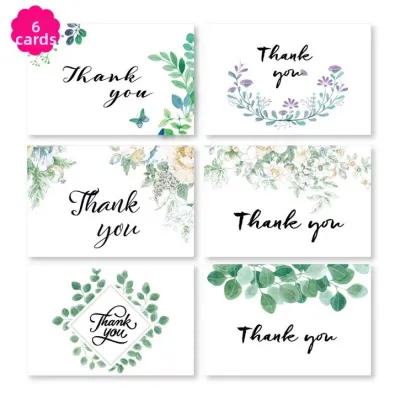
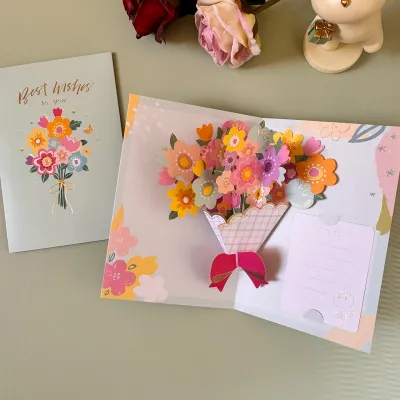
The physical format of the card is another critical decision point. Standalone cards are excellent for heartfelt, long-form messages where the written word is the primary gift. However, if you plan to present a token of appreciation, such as a retail voucher or a cafe gift card, look for brands that offer built-in gift card holders or secure interior pockets. For a more dramatic presentation, interactive pop-up cards or three-dimensional laser-cut designs can serve as standalone decorative pieces that teachers often display on their classroom desks long after the celebration has passed.
Budgeting is also an important factor, especially if you are purchasing cards for multiple teachers, such as subject specialists, form teachers, and co-curricular activity instructors. Setting a realistic budget helps you decide whether to invest in a single premium card for a main mentor or to purchase a coordinated set of high-quality cards that can be distributed among several educators. In Singapore, individual artisan or premium cards typically range from S$5 to S$15, while multi-card packs offer a more economical solution for bulk gifting without sacrificing presentation quality.
Products mentioned in this guide
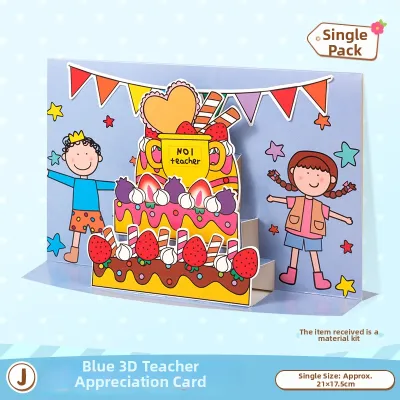
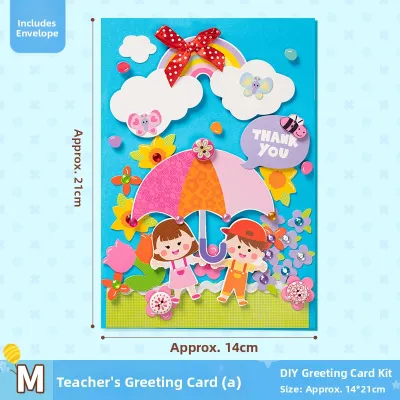
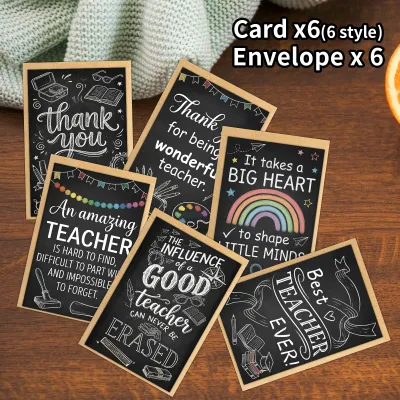
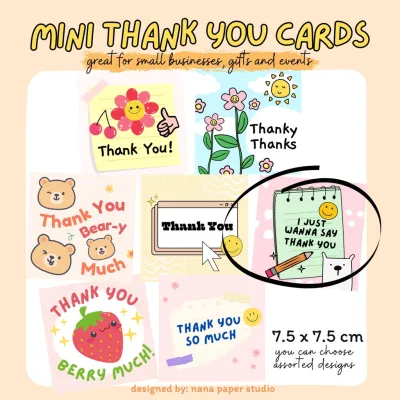
![[SG Seller] Cute Floral Aesthetic Thank You Cards Small Business Packaging Customer Appreciation Inserts Teachers](https://img.lazcdn.com/g/p/8c93e2fa1ebda49573d5c6607d86632e.jpg_400x400q80.jpg_.webp)
Prices are valid at publication and may change. Please refer to the product page for the latest price.
Key Factors When Evaluating Card Brands
To ensure the card you choose feels premium and holds up over time, you must evaluate several physical characteristics of the stationery. The most immediate indicator of quality is the paper weight, measured in grams per square metre (GSM). Standard printer paper is usually around 80 GSM, whereas high-quality greeting cards should range between 250 GSM and 350 GSM. Sturdy cardstock not only feels substantial in the hand but also prevents ink bleed-through and feathering, which is particularly important if the student plans to write with fountain pens, gel pens, or heavy markers.

The printing techniques and surface finishes employed by a brand greatly influence its visual and tactile appeal. Foil stamping, where metallic foil is pressed into the paper, adds a touch of elegance and catches the light beautifully. Embossing and debossing create raised or recessed textures that invite touch, giving the card a three-dimensional quality. When choosing between matte and glossy surfaces, consider the writing instrument: matte or uncoated surfaces are highly receptive to all ink types, whereas glossy finishes may cause gel or fountain pen inks to smudge, requiring a quick-drying ballpoint pen instead.
An often-overlooked element is the quality of the accompanying envelope. A premium card brand will always supply an envelope that matches the card’s dimensions perfectly and is made from a complementary paper weight, typically 100 GSM or higher. Look for details such as elegant square flaps, textured paper finishes, or even custom-printed inner linings that elevate the unboxing experience. The envelope should seal securely, either with a reliable moisture-activated adhesive or a self-adhesive strip, ensuring any enclosed gift cards or letters remain safe during transit.
Finally, consider the interior layout of the card. Some brands feature pre-printed verses or generic sentiments, which can be helpful if you find it difficult to express your thoughts. However, blank interiors are generally preferred by educators as they offer maximum space for personalization. A blank canvas allows the student to write a detailed letter, draw a custom illustration, or paste a memorable classroom photograph, turning a simple piece of stationery into a deeply personal memento.
Brand Categories to Explore for Teacher's Day Cards
To simplify your search, it helps to categorize the available options into three distinct segments. Each category caters to different aesthetic preferences, budgets, and gifting philosophies, allowing you to align your purchase with the teacher’s personality.
Local Artisan and Independent Designers
Local artisan brands and independent illustrators in Singapore offer a level of charm and cultural relevance that mass-produced cards cannot replicate. These creators often design cards featuring local colloquialisms, school-themed humor specific to the Singaporean classroom experience, or beautiful hand-drawn illustrations of local flora and landmarks. Because these cards are printed in small batches, they often feature hand-assembled details, unique paper textures, and a level of artistic individuality that makes each piece feel like a miniature work of art.
You can typically discover these independent brands at local craft markets, seasonal pop-up fairs, boutique design shops, or directly through the artists’ personal online storefronts. Supporting these creators ensures a highly unique gift that the teacher is unlikely to receive from anyone else. However, when opting for artisan cards, you should keep in mind that stock is often limited, and custom or personalized requests require longer lead times to design, print, and deliver before the school holidays or the official celebration date.
Premium Stationery and Lifestyle Brands
For those seeking classic elegance, sophisticated typography, and flawless manufacturing, premium stationery and lifestyle brands are the ideal choice. These established names are synonymous with luxury paper goods, often utilizing heavy-weight cotton paper, intricate gold foil accents, and beautifully curated color palettes. The designs tend to be timeless and formal, making them highly suitable for expressing deep respect to senior educators, principals, or mentors who have made a significant impact on a student’s academic journey.
These premium cards are particularly well-suited for group gifts, where an entire class or a parent committee contributes to a single, high-end present. The generous dimensions of larger premium cards provide ample space for multiple signatures and short messages from several students. You can easily find these brands in major department stores, high-end bookstores, and dedicated lifestyle boutiques across Singapore, making them a convenient option when you need a guaranteed standard of quality on short notice.
Eco-Friendly and Sustainable Card Makers
As environmental consciousness grows, many card makers are prioritizing sustainable production methods and materials. Eco-friendly brands utilize post-consumer recycled paper, FSC-certified cardstock sourced from responsibly managed forests, and biodegradable packaging. Instead of traditional petroleum-based inks, these brands print their designs using soy-based or vegetable-based inks, which are less harmful to the environment and produce vibrant, rich colors on uncoated paper surfaces.
One innovative option within this category is plantable seed paper. These cards are embedded with wildflower or herb seeds; after reading the message, the teacher can plant the card in soil, where it biodegrades and grows into real plants. To verify these eco-claims, look for clear labels on the packaging, such as the Forest Stewardship Council (FSC) logo, or check the manufacturer’s product specifications online. These cards are an exceptional fit for science teachers, geography educators, or any teacher who actively champions sustainability and green living.
Where to Purchase Teacher's Day Cards in Singapore
Singapore offers a variety of retail channels to suit different shopping preferences and timelines. If you prefer a tactile shopping experience where you can feel the paper weight and inspect the finishes firsthand, physical retail stores are highly recommended. Major bookstore chains located in heartland malls and the central business district carry a wide selection of mainstream and premium card brands. For more unique or curated designs, lifestyle boutiques in creative hubs like Bras Basah, Tiong Bahru, or Orchard Road offer a handpicked selection of independent stationery. Even local supermarkets often feature dedicated greeting card aisles, which are incredibly convenient for last-minute purchases.
For a wider variety and the convenience of home delivery, online marketplaces and e-commerce platforms are excellent alternatives. When shopping online, it is crucial to read customer reviews and check seller ratings to verify the print quality and packaging standards. Ensure that the seller packages the cards with sturdy cardboard backing to prevent bending or creasing during transit. Additionally, pay close attention to estimated delivery dates, especially during peak gifting seasons, to ensure the cards arrive well before Teacher’s Day.
If you wish to purchase directly from local creators, visiting their individual websites or social media storefronts is the best approach. This direct channel often gives you access to their full product catalogs, exclusive designs, and customization options that may not be available on larger retail platforms. It also allows you to communicate directly with the artist if you have specific requests regarding bulk orders or personalized messaging.
Adding a Personal Touch to Your Card Gift
While the brand and design of the card set a beautiful stage, the message inside is what truly transforms it into a cherished keepsake. Instead of simply signing a name or writing a generic ‘Happy Teacher’s Day,’ encourage the student to write a specific, heartfelt message. Recalling a particular lesson that inspired them, a moment when the teacher offered encouragement during a difficult time, or a funny classroom anecdote makes the card incredibly meaningful and shows the educator that their efforts had a lasting, positive impact.
To elevate the card further, you can pair it with a small, practical token that complements the stationery theme. A high-quality gel pen, an elegant metal bookmark, or a gift voucher to a local bookstore are thoughtful additions that are both useful and respectful. Avoid overly personal or expensive items, as school guidelines often restrict the value of gifts teachers can accept; a beautifully written card paired with a modest, practical item strikes the perfect balance.
For younger students, involving them directly in the creation process adds immense sentimental value. Even if you purchase a pre-made card, let the child draw a small picture on the inside flap, color in a border, or write their name in their own handwriting. These small, imperfect touches are often what teachers appreciate the most, as they reflect the child’s genuine effort and enthusiasm. A card that showcases a student’s personal touch is far more likely to be kept in a teacher’s desk drawer for years to come.
Frequently Asked Questions (FAQ)
How far in advance should I order a custom Teacher's Day card?
If you are planning to purchase a custom or personalized card from an independent artisan, it is best to place your order at least two to three weeks in advance. This timeline allows the creator sufficient time to draft the design, obtain your approval, print the card, and package it securely. If the artisan is shipping the card from an international location or if you are ordering during peak school holiday seasons, factor in an additional week for potential postal delays. For last-minute gifts, it is safer to opt for ready-made cards from local physical retail stores to ensure you have the card in hand on the day of the celebration.
Is it appropriate to give a digital card instead of a physical one?
Digital cards are highly appropriate and convenient in specific contexts, such as remote learning environments, when sending a greeting to a teacher who has relocated, or as a last-minute gesture. They also allow for creative collaborative efforts, where an entire class can contribute messages, photos, and even short video clips into a single digital link. However, physical cards remain the preferred choice for most traditional school settings in Singapore. A physical card acts as a tangible keepsake that a teacher can display on their desk, place in a memory box, or look back on physically over the course of their career, offering a lasting warmth that digital screens cannot fully replicate.
Community discussion
Share your experience or ask a question. Comments are reviewed before publication.