
Keeping a workspace tidy in a compact study nook or a busy office requires smart, vertical storage solutions. A magnetic strip strong enough to hold everyday metal tools is an exceptionally efficient way to clear clutter from your desktop. By taking advantage of vertical space on walls, desk edges, or monitor stands, you can keep essential items like scissors, rulers, keys, and charging cables within arm’s reach without sacrificing valuable desk real estate.
However, selecting the right magnetic strip involves more than simply buying the first magnetic tape you find online. The effectiveness of your setup depends on understanding the difference between light-duty flexible magnetic tapes and heavy-duty neodymium rails. Choosing the wrong type can lead to slipping tools, damaged desk surfaces, or dropped items. A successful desk organization system requires matching the weight of your stationery to the correct magnetic grade and selecting a mounting method that suits your specific desk material.
Quick Guide to Strong Magnetic Strips for Desk Setup
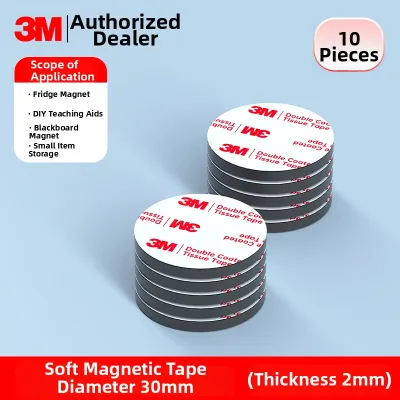
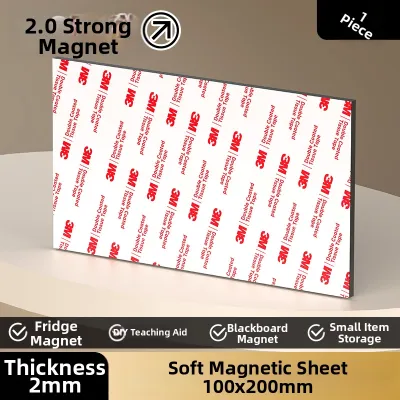
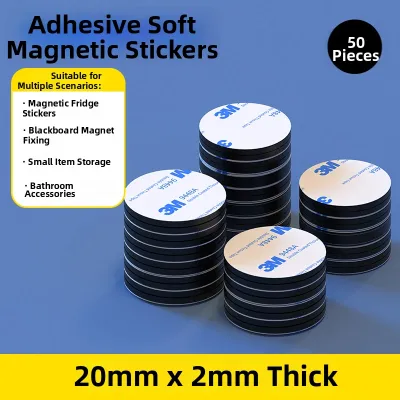
When looking for a magnetic strip strong enough to organize a modern workspace, the primary consideration is the weight of the items you intend to hang. For light items like paperclips, binder clips, and small keys, a flexible adhesive-backed magnetic strip is highly convenient. These strips can be easily cut to size and applied directly to monitor bezels, desk organizers, or the inside of drawers without drilling holes.
Products mentioned in this guide
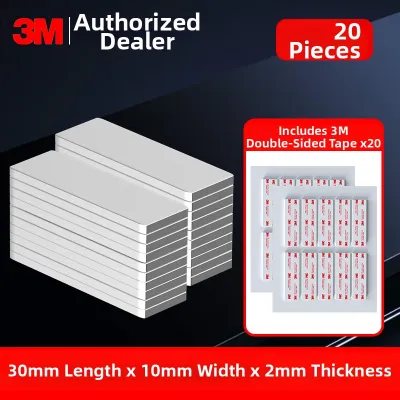
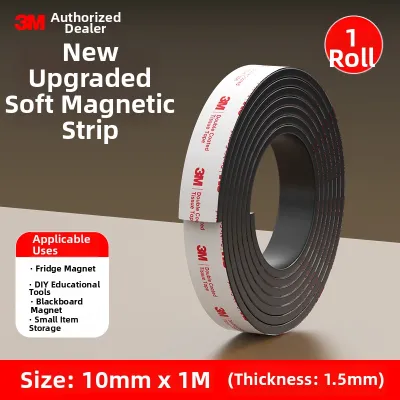
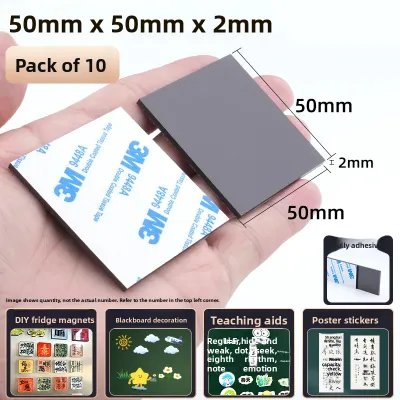
Prices are valid at publication and may change. Please refer to the product page for the latest price.
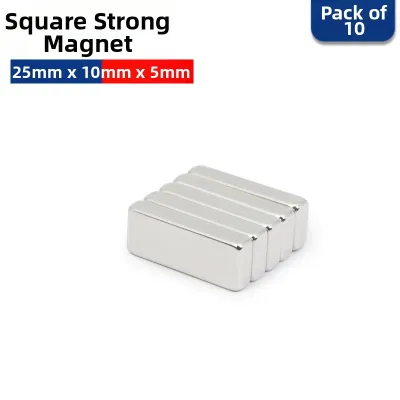
For heavier tools like metal shears, heavy steel rulers, utility knives, and pliers, you will need a heavy-duty, rigid neodymium magnetic strip. These stronger strips are typically mounted using screws or heavy-duty mounting tape to ensure they do not pull away from the surface when you remove a tool. Neodymium magnets offer a much higher pull force, ensuring that heavy or sharp metal items remain securely in place.
Your choice also depends heavily on your desk material. While solid wood desks can easily accept screws, engineered wood (MDF), glass, or steel-framed desks require specific mounting considerations. Assessing your desk’s surface and structural integrity is a crucial first step before purchasing any heavy-duty magnetic organizer.
How to Evaluate Magnetic Strength and Build Quality
To make an informed decision when browsing online marketplaces or local stationery stores, you must understand how magnetic strength is measured and how physical build quality affects performance.

Magnet Grades and Materials
The most important factor in determining magnetic strength is the material composition of the magnet. Neodymium magnets, also known as NdFeB (Neodymium-Iron-Boron) magnets, are the standard for heavy-duty desk organization. These rare-earth magnets are graded by their maximum energy product, represented by a number like N35, N42, or N52. The higher the number, the stronger the magnetic pull. For desk applications where you want to hold solid steel items like heavy shears or multi-tools, look for strips utilizing neodymium magnets.
On the other hand, flexible magnetic strips are typically made of ferrite powder mixed with a synthetic rubber binder. While highly flexible and easy to cut, these strips have a much lower magnetic energy product. They are only suitable for holding extremely lightweight items like paperclips, staples, or thin steel rulers. If you attempt to hang a pair of heavy office scissors on a standard flexible rubber magnetic strip, it will almost certainly slide off.
Pull Force vs. Shear Force
When evaluating product specifications, manufacturers often list the “pull force” of the magnet. This is the amount of force required to pull the magnet straight off a flat, thick steel plate. However, in vertical desk organization, the primary force you must combat is not pull force, but “shear force” (or sliding force).
When you hang a pair of scissors vertically on a magnetic strip mounted to a wall or the side of a desk, gravity pulls the item downward, causing it to slide. The shear force resistance of a magnet is typically only 15% to 20% of its rated perpendicular pull force. This means a magnet rated for a 5 kg pull force might only support a 1 kg item vertically before it begins to slide down. To prevent sliding, you must either choose a magnet with a much higher pull force rating or select a strip with a high-friction surface coating, such as rubber, which dramatically increases lateral resistance.
Coating and Durability in Humid Climates
Raw neodymium is highly susceptible to oxidation and corrosion, especially in warm, humid tropical climates. Without a protective coating, a neodymium magnet will quickly rust, bubble, and eventually crumble into a powder, losing its magnetic properties.
Common protective coatings include:
- Nickel-Copper-Nickel (Ni-Cu-Ni): A shiny, metallic plating that offers excellent durability in air-conditioned environments but can corrode if exposed to high humidity or sweat over long periods.
- Epoxy: A smooth black plastic-like coating that provides superior moisture resistance, making it ideal for non-air-conditioned study rooms or home offices.
- Rubber or Silicone: A thick, protective layer that completely seals the magnet from air and moisture. This is the preferred coating for desk organization because the soft surface prevents scratches on your expensive metal tools and desk finishes, while also providing the high friction needed to prevent vertical sliding.
Physical Dimensions and Weight Distribution
The physical width, thickness, and length of the magnetic strip play a major role in its overall holding capacity. A wider strip provides a larger contact area, which distributes the weight of the held items more evenly. Additionally, many high-quality magnetic strips feature a steel backing channel. This steel channel acts as a yoke, redirecting the magnetic flux from the back of the magnet toward the front face. This closed magnetic circuit can double the effective holding power of the front surface compared to an unbacked magnet of the same size.
Recommended Magnetic Strip Types for Desk Use
Choosing the right magnetic strip requires matching the product’s design to the specific items you plan to organize. Let’s look at the three primary categories of magnetic strips available for desk setups.
Adhesive-Backed Magnetic Strips
For lightweight stationery and quick DIY projects, adhesive-backed magnetic strips are highly convenient. These strips feature a peel-and-stick backing on one side and a magnetic face on the other, allowing you to mount them directly to monitor bezels, desk organizers, or the inside of drawers without drilling holes.
These strips are best suited for holding small, lightweight metal items. You can use them to organize paperclips, binder clips, metal-bodied drafting pens, USB flash drives, and keys. They are also excellent for creating custom magnetic labels or securing lightweight notes and reminders to a vertical surface.
When choosing an adhesive-backed strip, the quality of the adhesive is just as critical as the strength of the magnet. In humid conditions, cheap rubber-based adhesives can quickly soften and peel away from the mounting surface under load. Look for strips that utilize high-bond acrylic foam tapes, such as 3M VHB. These adhesives are designed to withstand temperature fluctuations and humidity, ensuring a long-lasting bond.
Before applying an adhesive strip, you must thoroughly clean the mounting surface with isopropyl alcohol to remove any oils, dust, or grease. Press the strip firmly against the surface for at least 30 seconds to activate the pressure-sensitive adhesive. Keep in mind that high-bond adhesives can be difficult to remove and may damage delicate wood veneers, paper laminates, or painted drywall upon removal.
Screw-Mounted Heavy-Duty Magnetic Strips
If you need to organize heavier tools, craft supplies, or metal office accessories, screw-mounted magnetic strips provide the ultimate level of security. These strips feature pre-drilled holes that allow you to mechanically fasten them to solid wood desk edges, wooden pegboards, or nearby walls.
Screw-mounted strips are ideal for holding heavy steel rulers, large office shears, utility knives, pliers, metal-cased calculators, and multi-tools. Because they are mechanically fastened, you do not have to worry about adhesive failure causing heavy or sharp tools to fall onto your keyboard or lap.
Before installing a screw-mounted strip, you must assess the structural integrity of your mounting surface. Solid wood desks, such as those made of teak, oak, or walnut, are excellent candidates for screw mounting. However, many modern flat-pack desks are constructed from medium-density fiberboard (MDF) or feature a hollow-core honeycomb paper interior. Screwing directly into these materials can result in the screws stripping out under the weight of your tools. For MDF or hollow-core desks, you must use specialized anchors or limit your mounting to the solid wood or steel frame elements of the desk.
Always measure the thickness of your desk panel before drilling. Choose screws that are at least 3 to 5 millimeters shorter than the thickness of the wood to prevent the screw point from piercing through to the visible top surface of your desk.
Magnetic Tool Holders and Rails
Originally designed for kitchens and workshops, heavy-duty magnetic tool holders and rails have become highly popular additions to minimalist desk setups. These rails typically consist of a steel channel housing powerful ceramic or neodymium magnet blocks, often finished with a sleek wooden, plastic, or powder-coated steel exterior.
These rails are designed to hold substantial weight and provide a continuous magnetic surface across their entire length. This makes them perfect for organizing larger desk accessories, such as metal-backed trays, heavy tape dispensers, tablet mounts, and multiple pairs of scissors or craft knives.
One of the main benefits of a fully enclosed magnetic rail is debris management. Raw magnets naturally attract fine iron dust, staples, and paperclips, which can be difficult to clean off. An enclosed rail features a smooth, continuous outer shell—often made of stainless steel or polished wood—that can be wiped clean in a single pass.
Furthermore, wooden or bamboo-faced magnetic rails offer a premium, natural aesthetic that blends seamlessly with modern Scandinavian or minimalist desk setups. They provide the extreme holding power of industrial magnets without the harsh, utilitarian look of raw metal rails, making them an excellent choice for home offices where design and aesthetics are highly valued.
Installation and Surface Compatibility
Proper installation is essential to ensure your magnetic strip performs reliably without causing damage to your workspace. Different desk materials require different mounting strategies.
Desk Material Assessment
- Solid Wood: This is the most versatile surface. It easily accepts both high-quality adhesives and wood screws. While adhesives bond exceptionally well to finished wood, removing them later can strip away varnishes, oils, or wood veneers.
- MDF and Particle Board: These engineered woods are common in budget-friendly office furniture. Adhesives work well if the surface laminate is clean and intact. If you choose to use screws, you must pre-drill pilot holes to prevent the material from splitting or swelling.
- Glass: Glass-top desks cannot accept screws. You must rely entirely on adhesives. Because the back of the adhesive will be visible through the glass, look for double-sided tape that cures clear, or mount the strip to the metal support frame underneath the glass instead.
- Metal (Steel Frames): If your desk has a powder-coated steel frame or steel legs (common on standing desks), you may not need screws or adhesives at all. You can use a double-sided magnetic strip or a magnetic bar that sticks directly to the steel frame via magnetic force alone, allowing for easy repositioning.
Adhesive Installation Steps To achieve a bond that can withstand the weight of your desk accessories, follow these steps:
- Clean: Wipe the mounting surface thoroughly with 70% isopropyl alcohol. Do not use household glass cleaners or multi-surface sprays, as they often leave behind a microscopic silicone residue that prevents the adhesive from bonding fully.
- Dry: Allow the alcohol to air-dry completely for a few minutes.
- Apply: Peel the protective backing from the adhesive tape, position the magnetic strip carefully, and press it firmly against the surface. Apply heavy pressure across the entire length of the strip for at least 30 seconds.
- Cure: This is the most critical step. Do not hang any items on the magnetic strip immediately. High-bond acrylic adhesives require time to flow into the microscopic pores of the surface. Allow the adhesive to cure undisturbed for 24 to 72 hours before applying any load.
Screw Installation Safety When mounting a magnetic strip with screws, safety and precision are paramount:
- Check for Obstructions: Look underneath and behind the mounting area. Ensure there are no power cables, monitor cords, drawer glides, or structural metal brackets that could be damaged by your drill bit or screws.
- Select the Right Screws: Ensure the screw length is shorter than the thickness of your mounting board. If mounting to a nearby concrete wall (common in Singapore HDB flats), use plastic wall anchors (plugs) and a masonry drill bit to secure the screws.
- Pre-drill Pilot Holes: Use a drill bit that matches the core diameter of your screw (excluding the threads). Pre-drilling prevents dense hardwoods from splitting and ensures the screw drives in straight and flush.
Removal and Cleanup If you need to remove an adhesive-backed magnetic strip, do not pry it off with a screwdriver or knife, as this will gouge your desk. Instead, use a length of dental floss or high-strength fishing line. Slide the line behind the magnetic strip and use a gentle sawing motion to cut through the foam core of the adhesive tape. Once the strip is removed, apply gentle heat from a hair dryer to soften the remaining adhesive residue, then roll it off with your fingers. If the surface is fragile, antique, or under warranty, stop and consult the desk manufacturer before attempting removal.
Maintenance and Care for Desk Magnets
To ensure your magnetic strip remains functional and visually appealing for years, you must practice proper maintenance.
Cleaning and Moisture Protection Dust and fingerprints can accumulate on your magnetic strip over time. To clean it, simply wipe the surface with a dry or slightly damp microfiber cloth. Avoid using harsh chemical solvents, bleach, or abrasive scrubbing pads. These can degrade the protective nickel plating or epoxy coating, exposing the raw neodymium underneath to the humid air, which will lead to rapid rust and loss of magnetic strength.
Debris Management Because magnetic strips are constantly active, they will naturally attract stray staples, paperclips, and tiny metallic dust particles. Over time, this debris can build up and scratch your tools or the magnetic strip itself. To clean this off safely, do not slide the metal debris across the magnet. Instead, take a piece of high-tack packaging tape or heavy-duty masking tape, press it firmly over the debris, and pull it away. The adhesive on the tape will lift the metal particles cleanly off the magnet.
Demagnetization and Temperature Risks Neodymium magnets are highly sensitive to extreme temperatures. Standard neodymium magnets (N-grade) can begin to permanently lose their magnetic strength if exposed to temperatures exceeding 80°C. While your home office is unlikely to reach these temperatures, avoid mounting magnetic strips directly above high-heat sources, such as desktop computer exhaust vents, space heaters, or hot lighting fixtures.
Additionally, avoid dropping or striking rigid neodymium magnets with heavy tools. Physical impacts can cause the brittle sintered material to crack or shatter, which alters the internal magnetic domains and reduces the overall holding power of the strip.
Frequently Asked Questions (FAQ)
Will strong magnetic strips damage my electronic devices on the desk?
Modern electronic devices such as smartphones, solid-state drives (SSDs), and LCD monitors are generally unaffected by moderate magnetic fields because they do not rely on magnetic storage or electron beams. However, mechanical hard drives (HDDs), magnetic stripe credit cards, and certain high-precision sensors (like digital compasses) can be disrupted or permanently damaged. It is best to maintain a safe distance of at least 10 to 15 centimeters between strong neodymium strips and any sensitive electronic devices or storage media.
Can I cut a flexible magnetic strip to fit my desk drawer?
Yes, but only if it is a flexible, rubber-bonded ferrite magnetic strip. These can be easily cut with standard heavy-duty scissors or a utility knife to fit custom drawer layouts, though they offer relatively weak holding power suitable only for paperclips or light rulers. In contrast, rigid neodymium magnetic strips or steel-backed magnetic rails cannot be cut; attempting to cut, drill, or saw a sintered neodymium magnet will cause it to shatter, demagnetize from the heat, and potentially release hazardous, highly flammable dust.
How do I remove metal dust from a magnetic strip?
Removing fine metal dust or iron filings from a strong magnet can be challenging because of the intense magnetic pull. The most effective method is to press a piece of strong adhesive tape (such as duct tape or packing tape) directly over the dust, then peel it back to lift the particles away. For stubborn debris, a soft-bristled toothbrush or a blast of compressed air can help dislodge the particles, though you should wear eye protection to prevent flying metallic dust from entering your eyes.
Community discussion
Share your experience or ask a question. Comments are reviewed before publication.