
Choosing the right paper shredder is a critical decision for maintaining information security in both home offices and corporate workspaces. Whether you are disposing of old utility bills, medical records, or highly confidential corporate strategy documents, the way your paper is destroyed matters. The two primary technologies available on the market are strip-cut and cross-cut mechanisms, each offering distinct advantages depending on your daily workflow.
For most users in Singapore, a cross-cut paper shredder serves as the practical standard for handling sensitive personal and business documents. This type of machine provides a high level of security by slicing paper diagonally from two directions, resulting in tiny, unreadable confetti-like pieces that also compact efficiently within the waste bin. Conversely, a strip-cut paper shredder is best suited for high-volume, non-sensitive paper disposal where raw processing speed and lower mechanical complexity are the main priorities. Before making a final purchase, it is always wise to check specific product labels for exact security ratings, sheet capacity, and supported materials to ensure the machine aligns with your operational needs.
Security: Matching the Cut Pattern to Document Sensitivity
The fundamental difference between strip-cut and cross-cut shredders lies in their physical cutting patterns, which directly dictate the level of security they offer. A strip-cut model operates by passing paper through a single set of straight blades, slicing each sheet into long, continuous ribbons. For a standard A4 sheet, this typically results in about 30 to 40 strips. While this process renders the document unreadable at a casual glance, the reassembly of these strips is entirely possible with some patience or basic digital scanning tools. This makes strip-cut models less ideal for documents containing highly sensitive information.
Products mentioned in this guide
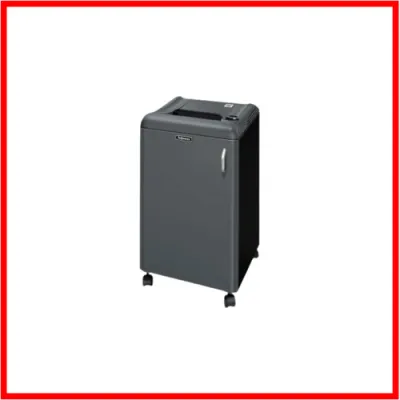
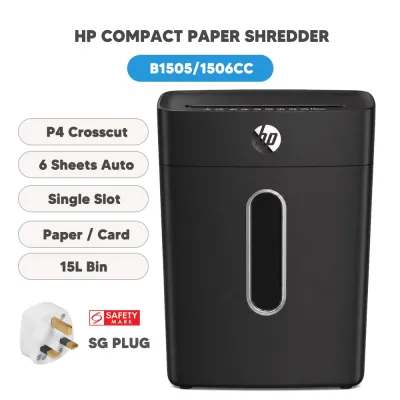
![[SG] Original Aurora AS800CD Plastic Paper Shredder Machine 8 sheet Cross cut (Able to Shred CDs) [Evergreen Stationery]](https://img.lazcdn.com/g/p/0cd07fe2a1ba74eeb42f61baa8c305df.jpg_400x400q80.jpg_.webp)
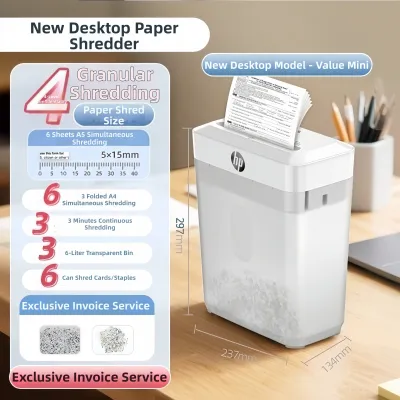
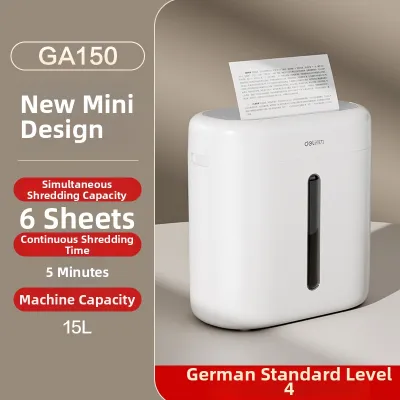
![[SG] A4 Multi-Functional Electric Paper Shredder with Built-in Basket](https://img.lazcdn.com/g/p/e13a5b4a0cd7800074c9a408a1f0b8e7.jpg_400x400q80.jpg_.webp)
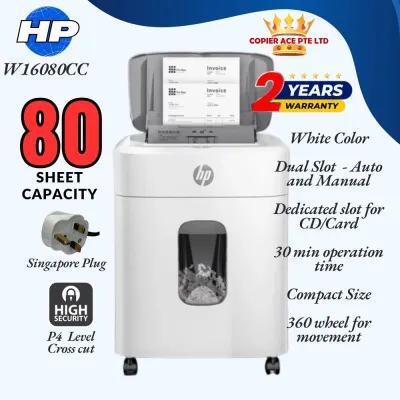
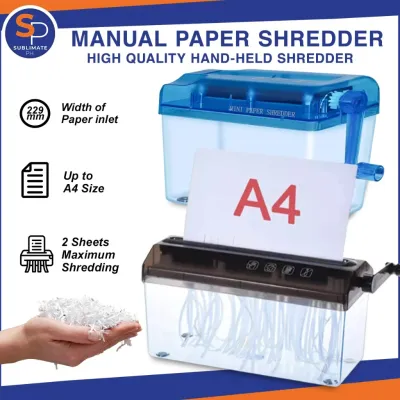
Prices are valid at publication and may change. Please refer to the product page for the latest price.
In contrast, a cross-cut shredder utilizes two interlocking shafts of blades that cut the paper both horizontally and vertically. This dual-action cutting mechanism transforms a single sheet of paper into hundreds of tiny, diagonal particles. Because the pieces are so small, reconstructing the original document becomes an incredibly difficult and time-consuming task, offering robust protection against identity theft and corporate espionage. For businesses that must comply with strict data protection regulations, such as the Personal Data Protection Act (PDPA) in Singapore, the cross-cut pattern is often the minimum acceptable standard for document destruction.
To verify the exact level of protection a specific machine offers, you should look for the internationally recognized DIN 66399 security standard, which is typically printed on the product packaging or detailed in the user manual. This standard categorizes shredders from P-1 (lowest security) to P-7 (highest security). Strip-cut shredders generally fall into the P-1 to P-2 categories, which are suitable only for general, non-sensitive documents like junk mail or rough drafts. Cross-cut shredders usually achieve P-3 or P-4 ratings, which are highly recommended for personal financial statements, HR records, and proprietary business information.
Speed and Bin Capacity: Managing Your Daily Paper Volume
When evaluating shredders for daily use, processing speed and bin capacity are critical factors that directly impact your productivity. Strip-cut shredders are known for their rapid feed rates. Because the motor only needs to drive blades cutting in a single direction, the machine experiences less mechanical resistance. This allows strip-cut models to process paper quickly and often handle thicker stacks of paper in a single pass. If your primary goal is to clear out large archives of non-sensitive files as quickly as possible, a strip-cut machine can save you significant time.

However, the trade-off for this speed becomes apparent once the shredded paper lands in the waste bin. Long, continuous paper strips do not settle flat; instead, they curl and entangle, creating a highly voluminous, low-density pile. This lack of compaction means the shredder’s bin will fill up incredibly fast, requiring you to empty it frequently. In a busy office environment, the time saved during the shredding process can easily be lost to constant trips to the recycling bin, making strip-cut models less efficient for continuous, high-volume tasks.
Cross-cut shredders, while slightly slower in terms of raw feed speed, offer superior bin efficiency. The tiny confetti-like particles fall flat and compact naturally under their own weight, allowing the bin to hold up to several times more shredded sheets than a strip-cut bin of the same physical volume. This high compaction rate means you can shred continuously for longer periods without interruption. To avoid operational frustration, you should carefully match the machine’s stated sheet-per-pass capacity and physical bin volume to your actual daily shredding habits, keeping in mind that overloading any shredder will lead to performance degradation.
Maintenance and Jamming: Keeping the Machine Running Smoothly
The mechanical complexity of a shredder’s cutting head plays a major role in its long-term reliability and maintenance requirements. Cross-cut shredders feature a complex array of interlocking teeth that must remain perfectly aligned to cut paper cleanly in two directions. This intricate design generates significant friction and heat during operation. To prevent premature wear and maintain optimal performance, cross-cut blades require regular lubrication with specialized shredder oil. Neglecting this maintenance task can lead to increased motor strain, slower operating speeds, and a higher frequency of paper jams.
Furthermore, cross-cut mechanisms are more sensitive to overloading and the introduction of unsuitable materials. If you attempt to feed too many sheets at once, or if the paper is damp due to high ambient humidity—a common issue in Singapore’s tropical climate—the blades can easily become jammed. Clearing a jam in a cross-cut shredder can be challenging because the paper fibers can become tightly packed between the complex teeth. Users must often rely on manual clearing techniques or specific reverse functions to dislodge the stuck material safely.
Strip-cut shredders, by comparison, are mechanically simpler and far more forgiving. With fewer cutting edges and a straight-through paper path, they experience less friction and generally do not require oiling as frequently as their cross-cut counterparts. They are highly resistant to jamming, and when a jam does occur, it is usually simple to resolve by running the motor in reverse. However, the simplicity of the mechanism does not exempt you from basic care. To preserve your warranty and ensure the longevity of either machine type, always adhere strictly to the manufacturer’s guidelines regarding maximum sheet capacity, recommended run times, and cool-down periods.
Final Decision: Choose Cross-Cut or Strip-Cut?
Making the final choice between these two shredder types comes down to identifying your primary operational priorities and the nature of the documents you handle daily.
Choose Cross-Cut if:
- You regularly handle sensitive documents containing personal data, financial records, or confidential business information.
- You want to maximize identity theft protection and ensure compliance with local data privacy standards.
- You prefer a highly efficient waste bin that requires less frequent emptying and compacts waste naturally.
Choose Strip-Cut if:
- You primarily destroy non-sensitive documents, such as general office drafts, shipping labels, or junk mail.
- You prioritize fast processing speeds and the ability to shred thicker stacks of paper in a single pass.
- You want a low-maintenance machine with a simpler mechanical design that is highly resistant to paper jams.
Verify First if:
- You need to shred non-paper items such as staples, paperclips, credit cards, or CDs. Not all shredders are built to handle these materials, and feeding them into an incompatible machine can permanently damage the cutting blades. Always consult the specific model's user manual and safety warnings before attempting to shred anything other than standard paper.
Frequently Asked Questions (FAQ)
Can I upgrade a strip-cut shredder to cross-cut later?
No, it is not possible to upgrade a strip-cut shredder to a cross-cut model. The cutting cylinders, motor alignment, and internal gear ratios are permanently engineered into the machine’s chassis during manufacturing. Because these components are integrated, they cannot be swapped out or modified. If your security requirements change and you need a finer cut pattern, you will need to purchase a completely new cross-cut unit.
Do cross-cut shredders use more electricity?
While cross-cut shredders do require a slightly more powerful motor to drive the dual-action cutting blades through paper, the difference in overall electricity consumption is negligible for typical home or office use. The motor only draws power during active shredding cycles, which usually last for just a few minutes at a time. To manage energy consumption effectively, look for modern shredders equipped with energy-saving features, such as automatic standby or auto-sleep modes that cut power when the machine is idle.
Community discussion
Share your experience or ask a question. Comments are reviewed before publication.