
Selecting the right paper shredder machine depends on finding the precise intersection between your privacy risks, operational habits, and budget. If you are handling highly confidential financial statements, a basic shredder may leave your personal data vulnerable to reconstruction. Conversely, buying an industrial-grade machine for simple junk mail destruction leads to unnecessary maintenance and higher upfront costs.
Understanding the mechanical differences between strip-cut, cross-cut, and micro-cut models allows you to make an informed decision. Each cutting style offers a distinct level of security, measured by how small the resulting paper particles are. By evaluating your daily document volume and the sensitivity of your waste, you can select a machine that protects your household or business without overcomplicating your workflow.
Quick Guide: Matching Paper Shredder Machine Cut Types to Security Needs
To quickly identify the best paper shredder machine for your specific environment, consider how the three primary cut types align with different levels of information security and daily workloads.
Products mentioned in this guide
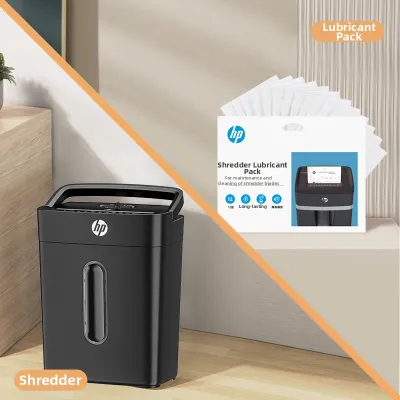
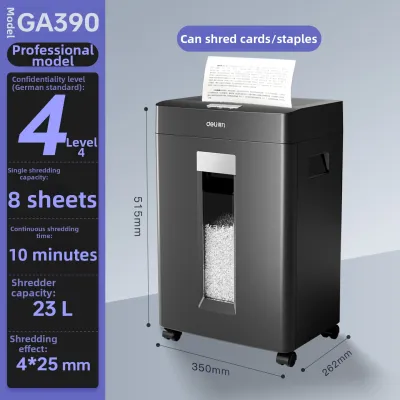
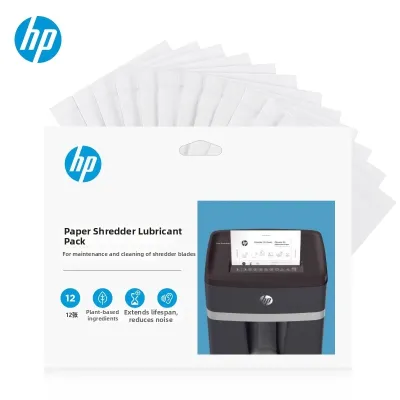
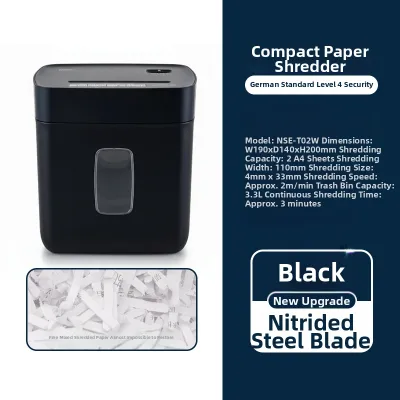

Prices are valid at publication and may change. Please refer to the product page for the latest price.
- Strip-Cut Shredders: Best for basic, non-sensitive bulk paper reduction. If your primary goal is simply reducing the physical volume of old newspapers, packing materials, or generic office drafts before recycling, a strip-cut model offers rapid processing speeds at an affordable entry price.
- Cross-Cut Shredders: Best for standard home and small office privacy. This is the most popular choice for destroying everyday household documents, including standard mail, utility bills, and basic receipts. It balances reliable data protection with moderate pricing and straightforward maintenance.
- Micro-Cut Shredders: Best for highly confidential documents. If you regularly handle sensitive files containing financial records, medical histories, tax documents, or proprietary business data, a micro-cut machine is essential. It provides the highest tier of security by reducing paper to tiny, unreadable particles.
How Strip, Cross, and Micro-Cut Shredders Work
The fundamental difference between shredder types lies in their internal blade configurations and the resulting shape of the shredded waste. These mechanical variations directly dictate how difficult it would be for an unauthorized person to reconstruct your documents.

Strip-Cut Mechanics
Strip-cut shredders utilize a single set of rotating, interlocking blades that slice paper along a single vertical axis. This action produces long, continuous vertical strips that span the entire length of the original page. Because the cutting mechanism only slices the paper in one direction, the machine experiences minimal mechanical resistance. This allows strip-cut models to process multiple sheets of paper quickly and run continuously for longer periods without overheating. However, because the strips remain intact vertically, a determined individual can manually reassemble the pages with relatively little effort, offering only basic low-level security.
Cross-Cut Mechanics
Cross-cut shredders employ a dual-blade mechanism that cuts paper from two directions simultaneously. As paper passes through the feed slot, the blades slice the sheet both vertically and horizontally. This two-dimensional cutting action transforms a single sheet of paper into hundreds of short, rectangular or diamond-shaped pieces. By breaking up both the vertical and horizontal flow of text, cross-cut machines make manual reconstruction incredibly tedious and time-consuming. This performance makes cross-cut models the standard middle-ground choice for households and offices seeking dependable, everyday privacy.
Micro-Cut Mechanics
Micro-cut shredders represent the highest tier of document destruction, utilizing multiple precision-engineered blades to perform highly intensive cutting. These machines slice paper diagonally and horizontally into thousands of tiny, confetti-like particles. A single standard page processed by a micro-cut machine is typically reduced to microscopic pieces that are virtually impossible to piece back together, even with advanced digital reconstruction software. Because of the intricate blade design, these machines require robust motors to drive the cutting process, making them highly secure but also more mechanically complex.
Diagnose Your Needs: What Documents Are You Destroying?
Before purchasing a paper shredder machine, analyze the specific nature of your paper waste and the physical environment where the machine will operate.
Evaluating Document Sensitivity
The primary driver behind your choice should be the level of sensitive information printed on your daily paperwork. If your waste consists primarily of generic junk mail, catalog mailers, and printed design drafts, a strip-cut or basic cross-cut shredder will suffice. These items contain minimal personal data and require only basic destruction to keep your recycling bins tidy.
However, documents containing personal identifiers demand a much higher level of security. In Singapore, items such as bank statements, CPF statements, tax assessments, medical records, and client contracts contain highly sensitive details like NRIC numbers, home addresses, and financial account numbers. For these documents, a cross-cut or micro-cut machine is non-negotiable. Using a high-security cut ensures that identity thieves cannot harvest your personal or corporate data from external waste bins.
Assessing Volume and Workspace Constraints
Your weekly shredding volume and physical workspace also dictate the ideal machine specifications. If you only shred a few utility bills once a week, a light-duty personal shredder with a short run-time is perfectly adequate. However, if you run a home office or manage a shared workplace with constant paper disposal needs, you will require a continuous-duty machine designed to run for extended periods without needing a cool-down cycle.
Physical footprint and bin capacity are closely tied to the cut type you select. Strip-cut waste is bulky and creates large air pockets in the collection bin, meaning you will have to empty the bin frequently even if you only shred a small volume of paper. Cross-cut particles pack more tightly, but micro-cut particles compress most densely of all. A micro-cut shredder allows you to fit significantly more shredded paper into the same bin volume, reducing the frequency of maintenance trips to your building’s waste disposal area.
Weighing the Trade-Offs: Speed, Maintenance, and Budget
Selecting a paper shredder machine involves balancing your security needs against practical daily usability, long-term maintenance, and your financial budget.
Speed, Noise, and Daily Disruption
Processing speeds vary significantly across the three cutting styles. Strip-cut machines are the fastest because their blades only slice paper in one direction, allowing them to pull sheets through the intake slot rapidly. Cross-cut machines operate at a moderate pace, while micro-cut shredders are generally the slowest. Because micro-cut blades must perform thousands of precise cuts per page, the motor must work harder, resulting in a slower feed rate.
Acoustic comfort is another important consideration, especially in quiet home offices or shared corporate workspaces. The intensive cutting action of cross-cut and micro-cut machines generates more mechanical resistance, which often translates to louder operation or a higher-pitched motor hum. If noise is a major concern, look for models specifically designed with insulated housing or quiet-motor technology, and compare decibel ratings if provided by the manufacturer.
Jamming Risks and Upkeep
The finer the cut, the more paper dust the machine generates. Micro-cut shredders produce a significant amount of fine paper dust during operation. Over time, this dust can accumulate on the internal optical sensors that detect when paper is inserted, causing the machine to run continuously or fail to start. Regular cleaning and vacuuming of the feed slot are necessary to prevent these sensor blockages.
Additionally, finer-cut machines are highly sensitive to overfeeding. While a strip-cut machine might easily chew through a stack of papers slightly exceeding its rated capacity, a micro-cut machine is much more likely to jam when overloaded. To prevent motor strain and physical jams, users must strictly adhere to the manufacturer’s stated sheet capacity, which typically ranges from 5 to 20 sheets depending on the model’s power.
Upfront Cost vs. Long-Term Value
The pricing hierarchy of paper shredder machines directly reflects their mechanical complexity.
- Entry-Level (Strip-Cut): Generally the most affordable option, often priced under S$50. These are highly economical but offer minimal security.
- Mid-Range (Cross-Cut): Typically ranges from S$80 to S$250. This represents the sweet spot for most consumers, offering a strong balance of security and affordability.
- Premium (Micro-Cut): Highly secure models that often cost between S$300 and S$600 or more, depending on sheet capacity and continuous run-times.
When calculating the total cost of ownership, look beyond the upfront purchase price. Factor in the ongoing cost of maintenance supplies, such as manufacturer-approved shredder oil or lubricant sheets. You should also consider the availability and cost of replacement bins or proprietary shredder bags designed to fit your specific model’s dimensions.
Essential Maintenance and Safety Tips for Daily Use
To protect your investment, prevent mechanical damage, and ensure personal safety, implement a consistent maintenance and safety routine.
Before feeding any materials into your paper shredder machine, always verify the manufacturer’s instructions regarding non-paper items. While many modern office shredders can handle standard staples and small paper clips, feeding heavy-duty clips, thick cardboard, or plastic laminates can dull or chip the cutting blades.
Regular cleaning is vital to prevent mechanical stress. Empty the waste bin before it reaches maximum capacity; allowing shredded paper to back up into the cutting head can cause severe jams and damage the gear assembly. In Singapore’s humid climate, paper dust can clump more easily when combined with moisture, making frequent bin emptying and dust removal even more critical to prevent internal clumping.
To keep the blades running smoothly and reduce friction, lubricate the cutting head regularly. Use only manufacturer-approved shredder oil or specialized lubricant sheets. Avoid using standard household oils, aerosol lubricants, or WD-40, as these can create a serious fire hazard or cause the paper-feeding rollers to slip.
Always prioritize physical safety when operating or maintaining your shredder:
- Unplug the Machine: Always disconnect the power cord before emptying the bin, clearing a paper jam, or performing any cleaning.
- Clear the Intake: Keep loose clothing, long hair, ties, and jewelry far away from the feed slot.
- Supervise Use: Never leave an active shredder unattended, especially in households with young children or pets.
Frequently Asked Questions (FAQ)
Can micro-cut shredders handle credit cards and CDs?
Many modern micro-cut shredders feature dedicated slots designed specifically to process rigid media like expired credit cards, membership cards, and CDs or DVDs. However, you must always verify your specific machine’s user manual before attempting to shred plastic. Forcing thick plastics through standard paper blades can chip the precision cutting teeth, dull the blades, or burn out the motor. If your machine does not explicitly state compatibility with plastic media, use alternative disposal methods.
Is a strip-cut shredder ever secure enough for personal use?
A strip-cut shredder is only secure enough if you are using it strictly for non-sensitive bulk paper reduction, such as shredding old newspapers for pet bedding or packaging material. If your documents contain any personal data whatsoever—such as your name, address, phone number, or email—a strip-cut machine is not secure enough. Because the vertical strips can be easily reassembled by hand or with simple software, you should always opt for at least a cross-cut machine to protect your personal identity.
Do I need to oil my paper shredder machine?
Yes, regular lubrication is highly recommended for cross-cut and micro-cut shredders to maintain performance and extend their lifespan. Because these machines perform complex multi-directional cuts, paper dust and friction build up quickly on the blades. Oiling the machine reduces friction, keeps the motor running quietly, and prevents paper jams. Always refer to your product manual for the recommended oiling frequency and only use lubricants specifically approved by the manufacturer to avoid voiding your warranty.
Community discussion
Share your experience or ask a question. Comments are reviewed before publication.