
Selecting the right wrapping film is essential for protecting goods, securing shipments, and maintaining hygiene. The choice between stretch wrap, shrink wrap, and cling film depends entirely on your packaging task, the weight of the items, and the equipment available. Using the wrong film can lead to collapsed pallet loads, damaged retail displays, or spoiled food items.
Stretch wrap relies on tension and elasticity to secure heavy loads and pallets for transit. Shrink wrap uses heat to contract tightly around products, providing a form-fitting, tamper-evident seal that is ideal for retail presentation and multi-packs. Cling film utilizes static adhesion for light-duty, temporary, or food-safe wrapping without requiring heat or high tension. By matching the physical properties of these films to your operational requirements, you can optimize your packaging workflow and ensure your items arrive safely.
Understanding the Core Mechanisms of Wrapping Films
To choose the correct wrapping film, you must understand how each material achieves its holding power. These films are engineered from different polymer families, and their physical properties are activated through distinct mechanical or thermal processes.
Products mentioned in this guide
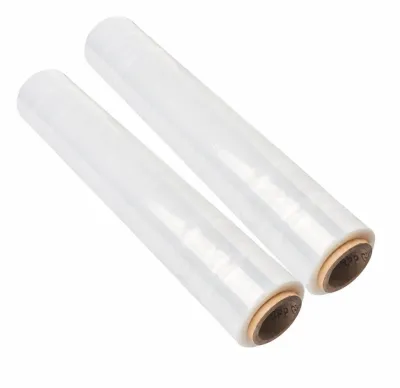
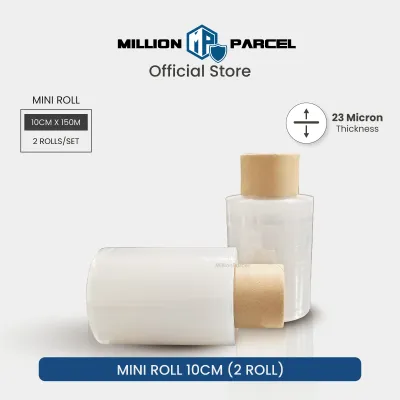
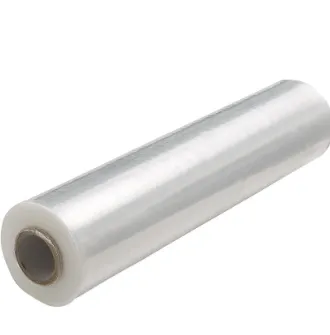
![[Min Purchase 2] Stretch Film Roll (1.7kg/2.25kg/2.9kg)](https://img.lazcdn.com/g/p/e15d654393b1fff820cb5c811ccccfd6.png_400x400q80.png_.webp)
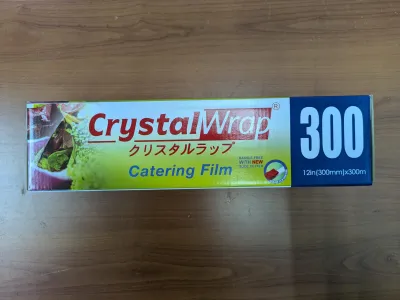
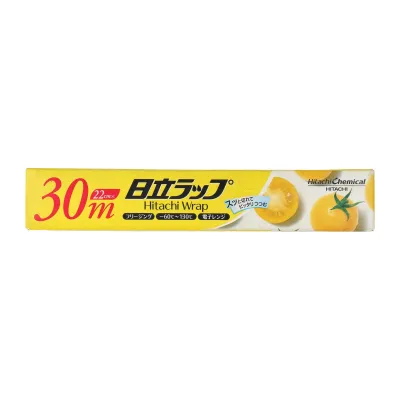
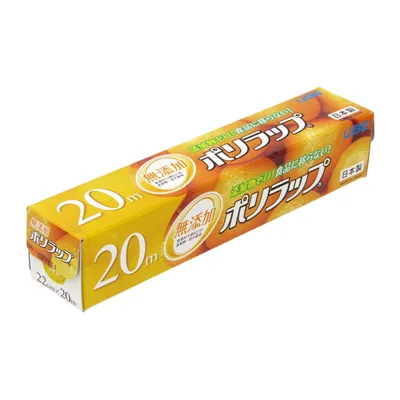
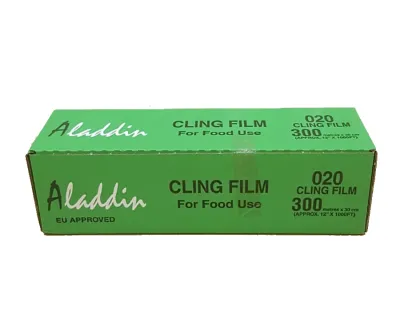
Prices are valid at publication and may change. Please refer to the product page for the latest price.
Stretch wrap is typically manufactured from linear low-density polyethylene (LLDPE). This highly elastic material is stretched significantly beyond its original length during application. The elastic recovery of the film creates a continuous compressive force around the wrapped items, securing them tightly to one another and to the shipping pallet.
Shrink wrap, often made from polyolefin, polyvinyl chloride (PVC), or polyethylene, behaves differently. When exposed to a heat source, the polymer chains within the film contract. This heat-activated contraction causes the film to shrink tightly around the contours of the product, creating a rigid, protective barrier that conforms to irregular shapes.
Cling film, commonly used in food service and light-duty office environments, is formulated from low-density polyethylene (LDPE) or plasticized PVC. It relies on static electricity or added tackifiers to adhere to itself and smooth surfaces. This static-based adhesion requires no external heat or high tension, making it suitable for delicate items that cannot withstand compression.
These activation methods dictate the workflow and equipment needed. Stretch wrapping requires physical tension, either applied manually or via a turntable machine. Shrink wrapping demands a reliable heat source, such as a handheld heat gun or an industrial shrink tunnel, along with proper ventilation. Cling film requires only a manual dispenser with a cutting blade, making it the most accessible but least structurally robust option.
Stretch Wrap: Securing Pallets and Heavy Shipments
Stretch wrap is the standard choice for logistics, warehousing, and heavy-duty stabilization. Its primary function is load containment, which prevents individual boxes or items on a pallet from shifting, sliding, or falling during transport.

When securing irregular or sharp-edged loads, puncture resistance and tension retention are critical factors. Sharp corners on wooden pallets or metal components can easily puncture thin films, causing the entire wrap to unzip and lose its holding force. To prevent this, you must select a film thickness that matches the weight and profile of your load, verifying the manufacturer’s specifications for tear propagation and puncture resistance.
The application method depends largely on your shipping volume and ergonomic requirements. Manual application, using hand wrap rolls with lightweight dispensers, is suitable for low-volume operations wrapping only a few pallets per day. However, manual wrapping requires proper physical technique to ensure consistent tension and avoid operator fatigue.
For high-volume shipping departments, machine-applied stretch wrap is more efficient. Turntable or rotary arm stretch wrapping machines apply consistent, pre-stretched tension that maximizes material efficiency and ensures uniform load containment. When purchasing stretch wrap, always verify whether the roll is designed for hand application or machine use, as machine rolls are significantly heavier and have different core configurations.
Shrink Wrap: Retail Display and Tamper-Evident Protection
Shrink wrap is designed for applications where presentation, cleanliness, and security are paramount. It is widely used in retail packaging, software bundling, cosmetics, and food manufacturing to create a professional, glossy finish.
The defining characteristic of shrink wrap is its heat-activated contraction. When heat is applied, the film shrinks uniformly, pulling tight against the product to create a sleek, form-fitting skin. This process requires compatible heating equipment; while a handheld heat gun is sufficient for low-volume packaging, high-speed production lines utilize automated shrink tunnels to ensure consistent heat exposure and sealing.
Beyond aesthetics, shrink wrap provides excellent tamper-evidence. Once the film is shrunk around a product, it cannot be opened or altered without visibly tearing the plastic, giving consumers confidence in the product’s integrity. It also offers a barrier against dust, moisture, and light environmental exposure, making it useful for unitizing multiple items, such as beverage cans or book sets, into a single retail unit.
When implementing a shrink-wrap system, you must verify the specific heat tolerance of both your product and the film. Applying excessive heat can melt the film, damage the product’s primary packaging, or release unpleasant fumes. It is essential to review the manufacturer’s guidelines for optimal sealing temperatures and ensure your workspace has adequate ventilation, especially when working with PVC-based shrink films.
Cling Film: Light-Duty, Food-Safe, and Everyday Wrapping
Cling film is a highly versatile material designed for lightweight, temporary, or food-contact packaging applications. It is commonly found in office pantries, commercial kitchens, and light assembly areas where items need quick, short-term protection.
The primary advantage of cling film is its self-adhering property. It clings readily to glass, ceramic, metal, and itself without requiring heat, high tension, or external adhesives. This makes it exceptionally easy to apply by hand, allowing users to quickly cover open containers, wrap individual food portions, or protect delicate components from dust during temporary storage.
For any application involving food or consumables, verifying food-grade compliance is absolutely critical. You must check the product packaging for official food safety certifications and compliance labels, ensuring the material is free from harmful plasticizers and approved for direct contact with the specific food types you are wrapping. Some cling films are optimized for cold storage, while others are rated for microwave use; always verify these temperature limits on the manufacturer’s label.
Despite its convenience, cling film has severe structural limitations. It possesses minimal load-bearing capacity and low puncture resistance, making it entirely unsuitable for securing heavy shipments, bundling rigid items, or protecting goods from physical impact. Attempting to use cling film for pallet stabilization or heavy shipping will result in packaging failure and potential damage to your inventory.
Decision Framework: Matching Film to Your Packaging Task
Selecting the correct wrapping film requires a systematic evaluation of your packaging goals, load characteristics, and operational setup. Using the wrong material can lead to damaged goods, wasted resources, or safety hazards in your warehouse or retail space.
Apply this conditional logic to guide your selection:
- Choose stretch wrap if you need to secure heavy pallets, stabilize irregular shipping loads, or bundle industrial goods for transit.
- Choose shrink wrap if you require a professional retail presentation, tamper-evident seals, or a tight, weather-resistant barrier for individual products or multi-packs.
- Choose cling film if you need light-duty, temporary protection, or food-safe coverage for containers and individual portions in a kitchen or office environment.
The following comparison matrix summarizes the key decision dimensions for each film type:
| Decision Dimension | Stretch Wrap | Shrink Wrap | Cling Film |
|---|---|---|---|
| Activation Method | Mechanical tension and elasticity | Heat-activated thermal contraction | Static electricity and surface tack |
| Primary Use Case | Pallet stabilization and logistics | Retail display and tamper-evidence | Food preservation and light-duty cover |
| Load-Bearing Capacity | High (designed for heavy pallets) | Moderate (secures light bundles) | Very Low (non-structural) |
| Equipment Required | Hand dispenser or stretch wrapping machine | Heat gun or shrink tunnel with sealer | Manual dispenser with integrated cutter |
| Reusability | Single-use | Single-use | Single-use |
There are scenarios where none of these standard wrapping films are suitable. For example, if you need to secure extremely heavy, rigid loads like concrete blocks, heavy-duty polypropylene or steel strapping is required instead of stretch wrap. If you need to protect sensitive electronics from electrostatic discharge, standard wrapping films should be avoided in favor of specialized anti-static packaging materials.
Verifying Specifications and Purchasing Checks
Before purchasing wrapping film for your business or home office, you must perform several technical checks to ensure compatibility with your existing equipment and packaging processes.
First, verify the film thickness, which is typically measured in gauge or microns. Thinner films (lower gauge) are highly economical and suitable for lightweight, uniform loads, while thicker films (higher gauge) offer the puncture resistance and holding force required for heavy, sharp, or irregular shipments. Ensure that the film thickness you select matches the capabilities of your dispensers or wrapping machines, as some automated equipment cannot handle very thin or very thick films without tearing or slipping.
Second, check the core diameter of the film roll. Hand dispensers and automated wrapping machines have specific spindle sizes, commonly 50 mm or 76 mm. Purchasing a roll with an incompatible core diameter will prevent it from fitting onto your dispensing equipment, halting your packaging operations.
Third, when purchasing shrink film, verify the manufacturer’s specified temperature limits and shrink ratios. This ensures your heat gun or shrink tunnel can reach the required temperature to activate the film without melting it or causing incomplete shrinkage.
Finally, always review the manufacturer’s label for safety warnings, food-contact approvals, and recycling instructions. In warm and humid climates, follow storage recommendations to prevent the rolls from blocking—a condition where the layers of film fuse together on the roll, rendering it unusable.
Frequently Asked Questions (FAQ)
Can I use stretch wrap instead of shrink wrap for retail products?
No, stretch wrap is generally not suitable for retail product presentation. Stretch wrap relies on mechanical tension to hold items together, which does not create the smooth, form-fitting, and glossy appearance that shrink wrap provides. Additionally, stretch wrap does not offer the same level of tamper-evidence or rigid protection for individual items, and it can leave a sticky residue or cling too tightly to delicate retail packaging, potentially damaging the product’s appearance. It should only be used for temporary dust protection or internal warehouse transfers where aesthetics are not a priority.
How should I store wrapping film to maintain its effectiveness?
To maintain the quality and performance of your wrapping film, store the rolls in a cool, dry environment away from direct sunlight and extreme temperatures. High heat and humidity can cause the film layers to fuse together on the roll, a problem known as blocking, which makes the film difficult or impossible to unwind. Exposure to ultraviolet (UV) light can also degrade the polymers, reducing the film’s elasticity, tensile strength, and cling properties. Always keep the rolls in their original packaging or protective boxes until they are ready for use, and follow any specific storage guidelines provided by the manufacturer.
Community discussion
Share your experience or ask a question. Comments are reviewed before publication.