
Selecting the right plastic wrap packaging is the most critical decision you can make to ensure your items survive the journey from your hands to their final destination. Each type of protective wrap is engineered for a distinct mechanical purpose, meaning a material that excels at securing a heavy bundle might fail miserably at protecting a delicate glass surface from impact. Choosing incorrectly can lead to scratched finishes, shattered components, or loose items shifting and breaking inside the transit box.
To make an informed choice, you must evaluate the specific vulnerabilities of your items—whether they are prone to scratching, impact damage, or structural shifting. By matching the physical properties of stretch wrap, bubble wrap, and foam wrap to your shipping scenarios, you can optimize your packaging strategy, minimize returns, and reduce material waste. This guide breaks down the core differences, practical applications, and decision frameworks to help you select the ideal protective plastic packaging for any item.
Understanding the Core Differences in Plastic Wrap Packaging
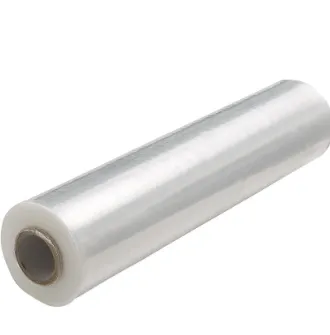
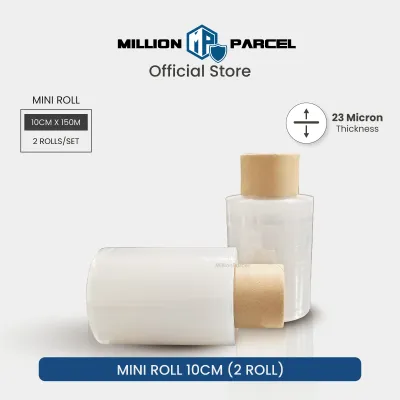
To choose the right plastic wrap packaging, it is essential to understand how each material behaves under physical stress. Stretch wrap is a highly elastic, thin plastic film typically made from linear low-density polyethylene. It does not provide cushioning against impacts; instead, it relies on its elastic recovery properties. When pulled tightly around items, the film attempts to return to its original size, creating a constant compressive force that binds items together, stabilizes loads, and prevents movement.
Products mentioned in this guide
![[SG Stock] Stretch Film | Heavy Duty Shrink Wrap Packaging | Pallet Wrap | Cling Wrap | Furniture Wrap | 2.5/3kg](https://img.lazcdn.com/g/p/7c4636ed40f09d680825c6d01a74b8f8.png_400x400q80.png_.webp)
![🏅[CHEAPEST] Stretch Film/ Shrink Wrap / Cling Wrap /Pallet wrapping /Moving Supplies/pallet Wrap/Pallet wrapping](https://img.lazcdn.com/g/p/c69357eb04f4e35ac9ee2d124f108fda.jpg_400x400q80.jpg_.webp)
![91m/20m/10m BubbLest™ [FREE PENKNIFE] Bubble Packaging Material Direct Singapore Manufacturer | Clingwrap | Plasticwrap | Cling Wrap | Plastic Wrap | Bubble Roll |](https://img.lazcdn.com/g/p/118908581c7285d2410f3d4422311ca0.png_400x400q80.png_.webp)
Prices are valid at publication and may change. Please refer to the product page for the latest price.
Bubble wrap, by contrast, is designed specifically for shock absorption. It consists of two or more layers of plastic film trapping regularly spaced air pockets. These air-filled hemispheres act as miniature cushions. When an external force or impact hits the package, the air inside the bubbles compresses, absorbing and distributing the kinetic energy away from the enclosed item. This makes bubble wrap the primary defense against drops, tosses, and rough handling during transit.
Foam wrap is manufactured from expanded polyethylene, creating a soft, lightweight material filled with thousands of tiny, closed air cells. Unlike bubble wrap, which concentrates its protection on raised air pockets, foam wrap provides a continuous, uniform layer of low-density cushioning. Its primary mechanical function is to prevent surface abrasions, scratches, and minor impacts while offering a non-abrasive barrier that is gentle on delicate finishes.
Matching Packaging Materials to Specific Item Types
Fragile and breakable items, such as glassware, porcelain, and ceramics, require robust protection against sudden impacts. When comparing bubble wrap to foam wrap for these items, bubble wrap is generally the superior choice due to the volume of air it provides. The larger air pockets in bubble wrap can absorb much higher impact forces than thin foam. However, for flat ceramic plates or shallow bowls, placing sheets of high-density foam wrap between individual pieces prevents them from clattering against each other, while bubble wrap should be used to encase the entire stack.

Scratch-sensitive surfaces demand a material that will not cause micro-abrasions under vibration. Polished wood furniture, glossy electronics, acrylic sheets, and painted metal are highly vulnerable to surface damage. Foam wrap is the ideal choice here because its smooth, lint-free texture does not cling or rub aggressively against delicate finishes. Bubble wrap, if applied with the bubbles facing inward, can sometimes leave circular plasticizer marks or impressions on highly polished surfaces, especially if the package is subjected to heat or pressure during transit.
Heavy, irregular, or bundled items require structural containment rather than surface cushioning. If you are shipping metal parts, bundles of plastic tubing, or securing drawers on a wooden cabinet, stretch wrap is the correct tool. It conforms tightly to irregular shapes, binds loose components into a single rigid unit, and prevents moving parts from sliding open. It acts as a protective skin that keeps the items clean and unified without adding unnecessary bulk.
Evaluating Protection Levels for Different Shipping Scenarios
During transit, packages are subjected to continuous vibration from road surfaces, sorting conveyor belts, and aircraft engines. This constant movement can cause items to rub against each other or the walls of the shipping box. Bubble wrap is highly effective at dampening these high-frequency vibrations. However, you must ensure the bubble density and thickness match the item’s weight; heavy items can easily pop or fully compress small bubbles, rendering them useless. For heavier goods, thicker foam or larger-diameter bubbles are required to prevent the material from bottoming out.
Environmental factors like dust, dirt, and moisture can ruin sensitive goods long before they experience physical impact. Stretch wrap excels at creating an environmental barrier. When wrapped tightly with multiple overlapping layers, it clings to itself to form a semi-sealed, water-resistant envelope. This is particularly useful for protecting fabric items, paper documents, or cardboard boxes from light rain during delivery. Bubble wrap and foam wrap are porous at the seams and require extensive taping to achieve a similar level of environmental sealing.
Transit distance also dictates your packaging strategy. For local, same-day courier deliveries where handling is minimal, a single layer of bubble wrap or a quick foam sleeve is often sufficient. For long-distance or international shipping, where packages endure multiple sorting hubs and temperature fluctuations, a combination strategy is best. Wrapping an item first in foam wrap to protect its surface, followed by bubble wrap for drop protection, and finally securing the outer box or bundle with stretch wrap ensures maximum survivability.
Practical Application and Wrapping Techniques
To get the most out of stretch wrap, you must master tension control. When wrapping a bundle or securing items to a pallet, pull the film firmly so it stretches by roughly 30% to 50% of its relaxed state. This tension activates the film’s elastic memory, ensuring a tight, secure hold. Always overlap each pass by at least 50% to build structural strength. Be cautious when wrapping fragile or thin-walled items, as excessive tension can warp, bend, or crush delicate edges.
When applying bubble wrap, the golden rule is to keep the bubbles facing inward, toward the item. This orientation allows the individual air pockets to cradle the object and conform to its unique shape, while the smooth outer plastic backing resists punctures and provides a clean surface for packaging tape. Once wrapped, secure all seams with high-quality packaging tape. Avoid wrapping too tightly, as compressing the bubbles beforehand reduces their ability to absorb further impacts during transit.
Foam wrap application requires assessing the vulnerability of the item’s corners and edges. Sharp corners on metal or wooden items can easily slice through thin foam, so you should fold the foam wrap to create double or triple layers over these high-wear areas. Secure the foam wrap with low-tack painter’s tape or light masking tape; using heavy-duty packaging tape directly on the foam can tear the material during unboxing, preventing you or your customer from reusing it.
Cost, Storage, and Handling Considerations
Physical storage space is a major practical consideration when purchasing packaging materials. Bubble wrap is incredibly bulky because you are essentially paying to store and transport air. Large rolls of bubble wrap require significant storage space, which can be a challenge for home businesses or small offices. Foam wrap rolls are slightly more compact but still require notable shelf space. Stretch wrap is highly space-efficient, as hundreds of meters of film are wound tightly onto a dense, compact core that fits easily in a drawer or on a small shelf.
Shipping costs are heavily influenced by package weight and volume. While all three plastic wraps are lightweight, bubble wrap adds significant physical volume to a package. This extra bulk can push your package into a higher dimensional weight (volumetric weight) bracket, resulting in higher courier fees. Foam wrap and stretch wrap add virtually no bulk, allowing you to keep your package dimensions small and your shipping costs predictable.
Reusability and environmental impact are increasingly important to modern consumers. Bubble wrap and foam wrap can easily be reused multiple times if they are unboxed carefully without popping the bubbles or tearing the foam. Stretch wrap, however, must almost always be cut off and discarded after a single use. When disposing of these materials, check local municipal guidelines. Clean and dry polyethylene films—including stretch wrap, bubble wrap, and foam wrap—should not be mixed with standard household paper recycling but can often be dropped off at dedicated soft plastic recycling points at local supermarkets.
Decision Framework: Which Wrap Should You Use?
To simplify your packaging process, use this conditional framework to select the right material for your shipping needs:
- Choose stretch wrap if: Your primary goal is to bundle multiple items together, secure moving parts (like cabinet doors or drawers), protect items from dust and moisture, or stabilize boxes on a pallet.
- Choose bubble wrap if: Your items are fragile, brittle, or heavy (such as glassware, ceramics, or delicate mechanical parts) and require robust shock absorption to survive drops and rough handling.
- Choose foam wrap if: Your items have highly polished, painted, or easily scratched surfaces (such as laptop screens, polished wood, or metal artwork) and require lightweight, low-bulk surface protection.
- Use a combination strategy if: You are shipping high-value, highly sensitive items. Wrap the item in foam wrap first to protect the finish, cover it in bubble wrap to absorb shocks, and use stretch wrap to bundle accessories or seal the outer container.
Frequently Asked Questions (FAQ)
Can I use stretch wrap directly on painted or polished furniture?
No, you should avoid applying stretch wrap directly to painted, varnished, or highly polished wooden furniture for extended periods. Under warm conditions, the plasticizers in the stretch wrap can migrate into the wood finish, leaving cloudy marks or sticky residues that are incredibly difficult to remove. Additionally, stretch wrap can trap residual moisture underneath the film, leading to wood warping or finish damage. Always wrap the furniture in a breathable barrier layer, such as foam wrap or plain packing paper, before applying stretch wrap to secure it.
Does the size of the bubbles in bubble wrap change the protection level?
Yes, bubble size significantly impacts the level of protection and is designed for different item weights. Small bubbles (typically 10mm in diameter) are best for lightweight items, close-fitting protection, and preventing surface scratches on non-polished items. Large bubbles (typically 25mm or larger in diameter) provide a much thicker cushion of air, making them ideal for heavy items, filling empty spaces inside shipping boxes, and absorbing high-energy impacts from drops. Always check the manufacturer’s specifications to ensure the bubble size matches the weight of your item.
Community discussion
Share your experience or ask a question. Comments are reviewed before publication.