
Choosing between a store-bought and a DIY anniversary card depends on your available time, your comfort level with crafting tools, and the emotional tone you want to set. A store-bought card offers unmatched convenience, a polished professional aesthetic, and a quick solution when you are short on time. On the other hand, a DIY card provides deep personalization and immense sentimental value, making it an exceptional choice if you want to showcase shared memories and are willing to invest the time to craft something unique. Ultimately, the best option is the one that allows you to express your appreciation sincerely without causing unnecessary stress before the big day.
Key Factors to Evaluate Before You Decide
Before committing to either path, it is essential to evaluate several practical dimensions to ensure your choice aligns with your current circumstances.
Time Investment
Crafting a handmade card is rarely a quick task. You must account for the time spent sourcing materials from local stationery shops, planning the layout, drafting your message, executing the design, and allowing inks or adhesives to dry. In humid climates, drying times for liquid glues and heavy gel inks can be significantly longer, sometimes requiring several hours to set completely without smudging. Conversely, purchasing a card involves a brief trip to a local boutique or a few minutes browsing an online marketplace, making it the most efficient choice for busy schedules.
Products mentioned in this guide
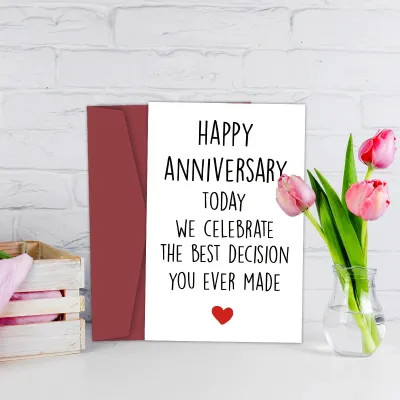
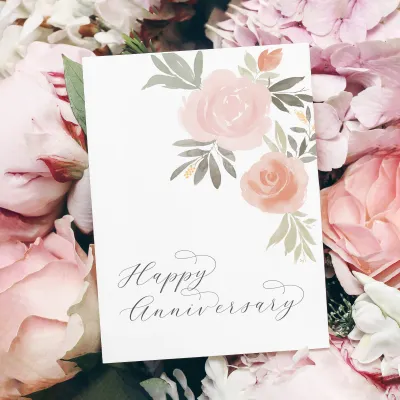
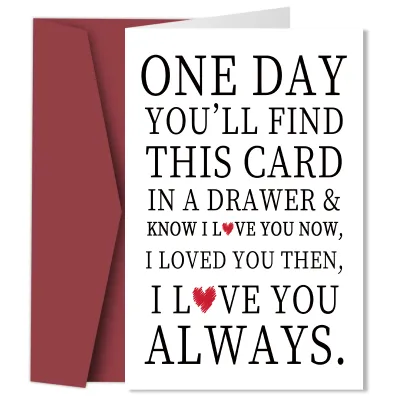
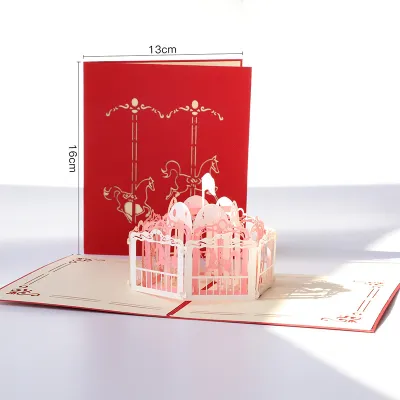
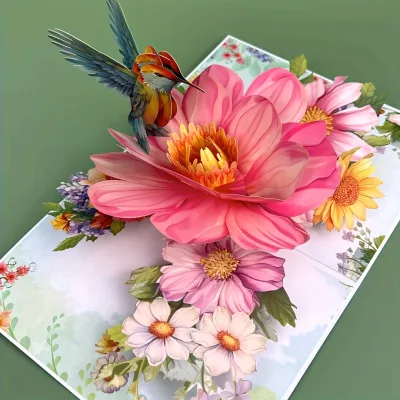
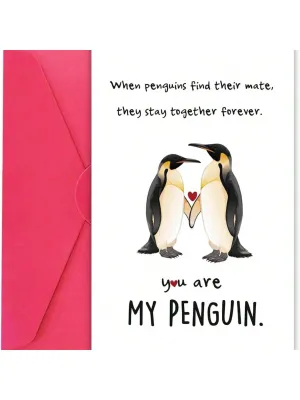
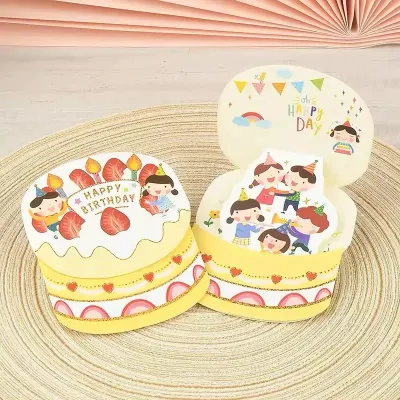
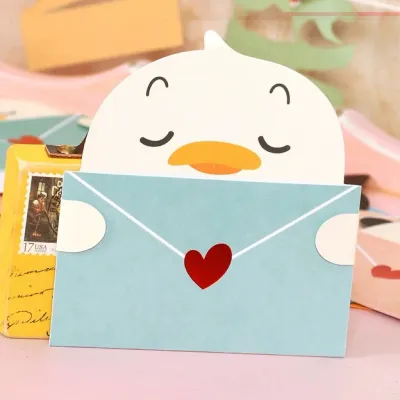
Prices are valid at publication and may change. Please refer to the product page for the latest price.
Crafting Skill and Tools
Assess your familiarity with basic stationery tools before diving into a DIY project. Achieving clean cuts, straight folds, and elegant handwriting requires a steady hand and specific tools like a bone folder, a metal ruler, and a sharp utility knife. The texture of your paper also dictates your tool choice; rough, textured papers can quickly fray delicate felt-tip brush pens, while ultra-smooth coated cardstock may cause gel pens to skip or smear. If you struggle with handwriting or find paper crafts frustrating, the process may become a source of stress rather than a labor of love.
Budget and Material Costs
While DIY is often assumed to be the more economical route, the cumulative cost of high-quality materials can quickly surpass the price of a single store-bought card. A premium, professionally printed card typically costs between S$6 and S$15. In contrast, purchasing individual sheets of heavy cardstock, specialized calligraphy pens, decorative embellishments, and archival-safe adhesives can easily run upward of S$25 if you do not already own them. However, if you plan to make multiple cards over time, these initial tool investments become highly cost-effective.
Emotional Impact and Personalization
A store-bought card relies on professional copywriters and designers to articulate complex feelings, which can be incredibly helpful if you struggle to find the right words. However, these pre-printed messages are inherently generalized to appeal to a broad audience. A DIY card, even one with minor visual imperfections, carries a profound emotional weight because it represents a direct investment of your time and creative energy. The recipient immediately recognizes the effort involved, making the card itself a cherished keepsake.
Scenarios for Choosing a Store-Bought Anniversary Card
There are many situations where a professionally made card is not only the most practical choice but also the most effective way to celebrate.

Ideal Scenarios
Opt for a store-bought card when you are navigating a tight deadline, such as realizing an anniversary is only a day away. It is also highly appropriate for early-stage relationships where an overly elaborate handmade card might feel prematurely intense or overwhelming. Additionally, if you are planning a formal celebration or presenting a high-value gift, a sleek, professionally produced card maintains a consistent level of elegance and presentation.
Design and Quality Checks
When selecting a card in-store or online, pay close attention to the physical specifications to ensure it feels premium. Look for a paper weight of at least 280 to 300 GSM (grams per square meter), which gives the card a substantial, high-quality feel in the hand. Examine the printing quality for sharp lines and vibrant colors, avoiding cards with visible pixelation or offset registration. A premium envelope, preferably with a textured finish or a contrasting inner lining, significantly elevates the overall presentation.
Customization Limits
You do not have to settle for a generic experience just because a card is pre-printed. You can bridge the personalization gap by using the blank interior space to write a highly specific, heartfelt message that references shared inside jokes or future plans. Consider tucking in a printed physical photograph of a special moment, or inserting flat keepsakes like concert tickets or a handwritten voucher for a weekend getaway. This combines professional design with genuine personal sentiment.
Scenarios for Choosing a DIY Anniversary Card
A handmade card delivers the highest value when you want to create a deeply personal, memorable experience that stands out from standard gifts.
Ideal Scenarios
A handmade card is exceptionally well-suited for major milestone anniversaries, such as a fifth, tenth, or twenty-fifth anniversary, where years of shared history provide ample material for personalization. It is also the perfect choice if your partner is someone who keeps a memory box, values sentimental gestures over material gifts, or appreciates creative arts. The time invested in crafting becomes a physical manifestation of your dedication to the relationship.
Material and Tool Verification
Before you begin cutting and gluing, verify that your materials are compatible to avoid frustrating mistakes. Choose a sturdy cardstock base of at least 250 GSM; lighter paper will warp, buckle, or bleed when exposed to ink and glue. Test your pens on a scrap piece of the exact same paper to check for feathering, bleed-through, and drying speed. For adhesives, opt for acid-free double-sided tape or dry adhesive rollers rather than standard liquid school glue, as liquid glues introduce moisture that can warp paper fibers, especially in humid environments. Always handle utility knives and paper cutters on a self-healing cutting mat to ensure safety and precision.
Managing Imperfections
One of the greatest charms of a DIY card is its handmade nature, but noticeable mistakes can still be frustrating. If you make a lettering error, you can neatly cover it by writing the correct text on a separate strip of high-quality paper and pasting it over the mistake as an intentional design layer. If a major spill or tear occurs, know when to step back, take a breath, and pivot to a store-bought backup rather than forcing a rushed, messy repair. Keeping a simple store-bought card on hand as a safety net can alleviate a significant amount of crafting pressure.
Final Decision Framework: Make, Buy, or Combine?
To finalize your path, evaluate your current situation against these three distinct approaches to find the perfect balance of effort and presentation.
Choose Store-Bought if:
- You have less than two hours of preparation time before the anniversary.
- You prefer a flawless, minimalist, or highly modern design aesthetic.
- The relationship is in its early stages, or the tone of the celebration is highly formal.
Choose DIY if:
- You have a free afternoon to dedicate to planning, drafting, and crafting.
- You already own basic stationery supplies or enjoy learning new creative skills.
- Your partner deeply values sentimental keepsakes and personalized gestures.
Consider a Hybrid Approach if:
- You want the clean, structured look of a professional card but want to inject unique personality.
- You buy a high-quality, minimally designed store-bought card and add custom hand-lettered elements inside.
- You use a pre-made card base but construct a simple, personalized pop-up element or photo collage on the inner panels.
Frequently Asked Questions (FAQ)
Is it okay to give a store-bought card for a major milestone anniversary?
Absolutely. The significance of a milestone anniversary card does not come from who cut the paper, but from the depth of the message written inside. A premium store-bought card provides a beautiful, durable canvas for your thoughts. To make it feel worthy of a major milestone, focus your energy on writing a detailed, meaningful letter in the blank spaces, reflecting on your journey together and your hopes for the future.
What basic stationery do I need to start making a DIY anniversary card?
To create a clean, professional-looking DIY card, you only need a few foundational items. Start with a pack of heavy cardstock (250 GSM or higher) in neutral tones, a metal ruler, and a utility knife or paper trimmer for perfectly straight edges. A bone folder is essential for scoring and creating crisp, clean folds without cracking the paper fibers. Finally, select a high-quality, smudge-resistant pigment ink pen and a roll of acid-free double-sided tape to assemble your design securely without warping the paper.
Community discussion
Share your experience or ask a question. Comments are reviewed before publication.