
Selecting the right sticker roll for your label maker is not as simple as finding a roll that matches your preferred color or width. Because different label maker brands design their devices around specific mechanical tolerances, printing technologies, and cartridge shapes, a roll that works flawlessly in one machine may fail to feed, print, or adhere in another. To achieve crisp prints and reliable adhesion, you must evaluate how a sticker roll’s physical dimensions, material composition, and adhesive backing align with both your specific label printer and the environment where the label will be placed.
In Singapore’s warm and highly humid climate, material choices become even more critical. Standard paper labels can quickly absorb moisture and warp, while direct thermal prints may fade prematurely if exposed to heat or direct sunlight. Understanding the technical specifications of both your machine and the sticker roll ensures you avoid wasted materials, jammed printers, and peeling labels.
Understanding Label Maker Compatibility and Roll Specifications
Before comparing the print quality or adhesive strength of different sticker rolls, you must verify if a roll is physically and technologically compatible with your label maker. The most basic check involves the physical dimensions of the roll, which include the tape width, the inner core diameter, and the maximum outer roll diameter. Most consumer and desktop label makers have strict internal clearance limits; attempting to force a roll with an oversized outer diameter into a compact machine will prevent the cover from closing or cause feeding motor strain.
Products mentioned in this guide
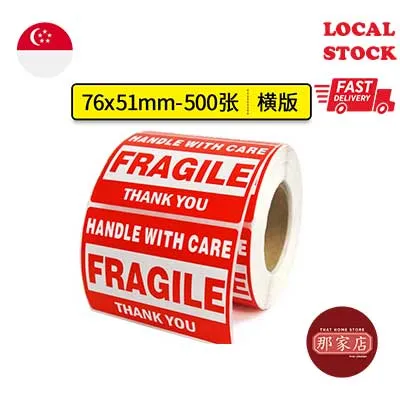
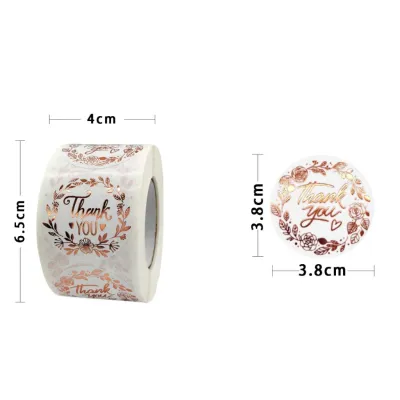
Prices are valid at publication and may change. Please refer to the product page for the latest price.
Beyond physical size, you must match the sticker roll to your printer’s specific imaging technology. Direct thermal printers require heat-sensitive paper or film that darkens when exposed to the printhead, eliminating the need for ink or toner. Thermal transfer printers, by contrast, use a separate ink ribbon to fuse pigment onto the label material, making them compatible with a wider range of synthetic materials. If you accidentally load a thermal transfer roll into a direct thermal machine without a ribbon, you will end up with blank labels because the material lacks the necessary heat-activated chemical coating.
Many modern label maker brands employ proprietary cartridge designs or digital locks to restrict the use of third-party consumables. These systems often feature plastic cassettes with unique physical notches that align with sensors inside the machine, or they may embed smart chips (such as RFID tags) into the roll’s core. If the printer’s sensor does not detect the official brand chip, the device may refuse to print entirely or lock out certain custom print settings. When shopping for sticker rolls, always check your machine’s manual to determine if it accepts open, generic rolls or if it requires a proprietary cartridge system.
Evaluating Print Quality and Material Durability
Print quality is determined by the interaction between your label maker’s printhead resolution and the surface smoothness of the sticker roll. Resolution is measured in dots per inch (DPI), with standard desktop models typically offering 180 to 203 DPI, while high-resolution models reach 300 DPI or more. To print sharp barcodes, fine decorative borders, or small text fonts, you need a highly smooth synthetic roll that allows the printhead to transfer heat or ink evenly without bleeding or skipping.

The material composition of the sticker roll directly dictates its durability and resistance to wear. Standard paper rolls are highly cost-effective for temporary indoor tasks, such as labeling paper files or temporary storage boxes, but they tear easily and degrade when exposed to moisture. Synthetic films, such as polypropylene (PP) or polyethylene terephthalate (PET), offer excellent water resistance and tear strength, making them ideal for kitchen organization, bathroom toiletries, and items that require frequent cleaning.
Environmental factors play a massive role in how long your printed labels remain legible. In tropical environments, direct thermal labels are highly susceptible to fading if they are subjected to ambient heat, friction, or UV exposure from windows. When selecting a sticker roll for long-term use, review the manufacturer’s specifications for UV resistance and temperature tolerances. For outdoor equipment, garden labels, or items exposed to direct sunlight, choosing a UV-stabilized synthetic roll printed via thermal transfer is generally necessary to prevent the text from disappearing within a few months.
Assessing Adhesive Strength for Different Surfaces
Adhesive performance is not universal; a sticker roll that grips tenaciously to a cardboard box might peel away from a curved plastic bottle or damage a painted wall. Adhesives are generally categorized into permanent, removable, and repositionable formulations. Permanent adhesives form a strong, long-lasting bond that resists peeling but will likely tear paper surfaces or leave a sticky residue upon removal. Removable adhesives are designed to peel away cleanly without leaving residue, making them perfect for reusable containers, glass jars, and retail price tags.
The texture and material of the target surface heavily influence how well the adhesive bonds. Smooth, non-porous surfaces like glass, polished metal, and high-energy plastics (such as acrylic) allow the adhesive to make full contact, resulting in a very secure bond. Textured surfaces, matte plastics, and porous materials like wood or fabric limit the contact area, which can cause standard adhesives to lift at the edges. For curved surfaces, such as cables or test tubes, you require highly flexible synthetic labels with high-tack adhesives that resist the natural spring-back force of the wrapped material.
Applying a high-strength permanent adhesive to delicate surfaces carries a significant risk of permanent damage. Before labeling painted drywall, veneered furniture, or valuable books, always perform a hidden spot test with a small piece of the sticker roll to observe how the adhesive interacts with the finish over several days. Additionally, check the manufacturer’s warnings regarding plasticizer migration, as certain adhesives can react chemically with soft plastics, causing the adhesive to turn into a gooey, hard-to-clean residue over time.
Decision Framework: Choosing the Right Sticker Roll
To simplify your purchasing decision, you can match your specific labeling scenario to the following condition-based rules.
Choose heavy-duty vinyl or synthetic film with permanent adhesive if your primary goal is long-term durability on items exposed to moisture, frequent handling, or outdoor elements. This combination is highly suited for labeling water bottles, outdoor tools, pantry containers, and shared office equipment where the label must withstand washing and physical abrasion without peeling or fading.
Choose standard paper rolls with removable adhesive if you are managing high-volume, low-cost indoor organization tasks where labels are temporary. This option is ideal for organizing document archives, labeling temporary storage bins, printing shipping labels, or marking food prep dates on containers that will be washed and relabeled regularly.
Verify first if your label maker uses a proprietary cartridge system or requires smart-chip authentication before purchasing any third-party rolls. If your machine is locked to a specific brand ecosystem, buying generic open rolls will result in incompatible media that cannot be loaded or recognized by your device, regardless of how high the material quality is.
Neither standard paper nor basic synthetic rolls may fit if your target surface is exposed to extreme industrial conditions, such as heavy chemical solvents, automotive fluids, or temperatures exceeding standard household limits. In these specialized scenarios, bypass consumer-grade sticker rolls entirely and consult an industrial labeling specialist to source certified chemical-resistant or high-temperature polyimide media.
Frequently Asked Questions (FAQ)
Can I use third-party sticker rolls in a branded label maker?
Yes, many desktop label makers can accept third-party rolls, provided the physical dimensions, core size, and printing technology match the machine’s specifications. However, you must first verify if your printer requires proprietary cartridges or smart chips to operate. Keep in mind that using poorly manufactured third-party rolls that shed dust or adhesive can lead to printhead damage or mechanical jams, which might void your manufacturer’s warranty.
How do I prevent direct thermal sticker rolls from fading?
To maximize the lifespan of direct thermal labels, store unused rolls in a cool, dry, and dark place, preferably sealed in their original packaging to protect them from ambient humidity. Once printed, avoid placing the labels in direct sunlight, near heat sources, or under intense fluorescent lighting. Additionally, keep them away from plasticizers found in PVC binders, clear plastic sleeves, and certain organic solvents, as these chemicals can accelerate the fading process.
What is the best way to remove permanent adhesive sticker residue?
To remove stubborn adhesive residue safely, start by gently peeling away as much of the label face as possible using your fingers or a plastic scraper. For non-porous surfaces like glass or metal, apply a small amount of mild household solvent, such as isopropyl alcohol or a citrus-based adhesive remover, and let it sit for a minute to break down the bond. Always perform a spot test on an inconspicuous area first, and stop immediately if you notice any discoloration, softening, or damage to the underlying material.

Community discussion
Share your experience or ask a question. Comments are reviewed before publication.