
Choosing the right magnet wall board for a classroom or home learning space in Singapore requires balancing three competing priorities: magnetic hold strength, writing surface durability, and overall budget. There is no single option that excels in every category. A bare steel board offers unmatched magnetic grip but lacks a premium writing surface, while a tempered glass board provides a beautiful, ghost-free writing experience but requires specialized, high-strength magnets to work through the glass layer. Coated whiteboards, particularly those made with porcelain or enamel, sit in the middle, offering a balanced compromise for daily teaching activities.
To make an informed decision, educators must evaluate how they plan to use the board. If your lessons rely heavily on thick plastic magnetic letters, heavy flashcards, or interactive diagrams, the physical thickness of the board’s surface layer is critical. Conversely, if your teaching style involves constant writing, quick diagramming, and frequent color changes, the chemical resistance of the writing surface becomes the primary factor. By analyzing these materials through the lenses of magnetic physics, surface chemistry, and structural safety, you can select a board that supports your curriculum for years to come.
Evaluating Magnetic Hold Strength for Letters and Teaching Aids
The primary challenge when using a magnet wall board for teaching is ensuring that educational aids, such as heavy magnetic letters, calendar blocks, and laminated posters, stay firmly in place. Magnetic hold strength is not determined by the board itself being a magnet, but rather by its magnetic receptivity—how well it attracts and holds external magnets. This receptivity depends heavily on the thickness of the steel core and the distance between the magnet and the steel layer.
Products mentioned in this guide
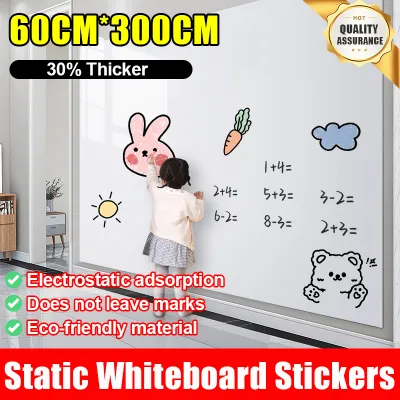
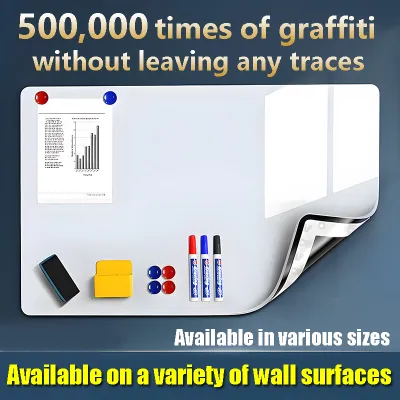
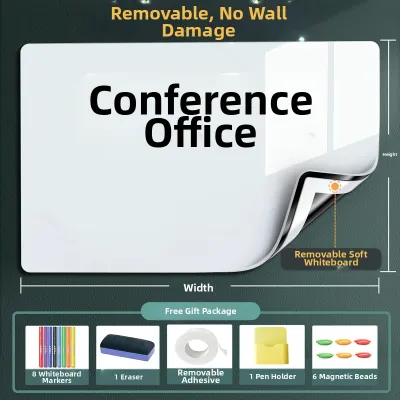
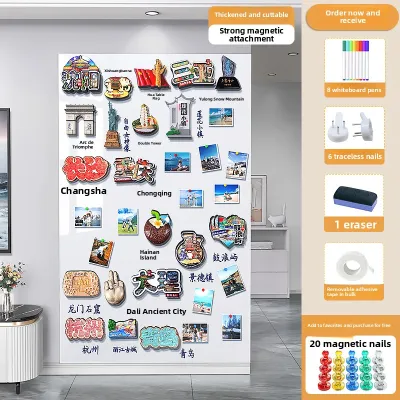

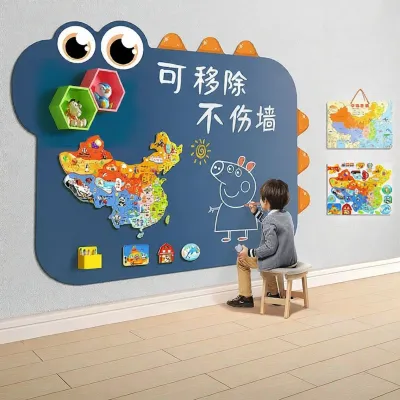
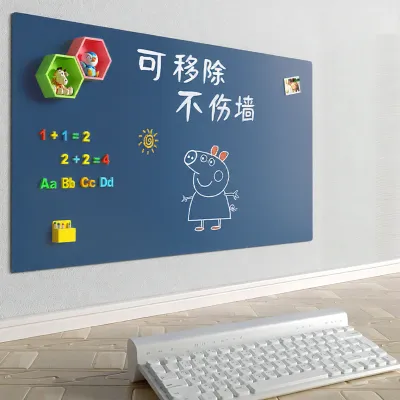
Prices are valid at publication and may change. Please refer to the product page for the latest price.
When evaluating glass and whiteboard models, always check the manufacturer’s specifications for the steel backing’s thickness. In glass boards, the magnetic backing is placed behind a sheet of tempered glass, which is typically 4mm to 6mm thick. This glass acts as a barrier, creating a significant physical gap between the magnet and the steel core. Because magnetic force decreases rapidly with distance, standard flexible sheet magnets or lightweight plastic magnetic letters will simply slide down a glass board. To overcome this, you must use high-strength neodymium magnets, which can be a safety concern in classrooms with young children.
Bare steel boards and high-quality porcelain whiteboards place the magnetic letters much closer to the steel core. A bare steel board, often used in sensory play areas or specialized phonics stations, has no thick top coating, allowing magnets to make direct contact with the metal. This direct contact provides the maximum possible weight capacity, making it ideal for holding up heavy teaching aids, thick cardboard charts, or three-dimensional models. Painted steel whiteboards also offer excellent grip, as the thin layer of baked-on paint does not significantly interfere with the magnetic pull.
Before committing to a bulk purchase for an entire school or learning center, it is highly recommended to perform a physical test. Gather the specific magnetic letters, dry-erase pockets, and visual aids you plan to use in your daily lessons. Test them on a sample of the board material to verify the real-world grip. Observe whether the letters slide, spin, or fall off when the board is lightly tapped or when a nearby door slams. This simple check prevents the frustration of installing a large board only to find your existing teaching tools are incompatible with its magnetic strength.
Assessing Surface Durability and Erasing Performance
A teaching board must withstand constant writing, drawing, and erasing throughout the school day without degrading. Over time, inferior board surfaces suffer from “ghosting”—the permanent staining left behind by dry-erase marker pigments that have penetrated the surface material. The ease of erasing and the resistance to scratching depend entirely on the chemical composition and hardness of the board’s outer layer.

Standard whiteboards generally fall into two categories: painted steel and porcelain (also known as ceramic or enamel) steel. Painted steel boards feature a thin layer of polymer paint over a steel base. While affordable, this painted surface is relatively soft and porous. With daily use, the friction from erasers and the abrasive movement of plastic magnetic letters can create micro-scratches. Marker ink settles into these tiny scratches and pores, leading to rapid ghosting that requires frequent chemical cleaning.
Porcelain or enamel whiteboards offer a far more durable alternative for active classrooms. These boards are manufactured by fusing a ceramic layer onto a steel sheet at extremely high temperatures. This process creates an incredibly hard, non-porous surface that resists scratching from magnetic letters and prevents marker pigments from penetrating. Porcelain boards erase cleanly with minimal effort, making them highly suitable for high-frequency teaching environments where lessons are written and erased multiple times a day.
Tempered glass boards represent the pinnacle of surface durability and erasing performance. Glass is completely non-porous, meaning dry-erase ink sits entirely on the surface and can be wiped away completely, even after weeks or months. Glass boards are virtually immune to ghosting, staining, and scratching under normal classroom conditions. However, they do require specific marker compatibility. Because glass is highly reflective, standard dry-erase markers can sometimes appear faint or translucent against the surface, requiring high-contrast markers or liquid chalk pens designed specifically for glass.
To maintain any of these surfaces, always consult the manufacturer’s care instructions to identify approved cleaning solvents. Using harsh chemicals, abrasive pads, or unauthorized conditioning sprays can strip away protective coatings on painted steel boards, permanently ruining their erasability. For porcelain and glass, a simple microfiber cloth dampened with water or a mild, manufacturer-approved board cleaner is usually sufficient to keep the surface pristine.
Weighing Installation, Safety, and Budget Factors
Beyond writing and magnetic performance, installing a magnet wall board in an educational setting involves practical considerations of structural safety, installation complexity, and long-term financial value. The physical weight of these boards varies dramatically by material, which directly impacts how and where they can be safely mounted.
Tempered glass boards are exceptionally heavy and require robust wall structural support. Mounting a large glass board on a standard drywall or partition wall in a classroom often requires locating studs or installing specialized wall anchors to prevent the board from pulling away from the wall. In contrast, bare steel sheets and standard painted steel whiteboards are lightweight and can be mounted securely on a wider variety of wall types with standard hardware.
Safety is paramount in student environments, particularly when dealing with glass. If you select a glass board, verify that the manufacturer uses certified tempered safety glass. Tempered glass is designed to crumble into small, blunt pieces rather than shattering into sharp shards if it experiences a severe impact. Additionally, ensure the mounting hardware features secure, locking standoffs or heavy-duty brackets that prevent the board from being accidentally knocked off the wall by active students.
When evaluating the budget, look beyond the upfront purchasing cost to calculate the total cost of ownership over the board’s expected lifespan. A painted steel whiteboard has a low initial price point but may need replacement within a few years due to ghosting and surface wear. A porcelain or tempered glass board requires a higher initial investment in S$ but can easily last a decade or more without showing signs of wear, offering superior long-term value and reducing the disruption of frequent replacements.
Do not forget to factor in hidden costs when planning your budget. These can include specialized mounting hardware, professional installation services for heavy glass models, and the ongoing cost of high-strength neodymium magnets or specialized high-contrast markers. Balancing these expenses against the board’s expected lifespan and warranty period will help you make a financially sound decision for your school or home classroom.
Final Decision Framework for Educators
To choose the ideal magnet wall board for your teaching space, match your primary educational activities to the strengths of each material. If your lessons focus heavily on interactive magnetic tools, sensory play, or heavy teaching aids, and you rarely need to write on the board, a bare steel board is the most practical choice. It provides the maximum possible magnetic hold, ensuring your teaching aids stay securely in place without sliding.
If your teaching style requires a balanced mix of frequent writing, drawing, and the use of standard magnetic letters, a porcelain or enamel whiteboard is the recommended option. It offers a highly durable, scratch-resistant surface that resists ghosting, combined with a strong magnetic grip that works perfectly with standard classroom magnets. This option provides excellent long-term value for busy classrooms with moderate budgets.
For environments where aesthetic appeal, zero ghosting, and ultimate surface longevity are the top priorities, a tempered glass board is the premier selection. It is ideal for lecture halls, staff rooms, or high-end tutoring centers where writing clarity is essential. Just be prepared to invest in specialized high-strength magnets, high-contrast markers, and professional installation to accommodate the board’s weight and glass thickness.
Before finalizing your purchase, always verify that your classroom walls can support the weight of your chosen board. Additionally, double-check that your existing collection of magnetic letters and dry-erase markers are fully compatible with the board’s surface material to ensure a seamless and productive teaching experience.
Frequently Asked Questions (FAQ)
Can I use standard whiteboard markers on a magnetic glass board?
While you can physically write on a magnetic glass board with standard dry-erase markers, the results are often less than ideal. Because glass is highly reflective and translucent, standard marker ink can appear faint, streaky, or difficult to read from the back of a classroom. For optimal visibility, it is best to use high-contrast dry-erase markers or liquid chalk markers specifically formulated for glass surfaces. Always check the board manufacturer’s recommendations to ensure your chosen markers erase cleanly without leaving a residue.
How do I safely clean a magnetic wall board without damaging the surface?
To safely clean your board, always check the manufacturer’s care label first, as different materials require different maintenance routines. For painted steel boards, use only a soft microfiber cloth and mild soap or an approved, non-abrasive board cleaner; avoid harsh solvents or abrasive scrubbing pads that can strip the protective coating. Porcelain and tempered glass boards are highly chemical-resistant and can be cleaned with standard glass cleaners or isopropyl alcohol, but you should still avoid unauthorized conditioning sprays that might leave a greasy film and reduce magnetic grip.
Community discussion
Share your experience or ask a question. Comments are reviewed before publication.