
The choice of a calligraphy brush holder depends on your practice environment, travel frequency, and how you manage moisture after washing your brushes. For a permanent desk setup where you need immediate access to dry brushes, a standing holder offers excellent convenience. If your primary concern is preserving the delicate tip shape and ensuring optimal drying airflow in a humid climate, a suspended hanging rack is the most effective choice. For students and artists on the move, a roll-style holder provides physical protection during transit, provided the brushes are dried before long-term storage.
Identifying Your Workspace and Practice Constraints
Setting up a functional calligraphy workspace requires balancing physical space with the practical needs of your tools. Before selecting a holder, measure your actual desk footprint and the vertical clearance above your workspace. A crowded desk in a compact apartment may not easily accommodate a wide, freestanding hanging rack, while a low shelf above your desk could block tall standing brushes. Understanding these spatial limits prevents you from purchasing an organizer that crowds your writing area.
Climate plays a critical role in how you care for calligraphy brushes, which are often made of natural animal hairs like goat, wolf, or rabbit. In humid environments, such as Singapore, moisture trapped in brush bristles can quickly lead to mold, mildew, and the deterioration of the wooden or bamboo shafts. If your studio lacks consistent air conditioning or natural cross-ventilation, your choice of holder must prioritize maximum airflow to prevent dampness from rotting the brush head or loosening the adhesive inside the ferrule.
Products mentioned in this guide
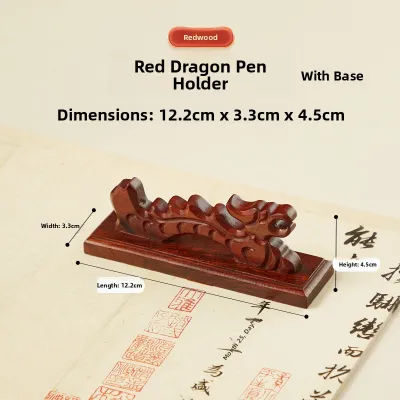
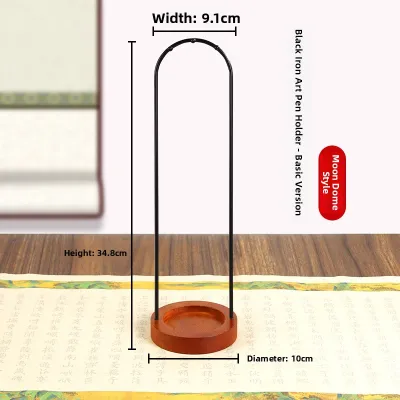
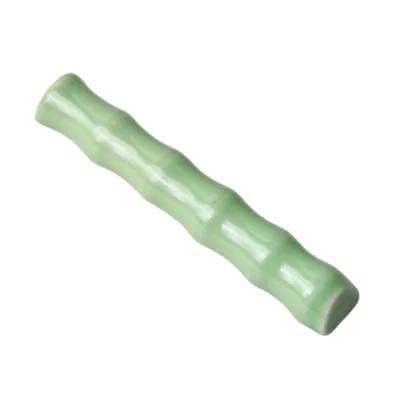
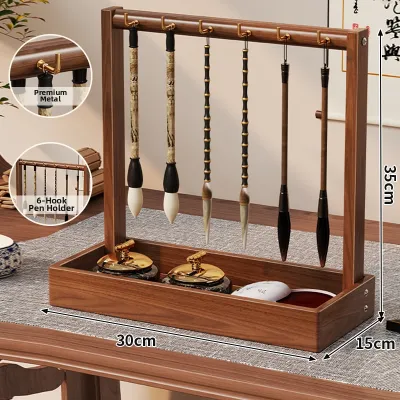
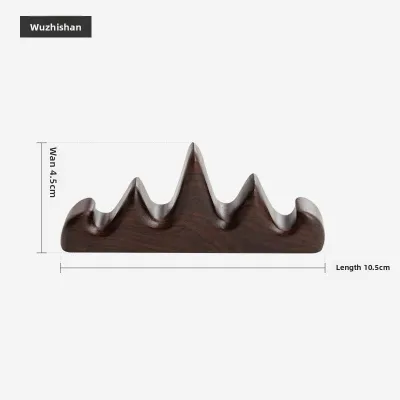
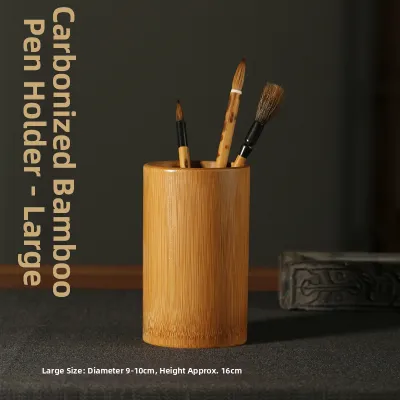
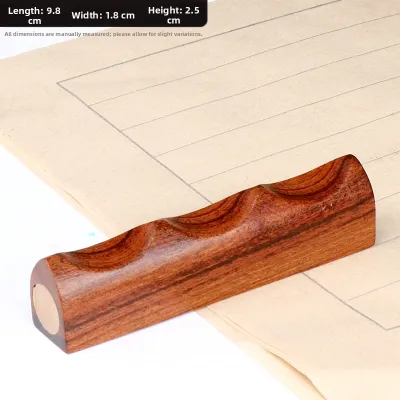
Prices are valid at publication and may change. Please refer to the product page for the latest price.
Your routine and mobility also dictate the ideal storage format. If you practice exclusively at a dedicated home desk, you can prioritize permanent, heavy organizers that focus on aesthetics and quick access. However, if you regularly attend calligraphy classes, community workshops, or outdoor painting sessions, your storage must be highly portable. Transporting delicate brushes requires a solution that prevents the bristles from bending or fraying inside a bag, making portability a primary deciding factor.
Standing Holders: Evaluating Desk Stability and Access
Standing holders, which include upright pots, slotted wooden blocks, and multi-slot ceramic stands, keep your brushes upright and ready for immediate use. When evaluating these holders, the base weight and center of gravity are critical safety factors. Calligraphy brushes, especially those with long bamboo handles and large, dense heads, can be top-heavy. A lightweight plastic or thin wooden cup can easily tip over when holding several large brushes, potentially damaging the delicate tips or spilling residual ink onto your workspace. Look for heavy materials like solid stone, ceramic, or weighted wood bases to ensure stability.

Storing wet or damp brushes upright in a standing holder presents a significant risk to the longevity of the tool. Gravity naturally pulls residual water downward into the ferrule, where the bristles are glued to the handle. Over time, this pooled moisture dissolves the water-soluble adhesives used in traditional brush construction, leading to shedding bristles and cracked handles. If you choose a standing holder, look for designs featuring internal drainage grates or removable bottom trays that keep the tips elevated above any dripping water, or reserve the holder strictly for completely dry brushes.
Despite these drying limitations, standing holders remain highly popular for their aesthetic appeal and organizational efficiency. They allow you to see your entire collection at a glance, making it simple to select the exact brush size or hair type needed for a specific stroke. For a dedicated, dry studio desk, a beautifully crafted ceramic or carved wooden stand serves as a visual centerpiece that keeps your most frequently used, dry brushes within arm’s reach, enhancing the overall flow of your practice.
Hanging Racks: Maximizing Airflow and Bristle Protection
Hanging racks, often designed as wooden or metal gallows with small hooks, are widely considered a highly effective method for drying wet calligraphy brushes. By suspending the brushes vertically with the tips pointing downward, gravity works in your favor. Water drains naturally away from the ferrule and off the pointed tip of the brush, preserving the internal glue joint and allowing the bristles to dry in their natural, tapered shape. This suspension method significantly extends the lifespan of high-quality natural hair brushes.
Incorporating a hanging rack into your workspace requires careful consideration of physical clearance. Freestanding circular or rectangular racks sit directly on your desk, requiring a stable, flat surface and sufficient vertical clearance so that your longest brushes do not touch the tabletop. Wall-mounted hanging racks free up valuable desk space but require secure installation. Before purchasing a wall-mounted unit, verify your wall material and ensure you have the appropriate mounting hardware to support the weight of the rack and your brush collection.
While hanging racks offer unmatched drying efficiency, they do expose your brushes to the open air. In high-traffic household areas or dusty environments, suspended brushes can accumulate airborne dust, which can affect ink absorption and stroke smoothness over time. Additionally, open-air racks leave the delicate bristles vulnerable to accidental bumps or snagging by passing pets or children. Placing your hanging rack in a dedicated, low-traffic corner of your study or studio helps mitigate these environmental risks.
Roll-Style Holders: Assessing Portability and Storage
Roll-style holders, typically crafted from woven bamboo splints, canvas, or linen, are the ultimate solution for mobile calligraphers. These wraps feature individual pockets or slots to hold brushes securely, rolling up into a compact cylinder that fits easily into a backpack or art portfolio. However, the primary rule of using a brush roll is that brushes must be completely dry before long-term storage. Wrapping a damp brush in a tight fabric or bamboo roll traps moisture, creating an ideal breeding ground for mold and mildew that can ruin both the bristles and the holder within days.
When selecting a roll-style holder, pay close attention to the dimensions and layout of the internal slots. Calligraphy brushes vary widely in handle thickness and overall length. Some rolls feature uniform elastic loops that may stretch out over time or fail to accommodate thick, heavy-handled brushes. Look for rolls with staggered pocket sizes or adjustable fabric slots that can snugly hold both delicate detail brushes and large landscape brushes without allowing them to slide out of the ends during transit.
Although brush rolls lack the active airflow required for efficient drying, they offer superior protection against physical crushing. The semi-rigid structure of a rolled bamboo mat acts as a protective shield, preventing external pressure from bending or snapping the wooden shafts or crushing the delicate bristle tips. For transport, you can safely place your brushes in a roll immediately after a session, but you must unroll them and hang or lay them flat to dry as soon as you arrive at your destination.
Comparing Holder Designs Across Key Dimensions
To help you decide which style fits your current practice, it is helpful to compare their performance across key operational dimensions. Each design excels in specific environments while presenting distinct trade-offs in others. The table below outlines how standing, hanging, and roll-style holders compare in terms of stability, drying efficiency, desk footprint, and portability.
| Holder Type | Stability | Drying Efficiency | Desk Footprint | Portability | Ideal User Profile |
|---|---|---|---|---|---|
| Standing Holder | High (if weighted) | Low (risk of water pooling) | Medium | Low | Stationary artists with dedicated desks and dry brushes |
| Hanging Rack | Medium to High | High (gravity-assisted) | Medium to High | Low | Dedicated practitioners prioritizing brush longevity |
| Roll-Style Holder | Low (unrolled) | Low (traps moisture) | Low (stored away) | High | Traveling students and workshop attendees |
Beyond their primary functions, each holder type requires specific routine maintenance to ensure a clean and hygienic practice environment. Standing holders with built-in grates or solid bottoms can accumulate dried ink sediment and dust, requiring periodic washing with mild soap and water to prevent staining your brush handles. Hanging racks should be dusted regularly, and any wooden joints should be checked for stability. Fabric brush rolls should be washed periodically to remove ink transfers, while bamboo rolls should be kept dry and aired out in the sun to prevent any musty odors from developing.
Making Your Final Selection
Choosing the right calligraphy brush holder comes down to matching your daily practice habits with your physical environment. If you have a dedicated desk and prefer to keep your dry brushes organized and visible, a heavy standing holder is an excellent choice. If you live in a humid climate and want to maximize the lifespan of your natural hair brushes, investing in a freestanding or wall-mounted hanging rack is highly recommended. For those who frequently travel to classes or workshops, a high-quality bamboo or canvas brush roll is an indispensable tool for safe transit.
Before finalizing your purchase, always verify the manufacturer’s material specifications and care instructions. Ensure that wooden racks are treated with a water-resistant finish to prevent warping when exposed to wet brushes, and check that fabric rolls are machine-washable or easy to spot-clean. Taking a few moments to review these details ensures that your holder will withstand the moisture and ink exposure typical of active calligraphy practice.
Finally, take precise measurements of your current brush collection before choosing a holder. Measure the total length of your longest brush from tip to end, as well as the diameter of your thickest handle. Compare these measurements against the clearance height of hanging racks or the pocket widths of brush rolls. Ensuring a proper physical fit prevents the frustration of purchasing a holder that cannot accommodate your favorite tools, allowing you to focus entirely on perfecting your brushwork.
Frequently Asked Questions (FAQ)
Can I store wet brushes in a roll-style holder?
No, you should never store wet brushes in a roll-style holder for extended periods. Rolling up damp brushes traps moisture within the fabric or bamboo, which quickly leads to mold growth, unpleasant odors, and rot in both the bristles and the wooden handles. If you must transport damp brushes home from a class, roll them up temporarily for the journey, but unroll them immediately upon arrival and hang them or lay them flat in a well-ventilated area to dry completely.
Do hanging racks require permanent wall installation?
Not all hanging racks require permanent wall installation. While wall-mounted racks are excellent for saving desk space, many designs are freestanding vertical stands that sit directly on your tabletop. These freestanding models feature a weighted base and a central pillar with hanging hooks, allowing you to enjoy the benefits of gravity-assisted drying without drilling holes into your walls. If you do choose a wall-mounted model, ensure your wall type can support the mounting hardware.
How do I clean a standing brush holder with a built-in grate?
To clean a standing holder with a built-in grate, first remove the grate if the design allows. Rinse the holder and the grate under warm running water to dissolve any dried ink sediment and wash away accumulated dust. Use a soft-bristled brush or a cloth with mild dish soap to clean the corners and crevices, then rinse thoroughly. Always check the manufacturer’s care instructions before using harsh cleaning agents or placing the holder in a dishwasher, as high heat can warp plastic or damage wooden finishes.
Community discussion
Share your experience or ask a question. Comments are reviewed before publication.