
Selecting the right packing box is the foundation of a successful move or shipping process. To choose the correct carton, you must balance the physical dimensions of your items with the structural integrity of the cardboard. A box that is too large invites damage through shifting, while one that is too small or weak risks bursting during transit. By understanding standard sizing conventions, measuring your items with protective clearance in mind, and matching the box strength to the weight of your goods, you can ensure your belongings arrive safely at their destination.
Understanding Standard Packing Box Dimensions
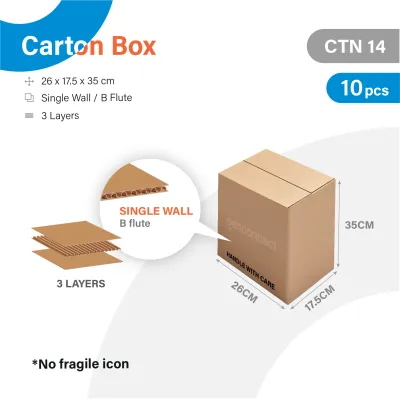
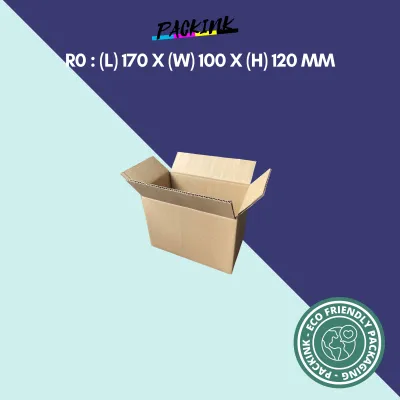
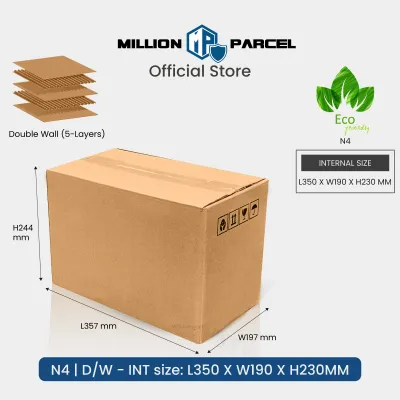
When browsing packaging supplies, you will typically see dimensions listed in a standard format: Length x Width x Height (L x W x H). Length is always the longest side of the opening, width is the shorter side of the opening, and height is the depth of the box from the opening to the bottom. It is vital to distinguish between external and internal dimensions. External dimensions dictate how much physical space the box occupies in a delivery vehicle, storage unit, or HDB lift in Singapore. Internal dimensions, however, represent the actual usable space available for your items. Because corrugated cardboard has thickness, the internal clearance is always slightly smaller than the external measurements.
Standard packing boxes generally fall into several functional categories rather than rigid, universal dimensions, as manufacturers vary slightly. Small boxes, often referred to as “book boxes,” are designed for heavy, dense items like documents, books, and small kitchenware. Medium boxes serve as multi-purpose containers, ideal for toys, clothing, and medium-sized household goods. Large boxes accommodate bulky but relatively lightweight items, such as bedding, pillows, and plastic kitchen containers. For specialized needs, wardrobe cartons feature a hanging bar to transport clothing directly from the closet without folding. When packing precision-engineered items or fragile electronics, always check the manufacturer’s technical specification sheet to verify the exact internal clearances before purchasing.
Products mentioned in this guide
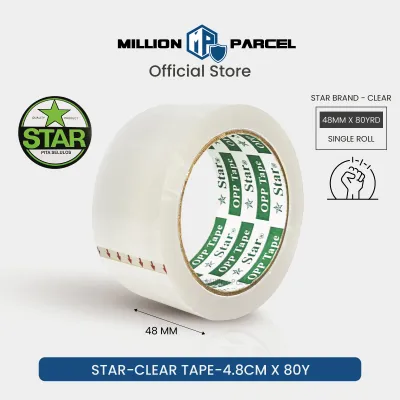
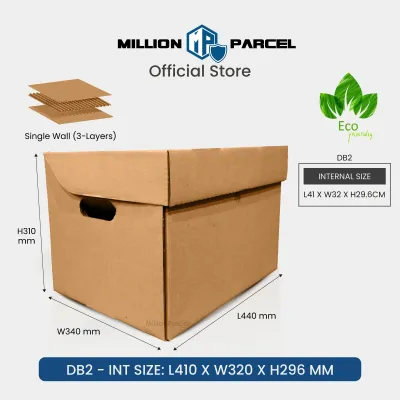
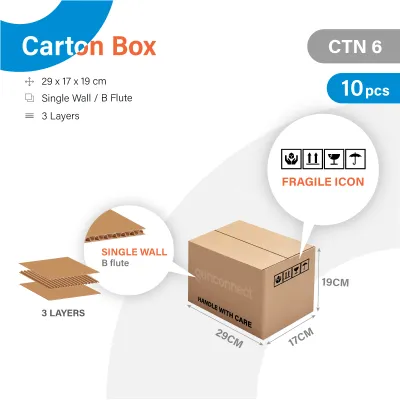
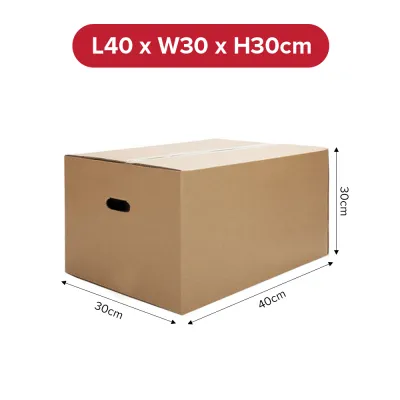
Prices are valid at publication and may change. Please refer to the product page for the latest price.
How to Measure Your Items and Calculate Required Space
Determining the right box size begins with accurate physical measurements of your belongings. To measure a single irregular item, use a standard measuring tape to find the absolute longest, widest, and tallest points. If you are packing multiple items into a single box, group them together on a flat surface exactly as you plan to arrange them inside the carton. Measure this entire grouped pile as a single block, taking the maximum width, depth, and height of the arrangement.

Never choose a box that matches these measurements exactly. You must factor in additional clearance for protective cushioning materials, which are essential for preventing transit damage. For fragile items, allow at least two to three centimeters of extra space on all sides to accommodate bubble wrap, packing paper, or biodegradable void fill. This protective buffer absorbs external shocks and prevents items from pressing directly against the cardboard walls.
To avoid overstuffing or leaving excessive empty space, compare the total volume of your items against the box’s internal capacity. If a box is too empty, the structural integrity of the carton compromises easily under the weight of other stacked boxes. Conversely, overstuffing causes the sides to bulge, weakening the corners and making the box difficult to stack safely on a moving trolley.
Matching Box Specifications to Item Weight and Fragility
Selecting the right box is not just about finding the correct volume; you must also evaluate the structural strength of the cardboard. Corrugated boxes are primarily categorized as single-wall or double-wall. Single-wall cartons consist of one layer of fluted paper sandwiched between two flat linerboards, offering lightweight and cost-effective protection for standard household items. Double-wall cartons feature two layers of fluting and three linerboards, providing significantly higher resistance to crushing, puncturing, and bending.
A common packing mistake is placing heavy items into large boxes. Heavy items, such as books, tools, or kitchenware, should always go into smaller, high-strength boxes. This keeps the overall weight of the individual box manageable for lifting and prevents the bottom from bowing or tearing. Large boxes should be reserved exclusively for light, bulky items like linens, cushions, or winter wear.
When selecting boxes for fragile or high-value goods, look for specific structural features that enhance durability. Reinforced bottoms, interlocking flaps, and heavy-duty packing tape help secure the base. For glassware, ceramics, or delicate ornaments, consider using specialized cardboard dividers or cell inserts. These inserts keep individual items isolated, preventing them from colliding with one another during transport through bumpy roads or handling.
Final Selection Checklist and Shipping Limits
Before finalizing your purchase or beginning the packing process, run through a practical verification checklist. First, confirm that the internal dimensions of the box comfortably accommodate your items plus their protective wrapping. Second, verify that the weight of the packed contents does not exceed the recommended carrying capacity of the box’s wall construction. Finally, ensure that the structural strength of the carton matches the fragility of the items inside.
In Singapore’s humid tropical climate, cardboard can absorb moisture from the air over time, which significantly reduces its structural integrity. Always inspect your boxes before use, checking for soft spots, deep creases, moisture damage, or weakened corners. If a box shows signs of structural compromise, downgrade it to light-duty storage or recycle it.
If you plan to ship your boxes via a local courier service or an international freight forwarder rather than using a local moving service, always verify their specific size and weight limits. Many couriers calculate shipping costs based on volumetric weight rather than actual weight. Choosing a box that is unnecessarily large can result in unexpectedly high shipping fees, making precise sizing both a safety and a cost-saving priority.
Frequently Asked Questions (FAQ)
Do corrugated box dimensions refer to the inside or outside?
By industry standard, manufacturers typically list the internal dimensions of a corrugated box on their product labels and specification sheets. This ensures that customers can accurately calculate the usable space available for their items. However, because external dimensions are critical for calculating shipping rates and vehicle loading space, some suppliers list both. It is always best to verify the label details or consult the supplier to confirm whether the listed measurements represent internal clearance or external volume.
Can I reuse standard packing boxes for heavy items?
Reusing packing boxes is an eco-friendly practice, but it requires careful inspection when packing heavy items. Every time a cardboard box is handled, stacked, or exposed to humidity, its structural fibers weaken. Before packing dense or heavy goods into a used box, check for corner crushing, tears along the seams, or soft spots on the bottom flaps. If the box exhibits any of these signs, avoid using it for heavy loads, as it may fail during transit and cause damage or injury.
Community discussion
Share your experience or ask a question. Comments are reviewed before publication.