
Selecting the right packing boxes (frequently referred to as 打包盒) is the difference between a seamless relocation and a moving-day disaster. Standard corrugated carton boxes generally fall into three main size categories—small, medium, and large—alongside specialized shapes designed for awkward items. Matching your belongings to the correct box size prevents damage, optimizes space in transport vehicles, and ensures containers remain manageable to carry through hallways and lift lobbies.
Using the wrong size leads to distinct structural risks. An oversized box filled with heavy items is prone to bottom failure, while an underfilled box can collapse when stacked. Understanding standard dimensions and their weight capacities allows you to plan your packing systematically, saving time and protecting your investments.
How to Measure Items and Calculate Required Box Dimensions
Before purchasing any packing boxes, you must determine the physical footprint of your goods. To establish a baseline, measure the single longest, widest, and tallest points of the item or the collective pile of items you plan to pack together. Always round up to the nearest centimeter to ensure you do not buy a box that is too tight.
Products mentioned in this guide
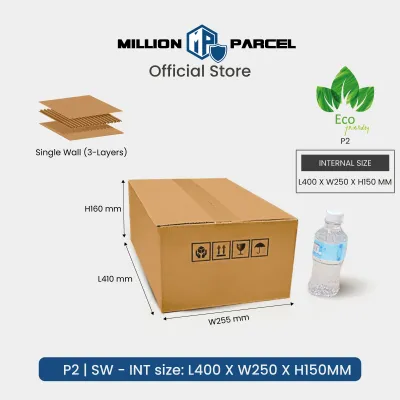
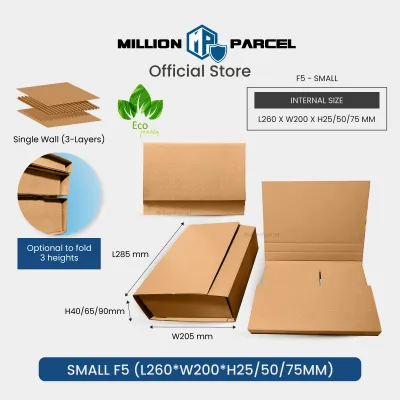
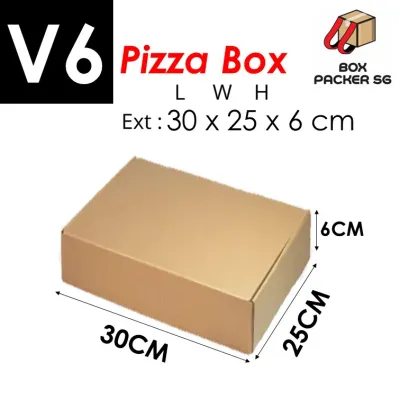
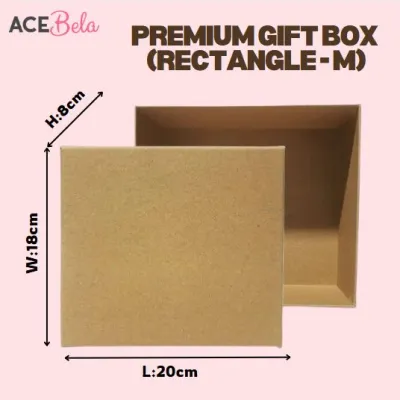
Prices are valid at publication and may change. Please refer to the product page for the latest price.
Once you have the baseline measurements, you must account for protective void fill. For fragile or valuable items, add 5 to 10 cm to each of the three dimensions. This extra space accommodates cushioning materials such as bubble wrap, packing peanuts, or crumpled packing paper, which absorb shocks during transit. For non-fragile items like clothing, you can reduce this buffer to 2 to 3 cm.
When purchasing boxes online or from local packaging suppliers, pay close attention to the distinction between internal and external dimensions. Manufacturers typically list external dimensions in their product specifications. However, thick corrugated cardboard walls—especially double-wall boards designed for heavy duty use—can reduce the internal usable space by 5 mm to 1 cm. Always verify that the internal dimensions meet your calculated requirements to avoid packing bottlenecks.
Small Packing Boxes: Dimensions and Heavy Item Matching
Small packing boxes generally range from 30x30x30 cm to 40x30x25 cm. These compact dimensions make them highly stable and structurally rigid. Because the surface area of the bottom panel is relatively small, the cardboard is less likely to sag or tear under concentrated weight, making these boxes the ideal choice for your densest belongings.

This size category is perfect for heavy, compact items. You should reserve small boxes for:
- Books, textbooks, and heavy files
- Canned food items and kitchen pantry jars
- Small, dense kitchen appliances like blenders or hand mixers
- Fragile glassware and ceramics wrapped individually in packing paper
Packing heavy items in small boxes is a matter of physical safety and structural integrity. A small box filled entirely with books will weigh between 15 and 20 kg, which is the maximum safe lifting weight for an average adult. Restricting heavy items to small containers prevents the cardboard bottom from giving out under stress, reduces the risk of back strain, and makes the boxes much easier to stack securely in a moving vehicle.
Medium Packing Boxes: Dimensions and Everyday Item Matching
Medium packing boxes are the versatile workhorses of any move, typically measuring between 45x40x40 cm and 50x40x30 cm. They offer a balanced compromise between volume and weight capacity, making them suitable for everyday household and office items that are moderately heavy but too bulky for small cartons.
These boxes accommodate a wide variety of standard household goods, including:
- Shoes, boots, and folded clothing
- Pots, pans, and baking dishes
- Children's toys and board games
- Medium-sized electronics, such as game consoles, routers, and desktop speakers
To pack a medium box successfully, you must use a strategic layering method. Always place the heaviest items at the bottom of the box to keep the center of gravity low, which prevents the box from tipping over during transport. Place lighter, more delicate items on top, and fill any remaining empty spaces with crumpled paper or soft linens. This distribution maintains the box’s structural integrity and prevents top-heavy loads that can lead to accidental drops.
Large and Extra-Large Boxes: Dimensions and Bulky Item Matching
Large and extra-large packing boxes typically start at dimensions of 60x45x45 cm and can go up to 80x60x60 cm or larger. While these boxes offer massive volume, they are structurally more vulnerable because the wide bottom panel is prone to sagging if subjected to concentrated weight.
These large containers are designed exclusively for bulky, lightweight items. Ideal contents include:
- Pillows, duvets, blankets, and bedsheets
- Winter jackets, coats, and bulky clothing
- Stuffed toys and lightweight plastic organizers
- Large, empty plastic mixing bowls or lightweight patio cushions
You must avoid packing heavy items like books, tools, or liquids in large boxes. A large box filled with heavy items quickly becomes impossible to lift safely, often exceeding 40 kg. Furthermore, cardboard absorbs ambient moisture over time, which significantly degrades its compression strength. In warm, humid environments, an overloaded large box is highly susceptible to tearing at the seams or collapsing entirely when stacked, risking damage to your items and causing potential injury to anyone carrying it.
Specialized Carton Shapes for Awkward or Fragile Items
Standard rectangular boxes are not always suitable for items with unusual dimensions or specific safety requirements. Utilizing specialized carton shapes ensures that awkward, fragile, or high-value items remain protected without requiring excessive amounts of tape or custom cutting.
- Wardrobe boxes: These tall, upright cartons feature an integrated metal or heavy-duty cardboard hanging rail across the top. They allow you to transfer clothes directly from your closet on their hangers, preventing wrinkles and saving hours of folding and unpacking time.
- Telescope or adjustable boxes: Comprising two separate pieces that slide over one another, these boxes can be adjusted to custom lengths. They are ideal for long, narrow items such as curtain rods, camera tripods, rolled posters, or golf clubs, preventing the items from shifting end-to-end.
- Flat mailer boxes: Featuring a shallow depth and rigid, self-locking flaps, flat mailers are designed to resist bending and crushing. They provide excellent protection for flat items like legal documents, framed artwork, laptop keyboards, and shallow electronic components.
Community discussion
Share your experience or ask a question. Comments are reviewed before publication.