
Finding postcards that rise above generic tourist souvenirs requires a keen eye for paper quality and design authenticity. In Singapore, where a vibrant community of local illustrators and independent boutiques thrives, the search for the perfect postcard is both an artistic pursuit and a tactile experience. Whether you are an avid postcrosser, a collector of local heritage art, or someone who loves sending handwritten notes, understanding what makes a postcard truly premium ensures your mail survives the postal journey and looks stunning on arrival.
To find the best options, you must look beyond the standard souvenir racks. Premium postcards are defined by heavy cardstock, specialized printing techniques, and original artwork that reflects local culture, architecture, or contemporary design. By focusing on material specifications and sourcing from curated local spaces, you can build a collection that stands out.
Understanding Postcard Paper Quality and Print Standards
The tactile feel of a postcard is the very first thing a recipient notices. Paper weight, measured in grams per square meter (GSM), is the primary indicator of durability and premium quality. Standard commercial postcards often use cardstock ranging from 220 GSM to 270 GSM, which can feel flimsy and easily bend during transit. For a truly premium feel, look for postcards printed on cardstock of 300 GSM to 350 GSM or higher. This weight provides a satisfying rigidity, ensuring the card remains crisp and flat even after passing through automated sorting machines.
Products mentioned in this guide

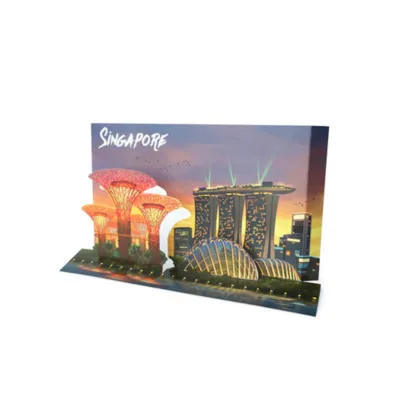
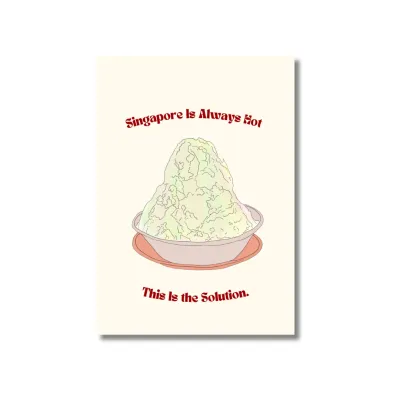
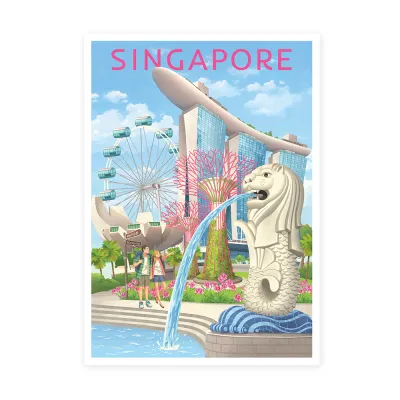

Prices are valid at publication and may change. Please refer to the product page for the latest price.
Beyond weight, the surface finish dictates both the visual impact of the design and the ease of writing on the reverse side. Uncoated paper offers a natural, matte texture that absorbs ink beautifully, making it the ideal choice for fountain pen users or those who write long messages. Matte-coated paper provides a smooth, non-reflective surface that enhances color contrast without the glare of high-gloss finishes. Glossy finishes, often achieved with a UV coating, make colors pop with intense vibrancy, but they require specialized pens to write on without smudging. For a luxurious, modern feel, some premium brands utilize a soft-touch or velvet laminate, which gives the card a distinct, silky texture.
Textured papers add an extra layer of sensory appeal. Linen, felt-marked, and cotton-blend papers feature subtle physical ridges or patterns that elevate the postcard into a piece of fine art. Cotton paper, in particular, is highly prized for its soft, pillowy texture and exceptional archival qualities, often used in letterpress printing where the design is physically debossed into the cardstock.
The printing technique itself determines the clarity and longevity of the artwork. Offset printing is the gold standard for high-volume, professional production, offering sharp details and consistent color reproduction. For limited-run artisan postcards, digital printing has advanced significantly, though it is essential to check for high-resolution print patterns to avoid visible dot grids. Letterpress and foil stamping are premium, labor-intensive techniques that create physical depth and metallic highlights, turning a simple postcard into a tactile keepsake. When evaluating print quality, look for deep, saturated blacks, smooth color gradients, and crisp text lines on the back of the card.
Where to Discover Distinctive Postcard Brands in Singapore
Singapore boasts a rich ecosystem of creative spaces where you can source unique, high-quality postcards. Independent stationery boutiques, often tucked away in historic neighborhoods like Tiong Bahru, Haji Lane, or Joo Chiat, are excellent starting points. These shops curate selections from both local designers and international artisan brands, focusing on high-grade papers and unconventional formats. You will often find postcards featuring hand-drawn maps, local culinary delights, and whimsical illustrations that you won’t find in standard tourist shops.

Museum and gallery gift shops, such as those at the National Gallery Singapore, the National Museum of Singapore, or the ArtScience Museum, are treasure troves for art lovers. These venues stock exclusive postcard series that feature high-quality reproductions of historical artworks, architectural blueprints of local landmarks, and collaborations with contemporary Southeast Asian artists. The paper quality in these establishments is typically excellent, often utilizing heavy, textured cardstock to match the prestige of the artwork.
For those who enjoy discovering independent creators directly, local art book fairs, design festivals, and weekend makers’ markets are invaluable. Events held at creative hubs like Gillman Barracks or community arts spaces allow you to meet the illustrators and printmakers in person. Purchasing directly from these pop-up stalls not only ensures you get limited-edition or hand-printed postcards, but it also allows you to ask the artist directly about their paper choices and printing processes.
If you prefer shopping from home, official brand websites and curated online marketplaces offer access to a global array of artisan stationery. Many independent Singaporean designers run their own webstores, offering complete postcard sets, matching sticker sheets, and themed stationery packs. When importing international brands through online platforms, look for verified stationery distributors or official brand storefronts to ensure you are receiving authentic products rather than low-quality counterfeits printed on cheap paper.
Evaluating Design Aesthetics and Brand Authenticity
With so many options available, distinguishing between mass-produced designs and authentic, high-quality artwork is key to building a meaningful collection. The most critical step is identifying the origin of the design. Mass-market postcards often rely on generic stock photography or unlicensed clip art, resulting in repetitive and uninspired visuals. In contrast, premium postcard brands showcase original illustrations, licensed independent art, or professional photography captured specifically for the medium. These designs tell a story, capture a specific mood, or offer a unique perspective on local culture.
To verify authenticity, inspect the back of the postcard. Reputable brands and independent artists almost always include artist credits, social media handles, or a brief description of the artwork’s inspiration. Some highly collectible series may also feature edition numbers or collaborative brand markers, indicating a limited print run. These details not only add to the collectible value of the card but also guarantee that the original creator is being credited and compensated for their work.
Aligning the design theme with your intended use case will also guide your selection. If you are mailing postcards to friends overseas, look for designs that capture the unique essence of Singapore—such as the intricate facades of Peranakan shophouses, local hawker dishes, or native tropical flora—rendered in modern, artistic styles. If you are purchasing postcards for home decor or archiving, look for abstract art, minimalist typography, or fine-art reproductions printed on heavy, archival-grade cotton paper that can be easily framed or displayed in a photo corner album.
Practical Checks for Mailing, Writing, and Preserving
A beautiful postcard is only effective if it can be written on, mailed safely, and preserved for the future. Before purchasing, it is essential to verify that the postcard’s dimensions and weight comply with local postal regulations. In Singapore, standard mail rates apply to cards within specific size limits (typically rectangular formats, with minimum dimensions of 90mm by 140mm and maximum dimensions of 148mm by 240mm). Oversized, square, or unusually thick cards may require additional postage or be classified as packages. Checking these specifications beforehand prevents unexpected delivery delays or surcharges.
The interaction between your writing instrument and the postcard’s paper finish is another crucial factor. If you prefer using fountain pens or liquid ink gel pens, avoid glossy or soft-touch coated papers, as the ink will pool on the surface and smudge easily. Instead, opt for uncoated or lightly textured papers that absorb ink quickly. If you must write on a glossy surface, use a quick-drying ballpoint pen, a specialized pigment liner, or a fine-tip permanent marker, and allow the ink to dry completely before stacking or mailing the cards.
Preservation is particularly important in Singapore’s warm and highly humid climate. High humidity can cause paper fibers to soften, warp, or develop yellow-brown spots known as foxing. To protect your postcard collection, store them in acid-free, archival-quality polypropylene sleeves. Avoid PVC sleeves, as they can release harmful acids over time that degrade paper and fade ink. Keep your collection in a cool, dry place, ideally inside a sturdy, acid-free storage box or a dedicated postcard album. If you choose to display your postcards in frames, use UV-resistant glass or acrylic to protect the print colors from fading under direct sunlight or indoor lighting.
Frequently Asked Questions (FAQ)
Do thick or textured postcards require extra postage for standard mailing?
Standard postage rates are typically based on weight and dimensions. If your premium postcard is within the standard rectangular size limits and does not exceed the maximum weight threshold (usually 20 grams for standard local mail), it can be sent using a standard stamp. However, extremely thick cardstock (above 400 GSM), square shapes, or cards with physical embellishments like wax seals or ribbons may require additional postage. It is always best to check the latest guidelines from the local postal service or visit a post office counter to verify the correct postage for non-standard formats.
Which pens work best on coated or glossy postcard surfaces?
Coated and glossy surfaces do not absorb liquid inks well, which can lead to smearing. For these finishes, avoid fountain pens, traditional gel pens, and water-based rollerballs. Instead, use oil-based ballpoint pens, quick-dry gel pens specifically formulated for non-porous surfaces, or fine-tip permanent markers. Always perform a quick test write in a small corner on the back of the card and allow it to sit for a few seconds to ensure the ink sets completely without smudging.
How can I verify if a postcard brand supports local independent artists?
To ensure your purchase supports the local creative community, look for explicit artist credits, bios, or social media handles printed on the back of the postcard. Reputable brands that collaborate with artists will openly celebrate these partnerships on their websites and product packaging. Additionally, purchasing directly from the artist’s official online store, visiting their booth at local design markets, or shopping at curated museum gift shops that highlight local creators are excellent ways to guarantee your money directly supports the original designers.

Community discussion
Share your experience or ask a question. Comments are reviewed before publication.