
For small businesses in Singapore, selecting the right plastic shipping bags—commonly known as poly mailers—is a balancing act between cost efficiency, product protection, and operational practicality. While there is no single “best” brand that fits every business, the most reliable packaging is defined by its material specifications, adhesive strength, and suitability for local courier networks. By focusing on measurable quality standards rather than brand names alone, e-commerce merchants can secure durable packaging that keeps shipping costs low and ensures items arrive undamaged.
Defining Your E-commerce Packaging Requirements
Before browsing supplier catalogs, you must analyze the physical characteristics of your products. Lightweight, non-fragile items like apparel, textiles, and soft goods are ideal candidates for plastic shipping bags because they do not require the rigid structure of cardboard boxes. However, if your products have sharp edges, delicate components, or heavy weights, you will need to evaluate whether a standard plastic bag offers sufficient puncture resistance or if additional inner cushioning is required. A heavy item with a small surface area, for instance, exerts concentrated pressure on the plastic seams during transit, necessitating a much stronger material than a bulky but lightweight item.
Storage space is a critical constraint for many small businesses in Singapore, where commercial rent and residential space are at a premium. Ordering packaging in massive quantities can lower your unit cost, but storing thousands of bulky mailers can quickly overwhelm a home office, HDB storeroom, or small warehouse space. You must balance the financial benefits of bulk purchasing against the physical footprint of the inventory, potentially opting for smaller, more frequent restocks if storage space is limited. Consider the box dimensions of the bulk packaging and calculate how many cartons you can comfortably store without disrupting your daily fulfillment workflow.
Products mentioned in this guide
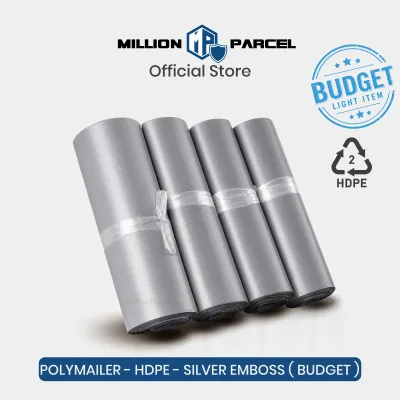
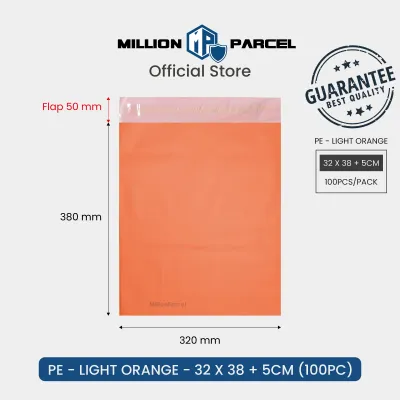
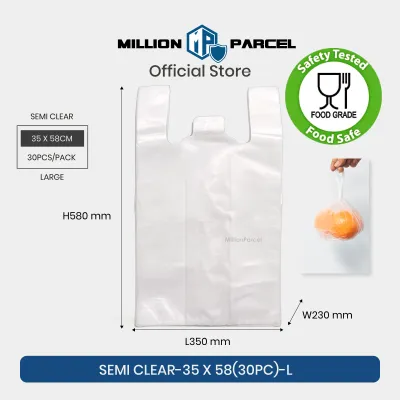
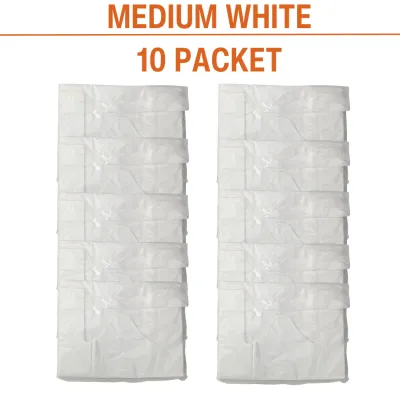
Prices are valid at publication and may change. Please refer to the product page for the latest price.
Your choice of delivery method also dictates your packaging specifications. Local courier services, which often involve rapid sorting and multiple handoffs, require bags that can withstand friction and rough handling in transit. If you utilize local parcel lockers or letterbox delivery options, your packaged items must remain flexible and thin enough to fit within standard slot dimensions without tearing. For international shipping, the packaging must be robust enough to endure longer transit times, temperature fluctuations, and customs inspections, where bags are frequently stacked under heavier parcels.
How to Evaluate Plastic Shipping Bag Suppliers
When independent brand rankings are unavailable, you must establish a systematic framework to evaluate potential packaging vendors. The first step is to request technical specification sheets from the manufacturer. These documents detail the material composition—typically low-density polyethylene (LDPE) or co-extruded plastic—and provide objective measurements of tear strength, tensile strength, and puncture resistance. Co-extruded (co-ex) mailers are particularly highly regarded because they feature multiple layers of plastic fused together, often with a dark interior layer for complete opacity and a light exterior layer for clean labeling.

Adhesive seal strength is the primary line of defense against tampering and accidental opening during transit. A high-quality shipping bag should feature a hot-melt adhesive strip that creates a permanent, destructive seal upon closure. This means that once the bag is sealed, attempting to open it will tear the plastic, providing clear evidence of tampering. You should always request physical samples from a supplier to test the adhesive under real-world conditions, including exposing the sealed bags to the heat of a typical delivery vehicle to ensure the glue does not soften or fail.
For businesses that want to print logos or handling instructions directly onto their packaging, print quality is a vital consideration. Poorly printed graphics can smudge during transit, while low-contrast barcodes can cause scanning errors at courier sorting facilities. When evaluating samples, check for ink adhesion by firmly rubbing the printed areas and ensure that any printed text or barcodes remain sharp and legible under various lighting conditions. Ask suppliers about the printing methods they use, such as flexographic or rotogravure printing, to understand the clarity and durability of the final design.
Supply chain reliability is just as important as product quality. A supplier with the lowest prices is of little use if they frequently run out of stock or have unpredictable lead times. Inquire about the supplier’s typical lead times for both standard and custom orders, and ask whether they maintain local buffer stock in Singapore. Working with a supplier that can guarantee consistent availability helps prevent fulfillment bottlenecks during peak shopping seasons, such as the year-end sales period.
Sizing and Thickness Guide for Common Parcels
Choosing the correct bag size is essential for minimizing material waste and keeping shipping costs down. Standard plastic shipping bags are available in a wide range of dimensions, typically categorized from extra-small to extra-large. To determine the correct size, measure the length, width, and depth of your product, and add a margin of at least two to three centimeters to each dimension to allow for easy packing and sealing. For example, a standard A4-sized mailer (approximately 25 by 35 centimeters) is highly versatile and easily accommodates single clothing items, books, or medium-sized accessories.
Material thickness is measured in either mils (thousandths of an inch) or microns (millionths of a meter). Standard utility mailers typically range from 50 to 60 microns in thickness, which is sufficient for lightweight, non-abrasive items like t-shirts or soft accessories. For heavier items or products with defined corners, look for heavy-duty bags with a thickness of 75 to 100 microns. Using a bag that is too thin increases the risk of punctures, while an excessively thick bag adds unnecessary weight and stiffness, potentially pushing your parcel into a higher shipping weight bracket.
To avoid committing to a large minimum order quantity (MOQ) that might not suit your needs, implement a rigorous sample testing protocol. Once you receive sample bags from a supplier, pack them with your actual products and simulate the shipping process. Drop the packed bags from various heights, apply pressure to the seams, and attempt to peel open the adhesive seal. Additionally, simulate a sudden tropical downpour by exposing the sealed bag to water to verify that the seams and adhesive remain completely watertight.
Where to Source Reliable Packaging Locally
For small businesses requiring high-volume orders, local packaging wholesalers and industrial supply distributors in Singapore offer the most cost-effective solutions. These distributors often import packaging materials in bulk, allowing them to pass on volume discounts to local buyers. Many of these wholesalers are located in industrial estates such as Ubi, Kaki Bukit, Toa Payoh, or Jurong. Visiting a physical wholesale showroom can also be highly beneficial, as it allows you to inspect the materials, feel the thickness, and test the adhesive seals in person before making a commitment.
If you operate on a smaller scale or require flexible, low-minimum order quantities, B2B online marketplaces and local e-commerce platforms are excellent sourcing channels. Many local packaging merchants operate digital storefronts on these platforms, offering fast delivery within Singapore and the convenience of buying in smaller packs of 50 or 100 pieces. This approach allows you to test different sizes and styles without tying up significant capital in packaging inventory. When sourcing online, pay close attention to customer reviews regarding thickness accuracy and adhesive reliability.
When you are ready to transition to custom-branded packaging, establishing clear communication protocols with your supplier is essential. Clearly specify your design requirements, including color codes (such as Pantone references) and file formats for your artwork. Additionally, verify whether the supplier can provide material certifications, such as compliance with international quality standards or environmental certifications, to ensure the bags meet your brand’s quality and safety expectations. Be prepared for higher minimum order quantities for custom prints, which often start at 5,000 to 10,000 pieces per size.
Balancing Unit Cost and Material Sustainability
Calculating the true cost per unit of your packaging requires looking beyond the initial purchase price. You must factor in local delivery fees, GST, and the cost of the storage space required to house the inventory. For example, a slightly cheaper bag from an overseas supplier might end up costing more once international shipping fees and potential customs delays are taken into account, making a local supplier more economical in the long run. Additionally, factor in a small defect rate (usually 1% to 2%) when calculating your actual cost per usable bag.
As consumer awareness of environmental issues grows, many small businesses are exploring sustainable packaging alternatives. Biodegradable and compostable plastic mailers, often made from cornstarch or PBAT blends, are becoming increasingly popular. However, these materials can have different durability profiles compared to traditional LDPE, and they may degrade faster if stored incorrectly. It is important to weigh these environmental benefits against the physical performance and shelf life of the bags, as a torn or failed bag during transit defeats the purpose of sustainable packaging.
When choosing sustainable packaging, you must also consider the local waste management infrastructure. In Singapore, the primary method of solid waste disposal is waste-to-energy incineration rather than landfilling. Consequently, compostable plastics may not achieve their intended environmental benefits if they are incinerated along with general waste. Opting for bags made from recycled content (such as post-consumer recycled plastic) that can be integrated into existing plastic recycling streams may be a more practical and sustainable choice for local businesses.
Frequently Asked Questions (FAQ)
How can I prevent plastic shipping bags from tearing during transit?
To minimize the risk of tearing, ensure that you do not overstuff the shipping bag. Leave a comfortable margin of space around the product so the plastic is not under constant tension, which can weaken the seams. When sealing the bag, smooth out any trapped air before pressing down the adhesive strip to prevent the bag from bursting under pressure. If you are shipping items with sharp corners or rigid packaging, wrap them in a layer of protective cushioning or use a thicker, heavy-duty mailer of at least 75 microns.
What is the best way to store bulk plastic mailers in a humid climate?
Singapore’s hot and humid climate can accelerate the degradation of the adhesive strips on plastic mailers, causing them to lose their stickiness over time. To prevent this, store your bulk inventory in a cool, dry indoor environment away from direct sunlight and heat sources. Keep the mailers sealed in their original protective cartons or plastic wrap until they are ready for use to shield them from ambient moisture. Implement a first-in, first-out (FIFO) inventory system to ensure older stock is used before the adhesive begins to degrade.
Community discussion
Share your experience or ask a question. Comments are reviewed before publication.