
Sourcing sustainable packaging has become a priority for businesses and consumers in Singapore as environmental awareness and waste reduction initiatives grow. When looking for a reliable recycle box, navigating the local market requires more than just searching for a generic supplier. A truly sustainable carton box must be evaluated based on its material composition, manufacturing processes, and the credibility of its environmental claims.
Finding the right eco-friendly carton box brand in Singapore involves understanding the local supply chain, verifying green certifications, and assessing how these materials perform under local climate conditions. This guide provides a comprehensive framework to help you identify reputable sourcing channels, evaluate supplier capabilities, and transition your packaging operations to verified sustainable alternatives without compromising on structural integrity.
Understanding Eco-Friendly Recycle Box Materials
To make an informed purchasing decision, you must first understand what makes a carton box genuinely eco-friendly. The term “recycled” can refer to two distinct types of materials: post-consumer recycled (PCR) material and pre-consumer recycled material. PCR material is made from paper products that have been used by consumers, collected through recycling programs, and processed into new paperboard. Pre-consumer recycled material, on the other hand, consists of manufacturing waste, such as paper trimmings and scraps from carton factories, that never reached the end consumer. Prioritizing packaging with a high percentage of PCR content is highly effective for supporting a circular economy, as it directly diverts waste from landfills.
Products mentioned in this guide
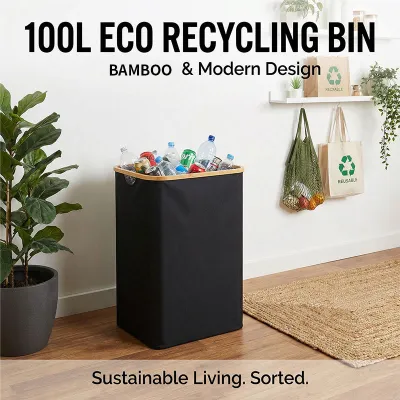
Prices are valid at publication and may change. Please refer to the product page for the latest price.
Corrugated cardboard and kraft paper are the primary materials used in sustainable shipping solutions. Corrugated cardboard features a layered construction consisting of a fluted paper medium sandwiched between flat inner and outer linerboards. This structure provides excellent cushioning and stacking strength. Kraft paper, made using the kraft chemical pulping process, is known for its high tensile strength and durability. When sourcing these materials, look for unbleached options. Bleaching paper requires harsh chemical agents, whereas unbleached kraft paper retains its natural brown color, uses fewer chemicals during production, and preserves the natural length and strength of the wood fibers.
Beyond the paper itself, the sustainability of a recycle box depends on the inks, adhesives, and coatings used in its construction. Traditional petroleum-based inks and plastic-laminated coatings can contaminate the recycling stream, making the carton difficult or impossible to repulp. Opt for cartons printed with non-toxic, soy-based or water-based inks, which break down easily during the recycling process. Additionally, ensure that any protective coatings applied to the box are water-based rather than plastic-based, allowing the entire package to be processed in standard paper recycling facilities.
Evaluating Sustainable Packaging Suppliers
When shortlisting local packaging suppliers in Singapore, operational compatibility is just as important as environmental credentials. One of the first practical constraints to evaluate is the Minimum Order Quantity (MOQ). Because warehousing space in Singapore is limited and commands a premium, small and medium enterprises (SMEs) often cannot store bulk shipments of flat-packed cartons. Look for suppliers that offer flexible inventory arrangements, such as low MOQs for standard sizes or tiered pricing structures that allow you to scale your orders as your business grows. Some local distributors also offer just-in-time delivery services, holding your bulk stock in their warehouses and delivering smaller batches as needed.

Customization capabilities and structural optimization are critical factors for minimizing material waste. A supplier that offers custom die-cut designs can help you create highly tailored packaging that fits your products precisely. This process, known as right-sizing, reduces the overall volume of the package, which in turn lowers shipping costs and minimizes the need for secondary void-fill materials like plastic bubble wrap or paper dunnage. Ask potential suppliers if they can design self-locking boxes that eliminate the need for plastic adhesive tape, further improving the recyclability of the final package.
Local warehousing and logistics efficiency within Singapore play a vital role in maintaining a stable supply chain. Sourcing from a supplier with a local physical inventory ensures shorter lead times, typically ranging from two to five business days, compared to importing directly from overseas. Local sourcing also significantly reduces the carbon footprint associated with transporting heavy, bulky paper products across long distances. When evaluating a supplier, inquire about their delivery fleet, lead times during peak seasonal periods, and their contingency plans for supply chain disruptions.
Sourcing Channels for Recycled Cartons in Singapore
Singapore offers several distinct procurement channels for businesses and individuals looking to source recycled carton boxes. Understanding the strengths and limitations of each channel will help you choose the most efficient route for your specific volume and customization requirements.
Local specialized packaging distributors are the most reliable channel for businesses seeking consistent, high-quality B2B solutions. These distributors typically focus on commercial packaging and offer a wide range of standard and custom-sized recycled cartons. They often have direct relationships with paper mills, allowing them to provide detailed technical specifications, material safety data sheets, and verified environmental certifications. Working with a specialized distributor is ideal if you require custom printing, specific structural designs, or ongoing supply contracts with dedicated account management.
For bulk purchasing of standard-sized recycled cartons at competitive rates, industrial and commercial packaging wholesale markets are highly effective. Located in industrial estates across Singapore—such as those in Ubi, Kaki Bukit, Jurong, and Defu Lane—these wholesalers stock large quantities of standard moving boxes, shipping cartons, and mailing boxes. While these suppliers may offer lower unit costs for bulk orders, they may have less detailed documentation regarding the exact percentage of recycled content in their products. If you choose this channel, it is important to ask the wholesaler directly about the origin of their paper stock and whether they can provide certification proof.
If you require small quantities or need to conduct low-volume testing, official enterprise stores on comprehensive e-commerce platforms offer a convenient alternative. Many local packaging distributors operate official storefronts on these online marketplaces, providing easy access to standard-sized recycled boxes with no minimum order requirements. This channel allows you to purchase small sample packs to evaluate the material quality before committing to a larger order. However, when shopping on e-commerce platforms, you must carefully verify the seller’s credentials, read customer reviews, and scrutinize product descriptions to ensure the boxes are genuinely made from recycled materials rather than standard virgin paperboard.
Verifying Eco-Friendly Claims and Certifications
Greenwashing is a common challenge in the packaging industry, with many products labeled as “eco-friendly,” “natural,” or “biodegradable” without any regulatory oversight or scientific backing. To ensure that the recycle box you purchase is truly sustainable, you must learn how to identify and verify internationally recognized forest and material certifications.
The Forest Stewardship Council (FSC) and the Programme for the Endorsement of Forest Certification (PEFC) are the two most prominent global certification bodies for sustainable forestry. When reviewing product specifications, look for specific FSC labels on the packaging. The “FSC Recycled” label guarantees that all the paper in the box comes from recycled or reclaimed sources. The “FSC Mix” label indicates that the product is made using a mixture of FSC-certified virgin fiber, recycled materials, and/or controlled wood. Understanding these distinctions prevents you from purchasing products that contain lower percentages of recycled content than expected.
In addition to forest certifications, look for clear recycled content labels that state the exact percentage of post-consumer recycled material. Reliable suppliers should be transparent about their material composition, providing specifications such as “made from 80% post-consumer recycled paper and 20% pre-consumer waste.” Avoid suppliers that use vague environmental terminology without providing supporting data or technical sheets.
To verify the safety and environmental impact of the manufacturing process, request Material Safety Data Sheets (MSDS) or third-party test reports from the supplier. These documents confirm that the adhesives, coatings, and inks used in the carton do not contain harmful volatile organic compounds (VOCs), heavy metals, or hazardous chemicals. This is particularly important if you are packaging items that require prolonged body contact, cosmetics, or food products, where chemical migration from the packaging material must be strictly prevented.
Optimizing Your Transition to Sustainable Packaging
Transitioning from traditional packaging to eco-friendly alternatives requires careful planning to ensure that your products remain protected during transit while minimizing your environmental footprint. Implementing a systematic transition strategy will help you avoid common pitfalls and maximize the benefits of your new packaging.
Start by implementing a right-sizing strategy to select the most form-fitting box dimensions for your product range. Measure your products accurately and work with your supplier to choose box sizes that minimize empty space inside the carton. Reducing void space not only lowers the amount of material needed to manufacture the box but also reduces the volume of protective dunnage required. Furthermore, smaller, lighter packages help optimize shipping efficiency, allowing logistics providers to fit more parcels into a single delivery vehicle, thereby reducing transport-related carbon emissions.
Before committing to a bulk purchase, always conduct physical sample testing to evaluate how the recycled cartons perform under real-world conditions. Recycled paper fibers are naturally shorter than virgin fibers, which can sometimes affect the structural strength of the box. Conduct drop tests from standard shipping heights, edge crush tests (ECT) to evaluate stacking strength, and moisture resistance checks. The latter is especially critical in Singapore’s highly humid tropical climate, as high humidity can soften paper fibers and reduce the load-bearing capacity of corrugated boxes during storage and transit.
Finally, establish a packaging recovery loop by printing clear, actionable recycling instructions directly onto the carton. Use simple, highly visible graphics to guide end consumers on how to dispose of the packaging properly—for example, instructing them to remove adhesive tape, flatten the box, and place it in the blue recycling bins found across Singapore’s residential estates. By encouraging proper disposal, you help ensure that the high-quality paper fibers in your carton are successfully recovered and returned to the recycling stream, completing the circular lifecycle of the material.
Frequently Asked Questions (FAQ)
Are recycled carton boxes as strong as virgin cardboard?
Recycled carton boxes can offer excellent structural integrity, but their strength depends on construction and material specifications rather than recycled content alone. During the recycling process, paper fibers are chopped and shortened, which can slightly reduce the tensile strength of the individual sheets compared to virgin wood pulp. However, packaging manufacturers compensate for this by adjusting the paper grammage (the weight and thickness of the paper) and optimizing the corrugated fluting structure.
For example, a double-wall corrugated box made from recycled paper can easily outperform a single-wall box made from virgin cardboard. When selecting a recycle box for heavy, fragile, or high-value goods, it is advisable to look at the Edge Crush Test (ECT) rating or the Bursting Test rating provided by the supplier. Conducting physical compression and drop tests with your specific product weight will help ensure the box can withstand the rigors of local courier handling and stacking in warehouses.
Can I print custom logos on eco-friendly carton boxes?
Yes, recycled carton boxes are highly receptive to custom printing, allowing you to maintain your brand identity while using sustainable packaging. Most recycled kraft paper surfaces have a natural, textured brown finish that provides an organic, eco-friendly aesthetic. It is important to note that because brown kraft paper absorbs ink differently than bleached white paper, printed colors may appear slightly more muted or darker than they would on a white background. If color accuracy is critical for your branding, you can work with your supplier to adjust the ink formulations or opt for a recycled box with a white outer liner.
To ensure the entire package remains fully recyclable, specify the use of soy-based or water-based inks for your custom printing. Traditional solvent-based inks contain volatile organic compounds (VOCs) and can leave chemical residues that complicate the paper repulping process. Water-based and soy-based alternatives release minimal emissions during printing and break down cleanly during recycling, ensuring your custom-branded packaging remains environmentally responsible from production to disposal.
Community discussion
Share your experience or ask a question. Comments are reviewed before publication.