
Finding the right snap button pliers in Singapore requires looking beyond brand names to evaluate physical construction, die compatibility, and material suitability. While global haberdashery brands and generic crafting tools are widely available across local sewing shops and online marketplaces, the value of any specific tool lies in its mechanical precision. A reliable plier set must deliver consistent, perpendicular pressure to prevent crushed resin or misaligned metal fasteners on your fabric. By focusing on structural specifications, handle ergonomics, and interchangeable die systems, you can select a tool that matches your specific sewing projects, whether you are crafting baby clothes from lightweight knits or assembling heavy canvas bags.
Key Specifications to Evaluate Across Brands
When comparing different snap button plier brands, the alignment of the jaw and the precision of the dies are the most critical factors to examine. If the upper and lower jaws do not meet perfectly parallel to one another, the pressure applied to the snap will be uneven. This misalignment often results in lopsided snaps, cracked plastic caps, or metal prongs that fail to crimp securely. Before purchasing, inspect the tool to ensure that the center of the die aligns precisely with the opposing plunger when the handles are fully compressed.
The ergonomics of the handle and the overall weight of the pliers directly impact your comfort during extended crafting sessions. Heavy, solid-metal pliers can cause hand fatigue if you are installing dozens of snaps on a single project, such as a utility jacket or a set of reusable diapers. Look for handles featuring non-slip rubberized or textured grips that provide secure leverage without requiring excessive physical force. A well-designed spring-return mechanism inside the pivot joint is also essential, as it automatically reopens the jaws after each press, reducing repetitive strain on your fingers and wrist.
Products mentioned in this guide
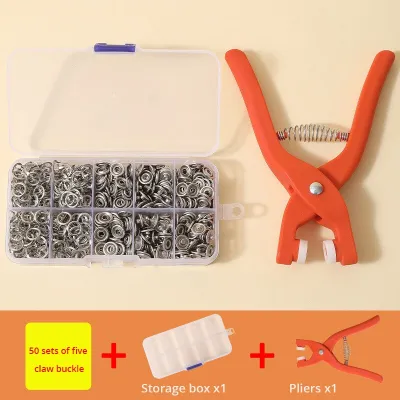
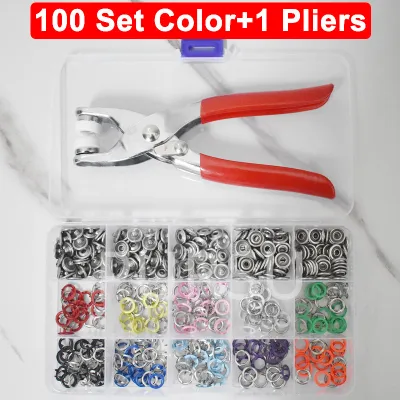
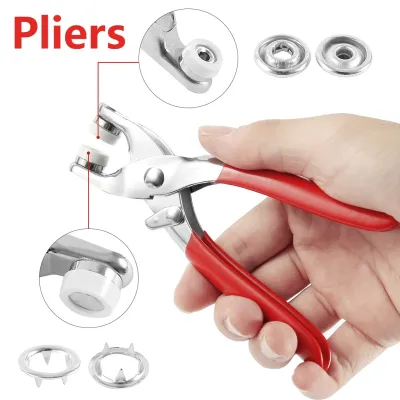
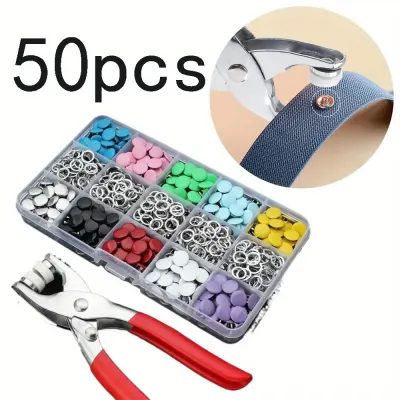
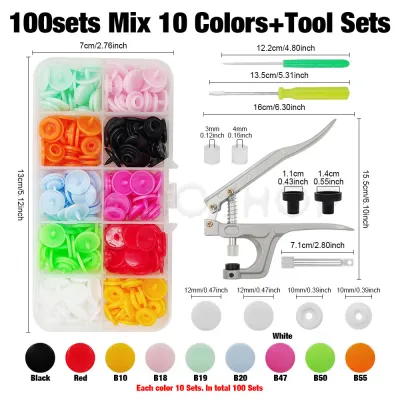
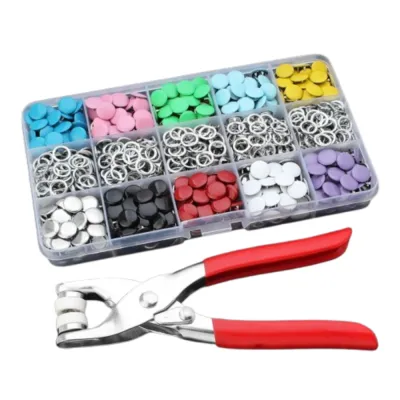
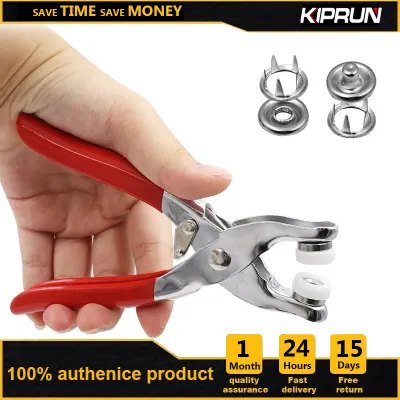
Prices are valid at publication and may change. Please refer to the product page for the latest price.
The durability of the tool depends heavily on its manufacturing materials. Pliers constructed from drop-forged carbon steel or reinforced aluminum alloys offer excellent resistance to bending under high pressure, which is particularly important when working with stubborn metal fasteners. In contrast, cheaper, unbranded tools made from thin sheet metal or low-grade alloys may flex or warp over time, permanently ruining the jaw alignment. Additionally, examine the pivot pin or bolt; a heavy-duty, threaded bolt is generally more durable and adjustable than a simple hollow rivet.
Finally, evaluate the completeness and versatility of the included mold and die sets. A high-value brand will supply multiple interchangeable dies to accommodate various snap sizes, along with a small screwdriver or hex key to facilitate quick changes. It is also wise to check if the manufacturer offers individual replacement parts, such as spare rubber cushions, alternative plunger tips, or extra dies. Choosing a brand with an established ecosystem of accessories ensures that you will not have to replace the entire tool if a single small component is lost or worn down.
Matching the Plier Type to Your Snap Materials
Different snap materials require vastly different levels of pressure and specialized die shapes to install correctly. Plastic or resin snaps, commonly used for baby garments, cloth diapers, and lightweight crafts, are relatively soft and require moderate, controlled pressure to mushroom the central prong. If you apply too much force or use a tool designed solely for heavy metal fasteners, you risk cracking the delicate plastic cap. Conversely, metal press studs, spring snaps, and heavy-duty rivets demand substantial, concentrated force to crimp the metal components together securely.

To accommodate these differences, many modern snap pliers feature interchangeable die systems. These systems allow you to swap out the plastic or metal cups that hold the snap cap in place, matching the specific diameter of the fastener, such as standard T3 (10mm), T5 (12mm), or T8 (15mm) sizes. Using a die that is too large for the snap will cause the fastener to slide around during compression, leading to off-center installation. Always verify that the plier brand you select includes the exact die sizes required for your planned projects, or that it is compatible with standard third-party dies.
Fabric thickness and density also play a major role in determining the type of pliers you need. When working with delicate or stretchy fabrics like jersey knit, excessive pressure from a heavy-duty tool can tear the fibers around the snap, causing the fastener to pull through the material after a few uses. For these materials, a lightweight plier combined with stabilizing interfacing is ideal. For dense, thick materials like denim, canvas, or leather, a standard hand plier may not provide enough leverage; in such cases, a heavy-duty bench-mounted press or a long-handled plier designed for metal fasteners is necessary to achieve a secure hold without damaging the fabric.
Sourcing and Verifying Brands in the Local Market
Sourcing reliable snap button pliers in Singapore involves a mix of physical inspection and careful online research. If possible, visit local haberdashery shops, traditional sewing supply stores in neighborhoods like Chinatown, or craft specialty retailers in central shopping districts. Physically handling the pliers allows you to test the weight, squeeze the handles to assess the spring tension, and visually inspect the jaw alignment. Many local shopkeepers are experienced crafters who can demonstrate the tool or allow you to try a floor model on a scrap piece of fabric before you commit to a purchase.
When shopping on online marketplaces, where physical inspection is not possible, you must rely on structured verification strategies. Filter product listings to focus on sellers with high ratings and read through verified buyer reviews, paying close attention to feedback regarding durability and ease of use. Look for reviews that include photos or videos of the completed snaps, as these provide clear evidence of how well the tool performs in real-world scenarios. Avoid listings with overly generic descriptions that fail to specify the exact materials, dimensions, and compatible snap sizes of the pliers.
Additionally, investigate the customer support and return policies associated with the brand or seller. A reputable manufacturer or authorized distributor will often provide a clear warranty against manufacturing defects, which is a strong indicator of build quality. Check if the online seller offers a straightforward return or exchange policy in case the pliers arrive with misaligned jaws or missing dies. Responsive customer service is invaluable, especially if you need to ask technical questions about die compatibility or source replacement parts in the future.
Decision Framework: Selecting Your Ideal Plier Setup
To select the ideal snap button plier setup for your sewing kit, evaluate your primary project types, material preferences, and usage frequency. If your work consists mostly of children’s wear, lightweight cotton clothing, or basic fabric crafts, a lightweight, dedicated resin snap plier is the most practical choice. These tools are typically constructed from aluminum or durable plastics, making them easy to handle, highly portable, and perfectly calibrated for the gentle pressure required to install plastic snaps without cracking them.
For those who frequently work with heavy outerwear, denim, canvas, or leather goods, a heavy-duty, adjustable metal plier is essential. These robust tools are designed to withstand the high compression forces needed to crimp metal press studs and rivets securely into dense fabrics. While they are heavier and may require more hand strength, their durable steel construction ensures they will not bend or lose alignment under pressure, providing a professional finish on rugged garments and accessories.
If your sewing projects span a wide range of materials and styles, look for a comprehensive multi-purpose kit that features interchangeable dies and adjustable pressure settings. This versatile setup allows you to transition smoothly from delicate plastic snaps on baby bibs to sturdy metal fasteners on canvas bags using a single hand tool. Before finalizing your purchase, double-check the product specifications to confirm that the kit includes the exact snap sizes (such as T3, T5, and T8) and materials you plan to use, ensuring complete compatibility with your haberdashery supplies.
Frequently Asked Questions (FAQ)
Can I use the same pliers for both resin and metal snaps?
While some multi-purpose snap pliers are designed with interchangeable dies to handle both materials, standard pliers are usually optimized for one or the other. Resin snaps require a soft rubber plunger and moderate pressure to secure the plastic post without cracking the cap. Metal snaps, on the other hand, require significantly more force and hard metal dies to crimp the metal prongs. Attempting to use a basic resin plier on metal snaps can bend the tool’s frame, while using a heavy-duty metal plier on resin snaps without adjusting the pressure will likely crush and ruin the plastic fasteners.
How do I fix a snap button that is not closing properly after pressing?
If a snap button fails to close or hold securely, first inspect the alignment of the installed components. A common cause is an off-center press, which occurs when the snap cap is not seated flat in the die during compression; if this is the case, you must remove the damaged snap and install a new one. Next, verify that the fabric thickness matches the prong length of your snap, as fabric that is too thick will prevent the prong from crimping fully, while fabric that is too thin may allow the snap to wobble. Finally, ensure you are using the correct die size for the snap and apply firm, even pressure to complete the crimp.
Community discussion
Share your experience or ask a question. Comments are reviewed before publication.