
Selecting the right Smartpac courier bag size is essential for protecting your products and managing your shipping budget. To find the perfect fit, you must look beyond the flat dimensions of the bag and calculate the actual three-dimensional volume of your items, including any protective wrapping. Choosing a bag that is too small risks seam rupture during transit, while an oversized bag can lead to shifting items and unnecessary bulk.
By understanding how flat dimensions translate to usable internal space, you can streamline your packaging workflow and ensure your shipments arrive safely. This guide breaks down the measurement process, matches common product types to the right bag sizes, and provides a step-by-step framework to optimize your shipping inventory.
Understanding Smartpac Bag Dimensions and Measurements
When browsing courier bags, the dimensions listed on the packaging or manufacturer website typically represent the external flat measurements. However, the actual usable space inside the bag is always smaller once you account for the sealing flap and the physical thickness of your product.
Products mentioned in this guide
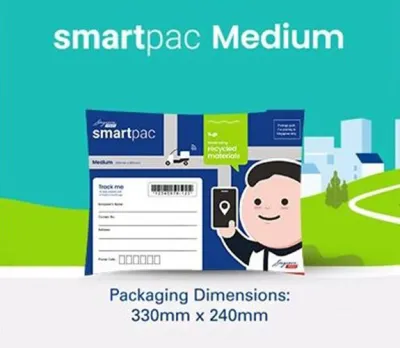
![*FREE SHIPPING* [CHOOSE OPTION] Singapore Post Smartpac Small Smartpac Medium Mini Lite 600g 1kg Singpost Smart pac Sing Post PolyM Poly M](https://img.lazcdn.com/g/p/ca35df7d5aaeef118422794879cc317a.jpg_400x400q80.jpg_.webp)
Prices are valid at publication and may change. Please refer to the product page for the latest price.
To determine the true capacity, you must factor in how the bag behaves when filled. As a flat bag expands to accommodate a three-dimensional object, its effective length and width decrease. If the bag features side gussets, these folds expand to provide extra depth, but they also pull the front and back panels closer together.
Accurately measuring your product is the first step toward a secure fit. Use a rigid ruler or calipers to measure the maximum length, width, and height of your item at its thickest points. If your product has an irregular shape, treat it as a rectangular box and measure the outermost boundaries to avoid underestimating the required space.
Always leave a safety margin of at least two to three centimeters along the opening and the sides. This extra space ensures that the self-adhesive sealing flap can fold over completely and bond securely without tension. Forcing a bulky item into a tight bag puts constant stress on the heat-sealed seams, which can easily split when handled by postal sorting machines.
Matching Bag Sizes to Common Product Types
Different product categories require distinct packaging approaches based on their flexibility and fragility. Flat, flexible items like documents, soft apparel, and slim phone cases are the easiest to fit because they conform naturally to the shape of the courier bag.

For documents and printed materials, select a size that allows the sheets to lie completely flat without bending the corners. Apparel items like t-shirts or socks can be folded tightly and compressed, allowing them to fit into relatively compact bags, though you must still ensure the material does not stretch the plastic to its breaking point.
Bulky, rigid, or fragile items present a different challenge. Products such as cosmetics, small electronics, and boxed goods cannot deform to fit the bag, meaning they require a larger size to accommodate their fixed corners. These items also require protective cushioning, such as bubble wrap or foam inserts, which significantly increases their overall dimensions.
Never rely solely on general product categories when purchasing your shipping supplies. A standard phone case in a minimalist paper sleeve requires far less space than a rugged, heavy-duty case packaged in a thick acrylic retail box. Always verify the exact physical dimensions of your specific inventory before committing to a specific bag size.
Step-by-Step Guide to Selecting Your Ideal Size
To avoid costly shipping mistakes and ensure a professional presentation, follow this systematic workflow to select the most efficient bag size for your e-commerce operations.
First, measure the maximum dimensions of your product after it has been fully prepared for shipping. This means wrapping the item in any planned bubble wrap, tissue paper, or cardboard sleeves before taking your final measurements. Calculate the total volume of this prepared bundle to understand the minimum space required.
Second, cross-reference your measurements with the manufacturer’s official size chart. Look for the internal usable dimensions rather than the external flat dimensions. If your prepared product’s measurements are close to the maximum limits of a specific bag size, always choose the next size up to maintain a safe buffer.
Third, conduct a physical packing test with a sample bag before purchasing in bulk. Place your wrapped product inside, seal the bag, and inspect the seams. The adhesive flap should lie completely flat against the body of the bag without wrinkles, and the plastic should not look strained or translucent at the edges.
Finally, consider implementing a multi-size inventory strategy rather than trying to force every order into a single bag size. Keeping two or three distinct sizes on hand allows you to optimize your packaging costs, reduce the need for excess void fill, and ensure that both single-item and multi-item orders are packaged securely.
Evaluating Secondary Specifications: Thickness and Material Features
While dimensions are the primary factor in your decision, secondary specifications like material thickness and opacity play a critical role in transit security and brand presentation. Courier bags are typically measured in microns, which directly correlates to their puncture resistance and load-bearing capacity.
For lightweight, soft items with no sharp edges, a standard thickness is usually sufficient. However, if you are shipping heavier items or products with sharp corners, such as boxed games or metal accessories, you should check the manufacturer’s specifications for high-durability options. Thicker materials prevent sharp edges from piercing the plastic during transit.
Opacity is another vital feature to verify, especially for high-value or personal items. High-quality courier bags feature a dark inner lining or a multi-layer co-extruded plastic construction that prevents light from passing through, ensuring the contents remain completely private. Additionally, look for waterproof or water-resistant labels to protect your products from tropical downpours and humid warehouse conditions.
On the other hand, aesthetic features like surface print patterns, custom logos, or bright colors have minimal impact on the physical security of your shipment. While custom branding can enhance the unboxing experience, prioritize structural integrity, thickness, and reliable adhesive seals over visual design when selecting your primary shipping materials.
Frequently Asked Questions (FAQ)
Can I use a larger Smartpac bag for smaller items to save packing time?
Using an oversized courier bag for small items is generally not recommended because it introduces several transit risks. When a small, heavy item is placed in a large, empty bag, it can shift violently during sorting and transport, leading to internal damage or surface abrasion.
Furthermore, excess loose plastic can get caught in automated conveyor belts or sorting machinery, increasing the risk of the bag tearing open. If you must use a larger bag, fold the excess material over tightly and secure it with packing tape to create a snug fit around the product.
How do I determine the right bag thickness for my products?
To find the right thickness, start by reviewing the manufacturer’s weight capacity guidelines and material specifications, which are often listed in microns or mils. Heavier items require thicker plastic to prevent the bottom of the bag from stretching or tearing under gravity.
If your products have sharp corners, rigid edges, or protruding parts, opt for a higher-thickness bag to resist punctures. For soft, lightweight goods like clothing, a standard-thickness bag is perfectly adequate and helps keep your packaging costs and shipping weight to a minimum.
Community discussion
Share your experience or ask a question. Comments are reviewed before publication.