
Selecting the correct bubble wrap size is the difference between an item arriving in pristine condition or in pieces. To protect your goods during transit, you must match the bubble diameter and film thickness to the specific weight, shape, and fragility of your items. Using the wrong size can lead to compressed air pockets, punctured plastic, or shifting items that damage each other inside the shipping box.
For a quick decision, follow these condition-based rules:
- Small bubbles (typically 6mm to 10mm in diameter) are best for lightweight items, delicate electronics, and preventing surface scratches.
- Medium bubbles (typically 12.7mm to 20mm in diameter) serve as a versatile, general-purpose cushion for glassware, ceramics, and standard household goods.
- Large bubbles (typically 25mm to 32mm in diameter) are designed for heavy items, large appliances, furniture edges, and filling empty spaces (void fill) inside shipping cartons.
Understanding Bubble Sizes and Film Thickness
The protective capability of bubble wrap relies on the physics of trapped air. The diameter of the bubble directly determines the height of the air pocket. A larger diameter means a taller bubble, which translates to a deeper deceleration zone when a package experiences a drop or sudden impact. When an external force is applied, the air inside the sealed polyethylene pocket compresses, absorbing and dissipating the kinetic energy before it can reach the enclosed item.
Products mentioned in this guide
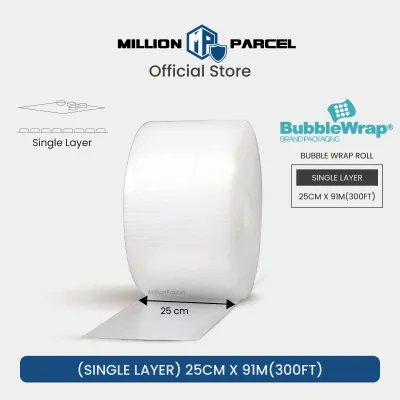
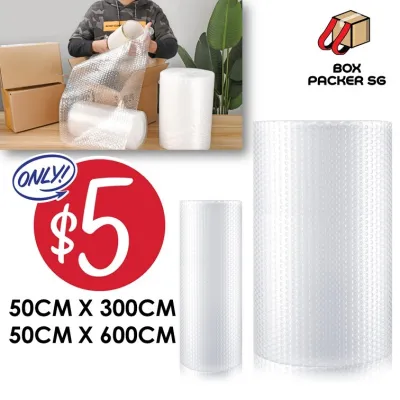
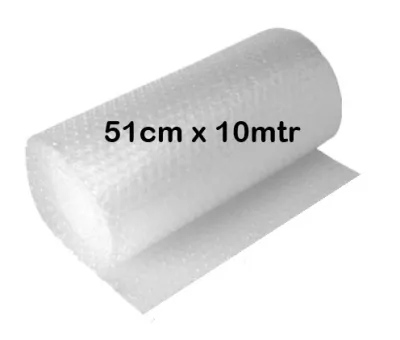
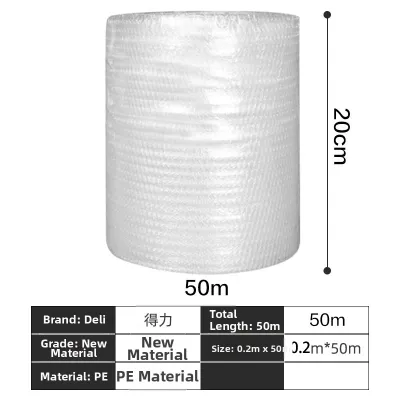
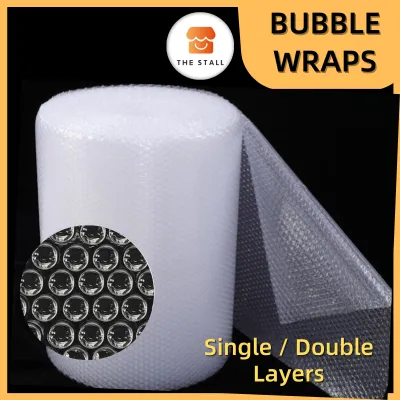
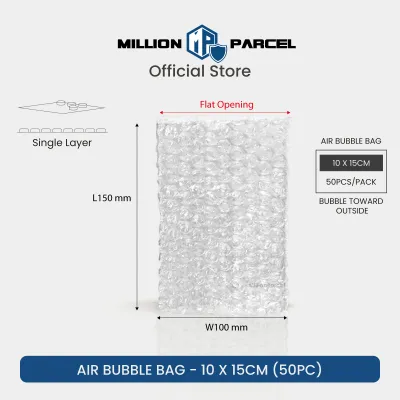
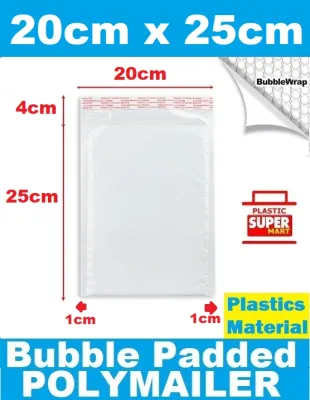
Prices are valid at publication and may change. Please refer to the product page for the latest price.
Air volume alone does not guarantee protection; the plastic film itself plays a critical role. Typically made from low-density polyethylene (LDPE), film thickness is measured in microns or mils on product labels. A thin, standard-grade film (around 40 microns) with large bubbles can pop easily under concentrated pressure, whereas a heavy-duty film (70 microns or more) provides robust puncture resistance. When selecting packaging materials, always verify both the bubble diameter and the film thickness to ensure the wrap can withstand the weight of your item.
Surface contact area is another key physical difference between bubble sizes. Small bubbles provide a high density of support points per square centimeter, distributing the item’s weight evenly across a massive number of tiny air cushions. This minimizes localized pressure points, making it ideal for delicate surfaces. In contrast, large bubbles concentrate the item’s weight on fewer, larger contact areas, which is highly effective for broad, flat items but unsuitable for intricate, fragile structures.
Small Bubble Wrap: Best Uses and Limitations
Small bubble wrap is the go-to solution for protecting lightweight, compact, or surface-sensitive items. It is commonly used for packing small electronics, cosmetics, jewelry, books, and polished metal or wooden items. Because the bubbles are small, the wrap is highly flexible, allowing it to conform tightly to complex geometries without leaving large, unprotected gaps.

This high flexibility makes small bubbles exceptionally easy to wrap around sharp corners, handles, and intricate details. For example, when packing a small ceramic figurine, small bubble wrap can be molded into the crevices and secured tightly, ensuring every delicate protrusion is cushioned. Additionally, because it is thin and compact, small bubble wrap is highly space-efficient, making it ideal for storage in space-constrained apartments in Singapore.
However, small bubble wrap has distinct physical limitations. Because each bubble contains a small volume of air, the pockets compress rapidly under heavy loads. If you wrap a heavy item, such as a cast-iron skillet or a heavy stack of books, in small bubble wrap, the weight will flatten the bubbles completely, leaving virtually zero shock absorption. Furthermore, small bubbles fail to protect against deep impacts or drops from significant heights because the deceleration zone is too shallow to absorb high-impact energy.
Medium Bubble Wrap: Best Uses and Limitations
Medium bubble wrap serves as a versatile middle ground for everyday fragile goods and standard shipping needs. It is the standard choice for residential moves, office relocations, and e-commerce fulfillment. Ideal applications include glassware, porcelain plates, medium-sized toys, collectables, and standard household items that require reliable protection without excessive bulk.
This size offers a practical compromise between surface conformity and deep shock absorption. It provides more cushioning depth than small bubbles while retaining enough flexibility to wrap around moderately curved objects, such as bowls, vases, and small kitchen appliances. This versatility makes it highly efficient for packing mixed boxes where items vary slightly in shape and weight, reducing the need to purchase multiple different rolls of wrap.
Despite its versatility, medium bubble wrap is not a universal solution. It lacks the extreme flexibility needed for very tiny, intricate items like delicate jewelry, where it can create stiff folds that allow the item to slip. On the other end of the spectrum, medium bubbles do not have the high-volume displacement required to fill large empty spaces in oversized shipping cartons. For heavy appliances or bulky furniture, medium bubbles can still bottom out under sustained pressure, risking damage during transit.
Large Bubble Wrap: Best Uses and Limitations
Large bubble wrap is designed for heavy-duty protection and void filling. It is the primary choice for packing heavy kitchen appliances, automotive parts, large framed artwork, and furniture edges. The substantial air volume in each bubble acts as a heavy-duty shock absorber, making it highly effective at protecting items that are prone to denting or cracking under heavy impact.
When a heavy box is dropped during transit, these large pockets compress slowly, absorbing and dissipating the kinetic energy before it reaches the item. This makes large bubble wrap excellent for lining the bottom and sides of shipping boxes to create a protective barrier. It also functions as an efficient void-fill material, filling large empty spaces quickly to prevent items from shifting and gaining damaging momentum inside the box.
However, large bubble wrap is bulky and stiff, which limits its usability. Trying to wrap a small, delicate item like a wine glass stem with large bubbles is highly ineffective; the stiffness of the wrap prevents it from conforming to the stem, leaving large, unprotected gaps where the glass can easily crack. Additionally, if a sharp object punctures a single large bubble, a significant portion of the protective barrier is lost instantly, making it vulnerable to sharp protrusions unless paired with a puncture-resistant outer layer.
How to Match Bubble Wrap to Your Items
To ensure your items survive transit, use the following decision matrix to pair specific item categories with the correct bubble size and layering strategy:
| Item Category | Weight & Fragility Profile | Recommended Bubble Size | Layering & Application Strategy |
|---|---|---|---|
| Delicate Electronics | Lightweight (<1 kg), highly sensitive to static and scratches | Small (6mm – 10mm) | Wrap 2 to 3 times tightly; use anti-static wrap if available; secure with low-tack tape. |
| Glassware & Ceramics | Medium weight (1-5 kg), highly fragile, prone to shattering | Medium (12.7mm – 20mm) | Wrap individual items 2 times; pack plates vertically; use corrugated dividers between items. |
| Heavy Appliances | Heavy (>5 kg), durable but sensitive to drops and dents | Large (25mm – 32mm) | Wrap corners and edges 3 times; fill all empty box spaces completely to prevent shifting. |
| Polished Wood & Art | Variable weight, highly sensitive to surface impressions | Small (6mm – 10mm) | Wrap with the smooth side facing the item; add an outer layer of cardboard for structural rigidity. |
| Documents & Books | Heavy in bundles, low fragility, corner-damage prone | Small (6mm – 10mm) | Wrap corners tightly; use snug-fitting boxes to prevent sliding and edge crumpling. |
When planning your packaging, apply these simple decision rules:
- Choose Small if the item is under 1 kg, has intricate details, or requires protection primarily against surface scratches, dust, and minor abrasions.
- Choose Medium if the item weighs between 1 kg and 5 kg, has a relatively simple shape, and requires a balance of impact protection and neat wrapping.
- Choose Large if the item weighs over 5 kg, has broad flat surfaces, or if you need to fill empty spaces inside a shipping carton to prevent movement.
- Verify first if the item has sharp protrusions. If so, wrap those sharp points in heavy-duty packing paper or cardboard edge protectors first to prevent them from puncturing the bubble wrap.
Your choice should also adapt to the expected transit conditions and outer box rigidity. If a package is traveling long distances through multiple automated sorting facilities, it will experience more drops and vibrations. In Singapore’s warm and humid climate, low-quality adhesives on cheap tapes can degrade, and thin plastic films can stretch or deform more easily under sustained tension. Therefore, verifying the micron rating on the packaging label and using high-quality packing tape is essential for long-distance transit.
Wrapping and Securing Techniques for Transit
Proper application is just as important as choosing the right bubble size. The classic question is which way the bubbles should face. For almost all standard applications, the bubbles should face inward, toward the item. This allows the individual air pockets to cradle the object and conform to its shape, while the smooth outer plastic film resists friction and sliding inside the box.
However, there is an exception to this rule. For items with highly sensitive, polished finishes, such as fresh lacquer, delicate paintings, or soft plastics, the concentrated pressure of the bubbles can leave circular marks over time. This is especially true in warm, humid climates where the plastic can slightly cling to the surface. In these cases, wrap the item in acid-free packing paper first, then apply the bubble wrap with the bubbles facing inward.
When securing the wrap, use high-quality packaging tape to seal the seams. Avoid wrapping the tape too tightly around the bubble wrap, as excessive tension will compress and pop the air bubbles, destroying their protective capability. Secure only the loose ends and seams to maintain the integrity of the air pockets. For high-value or highly fragile shipments, combine bubble wrap with corrugated cardboard dividers to keep items separated, foam edge protectors for sharp corners, and crumpled packing paper to fill any remaining micro-voids.
Frequently Asked Questions (FAQ)
Can I use large bubble wrap for small, fragile items?
No, using large bubble wrap for small, delicate items is generally ineffective. The large, stiff bubbles cannot conform tightly to small curves or intricate details, leaving large air gaps where the item can slip or rub against other objects. For small items, use small or medium bubble wrap to ensure a snug, form-fitting protective layer that keeps the item completely stationary.
Does the thickness of the plastic film matter as much as the bubble size?
Yes, film thickness is just as critical as bubble size. While bubble size determines the depth of the cushioning, the thickness of the plastic film (measured in microns or mils) determines the wrap’s resistance to punctures, tears, and popping under heavy loads. For heavy or sharp items, always verify the product specifications and choose a heavy-duty film thickness to prevent the bubbles from deflating during transit.
How many layers of bubble wrap do I need for shipping?
The number of layers depends on the item’s fragility and weight. For basic scratch protection on durable items, a single layer is sufficient. For standard fragile items like glassware or ceramics, use two to three layers of medium bubble wrap. For extremely fragile, high-value, or heavy items, wrap the object in three or more layers of bubble wrap and ensure there is at least 5 cm of cushioning space between the item and the walls of the shipping box.

Community discussion
Share your experience or ask a question. Comments are reviewed before publication.