
Quick Answer: Small vs Large Bubble Wrap
When preparing items for shipping, storage, or relocation, selecting the right bubble pack is essential to ensure your valuables arrive intact. There is no single style of protective wrap that excels in every scenario. Instead, the correct choice depends entirely on the weight, physical dimensions, and fragility of the object you are packaging.
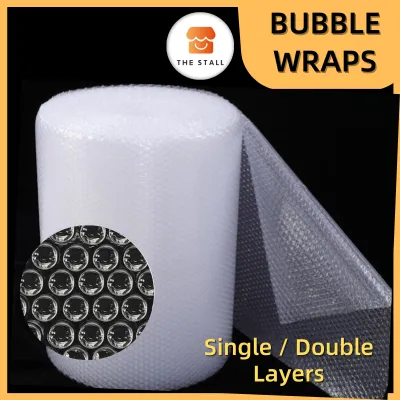
Small bubble wrap is the optimal choice for surface protection, preventing scratches, and wrapping lightweight, delicate items tightly. Because the bubbles are small and densely packed, they conform easily to complex shapes and shield sensitive finishes from abrasion.
Large bubble wrap excels at absorbing heavy impacts, cushioning bulky or heavy objects, and filling large empty spaces inside shipping boxes. The higher air volume in each bubble provides a deeper cushion that prevents heavy items from bottoming out when subjected to drops or rough handling during transit.
Products mentioned in this guide
![[SG READY STOCK] 50pcs Air Bubble Bag | Bubble Mailer | Bubble Polymailer | Bubble Envelop | Bubble Wrap Packaging](https://img.lazcdn.com/g/p/baf972f2e9530e01a7280216fe3c003d.jpg_400x400q80.jpg_.webp)
Prices are valid at publication and may change. Please refer to the product page for the latest price.
Matching the bubble size to your specific packaging needs prevents unnecessary damage, reduces packaging waste, and keeps shipping dimensions efficient. The following sections break down the physical mechanics, specific use cases, and professional packing techniques to help you make the right choice for your inventory.
How Bubble Size Dictates Protection and Cushioning
To understand why different bubble sizes suit different items, it helps to look at the physical mechanics of cushioning. When a package is handled by local couriers or international freight services, it experiences constant vibrations, sudden shifts, and occasional drops. Protective packaging works by absorbing and distributing this kinetic energy before it reaches the item inside.

Air volume and bubble density are the two primary factors that dictate how a bubble pack distributes force. Small bubbles—typically measuring around 6mm in diameter and 3mm in height—are distributed at a very high density across the plastic film. This dense network creates a firm, consistent barrier. When an item is wrapped in small bubbles, the force of any external pressure is distributed across dozens of tiny air pockets simultaneously. This high surface contact prevents localized pressure points, making it highly effective at preventing surface scratches and minor scuffs.
Large bubbles—typically measuring 10mm to 25mm or more in diameter—contain a significantly larger volume of air per pocket. This increased volume allows for greater compression distance. When a heavy object experiences a hard impact, it requires a longer deceleration path to minimize the shock. Large bubbles compress deeply, absorbing the high kinetic energy of a heavy item before the plastic film completely flattens. If you were to use small bubbles for a heavy item, the weight of the object would easily pop or completely compress the tiny air pockets upon impact, transferring the shock directly to the item.
Because specifications, polymer density, and bubble height vary between manufacturers, always check the product labels for exact dimensions and material grades. Some heavy-duty bubble packs feature barrier-resistant layers that retain air longer under constant pressure, which is a critical consideration for long-distance transport or long-term storage.
When Small Bubble Wrap is the Better Choice
Small bubble wrap is highly versatile and serves as the primary line of defense for a wide variety of delicate, lightweight items. Its physical design makes it uniquely suited for specific packaging challenges where precision and close conformity are required.
Surface Protection and Scratch Prevention
Polished, painted, or glazed surfaces are highly susceptible to micro-scratches caused by friction during transit. Small bubble wrap acts as an excellent barrier against this abrasion. It is the ideal choice for wrapping delicate glassware, fine ceramic tableware, polished metal items, and small electronics like tablets or smartphones. The dense bubble pattern ensures that no part of the item’s surface rubs directly against the outer cardboard box or other packaged goods.
Tight Conformity to Irregular Shapes
Wrapping complex or irregular shapes requires a flexible material that can bend easily without creating large, stiff folds. Small bubble wrap conforms snugly to tight curves, handles, and intricate details. For example, if you are packing collectible figurines, luxury fountain pens, glass inkwells, or delicate hand-crafted stationery items, small bubbles wrap tightly around the contours. This close fit prevents the wrapping from slipping off during handling and ensures every angle is consistently shielded.
Lightweight Item Cushioning
Items that weigh very little do not generate high kinetic energy when a package is dropped. Consequently, they do not require deep compression cushioning. Small bubble wrap provides more than enough shock absorption for lightweight items, such as plastic cosmetics containers, jewelry boxes, small wooden crafts, and packaged office supplies. Using larger bubbles for these items is unnecessary and often impractical.
Space and Volumetric Efficiency
In modern logistics, shipping costs are frequently calculated based on volumetric weight rather than actual weight. Small bubble wrap adds very little bulk to your packages, allowing you to use smaller outer boxes. This space efficiency is highly beneficial when packing multiple small items together in a single carton or when trying to minimize overall package dimensions to fit within standard courier pricing tiers. Furthermore, for businesses or individuals with limited storage space, rolls of small bubble wrap are significantly more compact and easier to store than their large-bubble counterparts.
When Large Bubble Wrap is the Better Choice
While small bubble wrap is excellent for detail work, large bubble wrap is indispensable when dealing with high-impact forces, heavy loads, and empty spaces within shipping containers.
Heavy Impact Absorption
Heavy objects carry substantial momentum. If a box containing a heavy item is dropped, the packaging material must be robust enough to cushion the fall without bottoming out. Large bubble wrap, with its substantial air pockets, provides the necessary deceleration zone. It is essential for protecting items like desktop computer towers, heavy kitchen appliances, mechanical tools, and large ceramic or stoneware pots. The deep air cushions compress under the heavy load, absorbing the brunt of the impact and keeping the item safe.
Bulky and Large Items
When wrapping oversized items, small bubble wrap can be tedious to apply and often requires excessive layering to achieve adequate protection. Large bubble wrap allows you to cover large surface areas quickly and efficiently. It is highly suited for wrapping furniture legs, large framed artwork, computer monitors, and bulky office equipment. The larger structure of the bubbles provides a substantial physical buffer around these wide surfaces.
Void Filling
If your shipping box is larger than the item inside, any empty space allows the item to shift during transit. Shifting is one of the leading causes of product damage during shipping. Large bubble wrap is an incredibly efficient void filler. Because of its volume, a small length of large bubble wrap can fill a significant amount of empty space inside a carton, locking the item securely in the center of the box. Using small bubble wrap for void filling is highly inefficient, requiring many meters of material to achieve the same volume.
Edge and Corner Protection
The corners and edges of heavy objects are highly vulnerable to damage, as they concentrate impact forces into a small area. When a box is dropped on its corner, a thin layer of packaging will easily fail. Large bubble wrap provides a thick, resilient cushion that wraps over sharp edges and corners, preventing them from punching through the outer shipping box or crushing under pressure.
Small vs Large Bubble Wrap: Feature Comparison
To help you quickly evaluate your packaging needs, the table below outlines the key differences between small and large bubble wrap based on their physical characteristics and performance.
| Feature | Small Bubble Wrap | Large Bubble Wrap |
|---|---|---|
| Typical Bubble Diameter | 6mm to 10mm (verify on product label) | 15mm to 25mm+ (verify on product label) |
| Primary Protection Focus | Surface protection & scratch prevention | Impact absorption & cushioning |
| Ideal Item Weight | Lightweight to medium items | Heavy, bulky, or dense items |
| Space Efficiency | High (minimizes package bulk) | Low (adds significant volume) |
| Conformity to Shapes | Excellent (highly flexible) | Moderate (stiffer, best for flat/broad curves) |
| Void Filling Capability | Low (requires excessive material) | High (fills large spaces quickly) |
| Best Use Cases | Glassware, ceramics, electronics, stationery | Appliances, furniture, heavy tools, large frames |
Using this comparison table allows you to perform a quick audit of your current packaging inventory. If your shipping routine involves a mix of delicate stationery, lightweight electronics, and heavy household goods, maintaining a supply of both bubble sizes ensures you are never forced to compromise on protection or waste material unnecessarily.
Packing Techniques to Maximize Bubble Wrap Protection
Even the highest quality bubble pack will fail to protect your items if applied incorrectly. Following systematic, low-risk packaging steps ensures that the material performs as intended.
Wrapping Direction
The standard professional practice is to wrap items with the bubbles facing inward, directly against the object. This orientation serves multiple purposes: the individual bubbles grip the item to prevent slipping, and the air pockets cushion the object’s surface directly. The smooth backing film remains on the outside, presenting a clean surface that is easy to tape and slide into boxes. However, there is a notable exception: if you are wrapping an item with a highly sensitive, soft finish (such as uncured paint, delicate lacquer, or soft plastics) that could easily take on circular imprints under pressure, wrap the item with the smooth side inward and the bubbles outward, ensuring the wrap is secured tightly so it does not rub against the surface.
Layering Strategy
Do not rely on a single layer of wrap for fragile items. For delicate glassware or ceramics wrapped in small bubble wrap, apply at least two to three complete layers. When using large bubble wrap for heavy items, ensure at least two full layers wrap around the entire object, paying special attention to corners and protrusions. If you are shipping highly fragile items locally or internationally, performing a quick manual verification check—such as gently squeezing the wrapped item to ensure no hard edges can be felt through the packaging—is an excellent way to confirm adequate layering.
Securing the Wrap
Use high-quality packaging tape to secure the bubble wrap in place. Apply the tape directly to the flat backing film of the wrap rather than over the bubbles themselves, as excessive tape tension can compress or pop the air pockets, reducing their protective capacity. Avoid pulling the tape so tightly that it distorts the shape of the bubbles; the wrap should remain plump and resilient.
Box Selection and Integrity
Bubble wrap is designed to work in tandem with a strong outer container, not to replace it. Always select a rigid, undamaged corrugated cardboard box. For heavier items, double-walled cardboard boxes are highly recommended. Ensure there is at least 5cm of space between the wrapped item and the inner walls of the box. Fill this perimeter space entirely with bubble wrap or other void-fill materials so that the item cannot move when the box is shaken. If the outer box is weak or too small, external forces will compress the bubble wrap completely, bypassing its protective air pockets entirely.
Decision Framework: Selecting the Right Bubble Pack
When choosing your next roll of bubble pack, use this structured framework to guide your decision based on your specific items and shipping conditions.
- Choose Small Bubble Wrap if:
- You are packing lightweight, fragile items like glassware, porcelain, or small electronics.
- The items have polished or delicate surfaces prone to scratching.
- The objects have highly irregular, complex, or intricate shapes that require a tight, conforming wrap.
- You need to minimize package volume to keep courier shipping costs low.
- Your home or office storage space for packaging materials is highly limited.
- Choose Large Bubble Wrap if:
- You are shipping heavy, dense, or bulky items like home appliances, monitors, or heavy tools.
- The primary risk to your item is heavy impact from drops or stacking during transit.
- You need to fill large empty spaces inside a shipping box to prevent movement.
- You need robust padding to protect sharp corners and heavy edges from crushing.
- Combine Both if:
- You are shipping a heavy, highly fragile item (such as a large ceramic vase or a heavy glass ornament). In this scenario, wrap the item in small bubble wrap first to protect the surface and conform to its shape, then apply an outer layer of large bubble wrap to absorb heavy shocks and fill the box voids.
- Verify First if:
- You are shipping highly sensitive electronics, precision calibration instruments, or hazardous materials. Always check the manufacturer's specific packaging guidelines and carrier requirements, as these specialized items may require anti-static bubble wraps or certified container specifications.
Frequently Asked Questions (FAQ)
Should the bubble side face in or out when wrapping items?
For almost all standard packaging applications, the bubble side should face inward, directly against the surface of the item. This configuration allows the individual air pockets to cradle and grip the item, preventing it from shifting within the wrap while providing direct shock absorption. The smooth side faces outward, making it easier to tape securely and slide into the shipping box. The only exception is when wrapping items with highly delicate, soft finishes that are prone to taking on circular imprints under pressure; in those specific cases, wrapping with the smooth side inward is preferred.
Can I combine small and large bubble wrap for extra protection?
Yes, combining both bubble sizes is an excellent packaging strategy, particularly for heavy, highly fragile items that require both surface scratch protection and high-impact cushioning. To do this correctly, apply a snug layer of small bubble wrap directly to the item first to protect its surface and conform to its shape. Once secured, wrap a second layer of large bubble wrap around the outside. This dual-layer approach provides a comprehensive shield, utilizing the small bubbles to prevent surface wear and the large bubbles to absorb heavy shocks and fill empty space in the shipping box.

Community discussion
Share your experience or ask a question. Comments are reviewed before publication.