
Quick Answer: How to Choose the Right Wrapping Bubble
Selecting the ideal wrapping bubble is a critical decision that directly impacts whether your fragile belongings survive transit or arrive damaged. The choice between small and large bubble wrap depends primarily on the item’s weight, fragility level, and surface sensitivity.
Choose small bubble wrap if:
- You are packing lightweight, delicate items such as small glassware, porcelain figurines, or cosmetics.
- You need to protect highly sensitive surfaces from scratches, including electronics screens, polished wood, or painted metals.
- Your items have intricate shapes, sharp corners, or tight contours that require a flexible material to wrap snugly without leaving gaps.
Choose large bubble wrap if:
Products mentioned in this guide
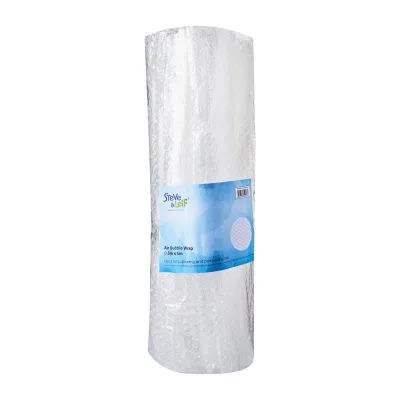
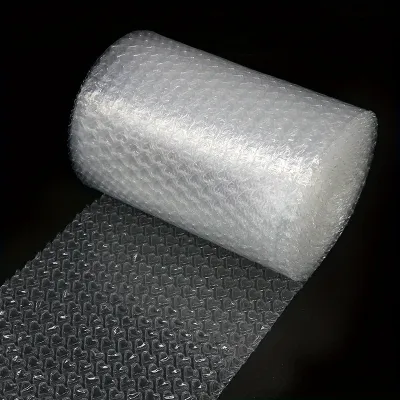
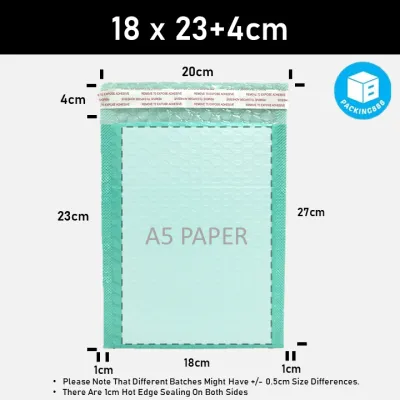
![[READY STOCK] High Quality Bubble Wrap Polymailer (10 pcs set)](https://img.lazcdn.com/g/p/ad3c04834d40aae7df9160229831003f.jpg_400x400q80.jpg_.webp)
![[Not Sold Separately]Simplus Bubble Wrapping for Parcel](https://img.lazcdn.com/g/p/d7767a35e699e6a15af50c1c2fd0aef2.jpg_400x400q80.jpg_.webp)
Prices are valid at publication and may change. Please refer to the product page for the latest price.
- You are packing heavy, bulky, or high-mass items such as small household appliances, heavy tools, or furniture components.
- You need to fill empty spaces and large voids inside shipping boxes to prevent items from shifting during transit.
- Your items are highly fragile and require deep shock absorption to survive rough handling or significant drops.
By matching the bubble size to your specific packaging needs, you ensure optimal protection while minimizing material waste and shipping costs.
Core Differences: Cushioning Depth vs Surface Protection
Understanding the physical and mechanical differences between bubble sizes is essential for making an informed packaging decision. While all bubble wrap is manufactured from low-density polyethylene (LDPE) plastic, the size of the air pockets alters how the material behaves under stress, how it distributes weight, and how it interacts with different surfaces.

Cushioning Depth and Shock Absorption
The primary functional difference between small and large bubble sizes lies in the volume of air trapped within each pocket, which directly dictates the cushioning depth. Large bubbles—typically measuring 25mm in diameter and 10mm or more in height—contain a substantial volume of air. This large volume creates a thick, highly springy physical barrier. When a packaged item experiences a sudden drop or heavy impact, the large bubbles compress slowly, absorbing and dissipating the kinetic energy over a longer deceleration distance. This deep shock absorption is vital for heavy items that exert high force upon impact.
In contrast, small bubbles—usually measuring 10mm in diameter and 4mm in height—contain much less air per pocket. However, they feature a significantly higher density of bubbles per square metre. This dense configuration provides a firm, highly consistent support layer. Rather than absorbing deep, heavy impacts, small bubbles excel at distributing the weight of lightweight items evenly across hundreds of tiny air cushions. If a heavy object is wrapped in small bubbles, the concentrated weight will easily exceed the load-bearing capacity of the tiny pockets, causing them to “bottom out” or pop, leaving the item vulnerable to direct impact against the outer box.
Surface Contact and Scratch Prevention
Another critical distinction is how the bubble size interacts with the surface finish of the wrapped item. Small bubble wrap presents a relatively flat, uniform, and dense profile when wrapped around an object. This high-density contact pattern minimizes movement and friction between the plastic and the item’s surface, making it an excellent shield against abrasions, micro-scratches, and scuffing during transit.
Large bubble wrap, by virtue of its larger and more spaced-out domes, has a much more uneven contact surface. The item rests on pronounced, isolated points of pressure rather than a continuous flat plane. Under heavy stacking pressure, or when exposed to high temperatures and humidity—common conditions in Singapore’s tropical climate and non-air-conditioned transit vans—these localized pressure points can leave circular imprints or “bubble marks” on sensitive finishes. Highly polished wood, glossy plastics, leather, and delicate lacquerware are particularly susceptible to this type of cosmetic damage if wrapped directly in large bubbles for extended periods.
When to Choose Small Bubble Wrap
Small bubble wrap is the workhorse of everyday packaging, offering unmatched versatility for items that require close-fitting protection rather than heavy-duty shock absorption.
Choose small bubble wrap if your packaging task involves the following scenarios:
- Wrapping Lightweight and Fragile Items: Objects weighing under 1.5 kg generally do not exert enough force to deflate or bottom out small air pockets. Items such as delicate wine glasses, ceramic mugs, small porcelain ornaments, cosmetics jars, and collectible figurines benefit immensely from the close-fitting, gentle support of small bubbles. The high density of the bubbles ensures that every delicate protrusion is cushioned.
- Protecting Surface-Sensitive and High-Value Finishes: If your primary concern is preventing scratches, scuffs, or fingerprint marks on pristine surfaces, small bubble wrap is the correct choice. It is ideal for wrapping flat-screen electronics, tablets, smartphones, glossy photo prints, polished metal stationery, and lacquered decorative items. The uniform surface of the small bubbles prevents localized pressure points from marring the finish.
- Wrapping Intricate Shapes and Sharp Corners: Small bubbles are highly flexible and conform easily to complex geometries. Objects with tight curves, handles, or sharp angles—such as silver cutlery, intricate stationery tools, or small sculptures—can be wrapped tightly without leaving loose pockets of air. This tight wrap prevents the item from sliding within its protective sleeve, reducing the risk of friction damage.
- Conserving Packaging Space in Small Parcels: When shipping items in compact boxes or padded mailers, space is at a premium. Small bubble wrap provides excellent surface protection without adding excessive bulk. This allows you to use smaller outer boxes, which helps keep shipping dimensions tight and reduces domestic courier costs.
When to Choose Large Bubble Wrap
Large bubble wrap is engineered for heavy-duty protection, acting as a robust physical shield for items that are heavy, highly fragile, or shipped in oversized boxes.
Choose large bubble wrap if your packaging task involves the following scenarios:
- Packing Heavy, Bulky, or High-Mass Items: Items exceeding 2 kg to 3 kg require a substantial air barrier to prevent them from crashing through the packaging material during sudden drops. Small household appliances like coffee makers, blenders, toaster ovens, auto parts, and heavy metal tools exert significant kinetic force when shifted. The deep cushioning of large bubbles absorbs this energy, preventing the item from making contact with the hard outer walls of the shipping box.
- Filling Large Voids and Empty Spaces: When shipping an item in a standard cardboard box, any remaining empty space allows the item to shift, slide, and gain momentum during transit, which is a leading cause of damage. Large bubble wrap is an exceptional void filler. Because of its bulk, a few layers can quickly fill large empty spaces in a box, locking the item securely in the center. It occupies significant volume without adding measurable weight, keeping your shipping costs low.
- Protecting Highly Fragile, Heavy-Impact Items: Some items are both highly fragile and relatively heavy, making them exceptionally difficult to ship safely. Large ceramic vases, heavy glass tabletops, framed mirrors, and industrial components require the maximum possible deceleration distance during a drop. The large air pockets provide the necessary compression depth to cushion these high-risk items through rough handling.
- Wrapping Large, Flat Surfaces: For items with broad surface areas that require heavy impact protection along their edges, such as large picture frames, paintings, or flat-pack furniture panels, large bubble wrap provides a thick, protective bumper. It wraps easily around long, straight edges and flat planes, creating a reliable safety buffer against side impacts.
Quick Match: Pairing Common Items with the Right Bubble Size
To help you quickly identify the correct wrapping bubble size for your packing needs, refer to the reference table below. This table pairs common household and commercial items with their recommended bubble size and the primary protective reasoning.
| Item Category | Recommended Bubble Size | Primary Reason |
|---|---|---|
| Smartphones, Tablets & Monitors | Small Bubble Wrap | Prevents screen scratching, conforms to slim profiles, and fits tightly without adding bulk. |
| Coffee Makers & Small Kitchen Appliances | Large Bubble Wrap | Absorbs heavy impact shocks and supports heavier structural weight during transit. |
| Wine Glasses, Ceramic Mugs & Teapots | Small Bubble Wrap | Contours tightly around delicate stems, handles, and hollow interiors to prevent localized cracking. |
| Picture Frames, Large Art & Mirrors | Large Bubble Wrap | Provides a deep cushion buffer to protect heavy glass faces and fragile frame corners from drops. |
| Laptops & Sensitive Computer Components | Small (Inner) + Large (Outer) | Small bubbles protect delicate ports and screens; an outer layer of large bubbles absorbs external shipping drops. |
| Books, Planners & Flat Stationery | Small Bubble Wrap | Prevents edge bending, cover scuffing, and corner denting without adding excessive packaging volume. |
| Large Ceramic Vases & Clay Pottery | Large Bubble Wrap | Offers the deep shock absorption required to prevent heavy, brittle materials from shattering on impact. |
Note: Always verify the specific manufacturer’s packaging guidelines or warranty requirements when shipping high-value electronics, valuable antiques, or sensitive musical instruments, as some specialized items may require anti-static wrap or custom molded foam inserts.
Packing Techniques to Maximize Bubble Wrap Performance
Selecting the correct bubble size is only half the battle; applying the material using proper packing techniques is equally critical to ensuring your items survive transit. Even the highest-quality wrapping bubble will fail to protect an item if it is applied incorrectly or paired with the wrong outer packaging.
Orient the Bubbles Inward For almost all standard packaging applications, bubble wrap should be applied with the bubbles facing inward, resting directly against the item, while the flat plastic backing faces outward. This orientation allows the individual air pockets to cradle the item, conforming to its unique shape and trapping air directly against the surface to prevent shifting. The smooth outer backing is much easier to tape securely and resists snagging or tearing on the cardboard box during packing.
Apply Multiple Layers for Heavy Items Do not rely on a single layer of bubble wrap to protect valuable or heavy items. For objects weighing over 2 kg, wrap the item at least two to three times. If you are using small bubble wrap on a semi-fragile item, applying multiple layers can help build up a thicker cushioning barrier, though it is generally more efficient to switch to large bubble wrap for heavy-duty needs.
Secure the Wrap Without Over-Tightening Use high-quality packaging tape to secure the bubble wrap in place. However, avoid pulling the tape so tightly that you compress or pop the air bubbles. Popping the bubbles during the wrapping process destroys the material’s protective capacity. The wrap should be snug enough that it does not slide off the item, but loose enough that the bubbles remain fully inflated and springy.
Account for Singapore’s Tropical Climate In hot, humid environments, plastic materials can sometimes stick to sensitive finishes, leaving unsightly marks or chemical residues. If you are packing high-value polished wood furniture, genuine leather goods, or delicate oil paintings for long-term storage or local transit in Singapore, always wrap the item in a protective layer of acid-free tissue paper or soft packing paper first. Once this breathable barrier is in place, you can safely wrap the exterior with bubble wrap for impact protection.
Maintain a Safety Buffer Inside the Box Never pack a wrapped item tightly against the walls of the cardboard shipping box. There should always be a safety buffer of at least 5 cm on all sides of the box. Fill this perimeter space tightly with crumpled packing paper, packing peanuts, or large bubble wrap to act as void fill. When the box is sealed, the item inside should not move or rattle when shaken.
Frequently Asked Questions (FAQ)
Does the bubble side face in or out when wrapping fragile items?
As a general rule, the bubble side should always face inward, directly touching the item you are wrapping. This allows the individual air pockets to conform to the object’s shape, providing direct, localized cushioning and preventing the item from slipping within the wrap. The flat, smooth side of the plastic should face outward, making it easier to tape down and preventing the bubbles from snagging or popping as the item is slid into a shipping box. The only exception is when wrapping highly sensitive, freshly painted, or polished surfaces that might sustain temporary circular marks from the bubbles under high pressure; in those cases, wrap the item in a layer of acid-free tissue paper first before applying the bubble wrap with the bubbles facing inward.
Can I combine small and large bubble wrap for extra protection?
Combining small and large bubble wrap is an exceptionally effective professional packing strategy for high-value, heavy, or extremely fragile items. To use this multi-layered approach, first wrap the item snugly in a layer of small bubble wrap. This initial layer provides excellent surface protection, prevents scratches, and conforms tightly to the item’s specific contours, handles, or delicate edges. Next, wrap the entire package in an outer layer of large bubble wrap. This secondary layer acts as a heavy-duty shock absorber, providing the deep cushioning needed to protect the item from severe external impacts and drops during transit. This dual-layer technique offers the ultimate defense by combining surface-level scratch prevention with deep structural shock absorption.
Community discussion
Share your experience or ask a question. Comments are reviewed before publication.