
When preparing items for shipping, storage, or a house move, selecting the correct protective packaging is the first line of defense against damage. The choice between small-bubble and large-bubble wrap is not merely a matter of preference; it is a technical decision that directly impacts whether your items arrive intact or broken. Selecting the wrong type can lead to crushed items, scratched surfaces, or unnecessary shipping expenses due to oversized packaging.
To make an immediate decision, you can evaluate your packaging needs based on three primary factors: the item’s weight, its fragility, and its surface texture. Small-bubble wrap is the optimal choice for lightweight, delicate items with smooth or easily scratched surfaces, such as glassware, small electronics, and fragile stationery. Conversely, large-bubble wrap is designed for heavier, bulkier, or irregularly shaped items that require deep shock absorption and void-fill capabilities, such as household appliances or furniture edges.
Understanding the physical properties of these two protective materials allows you to optimize your packaging strategy. By matching the bubble size to the specific vulnerabilities of your goods, you minimize the risk of transit damage while keeping your packaging process efficient and cost-effective.
Products mentioned in this guide
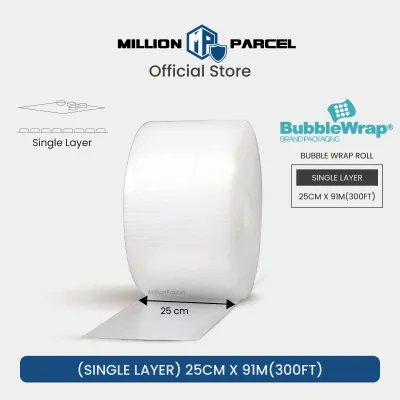
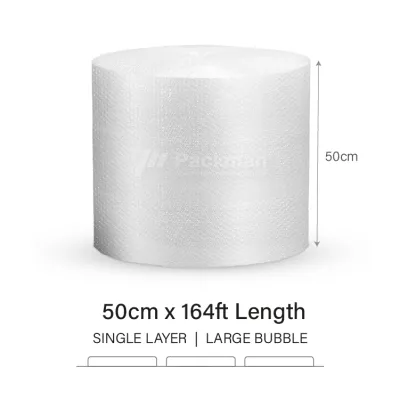
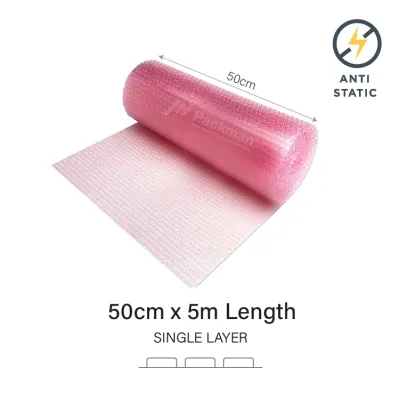
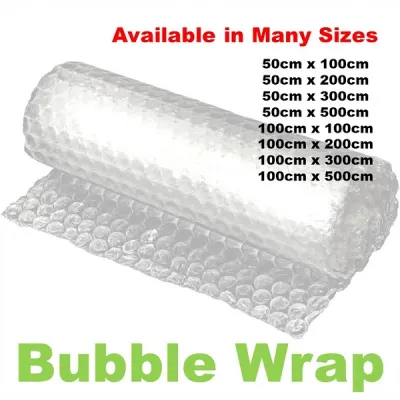
![[FAST DISPATCH] Bubble Cushion Sheet Wrap 0.5m x 1m / 50cm x 100cm (Width x Length) Sheet Size](https://img.lazcdn.com/g/p/f6d6cbbe0a9a2a2ed36464b6bb1ffad9.jpg_400x400q80.jpg_.webp)
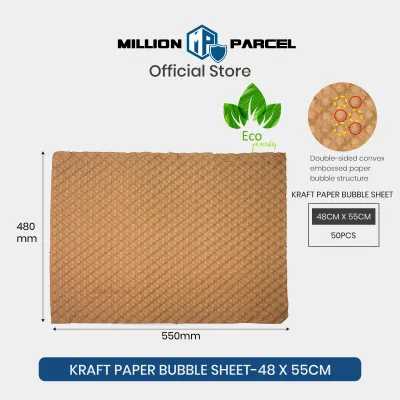
Prices are valid at publication and may change. Please refer to the product page for the latest price.
Key Differences Between Small and Large Bubble Wrap
To choose the right protective material, you must first understand the structural differences between small and large bubble wrap. These physical differences dictate how each material behaves under pressure, how much shock it can absorb, and how easily it can be manipulated around complex shapes.
Bubble Diameter and Height
The most obvious distinction lies in the dimensions of the air pockets. Small-bubble wrap typically features bubbles with a diameter of approximately 10mm and a height of 3mm to 4mm. These compact air pockets are densely packed across the plastic sheet, creating a consistent, low-profile barrier. Large-bubble wrap, on the other hand, features bubbles that generally measure 25mm to 30mm in diameter and 10mm to 15mm in height. These much larger air pockets contain a significantly higher volume of air per bubble. Because exact dimensions can vary slightly depending on the manufacturer, always check the product specifications before purchasing bulk rolls.
Cushioning and Shock Absorption
The volume of air within each bubble determines the type of protection it offers. Small bubbles provide excellent surface-level protection and light cushioning. Because the bubbles are small and numerous, they distribute pressure evenly across a flat surface, making them highly effective at preventing scratches, abrasions, and minor impacts. However, under heavy loads or severe impacts, these small air pockets can bottom out, meaning they compress completely and transfer the force directly to the item. Large bubbles contain a larger cushion of air that can absorb much heavier impacts and significant drops. The deep air pockets compress gradually, absorbing the kinetic energy of a fall before it reaches the packaged item.
Flexibility and Conformity
Flexibility is another critical differentiator. Small-bubble wrap is highly pliable and conforms easily to tight curves, sharp corners, and intricate details. You can easily wrap it around small objects, tuck it into tight spaces, or fold it neatly over edges. Large-bubble wrap is considerably stiffer due to the size and pressure of the individual air pockets. It does not bend easily around tight angles or small objects, making it less suitable for wrapping intricate items. Instead, its rigidity makes it excellent for bridging wide gaps, wrapping broad surfaces, and acting as a sturdy block inside a shipping box.
Weight and Storage Space
While both materials are lightweight because they consist mostly of air, they have very different storage footprints. Large-bubble rolls are highly volumetric and take up a substantial amount of physical space. In space-constrained environments, such as a typical HDB flat or a small home office in Singapore, storing multiple large-bubble rolls can quickly clutter your workspace. Small-bubble rolls are much more compact and easier to store in tight spaces, making them a more practical choice for low-volume shippers or home-based online businesses.
Best Use Cases for Small-Bubble Wrap
Small-bubble wrap excels in scenarios where precision, surface protection, and tight wrapping are required. Understanding its specific strengths helps you avoid over-packaging while ensuring your delicate items remain pristine.

Delicate and Lightweight Items
This material is the industry standard for wrapping lightweight, fragile objects. It is highly effective for protecting glassware, porcelain cups, ceramic ornaments, and small electronics like smartphones or tablets. In the realm of stationery and creative supplies, small-bubble wrap is ideal for safeguarding premium leather-bound journals, delicate fountain pens, acrylic desk organizers, and archival art prints. The dense network of small bubbles provides a soft, uniform cushion that prevents these lightweight items from shifting and colliding with one another.
Surface Protection
If your primary goal is to prevent scratches, scuffs, and abrasions, small-bubble wrap is the superior choice. Highly polished wood, glossy screens, lacquered finishes, and acrylic displays are highly susceptible to surface damage during transit. Because small bubbles distribute contact pressure evenly, they are less likely to leave circular indentation marks on soft or sensitive surfaces under pressure. For exceptionally delicate finishes, wrapping the item in acid-free tissue paper before applying the bubble wrap provides an extra layer of defense against moisture and friction.
Tight Wrapping and Efficiency
When shipping items via local courier services in Singapore, keeping the overall package dimensions small is crucial for minimizing shipping fees. Small-bubble wrap allows you to create a snug, low-profile protective layer that adds minimal bulk to your shipping boxes. You can easily fold, tape, and tuck the wrap around corners, ensuring that every part of the item is covered without creating awkward, empty protrusions that require larger, more expensive outer boxes.
Limitations of Small Bubbles
Despite its versatility, small-bubble wrap has clear limitations. You should avoid using it as the sole protective layer for heavy items, such as metal hardware, heavy books, or large household appliances. Under the weight of these objects, the small bubbles will quickly deflate or compress to a flat state, leaving the item vulnerable to damage if the package is dropped. Additionally, using small-bubble wrap to fill large empty spaces in a box is highly inefficient, as it requires a massive amount of material to fill a relatively small volume.
Best Use Cases for Large-Bubble Wrap
Large-bubble wrap is engineered for heavy-duty protection, offering deep cushioning and structural support. It is the preferred material when you need to protect substantial items from rough handling or fill large voids within shipping containers.
Heavy and Bulky Items
When packaging heavy items, you need a cushion that can withstand continuous pressure without collapsing. Large-bubble wrap is ideal for protecting bulky electronics like desktop computer towers, computer monitors, large framed artwork, small furniture pieces, and household appliances. The robust air pockets act as heavy-duty shock absorbers, ensuring that even if a heavy box is dropped onto a hard surface, the impact force is dissipated through the compressed air before reaching the item.
Deep Cushioning and Impact Protection
Items traveling through long-distance shipping networks or local courier sorting facilities are often subjected to drops, vibrations, and stacking pressures. Large-bubble wrap provides the deep impact resistance required to survive these environments. If you are shipping fragile items that are inherently heavy, such as large ceramic vases or heavy glass bowls, wrapping them in multiple layers of large bubbles ensures they remain suspended safely away from the walls of the shipping box.
Void Filling and Blocking
One of the most common causes of shipping damage is items shifting inside the box during transit. If a box is too large for its contents, the items will slide around and collide with the box walls. Large-bubble wrap is an exceptionally efficient void-fill material. Because of the large volume of each bubble, a small length of large-bubble wrap can quickly fill significant empty spaces in a shipping carton. This prevents movement and blocks the item securely in the center of the box, using far less plastic material than would be required if you used small-bubble wrap.
Protecting Irregular Shapes and Edges
Items with awkward angles, sharp protrusions, or delicate legs—such as wooden chairs, metal frames, or industrial components—require deep cushioning to bridge the gaps between the item’s body and the flat walls of the shipping box. Large-bubble wrap can be wrapped around these protruding parts to create a thick, protective buffer. This prevents the sharp corners of the item from piercing through the outer cardboard box during handling.
Limitations of Large Bubbles
While highly effective for impact protection, large-bubble wrap is not a universal solution. Its stiffness makes it incredibly difficult to wrap around very small or intricately detailed objects, such as delicate jewelry, small pens, or miniature figurines. Trying to force large bubbles around a small item often results in large air gaps, leaving portions of the item completely unprotected. Furthermore, under high pressure or hot, humid tropical conditions, the large plastic bubbles can press firmly against highly polished surfaces, occasionally leaving circular plastic marks that can be difficult to remove.
Pro Packing Tips for Maximum Protection
To ensure your items survive the journey, you must apply proper packing techniques. Even the highest quality bubble wrap cannot protect an item if it is applied incorrectly or paired with the wrong shipping materials.
The Double-Wrap Method
For high-value, highly fragile, or complex items, you do not have to choose between small and large bubble wrap. Instead, you can combine them to create a professional-grade, multi-layered protective system. First, wrap the item tightly in a layer of small-bubble wrap with the bubbles facing inward. This initial layer provides excellent surface protection, prevents scratches, and conforms perfectly to the item’s shape. Next, wrap a second layer of large-bubble wrap around the outside of the first layer. This outer layer provides the deep shock absorption needed to protect the item from drops and heavy impacts. This method is highly recommended for shipping expensive electronics, delicate musical instruments, or valuable ceramic art.
Proper Taping Techniques
Securing your bubble wrap is essential, but doing it incorrectly can damage your items. Always use high-quality packaging tape to secure the wrap, ensuring that you tape only plastic-to-plastic. Never apply adhesive tape directly onto the surface of your items, especially fragile stationery, polished wood, leather, or paper products, as removing the tape will likely tear or ruin the finish. When wrapping, avoid pulling the tape so tightly that you compress and pop the bubbles, as this actively destroys the protective air cushion you are trying to build.
Box Sizing and Void Fill
Choosing the correct box size is just as important as choosing the right wrap. Your shipping box should be large enough to allow for a consistent protective buffer of approximately 5cm to 8cm on all sides of the wrapped item. Once the item is placed inside the box, fill any remaining empty spaces with large-bubble wrap, crumpled packing paper, or biodegradable packing peanuts. Before sealing the box, give it a gentle shake; if you can hear or feel the item shifting inside, you need to add more void-fill material until the contents are completely stationary.
Checking Manufacturer Guidelines and Environmental Factors
Before packaging high-value electronics, specialized tools, or items under warranty, always check the manufacturer’s specific packaging instructions. Some sensitive electronic components require specialized anti-static packaging to prevent electrostatic discharge from damaging internal circuits.
Additionally, consider the local climate. In Singapore’s hot and highly humid environment, trapping moisture inside plastic packaging can lead to mold growth on paper products, leather goods, or wooden items, and can cause corrosion on sensitive metal parts. To prevent this, perform a simple observable trial: ensure all items are completely dry before wrapping, pack them in a clean, air-conditioned environment, and consider placing a few silica gel desiccant packets inside the bubble wrap layer to absorb any trapped moisture.
Decision Framework: Choosing the Right Wrap
To simplify your packaging process, use this structured decision framework to quickly determine which protective material is best suited for your specific task.
Choose Small-Bubble Wrap if:
- Item Weight: The item is lightweight (typically under 1.5 kg).
- Surface Sensitivity: The item has a highly polished, glossy, or scratch-prone surface (e.g., acrylic, glass, polished metal, varnished wood).
- Shape Complexity: The item has intricate details, tight curves, or small dimensions that require a snug, highly flexible wrap.
- Size Constraints: You need to keep the overall package dimensions as compact as possible to fit into standard courier mailers or small shipping boxes.
Choose Large-Bubble Wrap if:
- Item Weight: The item is heavy or bulky (typically over 1.5 kg).
- Impact Risk: The item is highly fragile and requires deep shock absorption to survive potential drops from courier handling.
- Void Filling: You have large empty spaces inside a shipping box that need to be filled efficiently to prevent the contents from shifting.
- Irregular Geometries: The item has protruding parts, sharp corners, or awkward angles that require a thick, protective buffer to bridge gaps.
Combine Both if:
- High-Value Fragility: The item is highly valuable, heavy, and has a delicate, easily scratched surface finish (e.g., a high-end mechanical keyboard, a laptop, or a large ceramic sculpture).
Frequently Asked Questions (FAQ)
Can I reuse bubble wrap for shipping?
Yes, you can reuse bubble wrap, but you must inspect it carefully first. Before relying on used bubble wrap for shipping fragile items, check its structural integrity. Squeeze the bubbles gently; if a significant portion of the bubbles are popped, deflated, or torn, the material will no longer provide adequate shock absorption. Deflated bubble wrap should not be used to protect fragile goods in transit. However, intact sections can easily be reused for light cushioning, wrapping non-fragile items, or as temporary storage protection.
Does the color of bubble wrap affect its protection level?
Standard clear, green, and pink bubble wraps offer identical physical cushioning performance when they share the same bubble size and plastic thickness. However, the color indicates specific functional additives. Clear bubble wrap is the standard multi-purpose option. Green bubble wrap often denotes that the material is made from recycled plastics or is biodegradable, appealing to eco-conscious shippers. Pink bubble wrap is specifically treated with an anti-static agent. This anti-static property prevents the buildup of electrostatic charges, which can damage sensitive electronic components like computer processors, graphics cards, and circuit boards during transit. Always use pink anti-static bubble wrap when packaging bare electronic components.
Community discussion
Share your experience or ask a question. Comments are reviewed before publication.