
Choosing the right wrapping bubble plastic is a critical decision when preparing items for transit, whether you are sending a package across Singapore or packing up your home for a move. The choice between small and large bubble wrap is not about finding a universally superior option, but rather about matching the physical characteristics of your items to the specific protective qualities of each bubble size. Selecting the incorrect size can lead to avoidable damage, such as surface scratches on delicate finishes or structural breakage from inadequate shock absorption.
To make an informed decision, you must evaluate the weight, fragility, and surface sensitivity of each object. Small bubble wrap excels at protecting lightweight items and preventing surface abrasions by providing dense, uniform coverage. In contrast, large bubble wrap offers deep air cushioning designed to absorb heavy impacts and fill empty spaces in larger boxes. By understanding how these two materials perform under pressure, you can ensure your belongings arrive at their destination securely.
Understanding the Core Differences in Bubble Size
To select the appropriate wrapping bubble plastic, it is essential to understand how bubble dimensions affect cushioning mechanics and surface protection. Small bubble wrap typically features bubbles with a diameter of approximately 10 millimeters and a height of 4 millimeters. This compact structure creates a dense network of air pockets that distribute weight evenly across a flat surface. This tight configuration is highly effective at preventing friction and minor abrasions, but the low profile of the bubbles limits their ability to compress and absorb heavy physical impacts.
Products mentioned in this guide
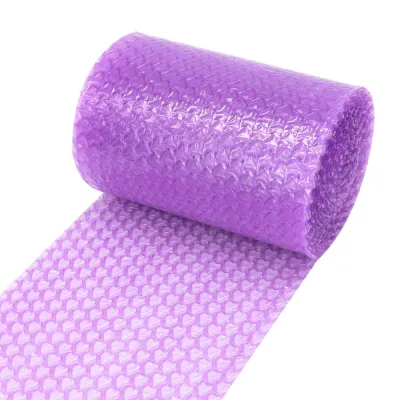
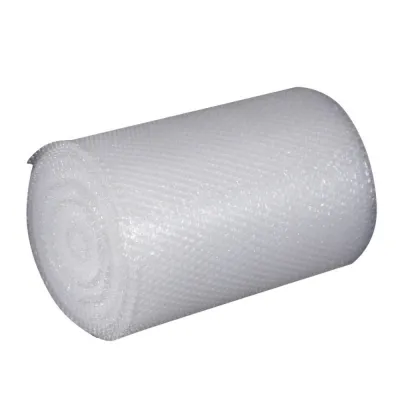
Prices are valid at publication and may change. Please refer to the product page for the latest price.
Large bubble wrap generally consists of bubbles measuring around 25 millimeters in diameter and 10 millimeters in height. These larger pockets contain a significantly higher volume of air, allowing the material to compress deeply under sudden force. This deep compression is what enables large bubble wrap to absorb strong shocks, vibrations, and drops during transit. However, because the contact points are larger and spaced further apart, the concentrated pressure of these large bubbles can sometimes leave physical impressions or circular marks on highly polished or delicate surfaces.
When purchasing wrapping bubble plastic, you should always verify the product specifications rather than relying solely on visual estimates. Check the manufacturer’s label for the exact bubble diameter, height, and film thickness, which is often measured in microns or mils. A thicker film provides greater puncture resistance and helps the bubbles retain their air pressure longer under load, which is especially important for long-distance shipping or extended storage in Singapore’s humid climate.
When to Use Small Bubble Wrap
Small bubble wrap is a highly effective choice for lightweight items, delicate glassware, and objects with highly sensitive surfaces. When packing items such as smartphones, tablets, small picture frames, or ceramic figurines, the primary goal is to prevent surface-to-surface friction. The dense pattern of small bubbles ensures that almost every part of the item’s surface is supported by an air cushion, minimizing the risk of scratches caused by shifting inside the shipping box.

This material is also highly conformable, making it easy to wrap tightly around complex shapes. For example, if you are packing delicate kitchenware, such as wine glasses or porcelain teacups, small bubble wrap can easily be tucked into curves and handles. The tight wrap prevents individual items from rubbing against one another, which is a common cause of hairline cracks and chips during local transport.
However, small bubble wrap has distinct limitations that you must consider before packing. Because the air pockets are shallow, they cannot absorb the heavy impact of a drop from a significant height, nor can they support the weight of heavy objects. If you attempt to protect a heavy mechanical part or a large piece of electronic equipment with only a single layer of small bubble wrap, the weight of the item will easily flatten the bubbles, leaving the object vulnerable to direct impact.
When to Use Large Bubble Wrap
Large bubble wrap is specifically engineered to protect heavy, bulky, or highly robust items that require substantial shock absorption. This includes items such as large household appliances, furniture corners, heavy tools, and large decorative vases. The generous air volume within each bubble acts as a heavy-duty spring, dispersing the energy of sudden drops or rough handling before it can reach the item itself.
In addition to direct cushioning, large bubble wrap serves as an excellent void fill material. When shipping items in standard-sized cardboard boxes, empty spaces often remain around the object. If these gaps are not filled, the item will slide and bounce during transit, increasing the likelihood of damage. Placing sheets of large bubble wrap in these empty spaces secures the item firmly in the center of the box while adding minimal weight to the overall package, helping you manage shipping costs.
Despite its excellent cushioning capabilities, large bubble wrap carries specific risks for delicate items. The high pressure exerted by the large, isolated air pockets can leave permanent circular marks on soft plastics, leather, polished wood, or high-gloss lacquered finishes. This is particularly true in warm environments where the plastic film can slightly adhere to the item’s surface. Therefore, large bubble wrap should not be applied directly to sensitive finishes without a protective barrier.
Key Factors to Check Before Wrapping
Before you begin wrapping any item, it is important to perform a quick assessment to determine the most effective packing strategy. First, evaluate the weight and dimensions of the object. Lightweight items under two kilograms are generally well-served by small bubble wrap, whereas heavier items require the robust support of large bubbles to prevent the air pockets from collapsing under constant pressure.
Second, inspect the surface sensitivity of the item. If the object has a delicate finish, such as a polished metal frame, a varnished musical instrument, or a painted canvas, you must plan for a multi-layered approach. You will need to verify whether the surface can withstand direct contact with plastic film or if it requires an initial protective layer of acid-free tissue paper or packing foam to prevent chemical reactions or physical imprinting.
Third, consider the transit environment and the shipping method. If your package is traveling a short distance via a local courier service in Singapore, it may experience fewer transfers and lower drop risks. However, international shipments or packages handled by high-volume postal networks are subject to multiple sorting machines, conveyor belts, and manual handlings, requiring a much higher level of impact protection and more durable wrapping materials.
Finally, always verify the material specifications of the wrapping bubble plastic you plan to use. Look for details regarding the plastic density and whether the film is co-extruded, which helps prevent air loss over time. If you are shipping high-value items, choosing a heavy-duty film with a higher thickness rating will ensure the bubbles remain fully inflated throughout the entire journey, regardless of the bubble size you select.
Step-by-Step Wrapping Strategy for Maximum Protection
To achieve an excellent level of protection for fragile or valuable items, you can combine both small and large bubble wrap into a highly effective, multi-layered packing system. The first step is to apply the inner layer of protection. Wrap the item directly with small bubble wrap, ensuring the bubbles face inward toward the object to conform to its shape. For extremely sensitive surfaces, place a layer of unbuffered tissue paper or packing foam against the item first, followed by the small bubble wrap.
Once the inner layer is secure, apply the outer layer of cushioning. Wrap the entire bundle in a layer of large bubble wrap. This outer layer will act as the primary shock absorber, neutralizing heavy impacts and vibrations from the outside, while the inner layer keeps the item snugly positioned and protected from surface scratches. This dual-layer method is highly recommended for shipping delicate electronics, high-end glassware, and valuable collectibles.
After wrapping, secure the material using high-quality packaging tape. Apply the tape firmly along all seams and edges to prevent the bubble wrap from unraveling or shifting during handling. Avoid taping directly onto the item itself; all tape should adhere only to the plastic wrap. Ensure the wrapped bundle fits snugly inside the shipping box, leaving about two to three centimeters of space on all sides, which can be filled with additional large bubble wrap or packing peanuts.
The final step before sealing the box is to perform the shake test. Gently close the flaps of the box and give it a light shake. If you feel or hear the item shifting, sliding, or bouncing inside, open the box and add more void fill material. The item should remain completely stationary in the center of the box. Once you confirm there is no movement, seal the box securely with packaging tape along all seams using the H-taping method.
Frequently Asked Questions (FAQ)
Does the bubble side face in or out?
For effective protection, the bubble side of the wrap should always face inward, directly touching the item you are packing. This orientation allows the individual air pockets to conform closely to the unique shape of the object, providing consistent cushioning and preventing the item from sliding within the wrap. Additionally, keeping the smooth side of the plastic on the outside makes it much easier to wrap the item tightly, apply packaging tape, and attach shipping labels securely without dealing with an uneven surface.
Can I reuse bubble wrap for shipping?
You can reuse bubble wrap for shipping, provided you inspect its condition thoroughly before packing. To verify if the wrap is still usable, perform a visual and tactile check by gently pressing the bubbles; if a significant portion of the bubbles are popped, flat, or have lost their air pressure, the material will no longer provide adequate shock absorption. Dirty, dusty, or torn bubble wrap should be discarded or reserved strictly for non-critical void filling, while clean, fully inflated wrap can be safely reused to protect non-fragile items.
Is anti-static bubble wrap necessary for electronics?
Anti-static bubble wrap is highly recommended when packing sensitive electronic components, such as computer motherboards, graphics cards, or internal hard drives. Standard plastic bubble wrap can easily generate static electricity during transit, which can discharge and permanently damage delicate integrated circuits. Anti-static bubble wrap, which is typically colored pink, is treated with a special coating that prevents the buildup of electrostatic charges; always check your device manufacturer’s packaging guidelines to determine if this specialized material is required for your specific electronics.
Community discussion
Share your experience or ask a question. Comments are reviewed before publication.