
The core functional difference between small and large bubble wrap lies in how they distribute pressure and absorb impact. Choosing the right wrapping bubble size depends on your item’s weight, surface sensitivity, and the level of shock absorption required during transit. Small bubble wrap, typically featuring bubbles with a diameter of 10 millimetres and a height of 3 to 4 millimetres, excels at surface protection, scratch prevention, and conforming to intricate shapes. In contrast, large bubble wrap, with bubbles usually measuring 25 millimetres or more in diameter and up to 12 millimetres in height, provides the deep cushioning and shock absorption necessary for heavy, bulky, or highly fragile items. By matching the bubble size to your item’s physical characteristics and expected shipping conditions, you can ensure your goods arrive intact without unnecessary bulk or expense.
Understanding the Core Differences in Bubble Sizes
To make an informed packaging decision, you must first understand the physical mechanics of air-filled plastic cushioning. The primary distinction between different bubble sizes is the volume of air trapped within each cell and the resulting depth of the protective barrier. When selecting a wrapping bubble (sometimes referred to as a wraping bubble) roll, you will find that small bubble wrap typically features cells that are 10 millimetres in diameter and approximately 3 to 4 millimetres high. This configuration creates a dense network of small air pockets. Large bubble wrap, on the other hand, features cells that are 25 millimetres or more in diameter and up to 12 millimetres high, containing a significantly larger volume of air per bubble.
This physical difference creates a direct trade-off between surface conformability and impact resistance. Small bubbles are packed closely together, which allows the plastic sheet to remain highly flexible. This high density of bubbles means the wrap can easily bend, fold, and wrap around tight corners, making it ideal for items with complex geometries. However, because each individual bubble contains a relatively small volume of air, it can only absorb a limited amount of impact energy before bottoming out under heavy loads.
Products mentioned in this guide
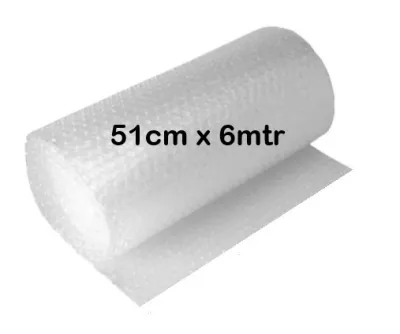
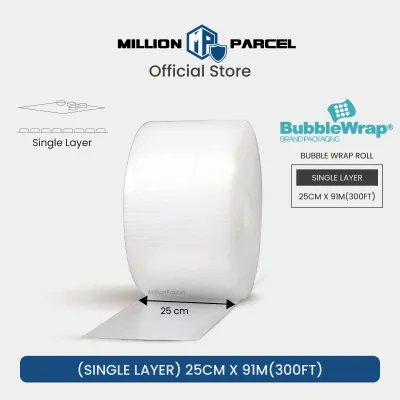
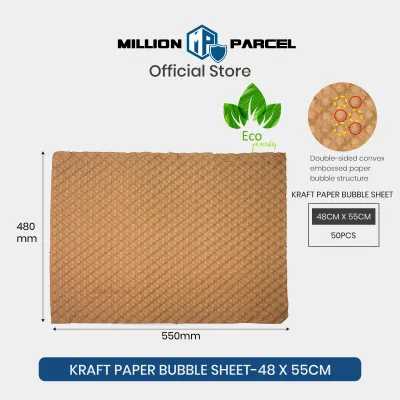
Prices are valid at publication and may change. Please refer to the product page for the latest price.
In contrast, large bubbles offer a much deeper cushioning zone. The substantial volume of air in each bubble acts as a heavy-duty shock absorber, capable of compressing significantly under sudden impacts without letting the enclosed item make contact with the outer box. The trade-off is flexibility; the larger, stiffer bubbles make the sheet much less pliable. Trying to wrap a small, intricate object in large bubble wrap often results in awkward gaps, unbuffered spaces, and excessive bulk that makes boxing difficult.
When to Use Small Bubble Wrap
Small bubble wrap is the standard choice for surface protection and light-duty cushioning. Its primary strength is its ability to cling closely to an object’s surface, preventing movement and friction during transit. This makes it exceptionally well-suited for lightweight items, delicate surfaces, and objects with intricate details. For example, when shipping polished stationery, fountain pens, small electronics, or delicate glassware, small bubbles provide a smooth, uniform barrier that shields the item from scratches, scuffs, and abrasions.

One of the lesser-known advantages of small bubble wrap is its ability to prevent imprinting. When plastic is pressed tightly against a sensitive surface under pressure, the pattern of the bubbles can sometimes transfer onto the item, leaving circular marks. Because small bubbles distribute the contact pressure across a much higher number of smaller points, they are far less likely to leave noticeable imprinting marks on glossy finishes, screens, or painted surfaces. For highly sensitive items, wrapping them first in acid-free tissue paper or packing paper before applying the small bubble wrap provides an extra layer of security.
Additionally, small bubble wrap is highly resilient when wrapping items with sharp edges, corners, or complex geometries. If you attempt to wrap a star-shaped ornament or a metal bracket with large bubble wrap, the sharp points are likely to press directly into the wide spaces between the bubbles or puncture a single large bubble, instantly deflating a significant portion of your protection. Small bubbles, due to their high density, distribute the stress of sharp corners across multiple cells. Even if one or two tiny bubbles puncture, the surrounding cells remain intact, preserving the overall integrity of the protective layer.
When to Use Large Bubble Wrap
Large bubble wrap is engineered for heavy-duty shock absorption, structural cushioning, and void filling. When you are shipping heavy, bulky, or highly fragile items, the primary threat is not surface scratching, but rather the severe impact forces generated if the box is dropped, tossed, or stacked under heavier parcels. Large bubbles provide the necessary deceleration zone, allowing the item to slow down gradually during an impact, which dramatically reduces the G-force transmitted to the item itself.
This makes large bubble wrap highly effective for items like large electronics, heavy ceramic vases, framed artwork, and small household appliances. The deep air pockets act as a physical buffer, keeping the item suspended away from the walls of the shipping container. Furthermore, large bubble wrap is an excellent material for void filling. If you have a large box with a relatively small item inside, filling the empty space with crumpled paper can add significant weight, while loose-fill peanuts can shift during transit. Large bubble wrap fills these empty spaces quickly and efficiently, preventing the item from sliding around inside the box without adding measurable weight.
However, using large bubble wrap on small or delicate items carries distinct risks. Because the bubbles are large and rigid, they do not conform well to small items, leaving large pockets of trapped air and unbuffered gaps where the item can slide. If the item shifts into one of these gaps, it may end up resting directly against the hard outer cardboard of the box, completely unprotected. Additionally, the concentrated pressure from a single large, highly inflated bubble pressing against a delicate, thin-walled item can sometimes cause structural damage or leave prominent pressure marks on soft materials.
Key Factors to Evaluate Before Wrapping
Before selecting your wrapping bubble material, you should systematically evaluate several key factors to ensure you choose the most effective protection. The first factor is the item’s weight and structural fragility. Lightweight, solid items like books, wooden coasters, or plastic cases require minimal shock absorption and are best served by small bubble wrap to prevent surface scuffs. Conversely, heavy or hollow items, such as a ceramic teapot or a heavy metal mechanical part, require the deep cushioning of large bubble wrap to prevent the item’s own weight from crushing the protective barrier during a fall.
The second factor is surface sensitivity. You must examine the material and finish of the item you are packing. Items with highly polished, glossy, or painted surfaces, as well as electronic screens and delicate paper goods, are highly susceptible to micro-scratches caused by friction. For these items, small bubble wrap is the recommended choice because it wraps tightly and minimizes movement against the surface. If the item is both heavy and surface-sensitive, the best approach is a hybrid method: wrap the item first in a soft protective layer, such as packing paper or small bubble wrap, and then add an outer layer of large bubble wrap for impact protection.
Additionally, you must verify the physical dimensions of the bubble wrap roll itself. Standard rolls come in various widths, such as 300 millimetres or 500 millimetres. Choosing a width that matches your item’s size prevents unnecessary overlapping and reduces waste. You should also check the compatibility of your sealing materials; the adhesion of standard packing tape to the plastic backing can vary depending on the exact material combination. Performing a quick, observable trial wrap on a small, inconspicuous area of your item is an excellent way to verify that the plastic does not leave cling residue or marks on polished surfaces, especially in warm or humid environments like Singapore.
Step-by-Step Wrapping Techniques for Reliable Protection
To ensure your chosen wrapping bubble performs as intended, you must apply it using proper packing techniques. A fundamental rule of using bubble wrap is to always place the bubble side facing inward, toward the item. The flat, smooth plastic backing should face outward. Having the bubbles face inward allows the individual air pockets to cradle the item, distributing the pressure evenly across its contours and preventing the item from shifting within the wrap. The smooth outer backing also makes it much easier to slide the wrapped item into a box and provides a clean surface for securing tape.
When securing the bubble wrap, use high-quality packing tape, but apply it carefully. Avoid wrapping the tape too tightly around the bubble wrap, as excessive tension can compress and pop the air cells, instantly destroying their cushioning ability. Instead, wrap the tape snugly enough to hold the plastic in place without distorting the shape of the bubbles. If you are wrapping highly sensitive or valuable items, consider placing a sheet of clean packing paper or cardboard between the item and the bubble wrap to prevent any potential chemical reaction or adhesive residue from affecting the item’s finish.
For highly fragile or irregularly shaped items, employ a strategic layering and edge-protection technique. Start by wrapping the most vulnerable parts of the item individually—such as the handle of a mug, the spout of a teapot, or the corners of a picture frame—using small bubble wrap. Once these delicate protrusions are secured, wrap the entire object in one or two complete layers of small bubble wrap to create a uniform protective skin. Finally, wrap the exterior in a layer of large bubble wrap to act as the primary shock absorber, ensuring that no part of the item can make direct contact with the outer shipping box.
Quick Decision Guide: Small vs. Large Bubble Wrap
The following table provides a quick reference to help you select the correct bubble size and application method for common packing scenarios, based on physical properties and standard packing logic.
| Item Category | Recommended Bubble Size | Primary Benefit | Key Precaution |
|---|---|---|---|
| Books and Stationery | Small Bubble Wrap | Prevents corner dings and cover scuffs without adding bulk | Do not tape directly to paper surfaces; wrap in paper first |
| Small Electronics | Small Bubble Wrap | Conforms tightly to ports and buttons; prevents surface scratches | Use anti-static bubble wrap for exposed circuit boards |
| Large Appliances | Large Bubble Wrap | Absorbs heavy impacts and keeps heavy items suspended | Ensure corners are reinforced with extra padding |
| Glassware and Ceramics | Hybrid (Small then Large) | Small bubbles prevent scratches; large bubbles absorb drops | Fill hollow interiors with packing paper before wrapping |
Frequently Asked Questions (FAQ)
Can I use large bubble wrap for small, delicate items?
Using large bubble wrap for small, delicate items is generally not recommended because the large, rigid bubbles cannot conform tightly to small dimensions. This lack of flexibility leaves significant gaps and empty spaces where the item can slide around during transit. If the item shifts into an unbuffered gap, it may strike the side of the box or another item, leading to damage. Additionally, the concentrated pressure from a single large bubble pressing against a fragile, thin-walled item can cause structural failure. For small, delicate items, small bubble wrap is much safer as it provides continuous, uniform surface contact.
Does the color of the bubble wrap affect its protective qualities?
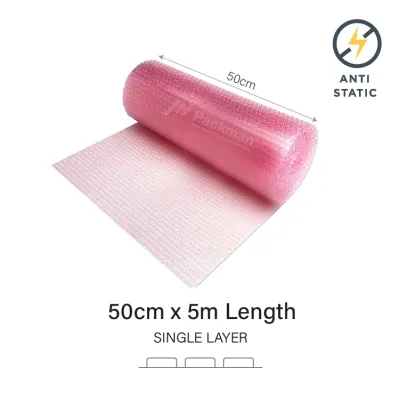
The color of the bubble wrap does not alter its physical cushioning ability, but it does indicate specific material treatments designed for different environments. Standard clear bubble wrap is suitable for most general packing needs. Pink bubble wrap, however, is treated with an anti-static agent that prevents the buildup of electrostatic discharge (ESD). This is crucial when packing sensitive electronic components, such as computer processors, graphics cards, or internal circuit boards, which can be permanently damaged by static electricity. Green bubble wrap is often used by manufacturers to indicate that the material contains recycled plastic content, though it offers the same physical protection as standard clear wrap.
How many layers of bubble wrap do I need for fragile items?
The number of layers required depends on the item’s fragility, weight, and how well it fits within the shipping box. As a general guideline, highly fragile items should have at least two to three layers of small bubble wrap to ensure complete surface coverage and adequate scratch protection. For heavy or extremely fragile items, this should be supplemented with an additional layer of large bubble wrap on the outside. The ultimate goal is to ensure that when the wrapped item is placed inside the box, there is absolutely no movement when the box is gently shaken, and there is at least 5 centimetres of cushioning between the item and every wall of the box.
Community discussion
Share your experience or ask a question. Comments are reviewed before publication.