
Quick Answer: Small vs. Large Bubble Wrap for Fragile Items
When preparing fragile items for transit, choosing the right air bubble wrap is the difference between a successful delivery and a box of broken shards. There is no single “better” option between small and large bubble wrap; instead, the ideal choice depends entirely on the item’s weight, its surface sensitivity, and the type of physical impact it is likely to encounter during transit.
Small bubble wrap excels at surface protection, scratch prevention, and conforming tightly to lightweight, intricately shaped items. Conversely, large bubble wrap is designed for heavy-duty shock absorption, cushioning heavier objects, and acting as an effective void fill to prevent items from shifting inside shipping boxes. To ensure maximum protection, you must match the bubble geometry to the specific physical vulnerabilities and mass of the object you are packing.
The Structural Difference: Small vs. Large Air Bubbles
Understanding the physical characteristics of air bubble wrap is essential for making an informed packaging decision. Standard small bubble wrap typically features bubbles that measure approximately 10 millimetres in diameter and about 3 to 4 millimetres in height. These small, closely spaced pockets of air create a dense, highly flexible sheet. Because the bubbles are small and numerous, they distribute pressure evenly across a wide surface area, making the material highly adaptable to tight curves and sharp angles.
Products mentioned in this guide
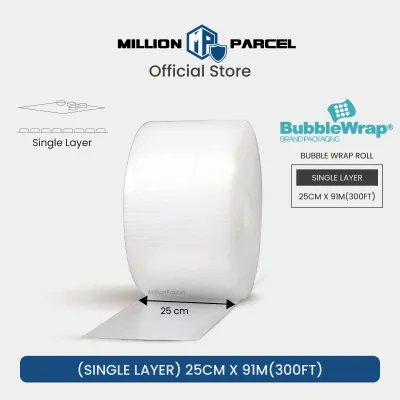
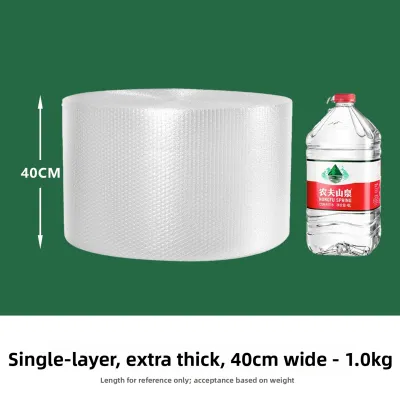
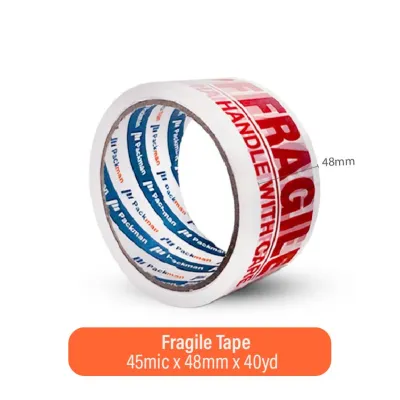
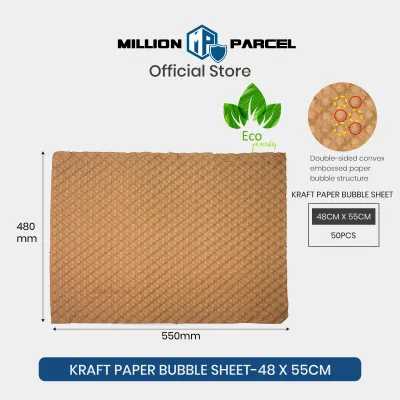
Prices are valid at publication and may change. Please refer to the product page for the latest price.

In contrast, large bubble wrap is characterized by much larger air pockets, typically measuring around 25 millimetres in diameter and up to 10 to 12 millimetres in height. These larger bubbles contain a significantly higher volume of trapped air per bubble. This high volume of air creates a much thicker cushion that requires substantial force to compress fully. However, the trade-off is a lower bubble density per square metre, meaning there are larger gaps of flat plastic film between the individual air pockets.
Despite these geometric differences, both small and large bubble wraps are generally manufactured from the same base material: low-density polyethylene (LDPE) or similar polyethylene co-polymer blends. This means that the chemical durability, moisture resistance, and tensile strength of the plastic itself remain virtually identical. The stark differences in performance, flexibility, and cushioning ability are entirely a result of the structural design, air volume, and spacing of the bubbles.
How Small and Large Bubbles Compare in Protection
To select the most effective packaging material, it is necessary to evaluate how each bubble size performs under real-world shipping conditions. Different items face distinct hazards during transit, ranging from high-velocity drops to continuous low-frequency vibrations.
Shock Absorption and Impact Resistance
The primary defense against drops and rough handling is shock absorption, which relies on the compression of trapped air to dissipate kinetic energy. Large bubble wrap is the superior choice for high-impact protection. Because each bubble contains a substantial volume of air, it can absorb significant impact forces before compressing completely. When a heavy box is dropped, the large bubbles act as heavy-duty springs, slowing down the deceleration of the item inside and reducing the peak force transmitted to the fragile object.
Small bubble wrap, while highly effective for minor impacts, has a much lower compression threshold. Under heavy weight or high-velocity impacts, the small volume of air inside each bubble is quickly displaced, causing the bubble to “bottom out.” When a bubble bottoms out, the two layers of polyethylene film press flat against each other, leaving no air cushion to absorb the remaining force. Consequently, small bubbles are best reserved for dampening minor vibrations and light impacts during transit, rather than protecting heavy items from major drops.
Surface Protection and Scratch Prevention
Protecting the surface finish of an item is just as important as preventing structural breakage. Small bubble wrap is highly effective for this task due to its dense bubble pattern. The closely packed bubbles create a relatively uniform, flat contact plane that distributes the wrapping pressure evenly across the item’s surface. This minimizes localized friction and prevents the plastic from rubbing intensely against specific spots, making it ideal for protecting delicate glazes, glass, polished metals, and painted surfaces.
Large bubble wrap, on the other hand, presents a more uneven contact surface. The wide gaps between the large, protruding bubbles can cause uneven pressure distribution. If wrapped too tightly directly against a highly polished surface, the large bubbles can leave circular pressure marks, a phenomenon known as stippling. In warm or humid conditions, such as those common in Singapore, the plastic film of large bubbles can occasionally stick to polished wood finishes or delicate lacquers, leaving temporary or even permanent cosmetic blemishes. For highly sensitive surfaces, a smooth intermediate barrier is often required if large bubbles are used.
Flexibility, Bulk, and Material Efficiency
The physical handling of the wrapping material affects both the packing process and storage logistics. Small bubble wrap is exceptionally flexible, allowing it to drape and conform easily to complex, irregular, or protruding shapes. It can be wrapped tightly around the handle of a ceramic mug, the delicate limbs of a figurine, or the sharp corners of a picture frame without springing back or creating awkward bulk. This flexibility makes it highly material-efficient for small items, as very little tape or effort is needed to keep the wrap secure.
Large bubble wrap is inherently stiffer and significantly bulkier. Attempting to wrap a small, intricate item in large bubble wrap often results in loose, awkward packages with large pockets of empty space that make securing the wrap difficult. However, this bulk becomes a major advantage when packaging large, flat objects or when filling empty spaces inside a shipping carton. Large bubble wrap can quickly fill a large void with minimal material weight, preventing the item from shifting during transit. The primary trade-off is storage space; a single roll of large bubble wrap is highly voluminous and can quickly clutter a small home or office workspace, whereas small bubble wrap rolls are much more compact and easier to store.
Decision Guide: Which Bubble Wrap Should You Choose?
Choosing between these two protective materials requires a systematic evaluation of your specific item’s characteristics. By categorizing your items by weight, shape, and surface sensitivity, you can easily determine the correct wrap or combination.
When to Choose Small Bubble Wrap
You should choose small bubble wrap if your packing scenario meets any of the following criteria:
- The item is lightweight and delicate: Items weighing less than 1.5 kilograms, such as standard ceramic plates, small glassware, porcelain tea cups, and cosmetic bottles, are perfectly suited for small bubbles.
- The item has a highly sensitive or polished surface: If you are packing polished metal silverware, mirrors, glass sheets, or items with delicate painted finishes, the dense, uniform surface of small bubbles prevents scratches and stippling marks.
- The item has an intricate or irregular shape: Small figurines, hand-crafted sculptures, or items with protruding parts require a flexible wrap that can conform tightly to every contour without leaving unprotected gaps.
- Storage space is limited: If you are packing from a typical residential flat or a small home office where storage space is at a premium, small bubble wrap rolls are much easier to store and manage.
When to Choose Large Bubble Wrap
You should choose large bubble wrap if your packing scenario aligns with these requirements:
- The item is heavy or bulky: For items weighing over 1.5 kilograms, such as heavy kitchen appliances, large ceramic vases, or metal hardware, the deep cushion of large bubbles is necessary to prevent bottoming out during impacts.
- The item is large and flat: Large picture frames, expansive glass tabletops, flat-screen monitors, and large mirrors benefit from the substantial shock absorption that large bubbles provide across wide, flat planes.
- You need to fill empty space inside the box: If your shipping box is larger than the item itself, large bubble wrap serves as an excellent, lightweight void fill that immobilizes the item and keeps it centered away from the box walls.
When to Combine Both or Verify First
For high-value, highly sensitive, or extremely fragile items, a single type of bubble wrap may not provide sufficient protection. In these complex scenarios, combining both materials offers the ultimate packaging solution.
You should combine both small and large bubble wrap if you are shipping items of high financial or sentimental value, such as valuable antiques, high-end electronics, or delicate artwork. The optimal technique is to apply a base layer of small bubble wrap directly against the item to protect its surface and conform to its shape. Once the item is safely encased in small bubbles, wrap a secondary outer layer of large bubble wrap around the package. This dual-layer approach provides a smooth, non-abrasive inner contact layer combined with a heavy-duty outer shock absorber.
You must verify first if you are packing specialized equipment, high-value electronics, or delicate musical instruments. Always consult the manufacturer’s specific care and packaging instructions before wrapping. Some electronics require anti-static materials, while certain antique wood finishes can be damaged by direct contact with any plastic film. Additionally, if you plan to purchase shipping insurance for high-value items, verify the carrier’s specific packaging guidelines. Many couriers and insurance providers require a minimum thickness of cushioning (often 5 centimetres) and double-walled boxes to honor damage claims.
Step-by-Step Packing Rules for Maximum Protection
Even the highest quality air bubble wrap will fail to protect your items if applied incorrectly. Following a structured, step-by-step packing protocol ensures that your fragile items survive the rigors of transit.
Step 1: Preparation
Before applying any packaging material, ensure the item is completely clean and dry. In Singapore’s humid climate, trapping moisture beneath plastic wrap can lead to condensation, mold, or damage to delicate finishes. If the item has detachable parts, such as a lid on a teapot or cables on an electronic device, separate them and wrap them individually. Use acid-free tissue paper or clean packing paper as an initial protective layer for extremely sensitive surfaces, such as oil paintings or polished wood, to prevent any potential chemical interaction with the plastic.
Step 2: Orientation
When wrapping, you must decide whether the bubbles should face inward (toward the item) or outward (toward the box).
- Bubbles Inward: This is the standard and most effective orientation for general shock absorption. The individual air pockets can conform directly to the contours of the item, cradling it securely and preventing lateral movement within the wrap.
- Bubbles Outward: This orientation is preferred when wrapping highly sensitive finishes that are prone to stippling or pressure marks. The flat backing of the bubble wrap provides a completely smooth surface against the item, while the bubbles face outward to absorb external impacts. However, this method requires a tighter, more secure wrap to prevent the smooth plastic from sliding off the item.
Always check the item’s manufacturer instructions to ensure direct contact with polyethylene is safe.
Step 3: Securing the Wrap
Wrap the item completely, ensuring at least two full layers of bubble wrap cover every surface. Use high-quality, pressure-sensitive packing tape to secure the seams. Never apply packing tape directly to the surface of the fragile item, as the adhesive can leave a stubborn residue or strip away delicate finishes, paint, or varnish upon removal. Instead, only tape plastic to plastic, ensuring the wrap forms a tight, cohesive protective sleeve around the object.
Step 4: Boxing and Void Fill
Select a sturdy, corrugated cardboard box that is slightly larger than your wrapped item. For heavy or highly valuable items, always choose a double-walled corrugated box, which offers superior puncture resistance and structural strength. Place a 5-centimetre layer of bubble wrap or crumpled packing paper at the bottom of the box to act as a base cushion. Insert the wrapped item, keeping it centered. Fill all remaining empty spaces around the sides and top of the item with large bubble wrap, crumpled paper, or packing peanuts. The goal is to eliminate all empty space so the item cannot shift in any direction.
Step 5: The Shake Test
Before sealing the box completely, perform a gentle shake test. Close the box flaps and lift the package slightly, then give it a gentle shake. If you feel or hear the item moving, shifting, or sliding inside, the packaging is insufficient. Reopen the box and add more void fill until the item is completely immobilized. Once the box passes the shake test, seal all seams securely with heavy-duty packing tape using the “H-tape” method across the top and bottom flaps.
Frequently Asked Questions (FAQ)
Can I reuse bubble wrap for packing fragile items?
You can safely reuse bubble wrap only if its structural integrity remains fully intact. Before wrapping a fragile item with used material, inspect the sheet thoroughly. Press down on various sections to verify that the bubbles are still plump, firm, and fully filled with air. If you find that a significant portion of the bubbles have popped, deflated, or become flattened, do not use the wrap for fragile items. Deflated bubble wrap has lost its capacity to absorb shock and will fail to protect your items from impact. You can, however, repurpose deflated or popped wrap as light packing filler for non-fragile items.
Does the color of the bubble wrap affect its protective quality?
The color of standard air bubble wrap does not alter its physical cushioning capabilities or shock absorption properties. Clear, blue, and green bubble wraps of the same bubble size and plastic thickness perform identically under impact. Green bubble wrap is frequently used by manufacturers to indicate that the material contains recycled plastic, which is an excellent option for reducing environmental impact.
However, there is one critical functional color variant: pink bubble wrap. Pink is the industry-standard color for anti-static bubble wrap. This material is treated with an anti-static agent to prevent the buildup of electrostatic discharge, making it essential for packing sensitive electronic components like computer motherboards, graphics cards, and internal hard drives. While its mechanical protection is the same as standard wrap, its electrical protection is vital for electronics.
Community discussion
Share your experience or ask a question. Comments are reviewed before publication.