
Selecting the right small red packet is not just about the monetary value you intend to give; it is primarily a matter of physical volume. The ideal packet size depends on the dimensions of the bills, how many times you fold them, and the thickness of the paper envelope itself. A well-chosen packet ensures your gift looks neat, structured, and respectful, avoiding the awkwardness of a bulging, overstuffed envelope or an excessively empty one. This guide will help you navigate common dimensions and folding techniques to find the perfect match for your cash presentation.
Understanding Common Small Red Packet Dimensions
Small red packets, often referred to as mini or square ang baos, come in several distinct formats. Unlike standard long packets that hold bills flat, small packets require you to fold the currency. This makes understanding their physical dimensions crucial before you begin preparing your gifts.
The most common categories include mini square packets, standard small rectangular packets, and slightly elongated small packets. Mini square packets are highly compact and typically require bills to be folded into thirds or quarters. Standard small rectangular packets are designed to accommodate bills folded in half, while elongated small packets offer a bit more width, allowing for a looser fold or a slightly thicker stack of notes.
Products mentioned in this guide
![[CNY 2025]6-60pcs Small Big Red Envelopes for Money Cash Packet Blank Hongbao Gift Envelope for New Year Blessing 2025 Year of Snake(In stock)](https://img.lazcdn.com/g/p/6ba4101d998f4441309d53b6e4fdc6e2.jpg_400x400q80.jpg_.webp)
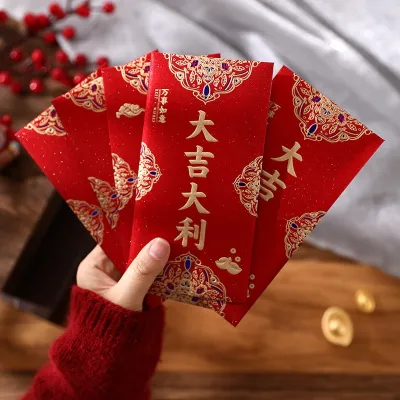

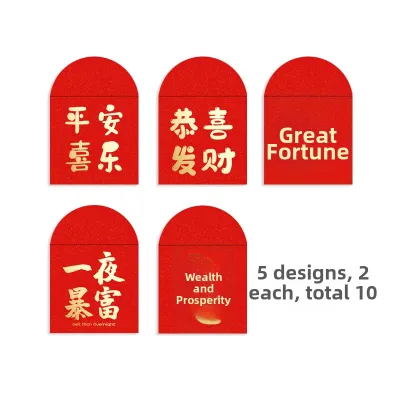
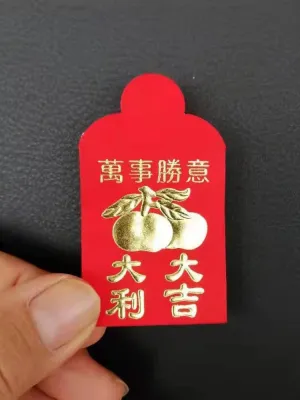
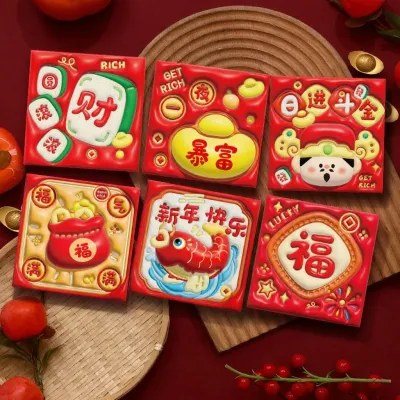
![[SG Seller]Wedding Red Gift Red Envelope Chinese Wedding Envelope Red Packet](https://img.lazcdn.com/g/p/a4c38c301a442618f990f3a700b1dc10.jpg_400x400q80.jpg_.webp)
Prices are valid at publication and may change. Please refer to the product page for the latest price.
When selecting these envelopes, the physical construction of the paper plays a significant role in its actual capacity. Thicker paper stock, such as 120 gsm or textured specialty paper, provides excellent structural integrity but offers less flexibility for stretching. Conversely, thinner paper might stretch slightly to accommodate more bills, but it is highly prone to tearing and can reveal the outline of the cash inside.
Internal seams and gussets also restrict the usable space. Some packets feature side-seam construction, which maximizes the internal width, while center-seam designs slightly reduce the flat area available for your bills. Additionally, the depth of the closing flap and the type of closure—whether it uses a slot-in tab or a self-adhesive strip—will dictate how tightly you can pack the envelope. Because manufacturing standards vary widely across brands, it is always wise to measure a physical sample or check the detailed product specifications before purchasing in bulk.
How Bill Denominations and Folding Affect Packet Fit
The physical size of Singapore dollar notes increases with their denomination. A S$2 note is the smallest in circulation, followed by the S$5, S$10, S$50, and S$100 notes. This incremental increase in both length and height means that a folding method that works perfectly for a S$2 note might leave a S$50 or S$100 note protruding from the edges of the same packet.

How you fold the bills directly determines the thickness and footprint of the cash stack. Folding a bill once in half keeps the stack relatively thin but requires a wider packet. Folding it twice (into quarters) halves the footprint but doubles the thickness of the stack. For very small mini square packets, rolling the bills or folding them into thirds is sometimes necessary, though this creates a highly concentrated, thick cylinder that can stretch the paper envelope awkwardly.
The condition of the currency also affects how it fits inside a small red packet. Crisp, brand-new bills, which are highly sought after during festive seasons, have a natural springiness. They do not lie completely flat once folded and tend to expand, adding physical volume to the stack. Worn, softer notes lie much flatter when folded, allowing you to fit more of them into a tight space, though they may lack the pristine presentation of new currency.
Matching Packet Sizes to Your Cash Stack
To achieve a balanced presentation, you must match the physical volume of your cash stack to the envelope’s capacity. A single high-denomination bill, such as a S$50 or S$100 note, has very little physical volume. Even when folded in half or quarters, it remains thin and can easily slip into a mini or standard small packet without distorting the paper.
In contrast, giving the same monetary value using multiple smaller denominations—such as five S$10 notes or twenty-five S$2 notes—creates a substantial physical stack. Attempting to stuff a thick stack of folded S$2 notes into a standard small packet will stretch the seams, make the envelope bulge, and potentially prevent the flap from closing securely. For thicker stacks of smaller denominations, an elongated small packet or even a standard long packet is a much more practical and aesthetically pleasing choice.
Below is a practical decision matrix to help you match your bill count and folding preferences to the most suitable small red packet size:
| Packet Type | Typical Dimensions (Approximate) | Best Folding Method | Recommended Bill Capacity | Suitable Denominations |
|---|---|---|---|---|
| Mini Square | 70 mm x 70 mm to 80 mm x 80 mm | Folded in quarters or thirds | 1 to 2 bills | S$2, S$5, S$10 |
| Standard Small | 80 mm x 110 mm to 90 mm x 115 mm | Folded once in half | 1 to 5 bills | S$2, S$5, S$10, S$50, S$100 |
| Elongated Small | 85 mm x 120 mm to 90 mm x 130 mm | Folded once in half | 5 to 10 bills | S$2, S$5, S$10, S$50, S$100 |
When using this matrix, always consider the paper weight. If you are pushing the upper limit of the recommended bill capacity, opt for a packet made from heavier, textured paper to ensure the envelope retains its shape and does not tear at the seams.
Practical Tips for a Neat and Respectful Presentation
Presenting a red packet is a gesture of respect and blessing, so the physical appearance of the envelope matters. To keep folded bills compact and perfectly aligned before inserting them, you can wrap them in a simple, thin paper band. This prevents the folded edges from springing open inside the packet, making insertion smoother and keeping the envelope flat.
Overstuffing is one of the most common mistakes when using small red packets. When an envelope is packed too tightly, the paper stretches, the corners can crease, and the adhesive or slot-in tab may fail. A bulging packet not only looks untidy but also risks bursting open during handling. If you find that the flap does not rest flat against the back of the envelope without force, it is a clear sign that you need to transition to a larger packet size or use fewer, higher-denomination bills.
The tactile quality of the paper also influences the overall presentation. Selecting packets crafted from thicker, textured paper or those featuring matte finishes can elevate the presentation, even if the envelope only contains a single folded bill. Thicker paper maintains its structural integrity, ensuring the packet feels substantial and premium in the recipient’s hands, regardless of the physical volume of the cash inside.
Frequently Asked Questions (FAQ)
Is it appropriate to put coins in a small red packet?
Putting coins in a small red packet is generally not recommended. Coins are heavy and lack the flat, uniform structure of paper currency, which can cause the envelope to sag, bulge awkwardly, or tear along the delicate paper seams. Additionally, the clinking sound of coins inside a paper packet can detract from the traditional presentation. If you wish to gift a specific amount that requires coins, it is better to round the amount to the nearest note denomination or use a sturdy, fabric-based pouch designed specifically for holding coins.
What if the bill is slightly too long for the packet?
If a bill is slightly too long to fit flat or with a single fold, you should fold it carefully rather than forcing it in. Forcing a bill into an envelope that is too small will crumple the edges of the currency and can split the side seams of the packet. To fold the bill neatly, make clean, crisp creases, taking care to avoid folding directly across key security features or portraits if possible. A neat, double fold (in half, then in half again) is often the cleanest way to reduce the length of the bill while maintaining a flat, professional presentation.
Community discussion
Share your experience or ask a question. Comments are reviewed before publication.