
Choosing the right small magnetic buttons for your sewing project requires balancing physical size, material thickness, and magnetic pull force. If the magnet is too weak, your bag or garment will constantly pop open; if it is too strong, it can tear right through delicate fabric layers over time. Selecting the perfect fastener involves matching the button’s technical specifications to the weight and structure of your fabric.
In Singapore’s warm, humid climate, lightweight apparel like linen blouses and cotton cardigans are wardrobe staples, requiring subtle, low-profile closures. Conversely, sturdy items like canvas commuter totes or structured pouches demand heavy-duty fasteners that can withstand daily wear. Understanding how these components interact ensures your handmade items remain both functional and durable.
Key Specifications Decoded: Diameter, Thickness, and Pull Force
To select the ideal small magnetic buttons, you must first understand the three key specifications that define their performance: diameter, thickness, and pull force.
Products mentioned in this guide
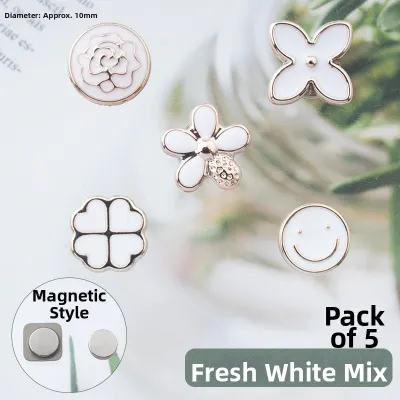
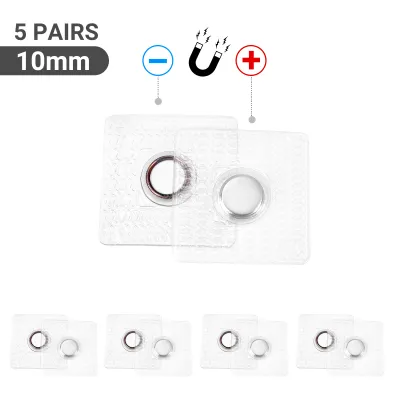
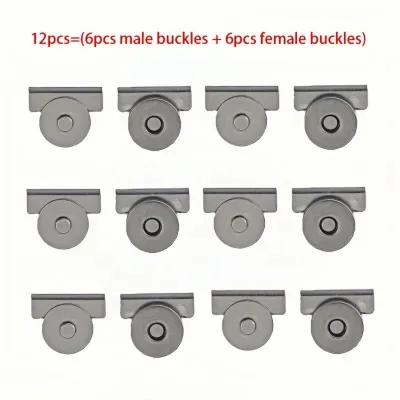
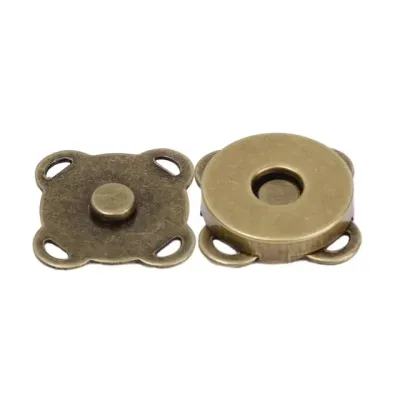
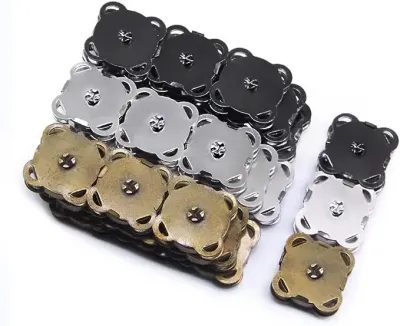
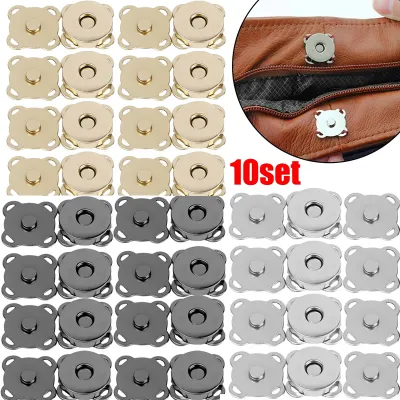
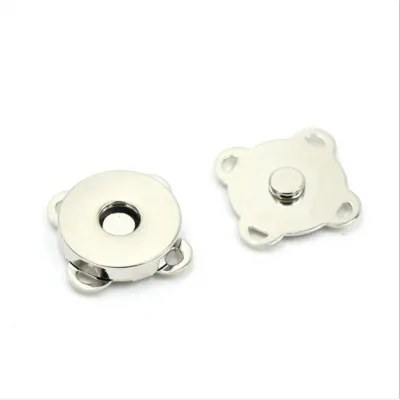
Prices are valid at publication and may change. Please refer to the product page for the latest price.
Diameter The diameter of a magnetic button determines its physical footprint on your project. Measured in millimetres, common sizes for small fasteners range from 8mm to 18mm. A larger diameter provides a broader contact area, which distributes the magnetic attraction over more fabric surface. However, a larger face size also means the button is more visible on the finished piece and requires a wider slit or placement area during installation. For hidden closures, a smaller diameter is generally preferred to keep the hardware completely concealed.
Thickness Thickness directly influences how a garment drapes or how flat a bag pocket sits when closed. Ultra-thin magnetic snaps, often measuring under 2mm in thickness, are essential for maintaining the natural flow of apparel fabrics. If a fastener is too thick, it creates an unsightly bulge and distorts the garment’s silhouette. On the other hand, thicker buttons (typically 3mm to 5mm) are highly beneficial for structured bags, leather goods, or projects utilizing thick batting, as they provide the physical clearance needed to bridge multiple dense layers of material.
Pull Force (Magnetic Strength) Magnetic strength, or pull force, refers to the amount of effort required to separate the two halves of the button. While it is tempting to assume a stronger magnet is always better, excessive pull force can quickly damage your project. When a user pulls a strong magnet apart, the stress is transferred directly to the surrounding fabric fibres. Over time, this repetitive strain causes delicate materials to stretch, fray, or tear. Furthermore, excessively strong closures can make garments frustrating to open, particularly for children, the elderly, or anyone with limited hand strength.
Matching Buttons to Fabric Weight and Project Type
A successful sewing project relies on pairing the correct fastener specifications with the weight and purpose of your chosen textile.

Lightweight Fabrics and Garments
Delicate and drape-heavy projects require a gentle touch to preserve the fabric’s integrity. When working with lightweight materials such as cotton lawn, rayon, silk, or fine knits—common choices for airy Singaporean fashion—your priority is minimizing weight and bulk.
For these garments, select small magnetic buttons with a diameter of 10mm to 14mm and a low-to-medium pull force. Heavy hardware will cause lightweight hems to sag awkwardly. To maintain a smooth, uninterrupted finish, opt for thin, flat sew-in magnetic snaps. These snaps are encased in a small, sewable plastic sheath, allowing you to stitch them directly to the facing or lining of the garment. This completely hides the metal hardware from the exterior while preventing any stiff bulges from disrupting the garment’s natural movement.
Medium to Heavy Fabrics, Bags, and Leather Crafts
Structured, high-stress projects require robust hardware that can hold up under tension. When sewing canvas tote bags, denim jackets, heavy linen trousers, or leather wallets, the closure must remain securely shut even when the item is packed or subjected to movement.
For these applications, look for small magnetic buttons with a diameter of 14mm to 18mm, featuring a medium-to-strong pull force. These larger sizes ensure the magnetic field is strong enough to penetrate thick layers. Instead of sew-in styles, heavy-duty projects benefit from pronged (or claw) magnetic snaps or snap-in buttons. These fasteners feature metal prongs that pierce through the fabric and bend over a metal backing washer on the underside, anchoring the button firmly to the heavy material.
Installation Methods and Fabric Stabilization
The way you attach a magnetic button and prepare your fabric determines the longevity and safety of your finished project. Without proper stabilization, even the highest-quality magnet will eventually fail or damage your work.
Attachment Types
- Sew-In Snaps: These flat magnets are sealed inside a small vinyl or plastic square. You sew around the plastic border, keeping the magnet hidden between the fabric outer and lining layers. This is the cleanest method for apparel.
- Prong/Claw Snaps: These consist of a male and female side, each with two metal prongs, and two metal backing washers. The prongs pass through slits in the fabric and fold flat over the washer. This style is incredibly secure and ideal for bags.
- Rivet-Style Snaps: These require a setting tool to press a decorative cap over a post, offering a professional, visible hardware finish on leather and heavy canvas.
Fabric Stabilization You must always reinforce the fabric behind any magnetic button. Because magnets exert localized physical pull, repeatedly pulling them apart will eventually tear unreinforced fabric. Always consult your fabric’s manufacturer care instructions before applying high heat from an iron to fuse stabilizers. Test your installation on a scrap piece of the same fabric first. Always fuse a piece of medium-to-heavyweight interfacing, stabilizer, or a small scrap of dense backing fabric (such as wool felt, vinyl, or twill tape) to the wrong side of the fabric before installing the hardware. This stabilizer distributes the mechanical stress of the magnetic pull across a larger surface area, protecting the delicate threads of your main fabric from tearing.
Clearance Check Before finalizing your installation, perform a quick clearance check. Place your fabric layers, interfacing, and any fleece or batting together to measure the total compressed thickness. If the combined layers are too thick, they will create too wide an air gap between the magnetic halves. Because magnetic strength decreases exponentially with distance, an excessive gap will render the button useless. If the gap is too large, you may need to trim away batting from the button area or choose a stronger magnet.
Quick Reference Guide for Common Projects
To simplify your next trip to the local haberdashery or online craft store, use this quick reference guide to match your project with the appropriate magnetic button specifications.
| Project Type | Recommended Diameter | Pull Force | Ideal Installation Style |
|---|---|---|---|
| Light Cardigan | 10mm – 12mm | Low | Sew-in (plastic sheathed) |
| Canvas Tote Bag | 14mm – 18mm | Medium / Strong | Prong with backing washer |
| Leather Wallet | 12mm – 14mm | Medium | Prong or Rivet-style |
| Baby Clothing | 10mm | Low | Sew-in (hidden) |
Frequently Asked Questions (FAQ)
Can strong magnetic buttons damage my sewing machine?
Yes, loose magnetic buttons can pose a risk to your sewing equipment if handled carelessly. If a strong magnet is left loose on your sewing table, it can easily be drawn to the metal needle plate, feed dogs, or presser foot. This sudden attraction can scratch polished metal surfaces, bend your sewing needle mid-stitch, or disrupt the timing of computerized sewing machines. To prevent accidents, always store your uninstalled magnets in a dedicated plastic or wooden container away from your machine, and only bring them to your workspace when you are ready to install them.
How do I prevent magnetic buttons from rusting in humid climates?
Singapore’s high relative humidity can cause low-quality, iron-based magnetic fasteners to rust, leaving unsightly orange stains on your handmade creations. To prevent this, always verify the material specifications before purchasing. Choose nickel-plated, brass, stainless steel, or plastic-coated magnetic buttons, which offer excellent resistance to moisture. For washable garments, completely sealed sew-in vinyl magnetic snaps are the safest choice, as the plastic barrier prevents water from ever reaching the metal during washing cycles.
Community discussion
Share your experience or ask a question. Comments are reviewed before publication.