
To choose the right SingPost SmartPac size, you must match the physical form of your item—whether it is a flat document or a rigid, bulky object—to the structural limits of the packaging. SmartPac options generally come in flexible envelopes and rigid boxes, each designed to fit standard letterbox slots. Selecting the correct size requires measuring your item’s maximum length, width, and thickness, then verifying these measurements against the latest official packaging specifications to ensure a seamless delivery.
Understanding the Differences Between SmartPac Envelopes and Boxes
SmartPac envelopes are designed for flat, non-fragile items such as documents, soft textiles, or thin books. Because these envelopes are flexible, they can accommodate slight variations in shape, but they offer minimal protection against crushing. In contrast, SmartPac boxes (often referred to as rigid boxes or “bix” options) provide a sturdy, three-dimensional structure. These are intended for bulkier, fragile, or rigid goods that require physical protection during transit.
To ensure your parcel is accepted for delivery, you must consider several critical dimension parameters. These include the maximum length, width, and thickness (or height) of the packaging, alongside strict weight limits. Because postal guidelines and available size variants can be updated periodically, it is essential to verify the exact numerical limits against current official specifications before preparing your shipment.
Products mentioned in this guide
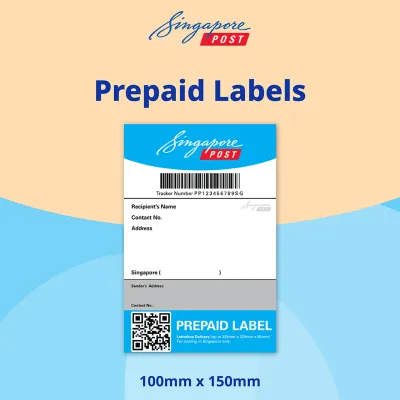
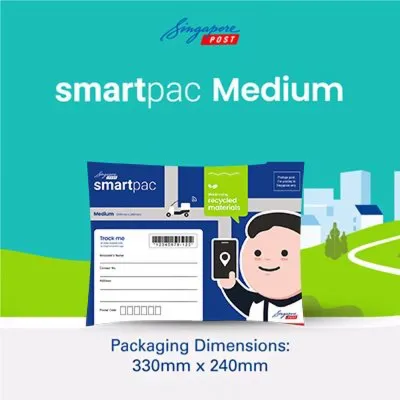
![[SINGPOST] MEDIUM smartpac - A postage-paid packaging for local delivery. Trackable via the SingPost mobile app.](https://img.lazcdn.com/g/p/3360d819ebee92c4900de5d10f98c2e8.png_400x400q80.png_.webp)
Prices are valid at publication and may change. Please refer to the product page for the latest price.
How to Accurately Measure Your Items for Packaging
To avoid sizing errors that could lead to rejected shipments at the post office, you must measure your item at its absolute widest, longest, and thickest points. Always perform these measurements after wrapping the item in any protective materials, such as bubble wrap, foam sleeves, or internal void fill. Neglecting to account for the added bulk of protective wrapping is a common reason parcels fail to fit into their designated packaging.

It is also vital to distinguish between the external dimensions of the packaging and its internal usable space. Rigid boxes have fixed walls that do not stretch, meaning your item must be slightly smaller than the listed internal dimensions to fit comfortably. For flexible envelopes, the usable space decreases as the thickness of the item increases, as the sides of the envelope pull inward when filled.
Finally, keep the standard letterbox slot test in mind. Because these prepaid packaging options are designed for direct delivery into standard residential letterboxes, the final packed thickness must not exceed the maximum slot clearance. If your packed envelope bulges beyond this limit, it may not fit through the letterbox, which can disrupt the delivery process.
Matching Your Parcel to the Correct SmartPac Size
Choosing the right packaging variant involves a simple step-by-step evaluation of your item’s physical properties. If your item is flat, flexible, and non-fragile, begin by evaluating the available envelope options. If the item is rigid, easily crushed, or highly fragile, you should bypass envelopes entirely and evaluate the rigid box options to ensure adequate structural protection.
Weight and thickness thresholds are the primary factors that dictate whether you need to upgrade to a larger packaging size. Exceeding the maximum weight limit for a specific tier will require you to move up to a larger box or transition to standard parcel rates. Always check the weight of your item using a reliable scale before purchasing your prepaid packaging.
You may occasionally encounter edge cases where an item slightly exceeds one dimension but remains well within the overall volumetric limits. For flexible envelopes, you might be able to orient the item diagonally, provided this does not stretch the material or compromise the adhesive seal. If the seal cannot close completely and securely without tape modification, you must upgrade to a larger size to ensure the parcel remains intact during transit.
Where to Verify Official Dimensions and Postage Rules
Because postal regulations, size categories, and pricing structures can change, you should always consult official resources before finalizing your shipment. The most reliable method is to check the official postal service website or visit a local post office counter to view physical templates and current size charts. This ensures you are working with the most up-to-date measurements.
Postage rates for these prepaid options are strictly tied to specific size and weight brackets, meaning any discrepancy can result in delivery delays or additional charges. Verifying the current rates beforehand helps you budget accurately, especially if you are shipping items regularly for an online marketplace or small business.
If your item ultimately exceeds the maximum dimensions or weight limits of all available SmartPac options, you will need to transition to standard tracked parcel services. These services accommodate larger dimensions and heavier weights, allowing you to secure your shipment using standard mailing boxes while still enjoying tracking benefits.
Frequently Asked Questions (FAQ)
Can I fold or compress my item to make it fit into a smaller SmartPac envelope?
While soft, flexible goods like clothing or fabrics can be safely folded or compressed to fit into a smaller envelope, you should never attempt to bend or force rigid or fragile items. Forcing an item to fit can damage the product and cause the envelope to bulge excessively. An overstuffed envelope that exceeds the maximum thickness limit may be rejected during automated sorting or fail to fit into the recipient’s letterbox, leading to delivery complications.
What happens if my packed SmartPac box is slightly over the weight limit?
Postal sorting facilities utilize automated systems to weigh and measure incoming parcels. If your packed box exceeds the designated weight limit, even by a small margin, it may be held, returned to the sender, or require the recipient to pay additional postage fees. To prevent this, use a digital scale at home to weigh your fully packed box—including all tape and labels—and aim to stay comfortably below the maximum weight threshold.
Community discussion
Share your experience or ask a question. Comments are reviewed before publication.