
Gifting a Singapore-themed money box is a thoughtful way to celebrate local culture while encouraging the timeless habit of saving. Whether you are looking for a meaningful souvenir for an overseas visitor or a practical keepsake for a local resident, the right choice depends on balancing aesthetic appeal with everyday usability. A well-chosen money box to save coins and notes serves as both a decorative reminder of the city-state’s rich heritage and a functional tool for daily financial mindfulness. By focusing on the recipient’s lifestyle, the cultural significance of the design, and the physical quality of the materials, you can select a gift that is both beautiful and highly practical.
Identifying the Recipient and Gifting Purpose
To choose the perfect money box, start by analyzing who will receive the gift and how they are likely to use it. Locals and tourists often have very different preferences when it comes to cultural souvenirs. For local recipients, a money box with subtle, modern, or nostalgic design elements usually resonates best. They might appreciate a minimalist representation of a traditional shophouse or a playful illustration of local coffee shop culture. These designs blend seamlessly into a modern home without feeling overly commercial or tourist-oriented.
In contrast, tourists and international visitors generally look for highly recognizable landmarks that capture the essence of their travels. Designs featuring iconic structures like the Merlion, Marina Bay Sands, or the futuristic supertrees of Gardens by the Bay make excellent keepsakes. These symbols immediately evoke memories of their time in the city, making the money box a cherished memento of their journey.
Products mentioned in this guide
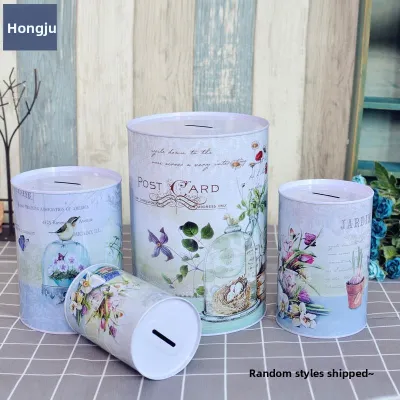
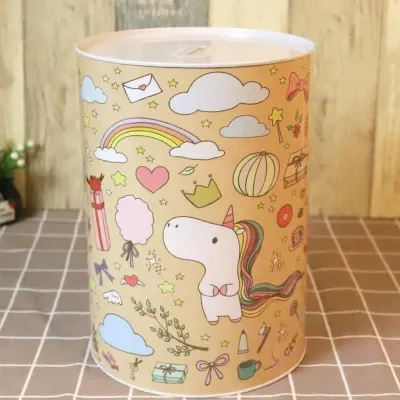
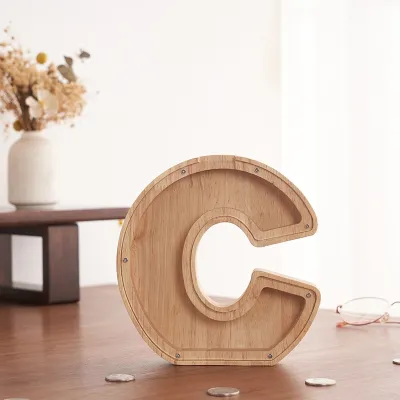
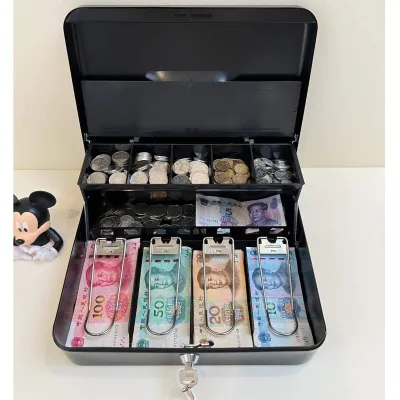
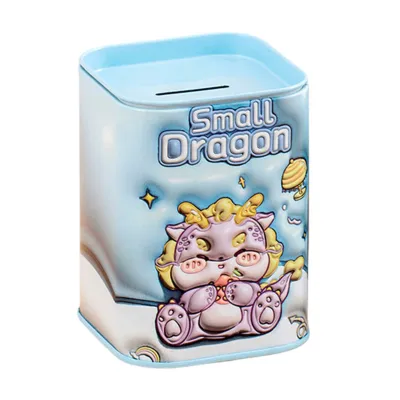
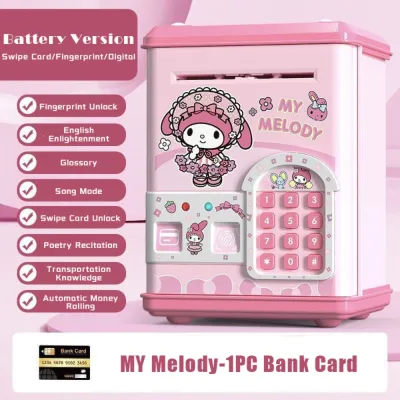
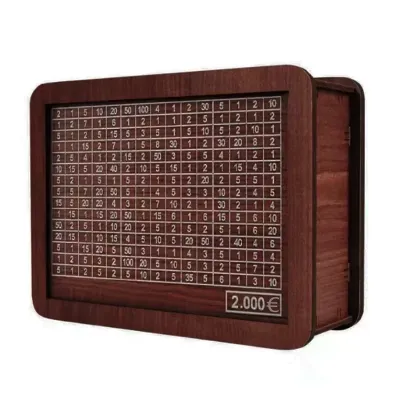
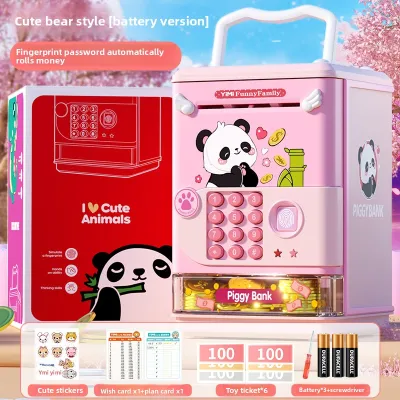
Prices are valid at publication and may change. Please refer to the product page for the latest price.
Beyond aesthetics, consider the primary use case of the money box. Is it intended as a functional daily tool to save coins and notes, or is it primarily a decorative display piece? A functional money box needs to be durable, easy to access, and spacious enough to hold a significant amount of currency. If the recipient plans to use it daily, look for sturdy materials and a practical retrieval mechanism. On the other hand, if the item is meant to sit on a study desk or a living room shelf as a decorative accent, you can prioritize delicate craftsmanship, intricate hand-painted details, and premium materials over sheer capacity.
Finally, do not overlook the practical constraints of size, weight, and portability. This is particularly crucial if the recipient is a traveler who must pack the item into a suitcase. A heavy ceramic or solid wood money box can add significant weight to luggage and runs the risk of breaking during transit. For overseas visitors, lightweight and durable options like tinplate, acrylic, or flat-packed wooden designs are much easier to transport safely. If you are gifting locally, however, you have the freedom to choose larger, heavier, or more delicate pieces without worrying about travel-related wear and tear.
Navigating Singapore Cultural Motifs and Design Themes
Singapore’s rich multicultural heritage offers a diverse palette of design themes, ranging from historic architectural patterns to modern colloquial humor. Understanding these motifs will help you select a design that matches your recipient’s personality. Iconic landmarks and cityscapes represent the most popular category, offering broad appeal and instant recognition. These designs often feature sleek, modern illustrations of the skyline, making them ideal for corporate gifts, international exchange students, or first-time visitors who want a classic reminder of the city’s modern marvels.

For those who appreciate history, architecture, and traditional craftsmanship, heritage patterns are an exceptional choice. Look for money boxes adorned with Peranakan tile motifs, which feature intricate floral and geometric designs in vibrant pastel colors. Alternatively, designs inspired by the historic shophouses of Katong or Chinatown capture the charm of old-world Singapore. These architectural miniatures or pattern-heavy designs appeal to recipients who love vintage aesthetics and want to celebrate the unique cultural fusion of the region.
If you are shopping for a close friend, a younger recipient, or someone who loves local humor, consider modern lifestyle and colloquial art themes. These designs often incorporate playful illustrations of beloved local foods, such as kaya toast, soft-boiled eggs, durian, or traditional ice cream carts. Some feature popular local slang or colloquial phrases like “Huat” (to prosper) or “Chope” (to reserve a seat), adding a lighthearted and humorous touch to the act of saving. These quirky designs make fantastic conversation starters and bring a sense of everyday local life into the recipient’s home.
Keep in mind that the availability of specific designs and artistic styles can vary throughout the year. Local artisans, independent studios, and heritage brands frequently release limited-edition collections or seasonal designs. When browsing, look for unique interpretations that stand out from mass-produced souvenirs, as these limited runs often feature higher-quality artwork and a more authentic connection to the local creative scene.
Evaluating Materials, Build Quality, and Saving Functions
A great gift must not only look good but also stand the test of time. Evaluating the materials and build quality of a money box ensures that it remains a functional and attractive piece for years to come. Wood is a classic choice that offers warmth, natural beauty, and excellent durability. Wooden money boxes often feature carved details or printed designs that age gracefully. However, because wood can be sensitive to high humidity, ensure the piece has been properly sealed or varnished to prevent warping or mold in tropical climates.
Metal and tinplate are highly durable, lightweight, and budget-friendly options. They are virtually unbreakable, making them excellent for children or travelers. Metal money boxes often feature vibrant, printed graphics and can double as retro decorative tins. However, they are susceptible to denting if dropped and can rust over time if exposed to moisture, so look for high-quality coatings and smooth seams.
Ceramic and porcelain offer a premium, elegant feel with a glossy finish that highlights hand-painted details. They make beautiful display pieces but are highly fragile and heavy. If you choose a ceramic money box, inspect it closely for hairline cracks, glaze imperfections, or uneven bases that might cause it to wobble. Acrylic and modern plastics, on the other hand, provide a sleek, contemporary look. Transparent acrylic money boxes are particularly popular because they allow savers to watch their progress, providing visual motivation as the coins and notes pile up.
Beyond materials, examine the functional aspects of the money box. The coin slot must be wide and thick enough to accommodate local currency without jamming. In Singapore, this means the slot should easily fit a S$1 coin, which is relatively thick, as well as folded paper notes. The edges of the slot should be perfectly smooth to prevent paper currency from snagging or tearing during insertion.
The retrieval method is another critical decision point. Traditional money boxes are break-to-open, which encourages long-term saving but destroys the item once it is full. For a gifting keepsake, a reusable design is generally preferred. Look for models with a secure, removable rubber or silicone stopper at the bottom, or a hinged door with a small lock and key. Ensure the stopper fits snugly so it does not fall out under the weight of accumulated coins, yet remains easy enough for an adult to remove when needed.
Sourcing and Verifying Authentic Local Designs
To ensure your gift is meaningful and of high quality, it is best to source authentic designs from reputable local creators rather than generic, mass-produced alternatives. Established local heritage brands, museum gift shops, and independent design studios are excellent starting points. Museum shops, such as those at the National Museum of Singapore or the National Gallery, curate high-quality merchandise that directly reflects local history and art, ensuring a level of educational and cultural depth.
When shopping, take a moment to verify the origin and design credits of the product. Authentic local designs will often feature information about the artist, illustrator, or design studio on the packaging or product description. Supporting these creators ensures that your purchase contributes directly to the local creative economy and helps preserve the unique cultural stories of the region.
You can find these products by exploring physical retail locations in historic cultural districts like Chinatown, Kampong Glam, or Katong, where independent boutiques showcase local craftsmanship. If you prefer shopping online, look for the official digital storefronts of local institutions, artisan collectives, or trusted e-commerce platforms that feature dedicated sections for local designers.
Finally, consider the logistics of gifting, especially if the recipient lives overseas. If you are purchasing a fragile item like a ceramic money box, check the retailer’s packaging standards to ensure it will be wrapped securely in bubble wrap or protective boxing. Review the store’s return and exchange policies in case of transit damage, and verify if they offer reliable international shipping options to simplify the gifting process.
Frequently Asked Questions (FAQ)
Can I use these money boxes for paper notes as well as coins?
Yes, most standard money boxes can accommodate both paper notes and coins, but you should verify the slot dimensions and internal capacity before purchasing. A standard coin slot is typically between 3cm and 4cm in length, which is wide enough to accept folded or rolled paper notes. However, some miniature or highly intricate decorative designs may have very narrow slots intended solely for coins. If you are buying a money box to save coins and notes, look for a model with a slightly wider slot and a spacious interior. If you are shopping in a physical store, you can easily test the slot with a folded piece of paper to ensure it slides in smoothly without resistance or tearing.
How do I clean and maintain wooden or ceramic money boxes?
Proper maintenance depends entirely on the material of the money box. For wooden designs, avoid using water or liquid cleaners, as excess moisture can cause the wood to swell, warp, or develop mold. Instead, use a dry, soft microfiber cloth to dust the surface regularly. If there is a stubborn smudge, a very slightly damp cloth can be used, followed immediately by a dry cloth to remove any residual moisture. For ceramic or porcelain money boxes, you can wipe them down with a damp cloth and mild soap if necessary. Be sure to avoid abrasive scrubbing pads that could scratch the glazed finish. Pay special attention to any unglazed, porous areas, such as the bottom rim, as these can absorb dirt and moisture. Always refer to any specific care instructions provided by the manufacturer to keep your gift looking pristine.

Community discussion
Share your experience or ask a question. Comments are reviewed before publication.